PCOC's Australian service reports for the reporting period between January and June 2023 are out now.
Log on to PCOC website to access them!
https://t.co/1HTAONSjuQ
#PalliativeCare#pcoc
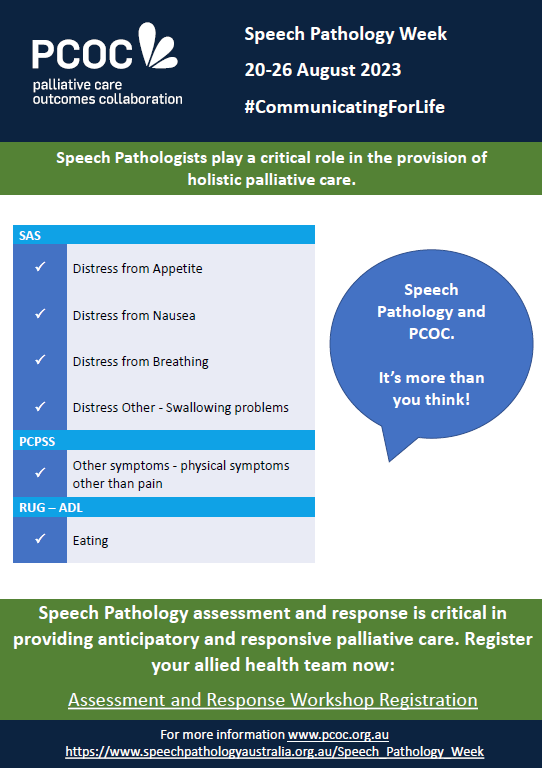
Ensure all your allied health team members know how to use the PCOC tools correctly and register for the upcoming Assessment and Response workshop - Assessment and Response Workshop Registration: https://t.co/SydGXDEn6m
#palliativecare#education
Improving recognition and response to unstable phase of care through daily team meetings – a quality improvement project by Albany Community Hospice, WA. Find their report, handover sheet and handover policy on our website.
https://t.co/JMPnKcqkcZ
#PalliativeCare
"Leave No One Behind - equity in access to palliative care" no matter where you live, or who you love. Read this inspiring article by Associate Professor Mark Boughey, Director of Palliative Care @StVincentsMelb #LGBTQ+ #LeaveNoOneBehind21 @BRosa_PhD https://t.co/AKksZ3P8D9
Melanie McBain describes the role of PCOC in developing innovative models of care and nurse-led advancements in palliative care delivery. Watch the video of her presentation at PCOC's QLD benchmarking workshop: https://t.co/u0WANza1qG
#palliativecare
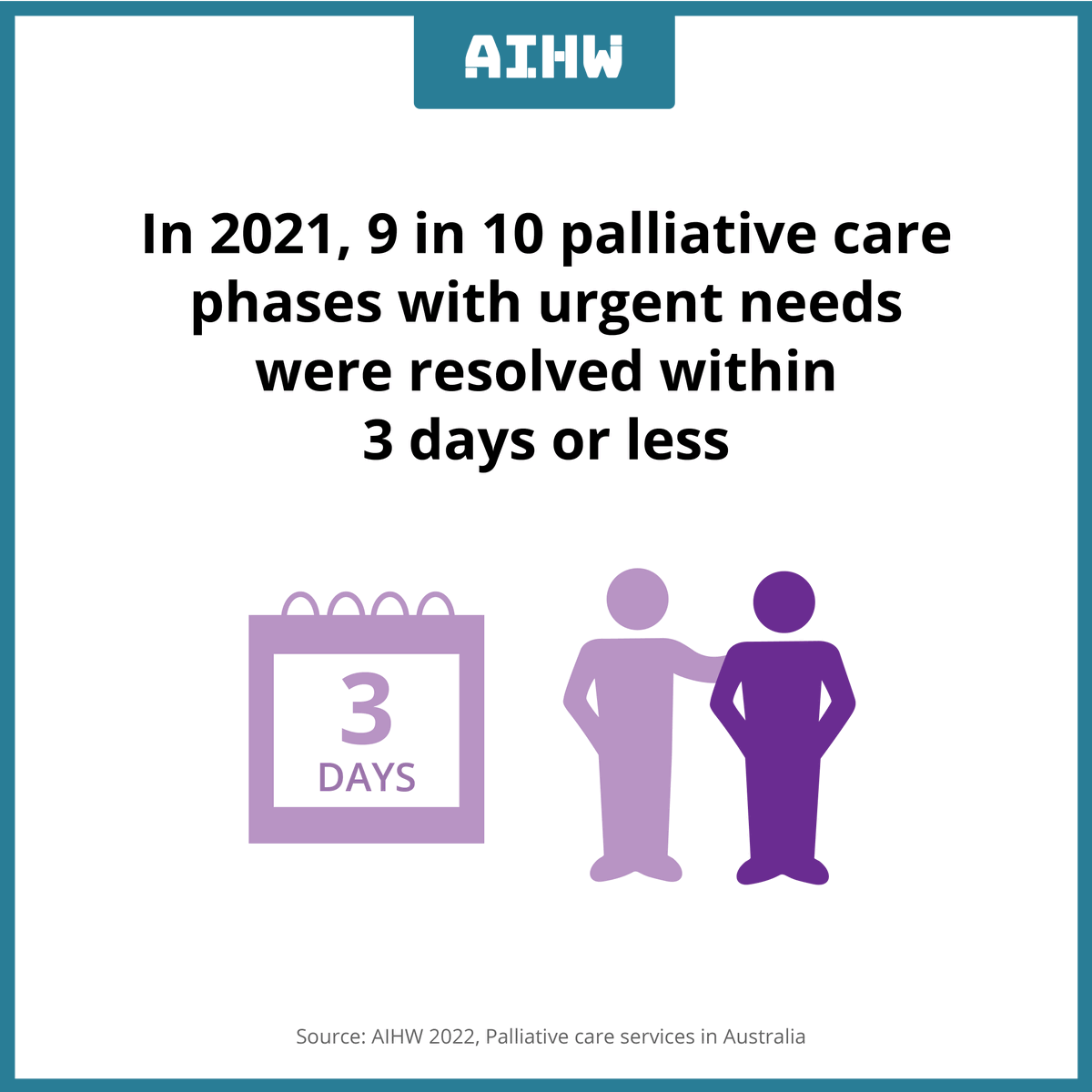
Analysis of PCOC data shows outcomes among Indigenous and non-indigenous Australians are similar in palliative care. 75% of all unstable palliative care phases are addressed within three days. A study by PCOC members and collaborators. Read now:
https://t.co/mFzXwGptMW
Question: Is a hospital specialist palliative care consult service able to provide true holistic care if it remains a bi-disciplinary model (medical/nursing)? Sometimes I feel a sense of resistance to including SW & Spiritual Care...
A very insightful presentation by PCOC's Natalie Joseph on "The 'eyes and ears' on the ground: PCOC in Residential Aged Care What changes re required, why and what does this mean for nurses in RAC?" at the PCNA Conference. #PCNA2020#PCNAust20#palliativecare
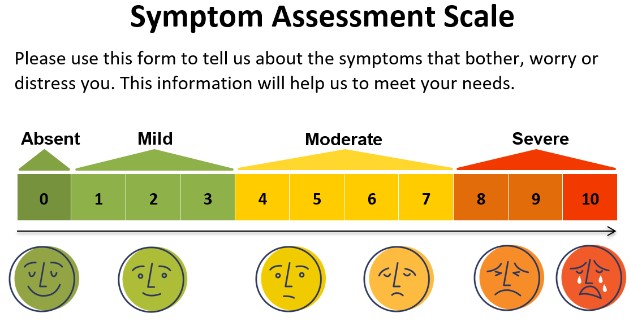
Our new PCOC resource assists patients, residents and family caregivers to understand and respond to the SAS (Symptom Assessment Scale) as a means to communicate distress from symptoms. Available now for download at: https://t.co/ubQOq5dzsQ #palliativecare
PCOC data used to help advance palliative care for Indigenous Australians, promising findings for those in PCOC services. https://t.co/Ogj5V9Ygs3 #palliativecare
Almost 200 palliative care services are participating in @PCOCPallCare & routinely asking patients & families about their pain & symptoms. They represent ~25% of predictable deaths in Australia. This is what they said.