Claude vs. Claude Code vs. Cowork.
If you've been confused about which one to use and when, this post will clear that up in under two minutes.
Anthropic now offers three distinct ways to interact with Claude, and each one targets a fundamentally different workflow. Think of it as: Chat for thinking, Code for building, and Cowork for doing.
Here's a quick breakdown:
1️⃣ Claude Chat
This is the conversational AI assistant most people already know. You type a prompt, Claude responds, and you iterate together.
- Turn rough ideas into structured plans through conversation
- Write emails, reports, essays, and long-form content
- Research and summarize complex topics in minutes
- Analyze documents, PDFs, and images
- Build interactive prototypes through Artifacts
The key here is that everything happens through conversation. You're thinking with Claude, not delegating work to it.
It's available on every device, has a free tier, and supports persistent memory across sessions.
The tradeoff is that it has no direct access to your local files (upload only), and it can't generate raster images natively.
2️⃣ Claude Code
This is a terminal-native coding agent. You describe what you want in plain English, and Claude reads your codebase, writes code, runs tests, fixes errors, and ships the result.
- Build and debug entire features across the full codebase
- Write, run, and fix tests automatically
- Manage git workflows and create pull requests
- Spawn multiple parallel agents working on different parts of a task simultaneously
It handles the full development cycle end to end, from planning to execution to testing. With the CLAUDE(.)md configuration file, you can teach it your project's conventions, patterns, and constraints so it writes code the way your team expects.
The tradeoff is a steeper learning curve compared to Chat, and token costs can add up during heavy sessions.
3️⃣ Claude Cowork
This is the newest addition. Anthropic describes it as Claude Code for the rest of your work.
It's an agentic desktop assistant that automates file management and repetitive tasks through a GUI. You describe an outcome, and Claude plans, executes, and delivers finished work: formatted documents, organized file systems, spreadsheets with working formulas, and synthesized research.
- Direct local file access and editing (no upload/download cycle)
- Schedule recurring tasks automatically
- Assign tasks remotely via Dispatch from your phone
- Computer Use lets Claude control your screen directly
It runs inside a sandboxed virtual machine on your computer, so Claude can only access folders you explicitly grant. You don't need to know how to code to use it.
The tradeoff is that your computer must stay awake for tasks to run, and it's still in research preview.
Here's how to think about choosing between them:
→ If you need to think through a problem or get writing/research help, use Chat
→ If you're building software and want an autonomous coding partner, use Code
→ If you have a clearly defined deliverable that involves local files and desktop workflows, use Cowork
All three are included in the same subscription starting at $20/month, which makes it one of the highest-leverage subscriptions in productivity software right now.
I've put together a visual below that maps the workflow of each product side by side.
If you want to go deeper into Claude Code specifically, I wrote a detailed article covering the anatomy of the .claude/ folder, a complete guide to CLAUDE(.)md, custom commands, skills, agents, and permissions, and how to set them all up properly. Link in the next tweet.
This guy literally broke down how to use Claude Code like an expert:
1:40 - Code vs Cowork vs OpenClaw
6:51 - Setting up context status line
12:03 - Sub-agents
17:49 - Creating skills
23:58 - Ask user questions tool
33:33 - Tool-powered skills: Tavily
36:57 - CLI vs MCP vs API hierarchy
39:30 - Make slides skill w/ Puppeteer
43:32 - Auto-invoking skills with hooks
46:49 - Jupyter notebooks for data trust
55:09 - The operating system file structure
A builder shares why their workflow finally clicked.
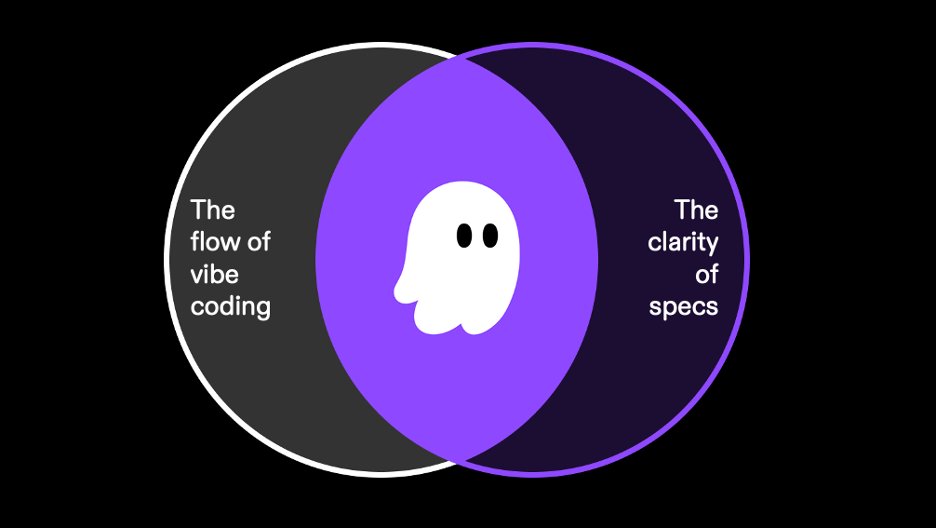
Instead of jumping straight to code, the IDE pushed them to start with specs.
✔️ Clear requirements.
✔️ Acceptance criteria.
✔️ Traceable tasks.
Their takeaway:
Think first. Code later.
Get the full breakdown here 👉 https://t.co/prZYRFKUae
When I created Claude Code as a side project back in September 2024, I had no idea it would grow to be what it is today. It is humbling to see how Claude Code has become a core dev tool for so many engineers, how enthusiastic the community is, and how people are using it for all sorts of things from coding, to devops, to research, to non-technical use cases. This technology is alien and magical, and it makes it so much easier for people to build and create. Increasingly, code is no longer the bottleneck.
A year ago, Claude struggled to generate bash commands without escaping issues. It worked for seconds or minutes at a time. We saw early signs that it may become broadly useful for coding one day.
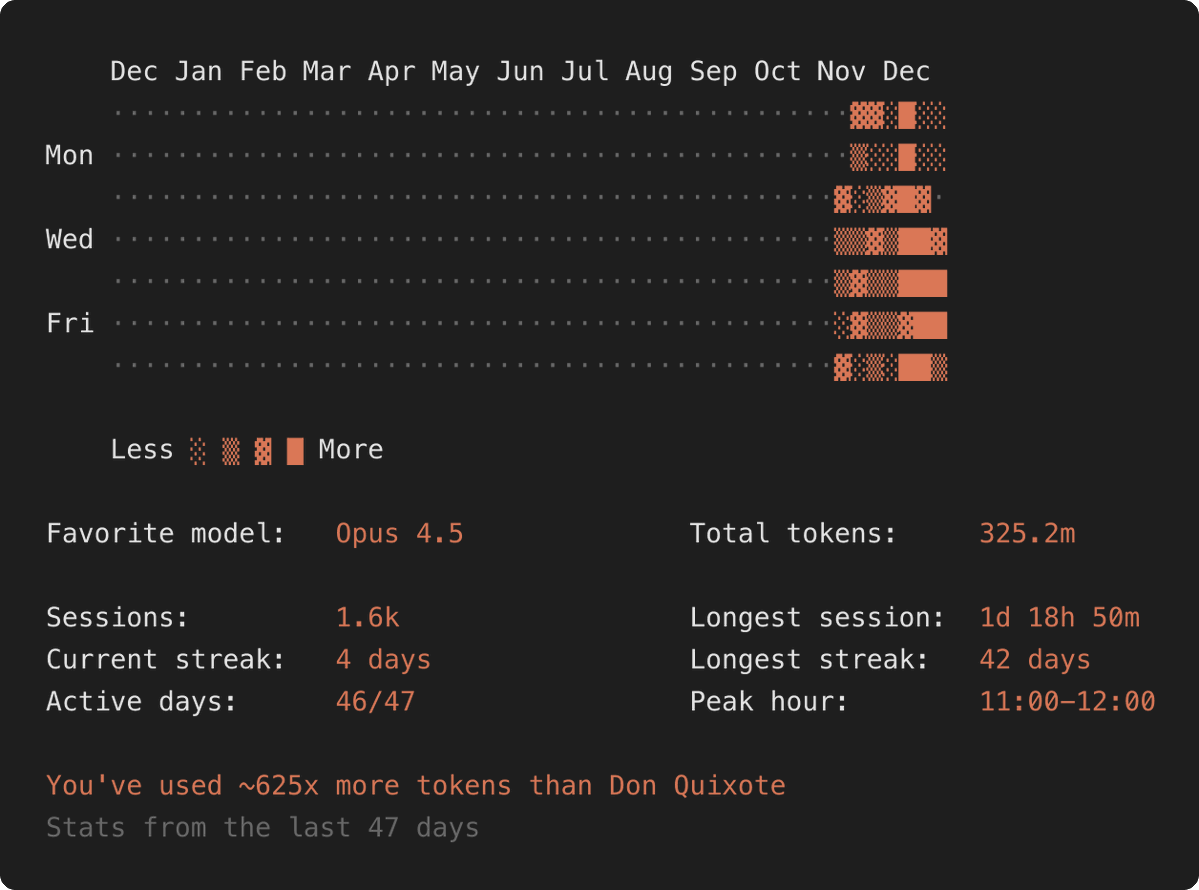
Fast forward to today. In the last thirty days, I landed 259 PRs -- 497 commits, 40k lines added, 38k lines removed. Every single line was written by Claude Code + Opus 4.5. Claude consistently runs for minutes, hours, and days at a time (using Stop hooks). Software engineering is changing, and we are entering a new period in coding history. And we're still just getting started..
Excited to get started with Prototyping with AI on @MavenHQ by @100schoolHQ 🚀
Can't wait to learn about Replit Agent, Cursor, v0, Lovable and the like over the next 2.5 weeks 🔥
Here we go!
The data on alcohol seem clear: 0 is better than any and 2 drinks per week is the max (for adult non-alcoholics) beyond which some negative impact is observed. Whether this is direct or indirect via perturbed sleep/microbiome is unclear. Details: https://t.co/dw7lbrvRrI
RIP Charlie Munger
I'll always remember him for this talk he gave on the Psychology of Human Misjudgement.
If you have an hour, it's well worth the time:
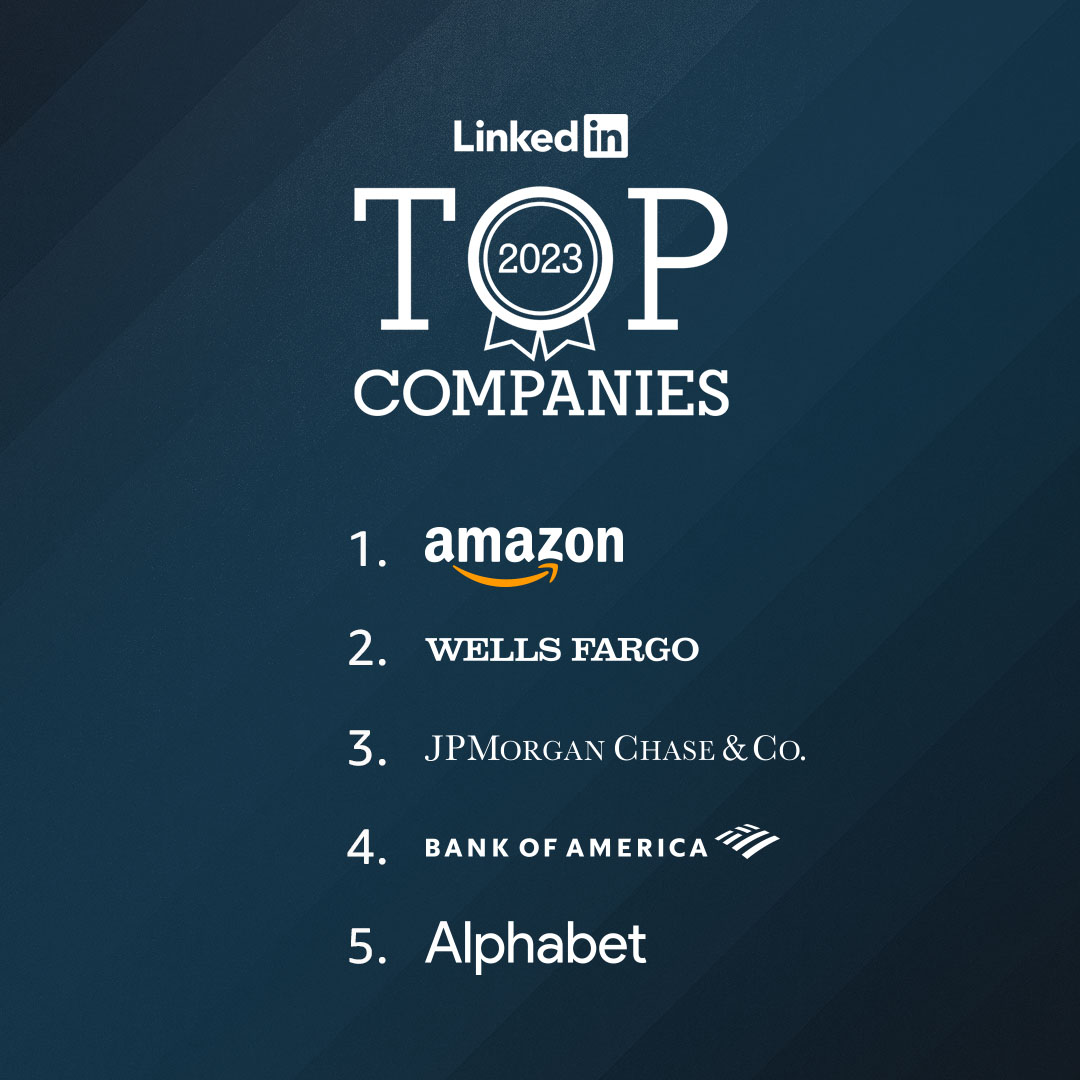
Proud to see Amazon recognized for third year in a row as the #1 place people most want to work in the U.S. according to LinkedIn. Thanks to our teammates who make this a special place to invent and build. https://t.co/S642nkPwsN