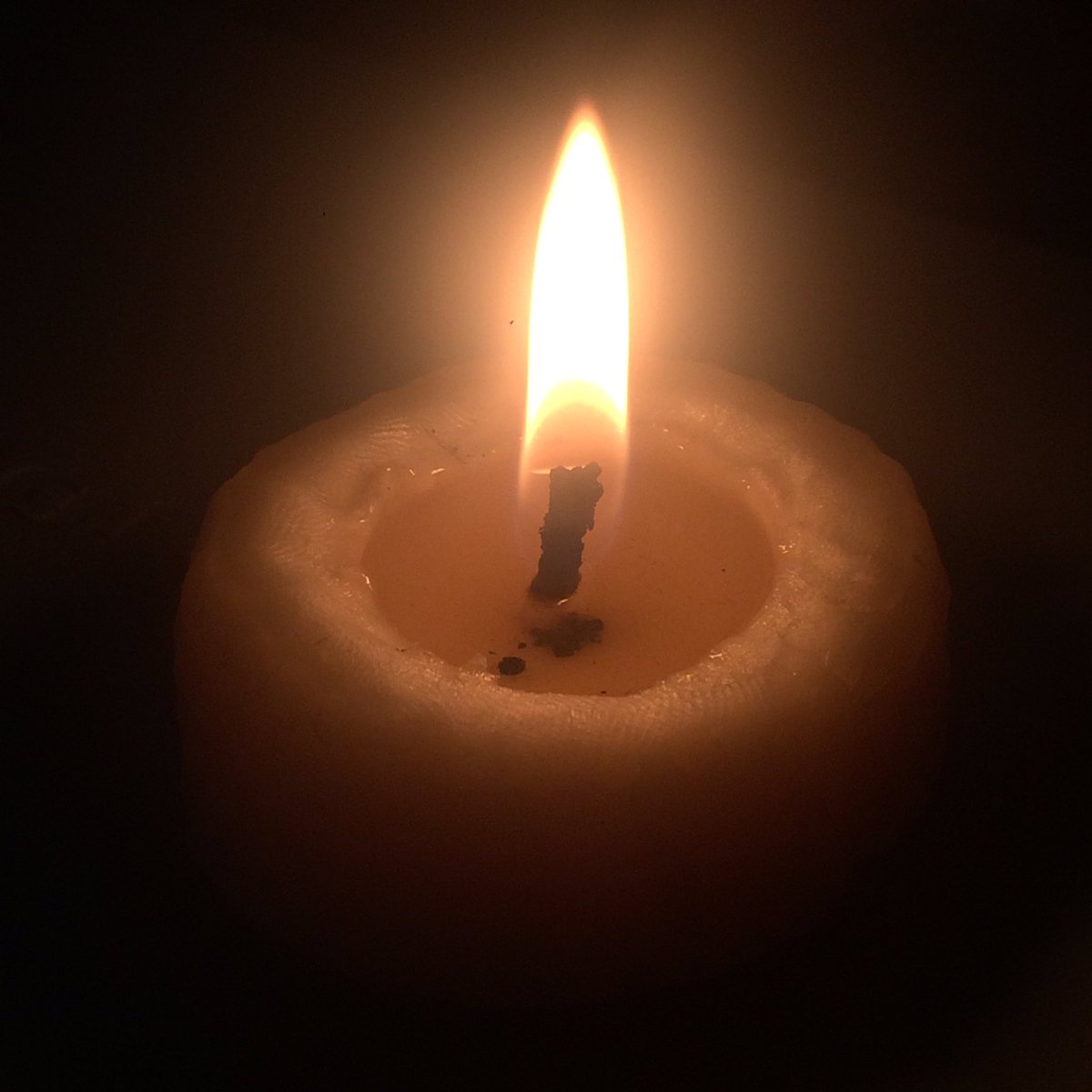
Before the invention of modern alarm clocks, people across different cultures developed inventive ways to ensure they awoke on time. One of the most fascinating methods involved candles and nails. Long before buzzing alarms, these "candle clocks" allowed people to wake up at a set hour. This simple yet effective technique involved placing nails at specific intervals along a candle. As the candle burned down, it would eventually reach the nail, which would drop and make a sound, waking the sleeping person. This clever method combined practicality with a bit of ingenuity, serving as an essential tool in a world without mechanical clocks or digital alarms.
The concept of tracking time with candles dates back centuries, with evidence of their use in ancient China, Japan, and Europe. While candle clocks could be used to mark hours, they were particularly valuable at night when traditional sundials and water clocks weren’t practical. By observing the rate at which candles melted, people could approximate time by burning specific candle lengths.
In addition to marking time, candle clocks became tools for early risers. People in medieval Europe, for instance, used candles as a rudimentary wake-up system by embedding metal objects like nails, pins, or other small items at specific points. When the wax reached the embedded nail, it would fall and create a clinking noise loud enough to rouse a sleeper. This method was simple, but it was also reliable—offering a form of alarm that didn’t require someone to stand watch through the night.
Candle clocks were easy to make and required only a candle and a few metal nails or pins. The length of time it took for the candle to burn was fairly predictable, allowing people to determine where to place nails based on the hours they wanted to mark.
Here’s how the process worked:
1. Choosing the Candle: Candles used for candle clocks needed to be consistent in thickness and composition, as variations could change the burn rate. Most people used candles made from tallow or beeswax, which were common materials available at the time.
2. Measuring Burn Time: By observing their candles over time, people calculated approximately how long it took for a candle to burn down by specific increments. For instance, a person might note that a candle burned an inch per hour.
3. Setting the Alarm: Based on this burn rate, the sleeper would insert nails at specific points along the candle’s length. If they wanted to wake up in three hours, they might place a nail three inches down from the top.
4. Waking Up: As the candle burned down, it would eventually reach the nail, which would fall to the floor or onto a metal plate. The resulting sound was loud enough to wake the person up.
In many cases, people would place the candle clock near their bed on a metal plate or in a bowl, so that the nail would make a distinct, sharp noise when it dropped. This setup ensured they wouldn’t sleep through the alarm, and it could be adjusted by simply moving the nail for shorter or longer wake-up intervals.
The simplicity and reliability of candle clocks made them useful to a variety of people. Monks, for example, often used candle clocks to wake up for early prayers or to track specific hours for their spiritual practices. Without an alarm clock to rouse them from sleep in time for vigils or matins (early morning prayers), monks could rely on candle clocks for a timely wake-up.
Bakers also found candle clocks useful, as they often needed to rise before dawn to prepare bread for morning sales. In a time before precise timers, candle clocks gave bakers a dependable way to track the early hours.
Travelers and merchants also used candle clocks during overnight journeys. In some cases, they would even set up multiple nails to wake themselves at different intervals, ensuring they could stay alert and manage their time on long trips or overnight stops.
#archaeohistories
Funny how people suddenly become experts on your character when you stop doing what they want. You were generous when you kept giving, humble when you stayed quiet and a good person when you never said no. Apparently, your personality was perfect until you developed a fucking backbone.
Gooseberry rings .
This is a rich heritage of our ancient ancestors. this is a ring made of gooseberry wood. at least 2 or 4 of such rings are immersed in a well in the bottom most part ,because according to Ayurveda gooseberry wood is excellent water purifier.