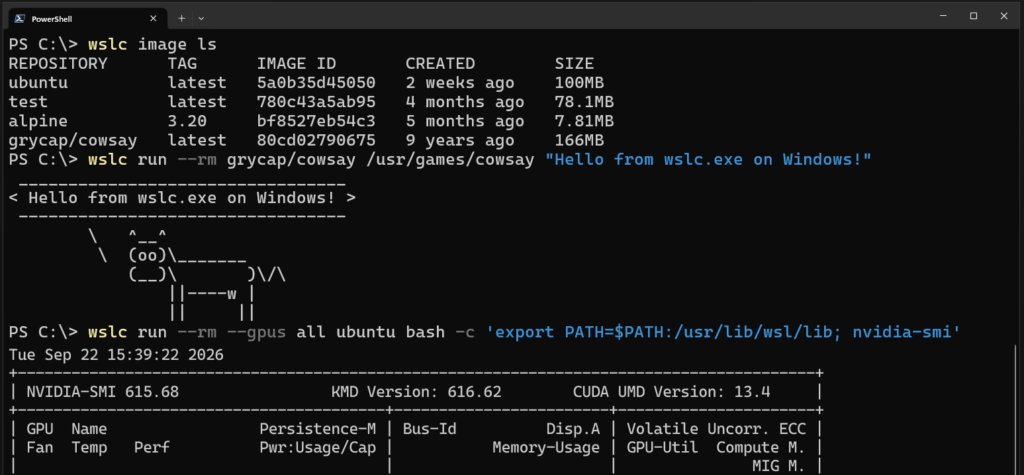
Microsoft has made WSL containers generally available, introducing new commands for container management and enhanced security features, aligning with their strategy to optimize Windows for Linux workloads.
https://t.co/xtXfPt3iBp
Fullscreen web experiences involve more than just hiding the browser chrome.
In this tutorial, Alex shows you how to use JavaScript’s Fullscreen and Wake Lock APIs together.
You'll learn about fullscreen state, browser fallbacks, and keeping the screen awake, too.
https://t.co/CiuQvIJApD
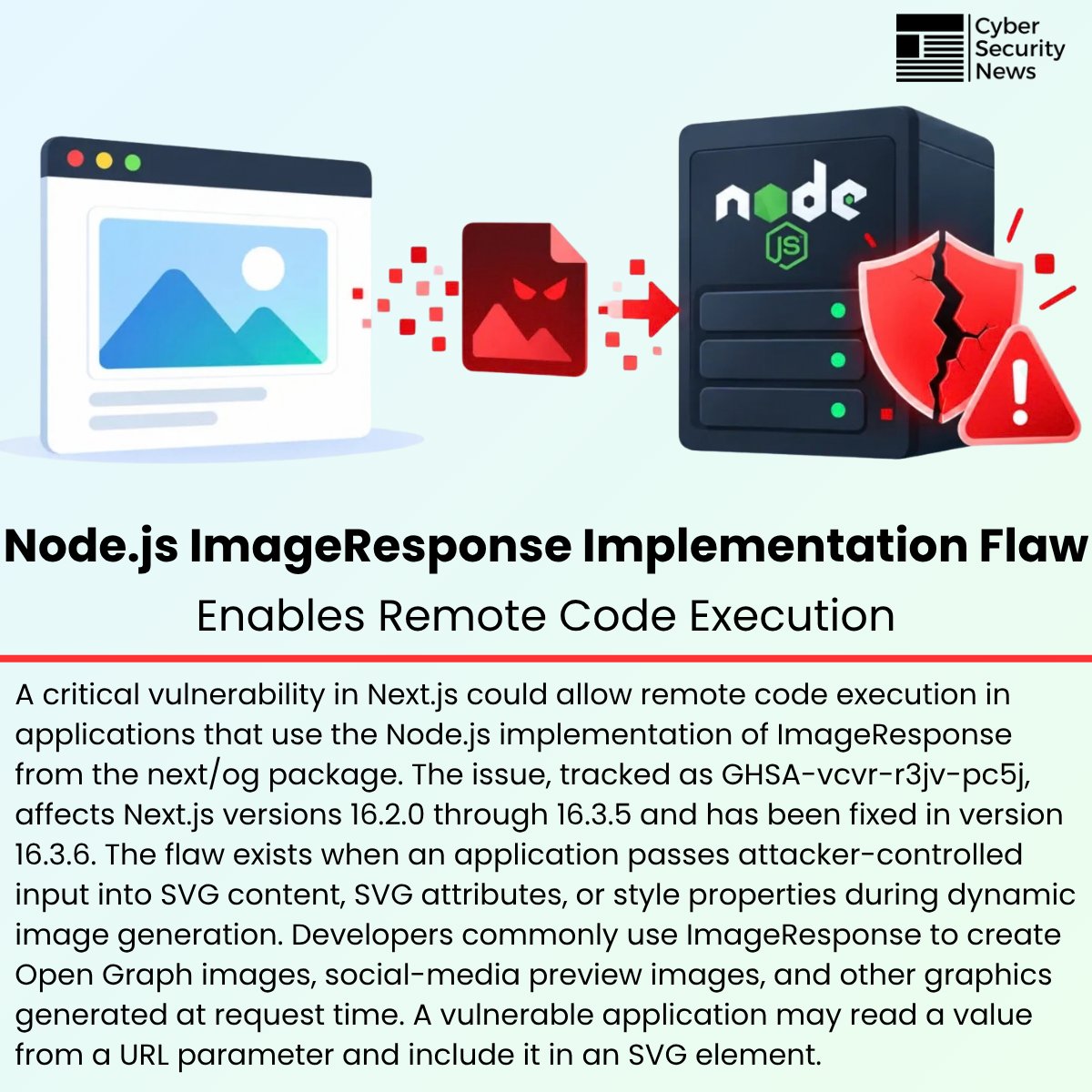
⚠️ Node.js ImageResponse Implementation Vulnerability Enables Remote Code Execution
Details: https://t.co/utxG644OQ4
A critical vulnerability in Next.js could allow remote code execution in applications that use the Node.js implementation of ImageResponse from the next/og package. The issue, tracked as GHSA-vcvr-r3jv-pc5j, affects Next.js versions 16.2.0 through 16.3.5 and has been fixed in version 16.3.6.
The flaw exists when an application passes attacker-controlled input into SVG content, SVG attributes, or style properties during dynamic image generation.
Developers commonly use ImageResponse to create Open Graph images, social-media preview images, and other graphics generated at request time. A vulnerable application may read a value from a URL parameter and include it in an SVG element.
#cybersecuritynews
🚀 The latest @code release makes it easier to work across repositories and worktrees and delegate tasks to remote agent hosts.
🧵 Here’s what’s new:
https://t.co/YHM3TrHENP