#Białoruś „stabilnie napięta”, ale bez oznak przygotowań do wojny.
▪️ brak wzrostu obecności #wojsk rosyjskich
▪️ spadek incydentów dronowych
▪️ presja migracyjna znika z granicy #PL → przenosi się na Łotwę
Kluczowe:
🔹 wymiana „5 za 5” = skuteczny kanał PL–USA–Mińsk
🔹 Łukaszenka balansuje między Rosją a #USA
🔹 możliwe kolejne „transakcyjne” uwolnienia więźniów
👉 Deeskalacja taktyczna, nie systemowa.
Więcej w przeglądzie informacyjno-analitycznym, który powstał we współpracy z @iSANS_CEE.
https://t.co/lSODo8ucZc
Kolejna, już trzecia seria podcastów w ramach @by_ua_studium, która będzie skupiona na relacjach państw i społeczeństw Europy Środkowej i Europy Wschodniej. Pierwszym gościem jest świetny historyk, m. in. specjalista od Węgier Michał @przeperski_
https://t.co/7mg62E7zMd
🇭🇺 W premierowym odcinku „Eastern” rozmawiamy z @przeperski_ o Węgrzech. Analizujemy relacje Budapesztu z państwami Europy Środkowej oraz jego podejście do krajów położonych dalej na wschód.
🎙️ Przyglądamy się uwarunkowaniom, które ukształtowały węgierską politykę zagraniczną.
Our panel at the @aseeestudies Convention is done! Many thanks to @JoannaGetka for moderating and to @TAstrouskaya for doing such a great job as discussant!
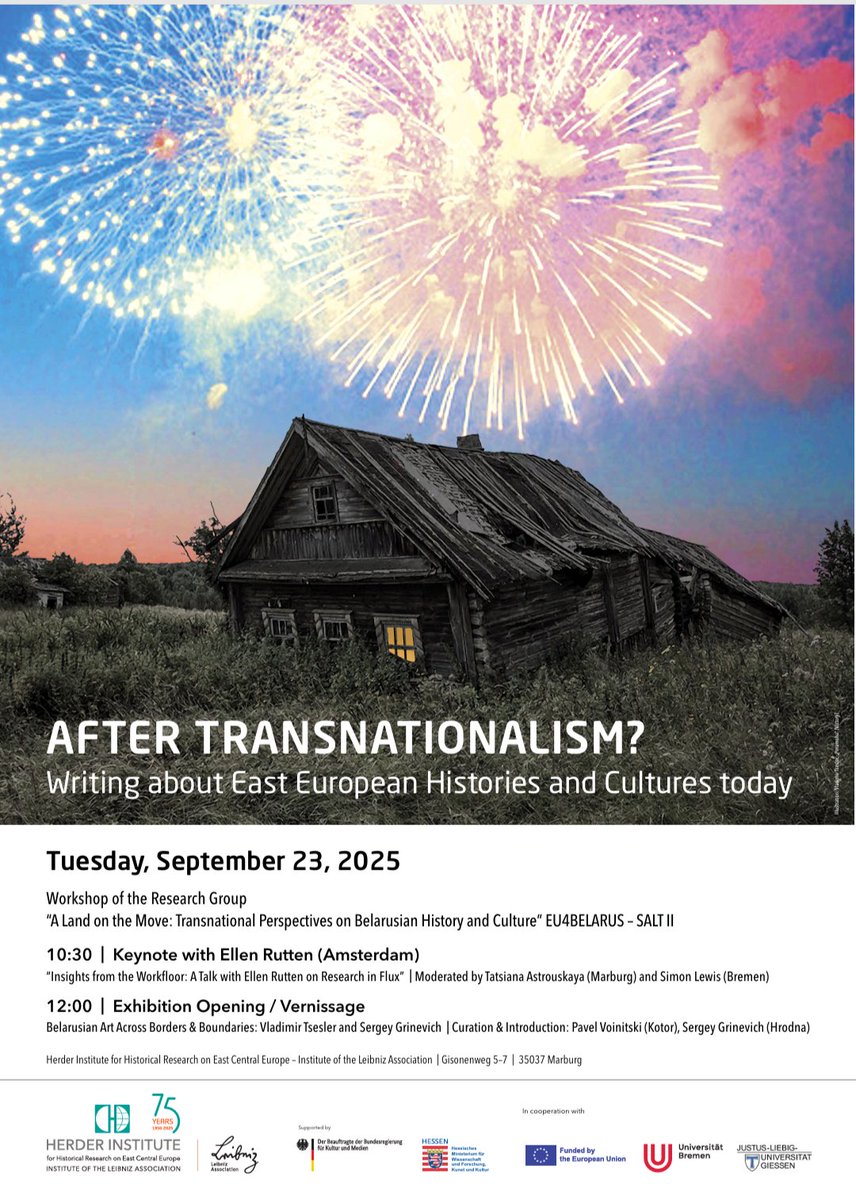
Tomorrow in Marburg kicks off the workshop ‘After Transnationalism. Writing about East European Histories and Cultures Today’. My talk about how to decolonize the past in Belarus I'll be presenting on the panel together with @TAstrouskaya and Georgiy Kasianov.
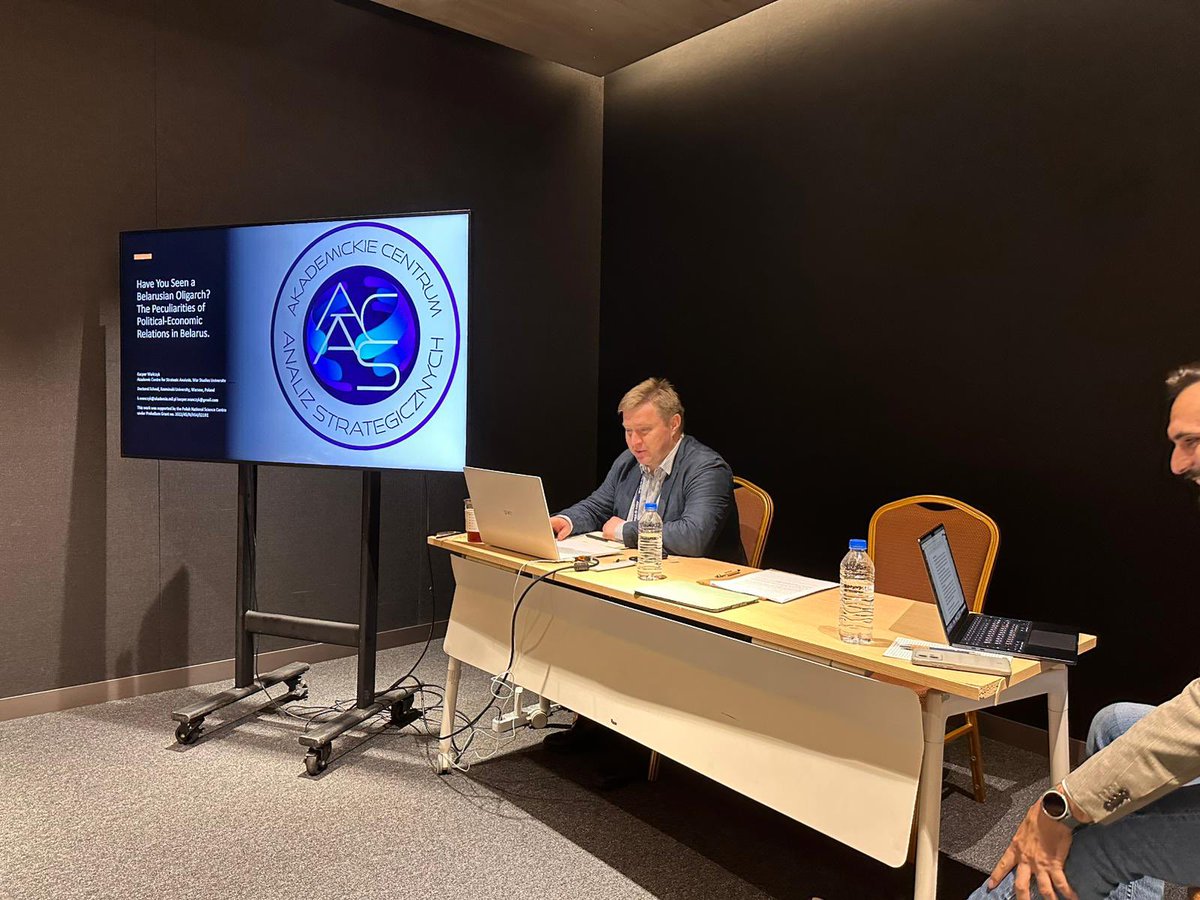
Back from @IPSA Congress in Seoul. At a panel „Belarus 2020–2025: The Electoral Cycle of Transition from the Dictatorship of Spin to the Dictatorship of Fear” I was asking “Have You Seen a Belarusian Oligarch?”. #ACAS#Belarus#economy@maxim_rust@saifullayeu
My summer conference tour is coming to an end: after (3) Warsaw, Tartu, and Brussels. I've finally reached the Final Boss - IPSA World Congress 2025 in 🇰🇷
Together with @maxim_rust and @kacperen, we are among the very few — addressing current political developments in 🇧🇾
❓Czy w krajach takich jak Rosja czy Białoruś dekomunizacja i dekolonizacja jest możliwa? W nowym odcinku #oczamieksperta@saifullayeu przedstawia warunki, które muszą zostać spełnione, aby ten proces mógł się dokonać.
Link do filmu na YouTube 👇👇
https://t.co/3DYDQvILcs
Today at the @unitartu, I’m taking part in a roundtable on knowledge production and decolonization together with outstanding colleagues @MartKuldkepp, @BotakozKassybm1, Darius Staliunas. If you’re in Tartu, come join our panel!
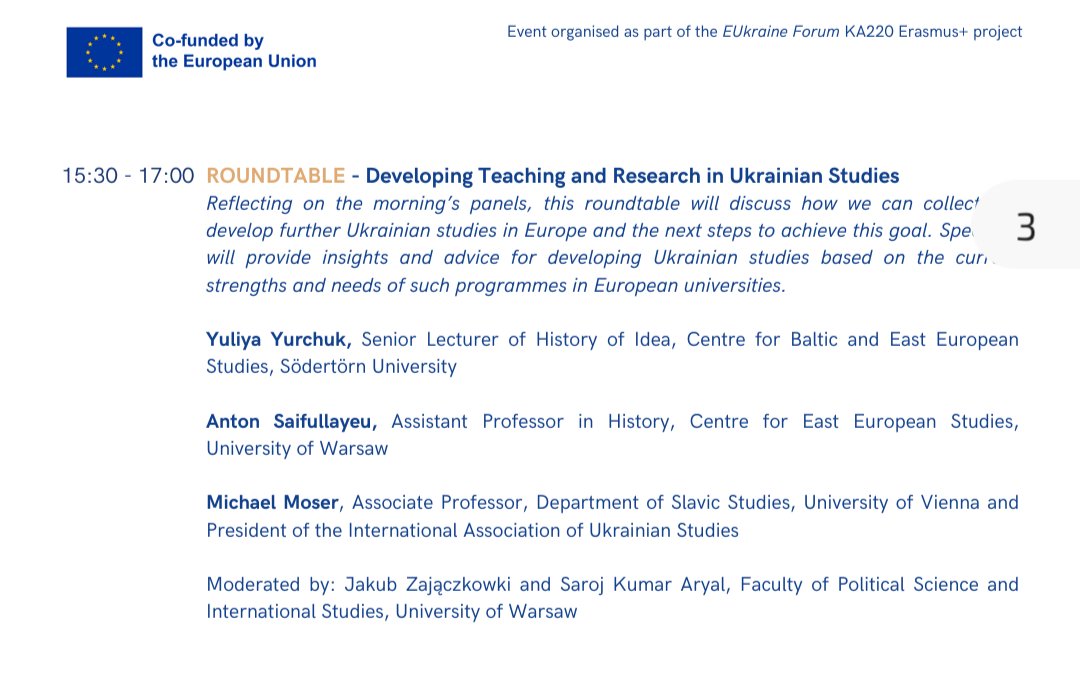
I am pleased to participate today in an important conference at the @UniWarszawski, organized by the @WNPiSM . It's taking place right now — don’t miss it!
👀W nowym odcinku #oczamieksperta@saifullayeu opowiada o ekologii na Białorusi.
🌱Ekspert przedstawia wyzwania, z jakimi muszą mierzyć się ekologiczni aktywiści. Porusza także temat podejścia państwa do tych kwestii.
Link do YouTube 👇
https://t.co/enQAxquRXi
#bialorus
Lecture: Decolonization Without the Soviet Lens: Case of Dagestan.
Moderator: @saifullayeu (@UniWarszawski )
Discussant: Prof. Izabela Blackwood-Kalinowska (@stonybrooku / @UniWarszawski)
Register here: https://t.co/RlzYura8IH
The Zoom link will be sent 2 days before the event.
Third Webinar in the Decolonial Shaping of the Post-Soviet World Series! This time, my colleague Iwona Kaliszewska from the @UniWarszawski will present a crucial yet often overlooked area of Russia's decolonization. Details below
📚 The 3R Project, one of the flagship initiatives of the College of Europe in Natolin, examines Ukraine’s major pro-democratic movements—the Revolution on Granite (1990), the Orange Revolution (2004-2005), and Euromaidan (2013-2014)—alongside Russia’s ongoing invasion. Bringing together leading experts, it explores Ukraine’s contemporary history through research, publications, and collected testimonies.
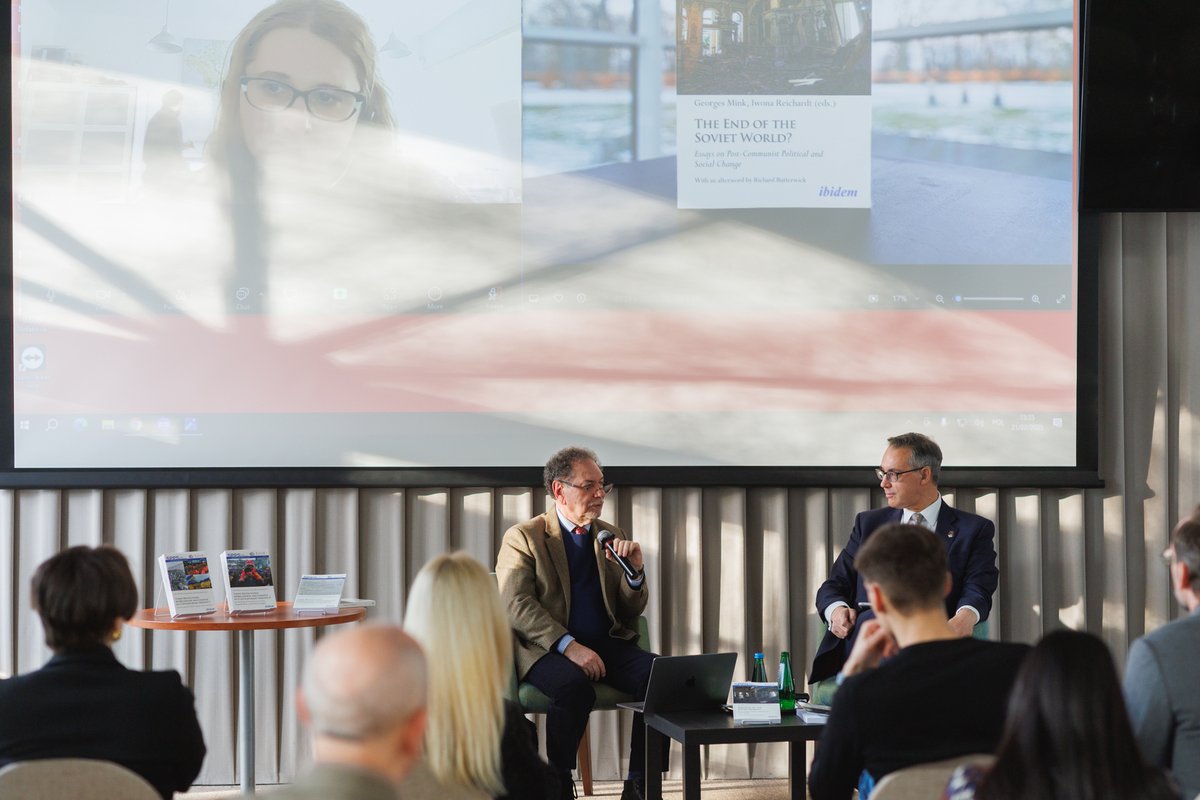
As part of our Meet the Authors series, Natolin hosted a presentation of the fourth 3R Project volume: The End of the Soviet World?. The book analyzes post-Soviet transformations, the tension between democratization and authoritarianism, and a pressing question: Had there been no pro-democratic uprisings in Ukraine and other post-Soviet states, would there also be no war today?
Contributors include: Iwona Reichardt @iwonareichardt, Georges Mink @GeorgesMink, Richard Butterwick-Pawlikowski, Marek Cichocki @mac05094096 , Kinga Anna Gajda @KingaAnnaGajda1, Magdalena Lachowicz, Wojciech Michnik @wartake77, Justyna Olędzka, Anton Saifullayeu @saifullayeu, Kacper Wańczyk @kacperen, Andrew Wilson, Kataryna Wolczuk, and Garry Kasparov @Kasparov63.
During the discussion, Prof. Georges Mink, Prof. Richard Butterwick-Pawlikowski, and Dr Iwona Reichardt examined key moments in the post-Soviet space, questioning whether the post-Soviet world is truly ending. You can access the book at the following link: https://t.co/chKpP3NirL 📚 @ibidem11
The book The End of the Soviet World? Essays on Post-Communist Political and Social Change has finally been published, featuring my article ❗️Is the Decolonization of Eastern Europe Possible? The Cases of Ukraine and Belarus❗️
👇👇👇
The book is part of the Book Series "Soviet and Post-Soviet Politics and Society" (edited by @UmlandAndreas ). Thank you for your incredible work @iwonareichardt and @GeorgesMink . The book is now available for purchase—link below 👇👇👇