Heartiest congratulations to Indian women's team for winning the Under-19 T20 World Cup second time in a row. Unbeaten throughout the tournament, these girls have demonstrated that the girls and women of Bharat are overcoming challenges and getting stronger in every field of excellence. I salute the indomitable spirit of these daughters of India who will inspire other potential sports-stars, especially girls.
David Sinclair is the #1 longevity scientist.
His message? Aging is a disease and the #1 cause of cancer, heart disease, and Alzheimer’s.
That’s why he created a protocol to reverse aging by 8–10 years.
Here’s how to apply it: 🧵
Biggest medical discoveries of the week (🧵)
1/8
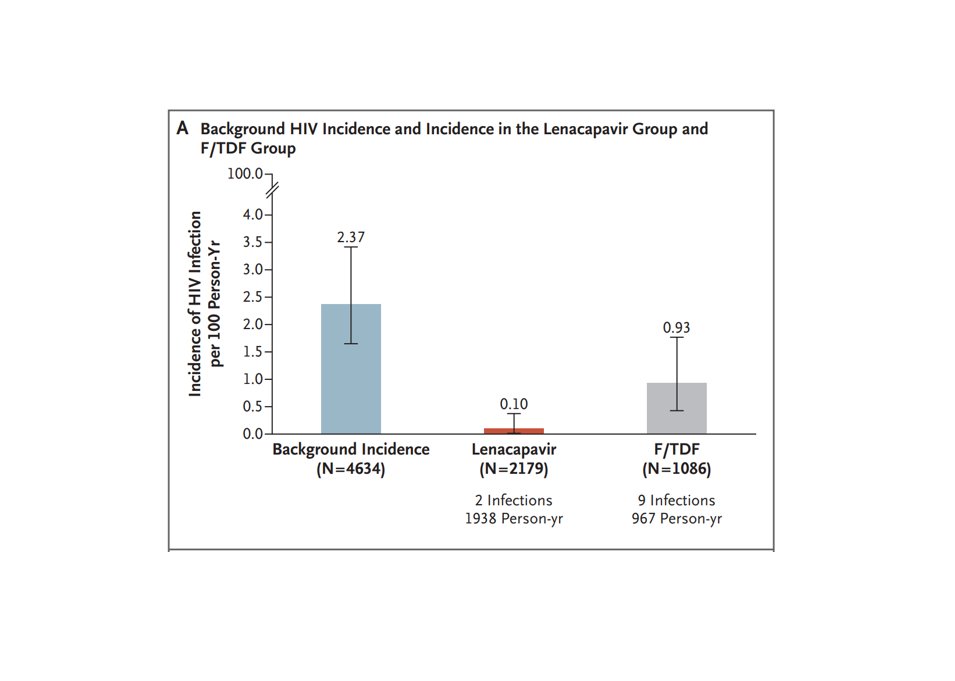
A twice-yearly prophylactic injection - Lenacapavir - is >95% effective to prevent HIV (in men - it's already proven in women!)
It's even more effective than daily pills (F/TDF), due to better adherence
https://t.co/HDEy4HO3pl
Here is the reserach by our PhD student Ms. Saileyee Roychowdhury, student of Prof. Parimal Das on Amyotrophic Lateral Sclerosis https://t.co/AM9ddaaF0L
Exercise Can Slow Brain Aging Cognitive Decline
A new study reveals that exercise can reverse aging effects in the brain by altering gene expression in microglia, the brain's immune cells.
Researchers found that exercise reverts aged microglia to a more youthful state and is essential for the formation of new neurons in the hippocampus.
Additionally, exercise reduces the presence of harmful T cells in the aging hippocampus.
These findings emphasize the importance of physical activity for preserving cognitive function during aging.
1/3
EMBO announces the launch of a pilot scheme to support Open Access #OA publication by life scientists performing their #research in #India.
https://t.co/ryECadDCzk
Growing brain cells in a dish can help researchers learn more about what goes wrong in #MND#ALS. 🧫
Researchers are now creating 3D models which more closely mimic the cells in the body.
Hear about this research from @drbenpchall ⬇️
https://t.co/ahvFJvne0z
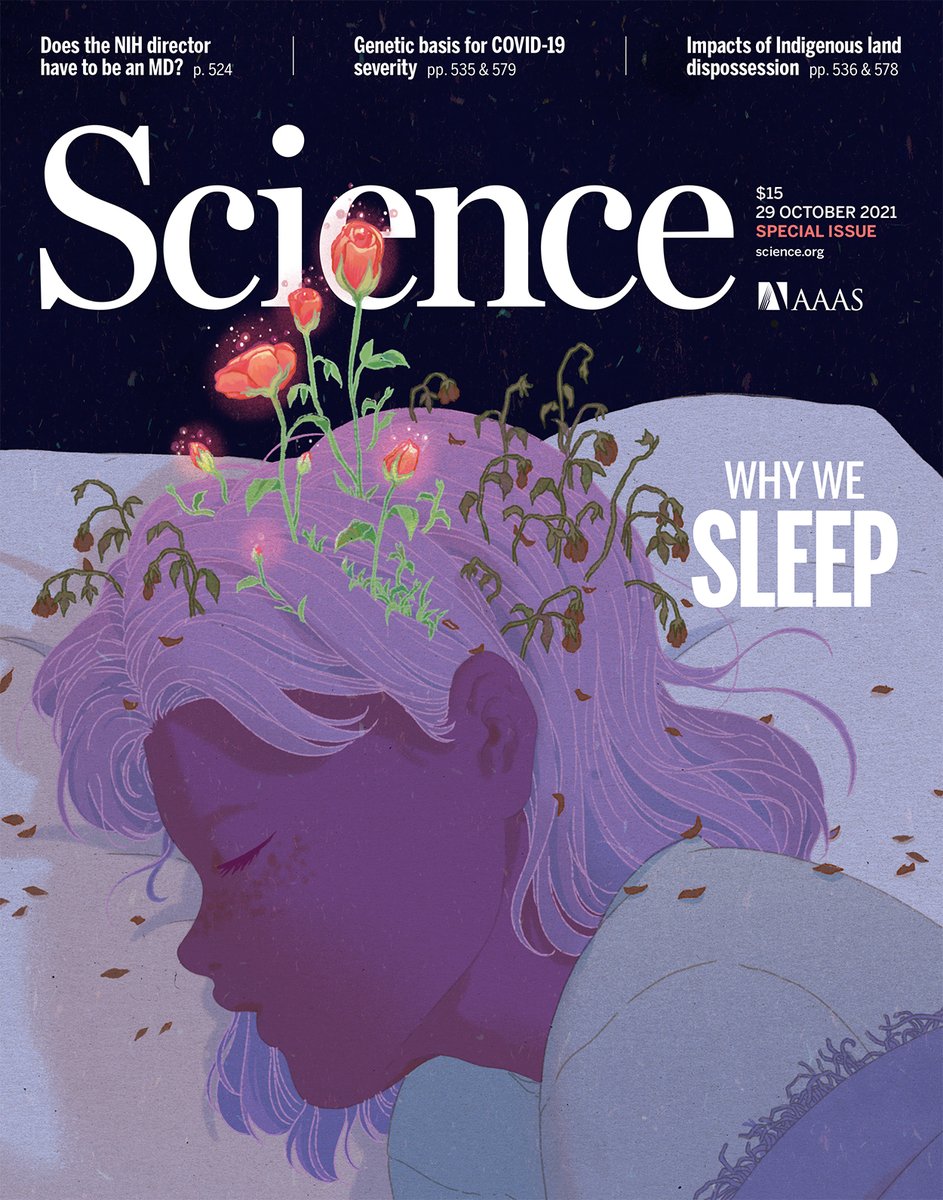
As we sleep, our bodies may be quiet and largely immobile—but our brains are highly active.
A special issue summarized recent insights into the basic mechanisms underlying sleep and the many functions our brains perform during it. https://t.co/Y0QRa5ApxF #WorldSleepDay
Yesterday a 1st year rsrch scholar was complaining that his guide threatened him of “not giving” PhD.
I don’t understand why we think that the guide “gives” PhD. It is earned, not given in charity. Due to this “Huzoor mai Baap” syndrome, we think ourselves as Demi-Gods.
Your academic CV is NOT linked to your ability to make big discoveries.
▫️
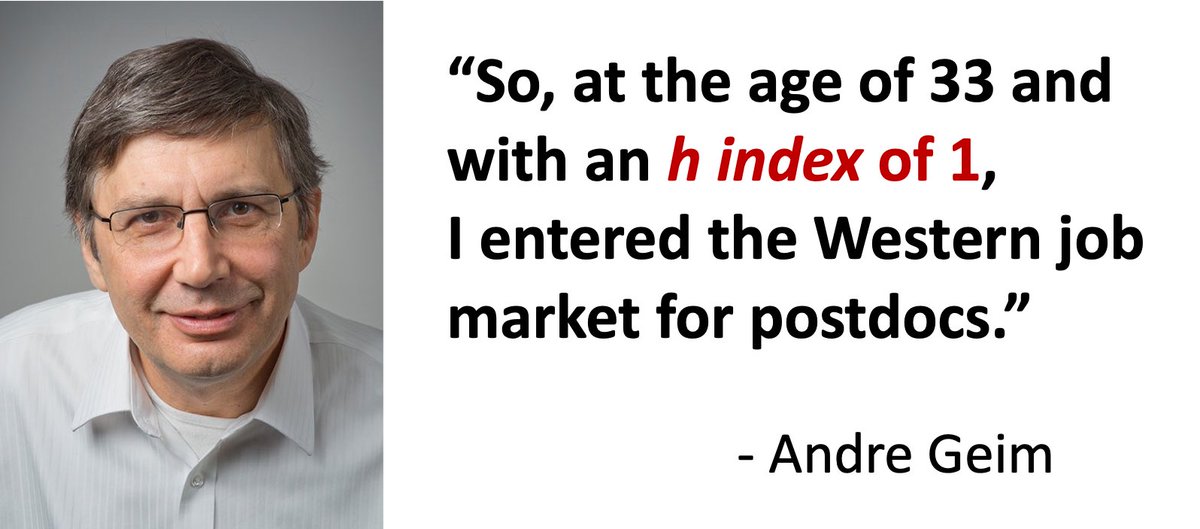
1. Andre Geim, a co-discoverer of graphene, wrote in his Nobel Lecture article:
- “So, at the age of 33 and with an h index of 1 (latest papers not yet published), I entered the Western job market for postdocs.”
2. Albert Einstein searched for a teaching position for two years. He had to accept a position at a Patent Office, where in a single year he wrote the four papers that completely revolutionized #science (the photoelectric effect, Brownian motion, special relativity, and E=mc2).
- Only few years later, he finally secured his first academic position as lecturer at the University of Bern.
▫️
Other examples include Peter Ratcliffe and Frances Arnold, who won Nobel Prizes for the discoveries they made as young PIs in newly established labs. And many others.
▫️
So, let us all keep in mind that:
1. Big discoveries are often unforeseen. They emerge from random and risky research (e.g. graphene was a tiny side project!). Make sure you have such projects in your lab.
2. Most truly impactful discoveries did not require high h-indices, excessive funding or a high-IF journal.
3. Rejection of your proposal does NOT mean it proposes bad science. Such rejections represent the opinion of one person who has a rather subjective idea of what ‘good science’ means.
4. For younger people, it’s easier to do risky research. Locking them to unnecessarily complex tenure requirements makes such discoveries unlikely.
▫️
A strong scientist is not defined by high “academic metrics”.
It is the ONE who proposes risky endeavors outside the conventional boundaries.
Who sees risk as an opportunity to make discoveries.
And who is constantly seeking out these risks in the lab.
#AcademicTwitter #AcademicChatter
Since the discovery of CRISPR-Cas systems, people have wondered if a similar type of system exists in eukaryotes. Today, we report in @Nature the characterization of Fanzor, a eukaryotic RNA-guided system that can be reprogrammed for human genome editing. https://t.co/aKLMMEBRkk
A Power Nap a Day May Keep Brain Aging at Bay
A new study reveals a fascinating link between habitual daytime napping and brain health. Could an afternoon siesta be the secret to keeping your brain young?
https://t.co/exXe5dybUe
#neuroscience
1/3
People with #ALS#MND may have symptoms unrelated to weakness or stiffness. Non-motor symptoms are well-studied in Parkinson's disease but not in ALS. Here we review what is known and what we need to learn.
Original: https://t.co/why8Fao0iP
Open access: https://t.co/r6iaW76Tu9
Meet Kris Scharoun-DeForge and Paul DeForge, an extraordinary couple with Down syndrome who celebrated their 25th wedding anniversary on August 13, 2018. Their love story is a remarkable source of inspiration, and it is a privilege to share it with our community.
Kris and Paul first crossed paths at a dance in 1988, where Kris instantly knew she had found her life partner in Paul. Reflecting on that moment, Kris recalled, "When I looked into Paul's eyes, I saw a glimpse of our future together." After five years of dating, they decided to take the next step and tie the knot. Recounting the proposal, Kris whispered in Paul's ear, "Will you marry me?" In response, Paul's face lit up with a radiant smile, and he nodded his head enthusiastically. It was in that beautiful moment that Kris knew Paul was the one for her. She shared their heartwarming story during an interview with CBS, reminiscing about how Paul's laughter and joyful spirit won her heart completely.
Tragically, Paul's life was cut short due to complications from dementia at the age of 56, less than a year after their momentous 25th anniversary. However, even as his memory faded, Paul's face would light up with joy whenever he saw his beloved wife. Kris's unwavering presence by his side provided comfort and solace during his final moments.
The remarkable journey of Kris and Paul serves as a testament to the enduring power of love, resilience, and the ability to find joy in the face of adversity. Their story continues to inspire and touch the hearts of all those who hear it.
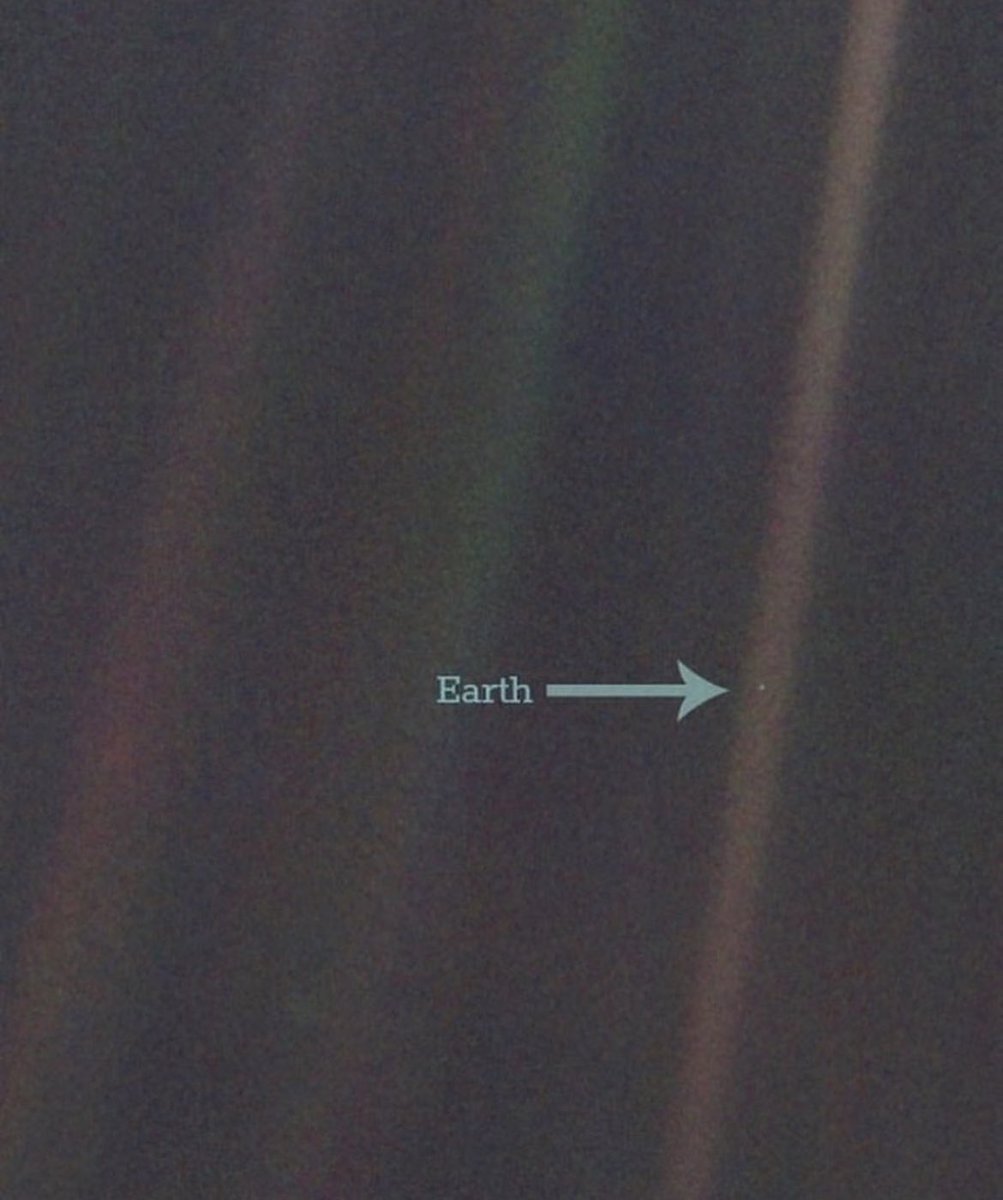
Pale Blue Dot is a photo of Earth that was taken by the Voyager 1 space probe in 1990 from a distance of about 6 billion kilometers (3.7 billion miles) as it was leaving our solar system. This is what Carl Sagan said about the photo:
"Look again at that dot. That's here. That's home. That's us. On it, everyone you love, everyone you know, everyone you ever heard of, every human being who ever was, lived out their lives. The aggregate of our joy and suffering, thousands of confident religions, ideologies, and economic doctrines, every hunter and forager, every hero and coward, every creator and destroyer of civilization, every king and peasant, every young couple in love, every mother and father, hopeful child, inventor, and explorer, every teacher of morals, every corrupt politician, every 'superstar,' every 'supreme leader,' every saint and sinner in the history of our species lived there — on a mote of dust suspended in a sunbeam.
The Earth is the only world known so far to harbor life. There is nowhere else, at least in the near future, to which our species could migrate. Visit, yes. Settle, not yet. Like it or not, for the moment the Earth is where we make our stand. It has been said that astronomy is a humbling and character-building experience. There is perhaps no better demonstration of the folly of human conceits than this distant image of our tiny world. To me, it underscores our responsibility to deal more kindly with one another, and to preserve and cherish the pale blue dot, the only home we've ever known.”