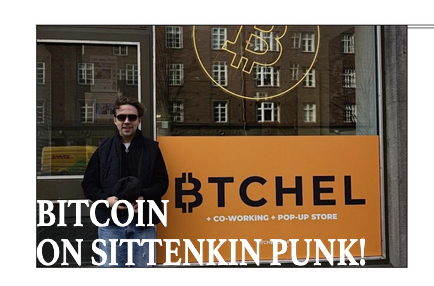
Even Jimmy Carr, a comedian known for pushing boundaries, has started talking seriously about Bitcoin. Not as a punchline, but as an example of out-of-the-box thinking.
One idea that’s quietly gaining traction is Bitcoin mining using stranded or wasted energy, power that already exists, is already paid for, but often goes unused.
In the UK, there are oil and gas reserves, wind farms along the coast, power stations running through the night, mobile phone masts operating 24/7. Much of this energy capacity sits idle at off-peak times. While many of these assets fall under the Crown rather than directly belonging to citizens, the public benefit mostly shows up via taxation.
It raises a simple question:
Why don’t governments at least explore mining Bitcoin with surplus energy, especially at night, when demand is low and generators are still online?
This isn’t about Bitcoin hype. It’s about turning wasted capacity into something productive. Bitcoin mining is flexible, location-agnostic, and can be switched on and off without impacting households or increasing energy costs.
When most public revenue still comes from taxing work, spending, and property, it seems reasonable to ask whether alternative models, especially those using existing infrastructure, deserve serious consideration.
If even a comedian is willing to think differently, perhaps policymakers should too.
#Bitcoin #EnergyInnovation #StrandedEnergy #OutOfTheBoxThinking
Arthur Hayes just dropped a new essay and his take is pretty simple:
The 4-year cycle is dead, and a new bear market is not around the corner.
Hayes says Bitcoin doesn't pump because of halvings.
It pumps when liquidity flows.
And past crashes weren’t caused by supply-demand cool-offs, they were caused by monetary tightening.
And right now, global liquidity is expanding again.
Fed is cutting interest rates. Trump wants stimulus. Japan and China are easing too.
The money is about to get cheaper and plentiful.
And that's why the real top isn't coming anytime soon.
Absolutely extraordinary exchange between Israel and China 👇 I've never seen such a heated exchange come out of top-level forum in China (this is from the 12th Beijing Xiangshan Forum that started yesterday), this normally never happens.
The guy speaking is Yan Xuetong, the dean of the Institute of International Relations at Tsinghua University, the most prestigious university in China.
Speaking for Israel is a military officer apparently called Elad Shoshan.
Yan Xuetong truly doesn't hold back:
- When the Israeli officer tries to bullshit him around how Israel supposedly protects civilians in Gaza, he replies: "You killed more than 70,000 civilians!... The fact is not decided by you... It is not decided by your government. Your government has no legitimacy or the right to decide or defend what is fact"
- And when told that the war will end when Hamas release hostages he replies: "No, this kind of propaganda have too many. No one believe it! Too many! Too much! No one believe it, except a few Israelis"
🚨NEW: Sam Altman is confronted by Tucker Carlson about the death of the OpenAI whistleblower, Suchir Balaji (WILD) 😲
Sam Altman suggests that Tucker Carlson is accusing him of murder.
"I haven't done too many interviews where I have been accused of murder."
World-renowned economist Richard Werner on where money comes from: banks just create it out of thin air, and keep a pile for themselves.
(0:00) How Werner Predicted the Japanese Financial Crisis
(14:16) How Banks Create Money From Nothing
(24:09) You’re Being Lied to About the Bank’s Role in Economics
(33:59) The Evils of the Federal Reserve
(38:51) Why Are Banks Allowed to Create Money?
(57:12) Was Leaving the Gold Standard a Mistake?
(1:09:30) The Difference Between Banks and Central Banks
(1:24:26) How Society and Culture Are Impacted by Banks
(1:33:11) Did the US Purposely Destroy the Japanese Economy?
(1:35:42) The Central Bank’s Attempt to Blacklist Werner
(1:39:03) The CIA’s Threat to Werner
(1:47:24) Why Werner’s Research on Credit Creation Scared the Central Banks
(2:03:55) The Link Between Central Banks and Warfare
(2:18:02) Where Is the US Economy Headed?
(2:29:49) The World Bank’s Debt Trap to Exploit Developing Countries
(2:35:34) The Dark Truth About Central Bank Digital Currency
(2:40:19) Where Can People Learn More About This?
Includes paid partnerships.
Mind blown 🤯
The U.S. needs buyers for short-term debt. Tether steps in, scoops up the bonds, collects the interest… and uses that yield to buy Bitcoin.
So the U.S. is issuing more debt to stay afloat, paying interest to Tether, and that interest is funding Bitcoin — its biggest monetary competitor. It’s like watching the system pay to build its own replacement.
Thanks for the chat @PrestonPysh@willywoo@efenigson and @beiwatch.
https://t.co/Yxoea7KPjr
#4 Tutkijan haastattelussa @OmniFinn eli Niko Laamanen. Hän on tehnyt valtavasti työtä uusien bitcoinereiden tiedon janon täyttämiseen Konsensus Networkin kirjajulkaisujen avulla. Nikoa on pakko kehua tästä omistautumisesta - jonkun on tehtävä latu, mitä muut voivat kulkea. Niko on siis kunnon bitcoineri, jonka ajatuksia kannattaa kuunnella. Mennään pidemmittä puheitta kyssäreiden pariin:
1.Kerro kuka olet?
Konsensus Networkin Niko. Insinööri, varjossa viihtyvä kustantaja, vapaan elämän rakennesuunnittelija. Perustin Konsensus Networkin, koska halusin lisätä itselleni tärkeiden teosten saavutettavuutta; jokaisen omalla äidinkielellä. Vedin itseni kerran piippuun tekemällä “oikeita töitä” ja annoin kaiken mennä. Siitä syntyi jotain parempaa: elämä, jota ei enää ohjaa kenenkään muun aikataulu ja jossa en ota enää käskyjä vastaan.
2.Kerro kolme asiaa, mitä muut bitcoinerit eivät sinusta vielä tiedä.
1.Katsoin Kill Bill Vol. 2 VHS:ltä ennen kuin se tuli teattereihin.
2.Vuonna 2019 tein videon siitä, kun euron juusto nousi 1,10 euroon. Nyt se on 2,50 €. Silloin minulle naurettiin ja nyt nauru on lakannut.
3.Menolippu Siperiaan vapautti minut orjan kaavuista ja synnyin uudelleen vapausmaksimalistiksi.
3.Millainen on tavallinen arkipäiväsi?
Ei ole sellaista. Ja hyvä niin. Aamulla saatan tarkistaa painetun kirjan vedokset Aasiassa, iltapäivällä vastata käännöstiimille Etelä-Amerikassa ja illalla koordinoida tulevaa tapahtumaa Suomessa. Väliin mahtuu aina silloin tällöin kävely ilman puhelinta. Olen aina töissä enkä koskaan. Kaikki liittyy kaikkeen.
4.Miten ja milloin kuulit ensimmäisen kerran Bitcoinista?
Ensimmäisen kerran kuulin bitcoinista vuosia ennen kuin tajusin mitä se oikeasti on, eli rahaa.
5.Mikä sai sinut innostumaan Bitcoinista – oliko se teknologia, talous, ideologia vai jotain muuta?
Ihan aluksi kiinnostuin siitä p2p softana tyyliin napster ja torrent. Vasta kun käytin ensimmäisen kerran bitcoinia ostoksiin ja myöhemmin katsoin niitä hiluja mitä lompsan pohjalle oli jäänyt, huomasin että niillä hiluilla ostikin enemmän kuin mitä alunperin olin käyttänyt. Silloin tajusin että bitcoin ratkaisee säästämisen ongelman koska sen ostovoima nousee ajan kuluessa. Toki tämän tajuamiseen meni muutama vuosi ensikokemuksesta.
6. Mitä neuvoja antaisit ihmiselle, joka harkitsee Bitcoiniin tutustumista ensimmäistä kertaa?
Älä usko ketään mutta kuuntele kaikkia, erityisesti heitä, jotka eivät yritä myydä sinulle mitään. Muodosta oma mielipide, investoi aikaasi bitcoinin ymmärtämiseen. Ja ennen kuin ostat yhtään satoshia – mieti tarvitseeko bitcoin sinua, vai sinä bitcoinia? Tavoitteletko hätäisiä eurovoittoja vai haetko säästöillesi suojaa?
7. Mikä on paras kirja, jonka olet lukenut bitcoiniin liittyen ja miksi?
Cryptoeconomics, Erik Voskuil. Ei mitenkään helppo opus, mutta täysin ohittamaton selittämään bitcoinin perusaksioomia ilman biaksia ja tyhjää NGU-tsemppihenkeä. Jos haluat ymmärtää miksi bitcoin ei mene pois, tämä kirja selittää sen lähes täydellisesti.
8. Oletko ikinä käyttänyt Bitcoinia maksamiseen ja jos olet niin mihin?
Jatkuvasti. Kirjoja https://t.co/2lcFl5rFoG, lautapelin blockhunters geyser fundista, salamapitkoautomaatin btcpraguen markkinoilta, kahvia, olutta, kebabia, monia palveluita. Minulle bitcoin on jo rahaa enkä näe mitään syytä olla käyttämättä sitä koska se on jokaisella tavalla suvereeni euroihin verrattuna.
9. Millainen olet sijoittajana?
Tylsä ja yksipuolinen: sijoitan vain itseeni.
10. Millainen sijoitushistoriasi on?
Ennen bitcoinia en ollut lainkaan kiinnostunut sijoittamisesta. Olin fiat-lammas. Vasta bitcoinin myötä aloin miettiä jokaista ostopäätöstä sijoituksena ja aloin laskea kuinka paljon arvoa saavutan hankkimalla kyseisen asian versus että säästäisin pitkoja myöhemmälle. Enemmän tulee nykyään säästettyä koska bitcoin tekee sen mahdolliseksi.
11. Kertoisitko mitä Konsensus tekee ja miten päädyit mukaan toimintaan?
Konsensus Network julkaisee kirjoja, jotka jäävät maailmaan. Me emme tuot trendejä vaan toimimme meille kiinnostavien ja tärkeiden maailmankuvien ja filosofioiden äänitorvena. Julkaisemme mielellämme tulkintoja ja uusia versioita vapauden sanomasta. Tavoitteenani on rakentaa ikivihreä vapauskorjasto, joka laajenee ja palvelee ihmiskuntaa vielä kauan sen jälkeen kun minusta puskee horsma.
12. Miten näät nykyään bitcoinin ja mitä kertoisit siitä jollekin joka ei tiedä siitä mitään?
Bitcoin ei ole sovellus tai ”äppi.” Se on kieli, jolla voi viestiä tokenisoitu arvoa viestintäverkkojen kautta. Siis digitaalista käteistä. Se ei pyydä lupaa, eikä pyytele anteeksi. Mutta se pitää kaikille käyttäjilleen samat säännöt, mikä on enemmän kuin mitä voi sanoa mistään pankkijärjestelmän valuutasta tuottamasta. Tiedättehän Cantillion-vaikutuksen? Siis sen kun keskuspankkiirinpainaa valuuttaa omiin ja kavereidensa taskuihin täydellä päivän arvolla ja me loppukäyttäjät saamme kärsiä jatkuvasta hintojen noususta ja tuotteiden laadun heikkenemisestä (inflaatio ja shrinkflaatio)
13. Millaisena näät bitcoinin tilanteen Suomessa niin yrityksien kuin päättäjienkin näkökulmasta?
Yritykset ovat hitaasti heräämässä, mutta liian moni odottaa “selkeitä sääntöjä” – vähän kuin odottaisi nuotiolupaa metsän reunaan. Päättäjät taas lähestyvät asiaa lainsäädännön kautta, ymmärtämättä, että heitä ei ole kutsuttu neuvottelupöytään. Itseasiassa mitään neuvottelupöytää ei edes ole. Jokainen hankkii bitcoinia ansaitsemaansa hintaan.
14. Jos voisit palata ajassa taaksepäin, mitä neuvoisit nuoremmalle itsellesi?
“Älä odota lupaa elää omalla tavallasi.” Kaikki tärkeät liikkeet alkavat ennen kuin on selvää, mikä ”oikea” liike on. Älä siis usko TA-lehtien lukijoita, sillä he eivät tiedä mitään vaan arvaavat (osa menestyksekkäästi) oikein 51% ajasta ja he tekevät sitä päivätyönään.
15. Missä näet itsesi viiden vuoden päästä, ja mikä on suurin unelmasi?
Viiden vuoden päästä haluan, että maailma toimii paremmin ja ilman minua. Unelmani on julkaista kirjoja, jotka jäävät eloon vielä senkin jälkeen kun minä olen siirtynyt muiden asioiden pariin.
16. Missä on bitcoinin hinta vuoden lopussa ja 2030?
Vuoden lopussa ehkä 75 000, ehkä 25 000, ehkä 200k, kuka tietää. Mutta 2030? Silloin en usko että eurohinta kertoo enää juuri mitään bitcoinin ostovoimasta. Uskon että seuraavan vuosikymmenen aikana volatiliteettiaalto laskee ja selviää ketkä ovat olleet uimasilla vailla uikkareita.
17. Muuttuisiko elämäsi, jos bitcoinin hinta ylittäisi miljoonan ja mitä tekisit?
Ei merkittävästi. Rahan määrällä on vähemmän väliä kuin vapaudella. Vapaaksi voi kuka vain ryhtyä vaikka pitkosaldo olisi nolla. Niin minäkin tein. Jos et voi olla vapaa köyhänä, mikään määrä rahaa ei tule sitä muuttamaan.
18. Mistä haluat kiittää suomalaista bitcoin-yhteisöä?
Siitä, että se on jaksanut tehdä, vaikka ei ole saanut siitä mainetta, kunniaa tai rahaa. Ja siitä, että se on rakentanut enemmän kuin on höpöttänyt.
Tutkijan loppusanat:
Kiitän Nikoa haastattelusta ja erityisesti minun vision luottamiseen. Koko tämä minun X kirjoittaminen lähti ajatuksesta lukea kaikki bitcoin-kirjat sekä kirjoitella niistä ja Niko oli valmis auttamaan tässä lähettämällä minulle nämä kaikki kirjat❤️ Toivonkin, että jos vähänkään mietitte bitcoin-kirjojen hankkimista, niin menkää https://t.co/2kJneXguKX tukemaan Nikon toimintaa.
Koodilla Bitcointutkija -10% kaikista kirjoista!
Seuraava haastateltavaa saa ehdotella kommenteissa tägäämällä, mutta haastattelut vievät aina jonkin verran aikaa, joten näitä tulee säännöllisen satunnaisesti. Laittakaa tili seurantaan ja tykätkää, jos tälläinen sisältö kiinnostaa❤️
Hyvää loppu viikkoa kaikille!🍊
#tutkijahaastattelee #bitcoin
Unpopular opinion:
Crypto died in 2021 and we have been trading the corpse ever since.
There are no more pigs left to slaughter since everyone became aware that crypto as a whole is a scam.
The belief system that made this industry work has completely collapsed.
At least in 2017 people actually believed in those crazy ICOs or whenever a new chain would come out.
There was genuine excitement, real conviction behind every project.
Nowadays it's like: "Oh a new chain? Wow another VC backed scam to dump on retail."
The shift happened fast and it's permanent.
Nobody believes in anything anymore, I respect the SPX6900 community for trying to change that but sadly they have failed.
Crypto topped in 2021. Everyone I know peaked their NW then and since then it has been down only with no exceptions.
Most of you just aren't willing to admit to it, respect to gainzy for actually doing so.
Look at Su Zhu, he peaked at billions in 2021 but could barely make $40m this cycle.
People think pump fun is extractive but they have only managed to extract $700m this cycle.
Those are rookie numbers if you compare it to OpenSea in 2021 who extracted BILLIONS.
We have gone from a gold rush to fighting over scraps, the only winners were VCs and exchange founders.
Crypto can be compared to the Japanese stock market in the 1980s. Yes there's an ever expanding money supply globally, but it doesn't necessarily have to trickle down to crypto.
When there is an aging population, like there is now in crypto, that doesn't result in more buyers.
In fact, anyone who would have bought into crypto already has and lost all their money.
There are simply no new buyers and it makes sense, who keeps returning to the same casino that makes them lose every single time?
You need a few big wins occasionally to keep going, but what we have now are just people consistently losing.
Bitcoin is the only exception and will survive since alts/BTC is perma down only and won't reverse anytime soon. Even Vitalik knows Ethereum is cooked.
I guess everyone knew that BTC maxis were right but our thesis was that we could gamble and outperform BTC with alts.
We were wrong.
Crypto is dead as an industry, pack it up if you're trying to make money here. Extract whatever you can and leave.
Luckily if you accumulated skills in crypto like running a start-up, you can apply that to other industries like AI easily.
The entrepreneurial experience transfers, even if the money doesn't.
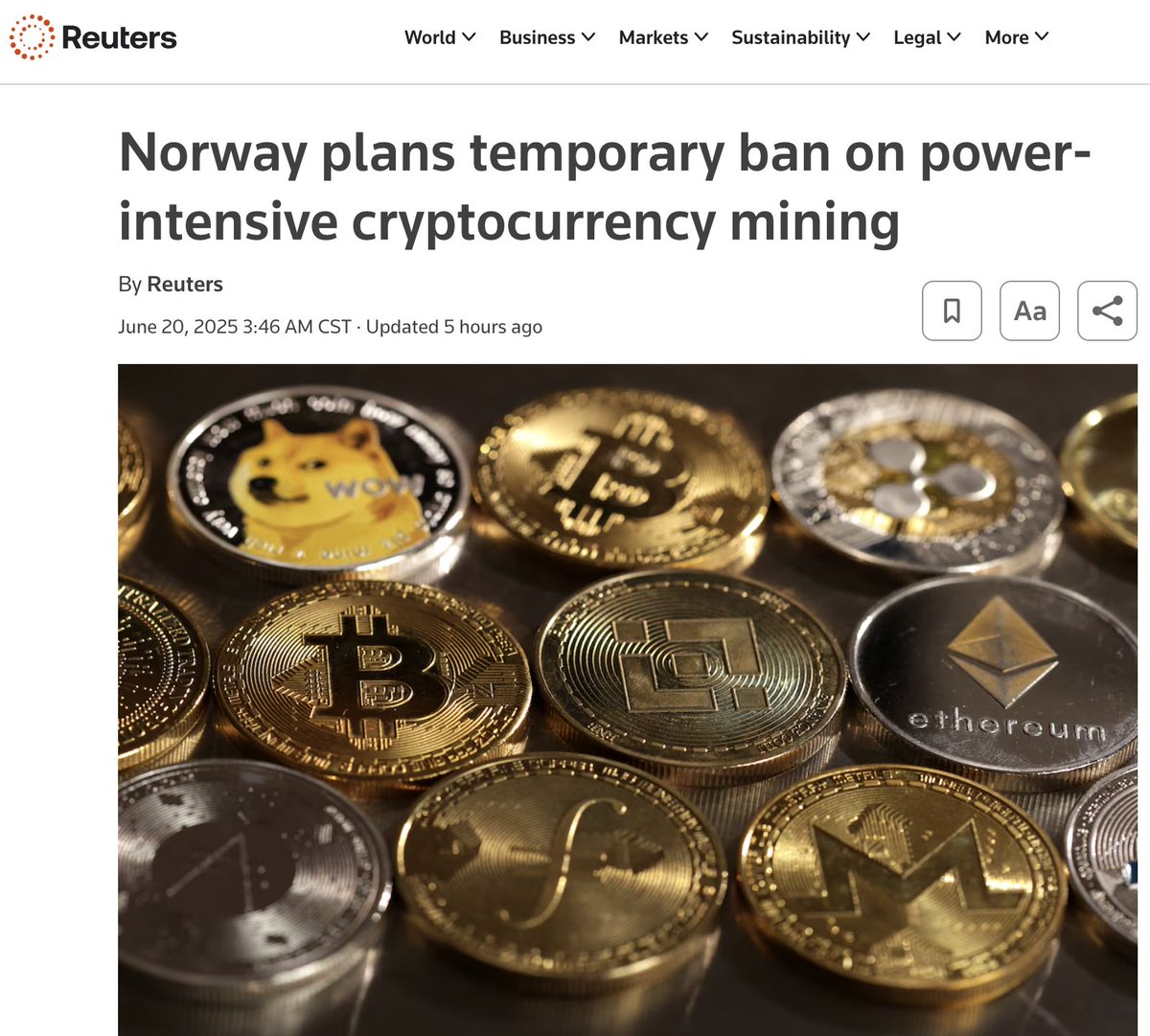
JUST IN: Norway plans temporary Bitcoin mining ban
Let's take a look at what this means for Norway =
Firstly, here is the government's stated reason for the temporary ban:
"Cryptocurrency mining is very power-intensive and generates little in the way of jobs and income for the local community."
~Karianne Tung, Minister for Digitalization
But we already know that the first part of the statement is misleading, and the second part is false.
In terms of power use, in places like Norway, where hydropower dominates the energy mix, Bitcoin miners have become key players in balancing supply and demand, ensuring that renewable energy remains profitable and scalable.
Much of the power that Bitcoin mining draws is hydropower that would otherwise have been wasted.
source: https://t.co/LDqC5lMTe6
Bitcoin miners in Norway are currently rewarded by the Norwegian govt for reducing CO2 because the heat they produce obviates the need for gas heating. Norway’s temporary ban removes a technology solution that Norway has recognized as decarbonizing ! source: source:
https://t.co/VQwcBuQstA
In terms of community benefit: this statement is not misleading, it is false
Firstly:
It keeps power prices low for the community. Norway discovered this the hard way when electricity prices rose 20% after Bitcoin mining was banned in one region of Norway
source: https://t.co/TUxFhi64Go
Second:
Bitcoin mining has been shown to be a technology that can help Norway, who import 70% of their food, to greater food independence - a considerable community benefit
source: https://t.co/O9ZddSJr8t
Third:
Aside from the community benefit of making energy more affordable and helping communities decarbonize, Bitcoin has been found to have considerable community benefits, both in independent reports just as this one which showed the community benefits of Bitcoin in US included creating 31,000 jobs, stabilizing electric grids due to their flexible power needs, and investing into their local communities
In real life case studies, these benefits include
employing locals, educating the workforce and even pushing down property taxes
source: https://t.co/CYOEzve3VE
Local mayor Ward Roddam called Bitcoin mining companies "deeply invested in the communities where they work" citing numerous specific examples of where they'd uplifted his local community.
source: https://t.co/byNVAcWMMK
So will Norway's temporary ban "help" the country? It depends on your definition of help. It will help Norway to maintain more fossil fuel based heat, waste a higher proportion of renewable energy, keep power prices high, while removing an important grid stabilization option.
This is not conjecture. It is what the data is telling us. This is why 16 countries who initially banned Bitcoin have now unbanned it after discovering the negative impact that the ban had
source: https://t.co/89lLmV09HH
As we can see from the charts in the link above, as the rest of the world is gravitating towards embracing Bitcoin mining as a grid stabilization tool, essential to maintaining energy security, energy stability and decarbonization goals - Norway's government's actions move them in the opposite direction.
Good luck Norway!
Kansallisvaltioita ei enää tarvita.
⚡️🚀
Tämä klippi on ajankohtaisempi nyt kuin koskaan aiemmin.
@KonsensusFI muuten julkaisee The Sovereign Individual -kirjan suomennoksen ensi vuonna. Kirja käsittelee kansallisvaltion roolin murentumista ja omavaraisen yksilön nousua.
“Instead of only buying BTC , you should buy a diversified portfolio of teeth, wine, olive oil, dog, chair, banana, lumber, jpegs, and tungsten cubes.”
Few understand the absolute nonsense Bitcoin maxis have had to endure, they were not born toxic.
Bitcoin is the first new macro asset to be birthed, trading at scale, in 150 years.
I was chatting to a global macro fund this week, the concensus was most people just don't realise how big of a deal this is. It's about to get MUCH BIGGER.