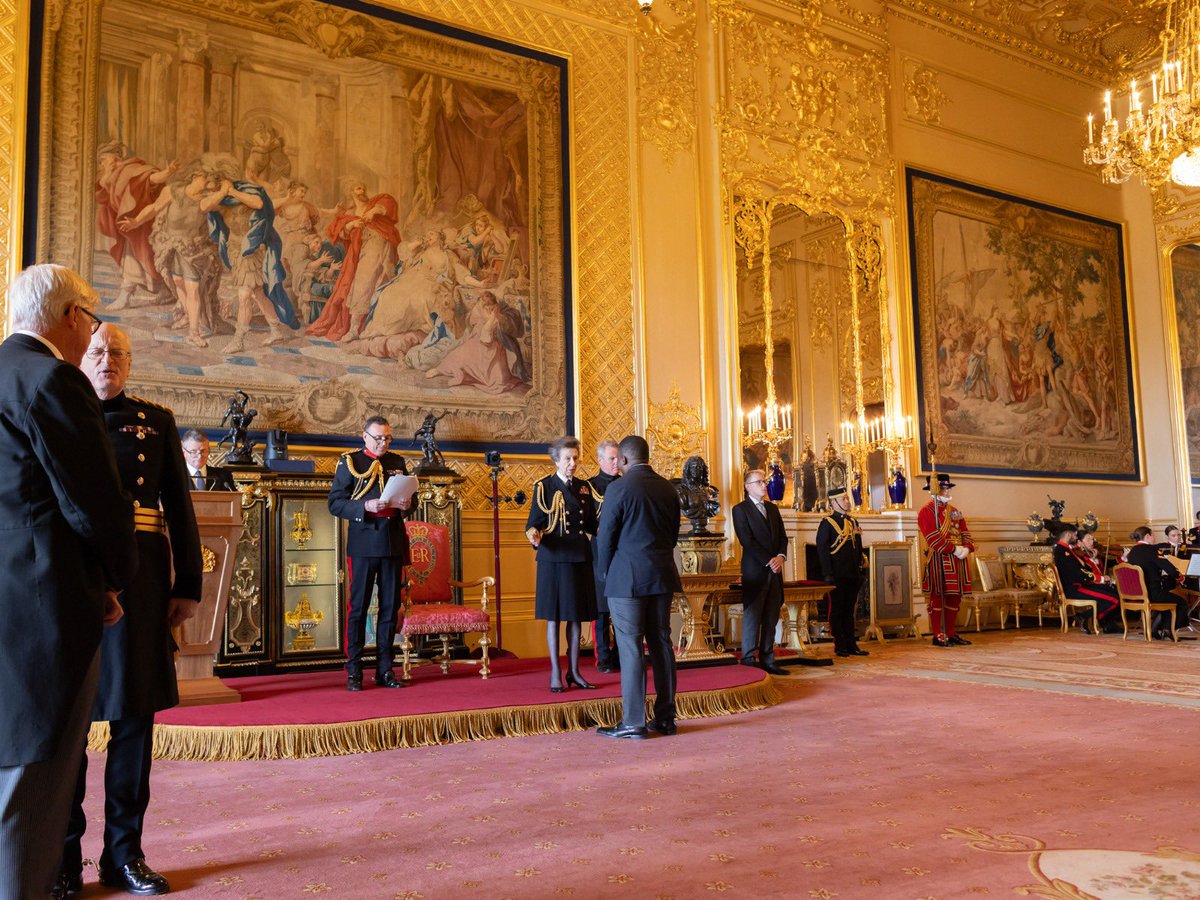
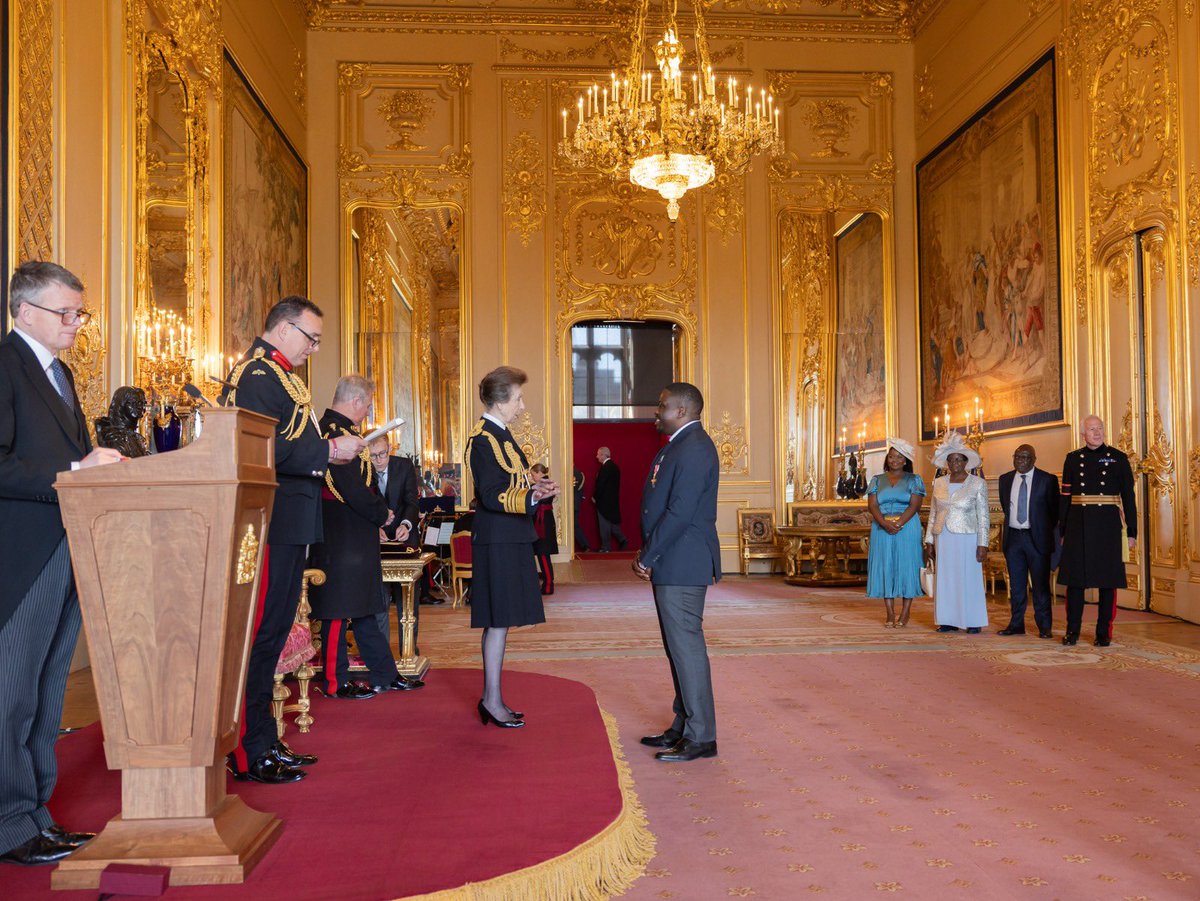
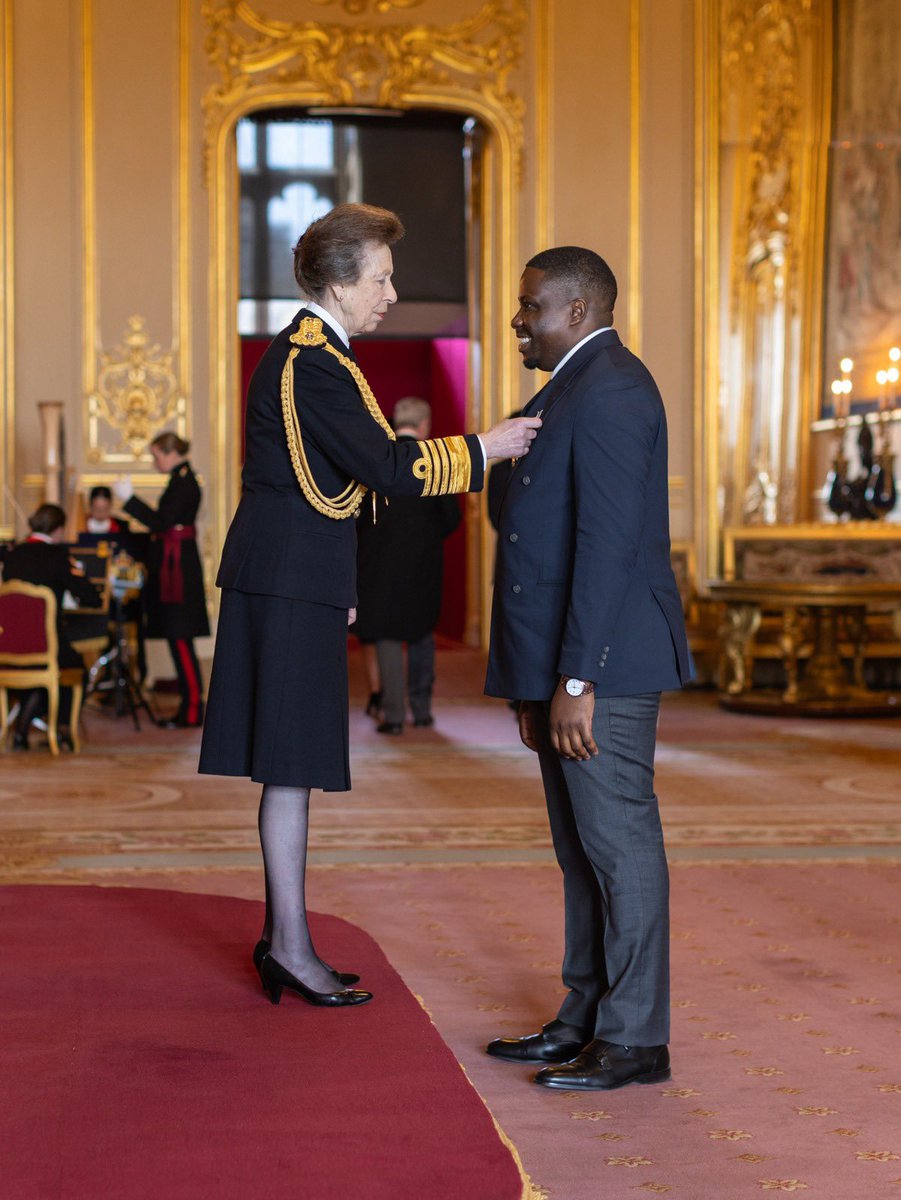
I will be a Keynote Speaker at the 𝐆𝐥𝐨𝐛𝐚𝐥 𝐒𝐮𝐩𝐩𝐥𝐲 𝐂𝐡𝐚𝐢𝐧 & 𝐏𝐫𝐨𝐜𝐮𝐫𝐞𝐦𝐞𝐧𝐭 𝐓𝐫𝐚𝐧𝐬𝐟𝐨𝐫𝐦𝐚𝐭𝐢𝐨𝐧 𝟐𝟎𝟐𝟐 Conference. Utilizing #PredictiveData Analytics to Reduce the Cost of #WorkingCapital & Dealing with Uncertain Demand https://t.co/kORVg2DxTZ
Imprisonment is both purification and pruning time ; purification because of involuntary celibacy and unceasing prayer & communion with God and pruning because genuine and fearless friends and relatives stand out . Spiritual growth & purpose reset time .
This is exactly how I work out my offer on a BRRR deal in Greater Manchester using a social housing contract to lock in long-term cash flow.
Join my next FREE online property training through the link in my bio.
#BRRR#SocialHousing#PropertyInvestingUK#GreaterManchester
The Vhangona are regarded as the original people of Venda who inhabited the Soutpansberg and surrounding Limpopo region long before the rise of the Venda kingdom most people know today.
The political picture changed when the Singo (Vhasenzi) migrated south from the Great Zimbabwe/Rozvi cultural sphere, roughly under leaders in the Dimbanyika and later Thohoyandou line. Through a mix of conquest, intermarriage, and absorption, the Singo established the centralised Venda kingship that became dominant, and much Vhangona political authority was displaced or absorbed. The interesting part is that the Singo could not displace the Vhangona ritually. Even the Karangas go to the Vhangona for regional rituals. The Vhangona retained their status as vhanevhashango, “owners of the land,” and Singo rulers depended on Vhangona ritual specialists for rain-making, land-cleansing, and installation rites. So spiritual sovereignty stayed with the original people even as political sovereignty passed to the newcomers.
Today, Vhangona identity is a live issue. Houses such as Raphulu and others trace direct Vhangona descent, and the Vhangona Cultural Movement has pressed for separate recognition of Vhangona kingship distinct from the Singo-derived Thohoyandou/Mphephu line and interestingly including through the Nhlapo Commission and subsequent litigation around traditional leadership in South Africa. It is a fascinating and important case of a pre-existing people whose ritual primacy outlasted their political defeat, and whose descendants are now calling for recognition!
There is a real ancestral connection between Karangas and Vendas though they’re distinct peoples today. The founding Singo dynasty of the Venda kingdom is traditionally traced back to the Karanga/Rozvi of the Zimbabwe plateau, who crossed the Limpopo to establish the Venda state under Thohoyandou (Sororenzou in Karanga). This is why Venda oral traditions, royal praise poetry (chidawo) show strong Karanga influence, and why Tshivenda contains a notable layer of Shona-derived vocabulary even though linguists classify it as a separate branch.
Both groups also sit within the same broader civilisational arc (Mapungubwe, Great Zimbabwe, Mutapa, and Rozvi) with populations, ideas, and ruling lineages moving across the Limpopo in both directions over centuries. The Karangas and Vendas have shared roots, overlapping histories, but they crystallised into distinct ethnic and linguistic identities, with the Venda absorbing significant pre-existing populations (including Sotho and earlier groups) on the southern side of the river.
My name is sister Joy and I am a qualified theologian.
My mission online is to help people grow through spiritual intelligence, soul healing and practical wisdom for everyday life.
Sister Joy also offers 1:1 consultation and private mentorship programs; to book your session you can click the link below👇🏾
@KruLineage@Rakgadi_EM The Tsonga traditionally lived along the coastal belt of southern Mozambique, including areas around Delagoa Bay (modern Maputo) and stretching northwards along the Indian Ocean coast.