BREAKING:
🇨🇦🇮🇱 Tim Hortons app sends sensitive user data to Forter, an Israeli cyber-tech company, following a CBC report on the app tracking consumers’ locations.
Canadian advocacy group CJPME identified Israeli company Forter as the recipient of sensitive data collected by the Tim Hortons app.
The findings follow a CBC Marketplace investigation that found the app tracked device identifiers, sensors, camera details, and nearby Wi-Fi networks to estimate users’ locations.
Forter is an Israeli fraud-prevention company founded in 2013 by former members of Unit 8200, Israel’s military intelligence unit. It uses AI to detect fraud and reportedly processes over $1 trillion in digital commerce.
New @cbcmarketplace show reveals Israel spying on Canadians' data through @TimHortons app. A data trace revealed that when Canadians use the Tim's app, data is sent overseas to Israel to track user phone preferences.
Full episode: https://t.co/5ZcSrriO37
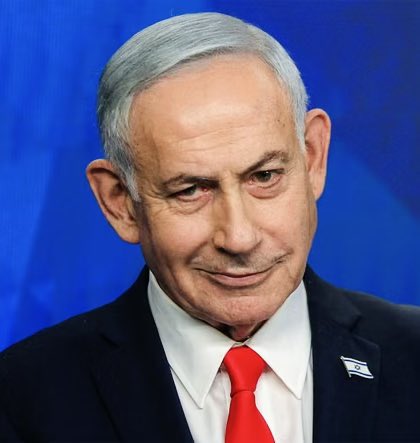
Under pressure from Israeli prime minister Benjamin Netanyahu, the Trump administration may be within days of launching a nuclear strike on Iran. The target would be Pickax Mountain in central Iran, where Israeli intelligence claims the Iranian government has restarted its nuclear enrichment program. No conventional weapon in the American arsenal can penetrate 300 feet of solid granite to destroy the tunnels where enrichment is supposedly taking place. The only military option is a nuclear strike. Netanyahu has been pushing hard for one. “Bibi calls Trump about it every day,” says an informed observer.
Netanyahu is cornered and desperate. After last week’s election results, he can’t form a government unless Trump intervenes directly in Israeli politics and brokers a deal with other parties that gives Netanyahu 61 seats in the Knesset. Otherwise, he is out as prime minister and on his way to ignominy, investigations and possibly jail. Netanyahu must stay close to Trump. He needs this war.
To that end, he’s applied maximum pressure to his closest allies in the administration, including Secretary of Defense Pete Hegseth and CENTCOM commander Brad Cooper. Both oppose a negotiated settlement to the war they’ve so grievously mismanaged; both are pushing to restart major combat operations. Secretary of State Marco Rubio and CIA director John Ratcliffe are also following Netanyahu’s lead, as are leaders of the Democratic Party. In a recent meeting on the subject, former president Barack Obama said he opposes the current Iran peace deal being drafted in Doha.
The rest of America’s longtime allies in the Middle East are terrified by the prospect of more war. On September 27th, Netanyahu flew secretly to Abu Dhabi to enlist the UAE in his lobbying effort for a final attack on Iran. The Emiratis refused. After eight months of conflict, Gulf economies are teetering. So are global energy and fertilizer markets. They won’t recover soon. Globally, there are a total of about 850 supertankers used to transport oil from producers to the rest of the world. In October alone, 11 of them were badly damaged in Hormuz. At this pace, a global depression is imminent. A nuclear strike would radically accelerate the destruction. Fallout from a ground explosion at Pickax Mountain would contaminate the Persian Gulf, poisoning the water supply for 100 million people.
And those are just some of the immediate consequences for the region. The rest of the world is every bit as exposed. No country other than the United States has ever used a nuclear weapon in war. Some would like to. An American nuclear attack on Iran would set a new precedent. The Russians have already told at least two other governments that an American nuclear strike on Iran would free them to use nuclear weapons against Ukraine. Pakistan and India would be tempted to do the same against each other, as would North Korea against Seoul. After the first nuclear strike, World War Three is inevitable. That war would be short and final.
We’ve been sleepwalking toward this moment for months. Since February, the administration has quietly rewritten America’s nuclear doctrine to make first use of so-called “battlefield nukes” easier and therefore more likely. No one in Washington in either party seems bothered by this. Now we’re on the brink of it.
Close observers say Trump is likely to decide by next weekend whether or not to use nuclear weapons. That would be November 7, six days from now. To his credit, he’s hesitating. At the moment, Trump is listening to his vice president, JD Vance, and to his envoy and friend Steve Witkoff, both of whom argue a deal with Iran can be made.
They’re right, though it won’t be simple. The Iranians are famously frustrating to negotiate with under any circumstances, and elements of that government have become more radical since Ayatollah Ali Khamenei and his family were killed in February. After decades of isolation, even relatively moderate Iranian leaders seem confused by how decisions are made in the West. (There is a widespread belief in Tehran, for example, that the United States government controls Israel.) But overall, people who have spoken to decision-makers in Iran say there is consensus there that more war is bad for everyone and a deal is worth making.
One group that hasn’t been consulted so far is the global population — the hundreds of millions of people who will be killed along with their children if Trump is pushed by Netanyahu into launching a nuclear strike next week. Now would be the time for them to speak up.
I assumed it was made up. It's not.
Apple Maps has reinstated old imagery of Gaza.
So all the buildings still exist.
The left is Apple and the right is Google of Rafah, a city that is entirely "erased" by the IOF.
What stage of propaganda for Israel is this?
One nuclear bomb, followed by others, will destroy most of the world. The Americans have a chance to stop this before it's too late. Say no to Israel for once for the sake of humanity.