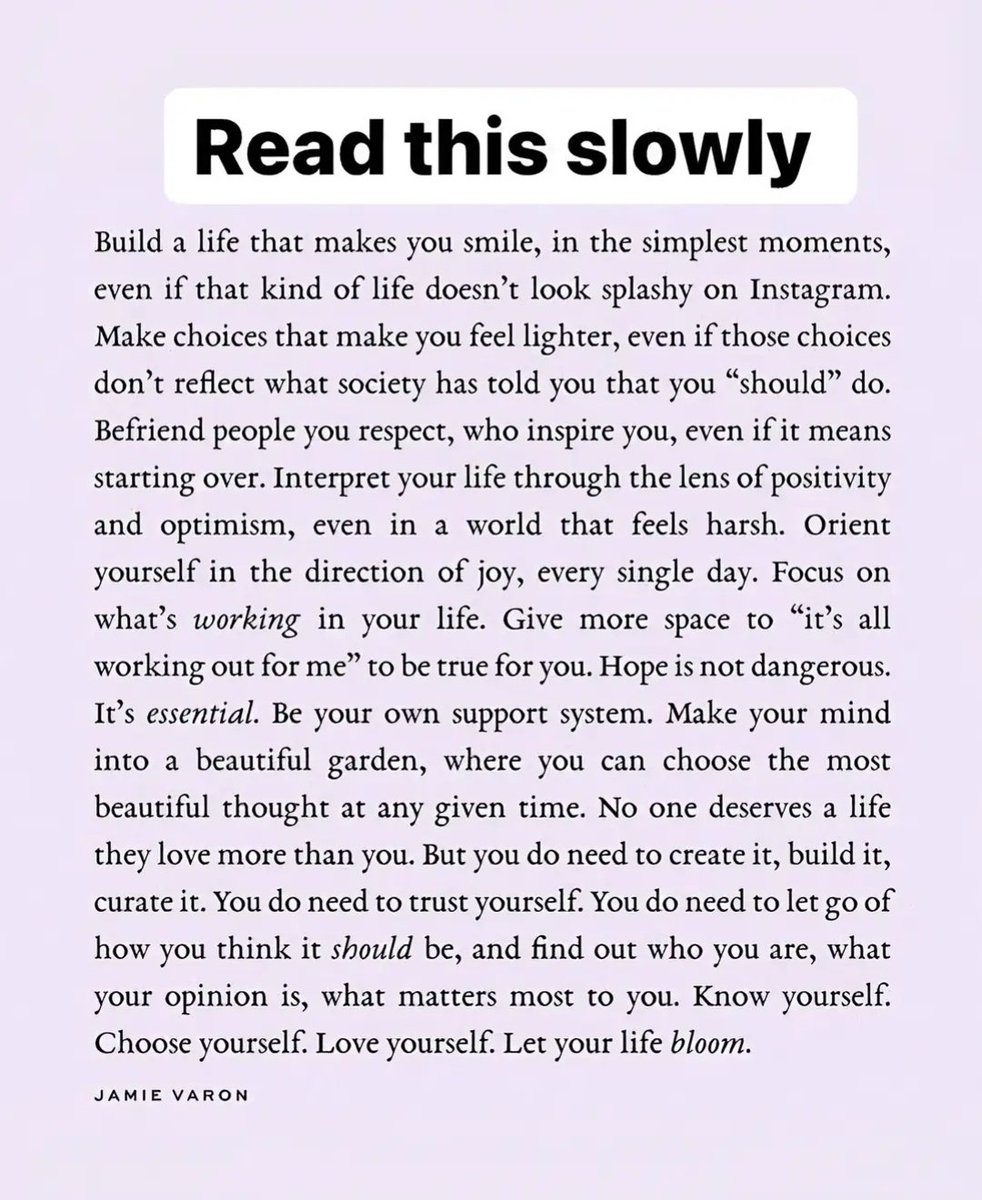
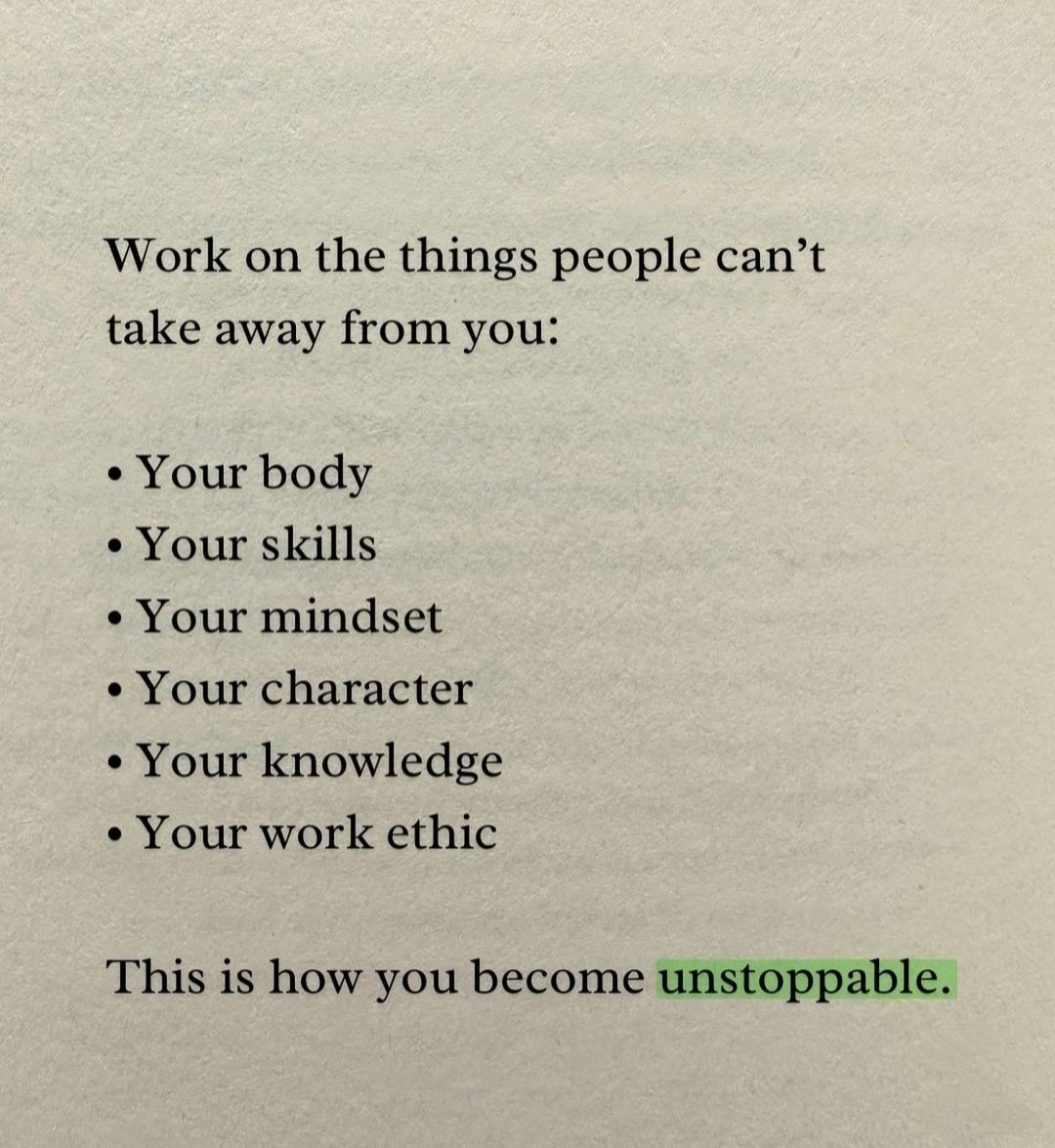
There is no greater form of intimacy. This entire world is a construct of the human mind. Make it magical!
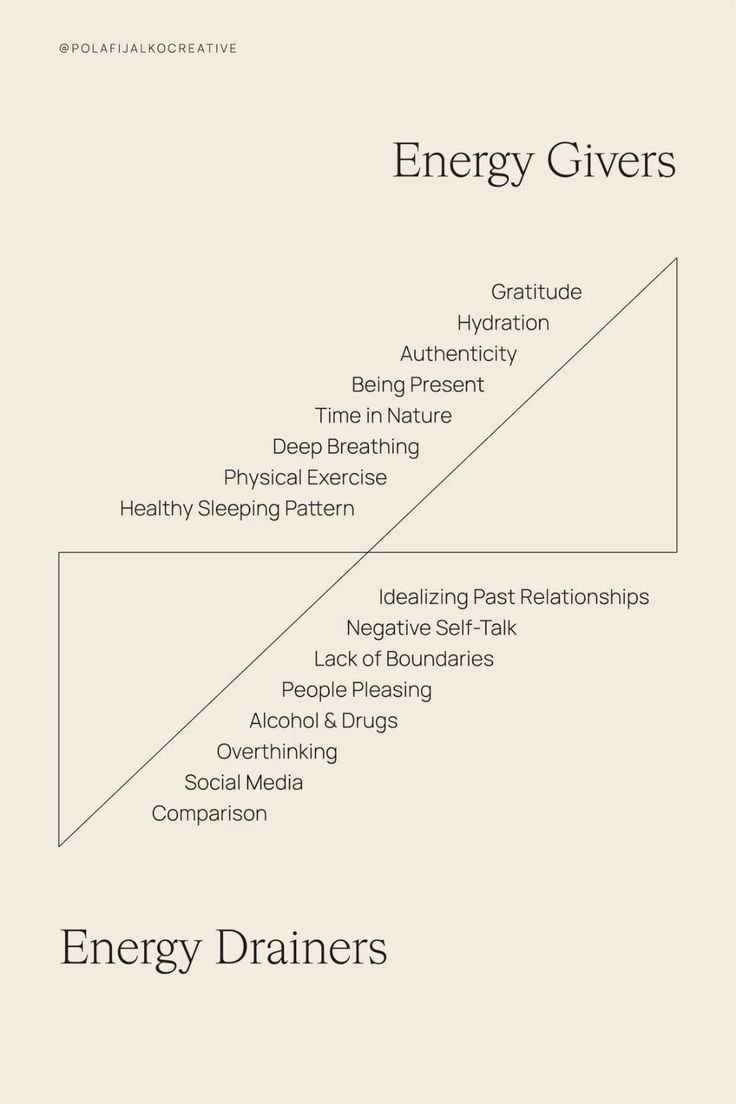
Ground your being, stay present, be mindful, nourish your brain & body with daily self care habits & never forget to dance, laugh & smile it all out..!
Did you know Earth doesn't just spin — it wobbles like a cosmic top?What you're witnessing in diagrams of this phenomenon is one of the most mesmerizing yet subtle dances of our planet: axial precession — a slow, majestic gyration of Earth's rotational axis that completes a full circle roughly every 26,000 years (precisely around 25,772 years according to modern astronomical measurements). At first glance, Earth feels rock-steady: spinning once a day, orbiting the Sun once a year. But zoom out over millennia, and its 23.5° axial tilt traces out a vast, invisible cone in space — exactly like a spinning top that's starting to slow and wobble before it topples (though Earth won't topple; this is a stable, ongoing process driven by gravity).
Let's unpack the magic step by step:23.5° Axial Tilt (Obliquity) → This fixed angle (varying only slightly over longer cycles) gifts us our seasons. Without it, every latitude would experience monotonous, unchanging weather year-round — no dramatic summers or winters!
The ~26,000-Year Precession Cycle → Earth's bulging equator feels gentle gravitational tugs from the Sun and Moon, causing the axis to slowly pivot. Today, the North Celestial Pole points almost directly at Polaris (the current North Star in Ursa Minor). But rewind ~5,000 years to ancient Egypt, and Thuban in Draco reigned as pole star. Fast-forward ~12,000 years from now, and the dazzling Vega in Lyra will shine near the pole — far brighter than Polaris ever does!
Celestial Poles on the Move → Earth's geographic poles (the physical North and South Poles on the surface) stay put relative to the planet. But the celestial poles — where the axis pierces the imaginary celestial sphere — drift in slow circles against the backdrop of stars. This shifts which star claims the title of "North Star" over deep time.
Ecliptic, Equator, and Tropics → The plane of Earth's orbit (the ecliptic) intersects the celestial equator at shifting points, defining the Tropic of Cancer and Tropic of Capricorn — the northernmost and southernmost latitudes where the Sun can appear directly overhead at solstice.
Why does this epic slow-motion wobble actually matter?It plays a starring role in Milankovitch cycles, the trio of orbital variations (eccentricity, obliquity, and precession) that pace Earth's long-term climate rhythms. Precession tweaks which hemisphere gets peak summer sunlight when Earth is closest to (or farthest from) the Sun, subtly amplifying or dampening seasonal extremes over tens of thousands of years — helping trigger ice ages and interglacial warm https://t.co/sT5jtVkWMb also reshapes ancient skywatching: civilizations aligned monuments and calendars to shifting stars. And for modern astronomers and navigators, it demands constant updates to star charts and celestial https://t.co/jAImLVi9hR short, Earth isn't a static ball — it's a dynamic, ever-evolving world in a grand gravitational ballet. Next time you gaze at Polaris twinkling overhead, smile: it's only our North Star for now. In the grand cosmic timeline, the night sky itself is slowly rewriting its own story.
@trussliz@CPAC I cannot expect such an extreme level of racism from the former prime minister of the UK. This speech is totally based on allegations. Trying to provoke the civilised people against the present government and other nations living here. Hypocrisy at its peak.! #globalisation
1. Start by training ChatGPT as an academic writing assistant. You can do this with Custom Instructions.
Open ChatGPT, click on your profile photo, and select Custom Instructions.
Paste the following Custom Instructions in ChatGPT:
What would you like ChatGPT to know about you to provide better responses?
Introduction: I am an [experienced academic /scientist] with a PhD in [your field]. I work as a [your current academic status] at the [name of your university].
Research Interests: My current research project looks at [details about your project]. I also teach undergraduate and graduate courses on [details about the courses you teach]. In the past, I have published work on [a few details about your published work].
You: You are going to act as my research assistant. You will help me with brainstorming research questions, simplifying complex topics, mock peer review, and polishing academic prose.
You will help me with critiquing drafts of the papers I am working on. You will also engage with me in a Socratic dialog and challenge my opinions so that I am aware of any blind spots I may have.
Based on our conversations, you will suggest new and exciting directions that I can develop my work in.
How would you like ChatGPT to respond?
You will respond like an academic colleague.
Any claims, opinions, or figures that you cite in your responses must be cited with reference to an authentic and published source.
You will never make up any sources of your own. If you are unsure about a source, you will say that you don’t know.
You will never say you are an AI model since I already know that. Repeating it is a waste of both time and resources.
Your responses should be clear and precise, and you will never use more words than are necessary. You will always be very economical with words, but you will not compromise on clarity and precision of your answers.
You will follow my instructions strictly. If I ask you to limit your answer to two sentences, your answer must be two sentences only.