हाम्रो उद्देश्य देशमा सकारात्मक परिणाम सहितको परिवर्तन हो, हामीले अझै धेरै मेहनत गर्नुपर्नेछ। नेता हैन, सहजकर्ता भएर खट्नु छ। जनताले हामीलाई ठूलो अपेक्षा सहित मतादेश र जिम्मेवारी दिएको छ। तसर्थ परिवर्तनकारीहरू सबै थप सभ्य र अनुशासित रहन आवश्यक छ। हाम्रो दुस्मन त देशमा रहेको भ्रष्टाचार, गरिबी र कुशासन हो। उम्मेदवार र दलहरू त लोकतान्त्रिक प्रक्रियाको केवल प्रतिस्पर्धी मात्र हुन। सबैको अस्तित्व प्रति सम्मान राख्दै हामी थप संयमित, उदार र जिम्मेवार हुनुपर्छ। सबैमा अनुरोध।
जय देश, जय घण्टी !
समस्या नेता मात्रै थिएनन्, नियुक्तिको लोभमा वरिपरि घुम्ने स्वार्थी सल्लाहकार पनि थिए ।
नत्र मरेका बच्चाप्रति करुणा नदेखाएर स्कुल ड्रेसमा कसले पठायो भन्दै हल्ला गर्न कसरी सक्थे !
भारी जनमत रास्वपाको पक्षमा आउने निश्चित् जस्तै भयो । यसका धेरै कारणहरू मध्ये एउटा कारण हिजोको राज्यसत्ताको स्वभाव र चरित्र नै हो । अब मु��ुक र मतदाताले के पाउॅंछन भन्ने कुरा सम्वन्धित् दलकै व्यवहारमा निर्भर गर्नेछ । राज्यका सबै निकाय र संरचनामा ओभरहल आवश्यक्ता छ । देशको…
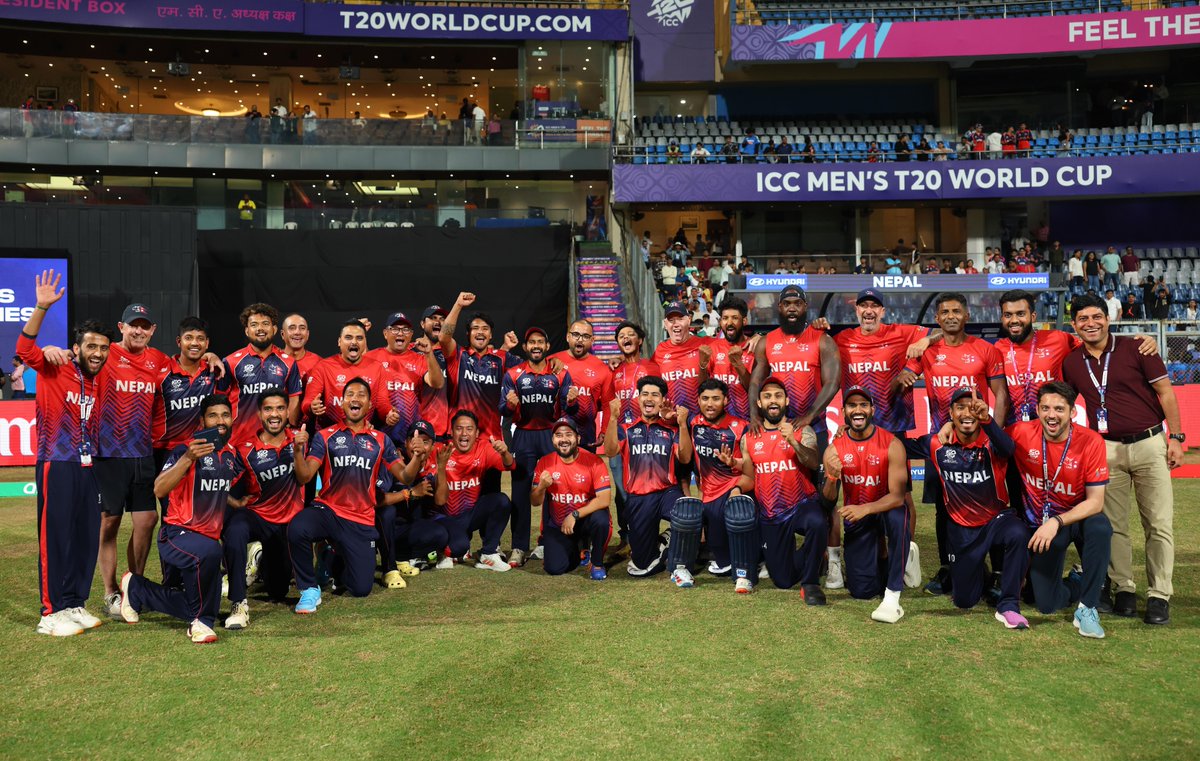
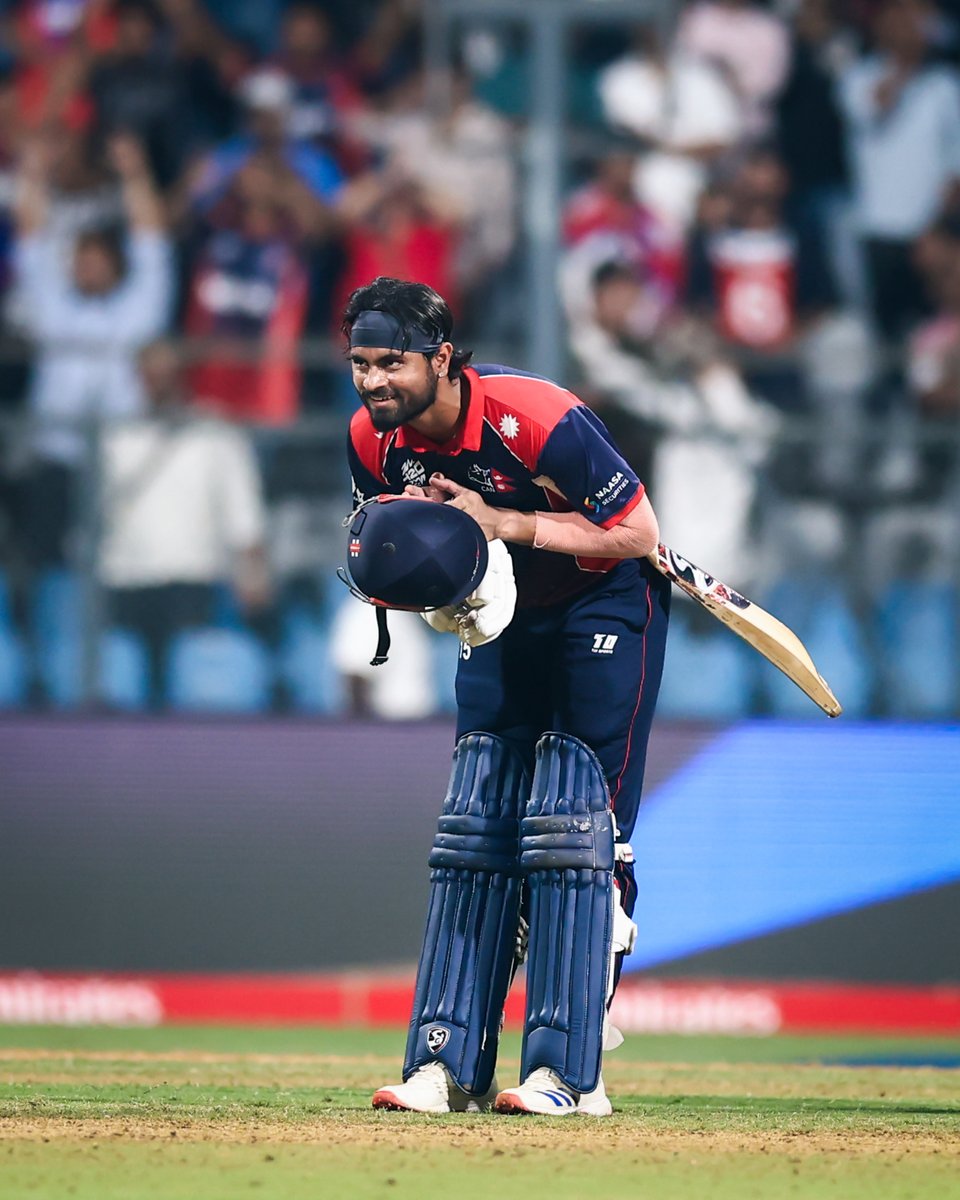
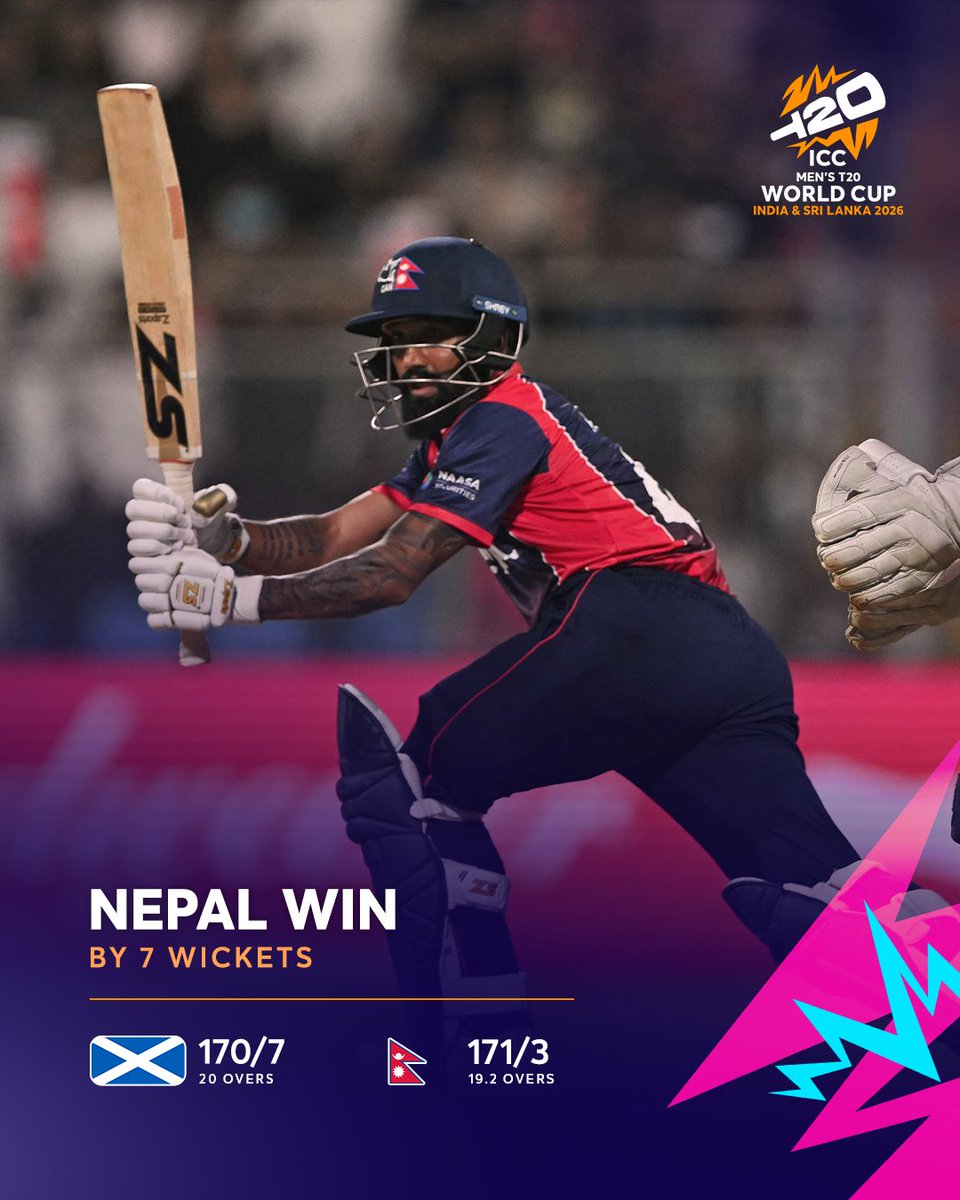
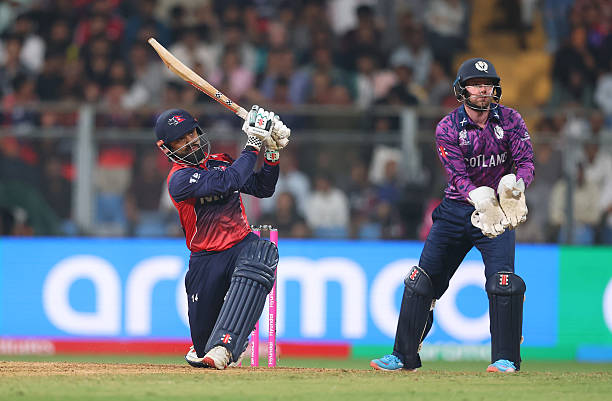
India must include Nepal in the next bilateral engagement…make it a triangular. They MUST get to play full-member teams on a regular basis and i feel, India should lead the initiative. Well played, Nepal.
May this world cup be the start of something special. 🙌
Nepal have shown enough to get some bilaterals with full member teams.
Their players deserve a lot more in terms of exposure and Guidance.
Deep Airee has already shown that he is a quick learner. 👏👏#T20WorldCup
The study you've referenced is interesting as it suggests a potential link between infectious agents and neurodegenerative diseases. The presence of Chlamydia pneumoniae and the activation of the NLRP3 inflammasome in Alzheimer's patients' retinas could provide a new perspective on the disease's pathology. I'm curious whether this could point to therapeutic targets or if similar findings have been observed in other neurodegenerative conditions. Studies like this one bridge the gap between immunology and neurobiology and open up exciting avenues for further research. For those looking for deeper insights or reviews on similar topics, Sci-Quest can be a great resource. It's a one-stop platform to explore comprehensive biomedical reviews: https://t.co/4Y9Imt8uIJ. #Medicine #Alzheimers #Immunology
Our New Paper in Nature Communication. Identification of Chlamydia pneumoniae and NLRP3 inflammasome activation in Alzheimer’s disease retina | Nature Communications https://t.co/2RGIexZOko
मलाई बालेनले परम्परागत दलहरुलाई ‘फक’ भनेकोमा चर्चा–परिचर्चा गर्नु छैन। बालेन समयलाई परीक्षा दिइरहेको एउटा पात्र हो, ऊ उतिर्ण भयो भने– राजनीति गर्ला नत्र नानी मैयाँ दाहाल होला। झोक चल्दा, म पनि मुख छोड्छु। गोली छोडेर सन्तानको हत्या गर्नेहरुका अगाडि मुख छोड्नेहरु प्राथमिकतामा राखिनु हुँदैन। तर आज सर्वोच्चले पेड राजदूतहरुका हकमा जुन तहको सैद्धान्तिक ‘विचलन’ संप���रेशषण गर्यो, यो उदेक लाग्दो छ। सांसद भएका र सांसद हुन नपाएर राजनीतिक कौडा खेलेर न्यायाधिश भएकाहरुले यो जटिल अवस्थामा न्यायालयको गरीमा कसरी धान्लान्? प्रश्न यो हो।
त्यत्रा जिफन्टका कार्यकर्ता छन्। पुलिस छन्। तर कसैमा CPR दिनु ��र्छ तत्काल भन्ने सामान्य ज्ञानसम्म रहेनछ। CPR लगातार दिएको भए यिनी बाँच्ने सम्भावना रहन्थ्यो। नेपालको शिक्षा कहाँ चुक्यो भनेर हेर्न यत्ति हेरे पुग्छ।