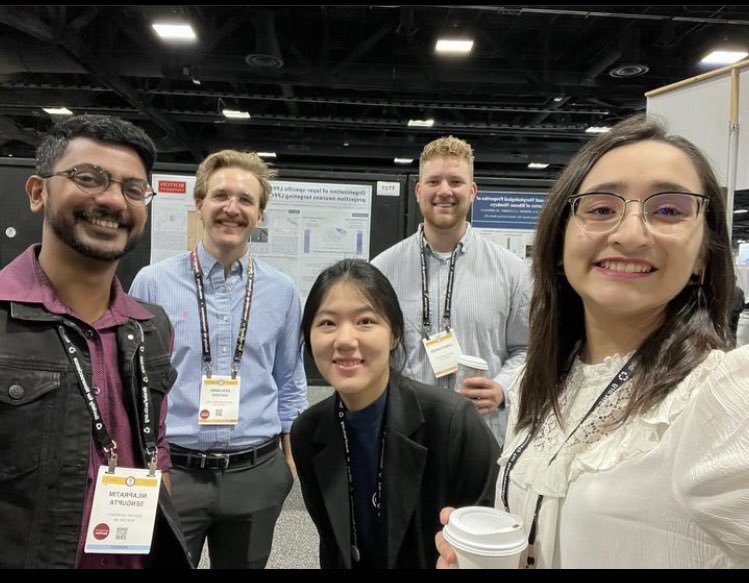
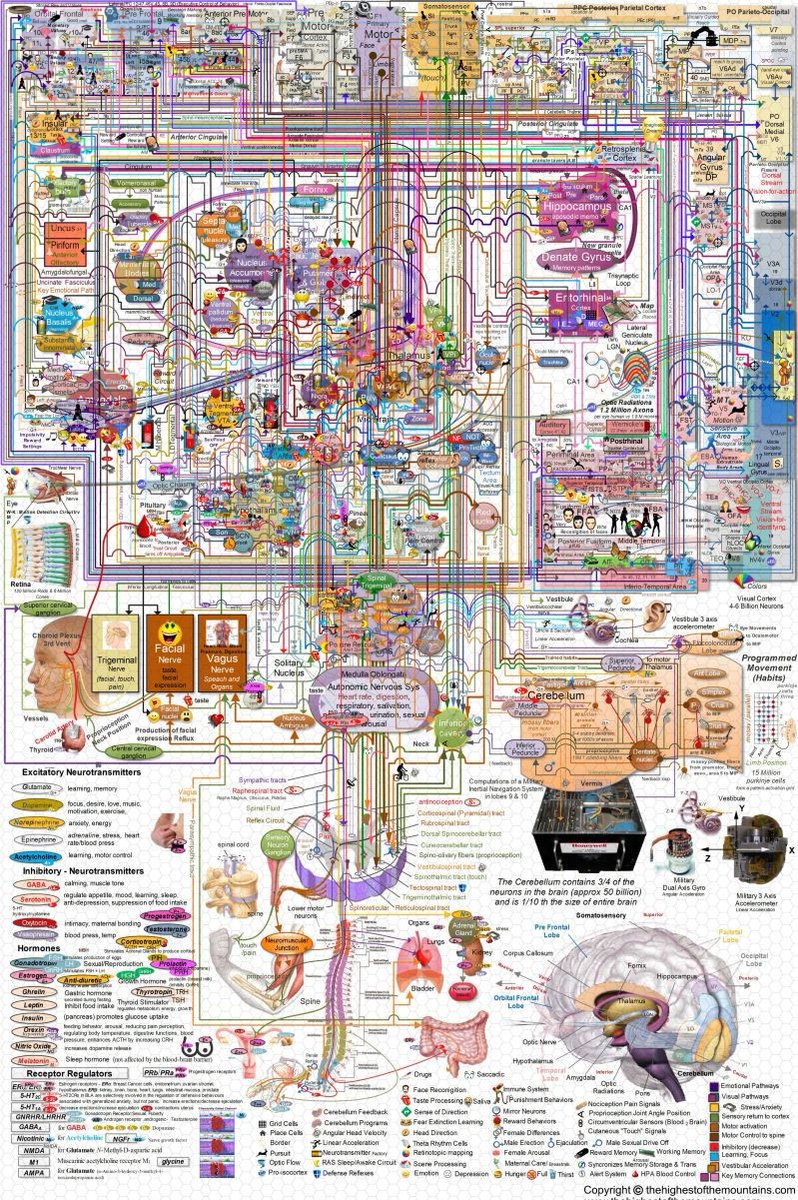
If you’re heading to AAIC this weekend check out my talk and poster (#114) on Wednesday examining the role of CNS Tcells in human tauopathy @alzassociation
Several of our BU CTE Center team members are presenting at the @alzassociation International Conference (AAIC) which begins Sunday in Philadelphia, PA.
Swipe to learn more about their presentations and click here to learn more about AAIC: https://t.co/Jxs1VoyKvj
@SamCalderazzo@SydneyMosaheb
(2/2)
Study of deceased contact sports athletes with CTE reports that nearly 25% had parkinsonism during life. Most had an unusual pathology related to CTE and football play and not the typical Lewy body pathology found in most cases of Parkinson disease. https://t.co/D8vAvJM14Z
Exciting news! In a new study, @bu_cte found a connection between a brain protein buildup (p-tau) and thinking/behavioral issues in #CTE, which could help diagnose the disease while people are alive. 🧵(1/2).
#GliaPapers
REVIEW @GLIA_Journal
Gal Ronit Frumer, @TheJungLab, Jung-Seok Kim, @WeizmannScience
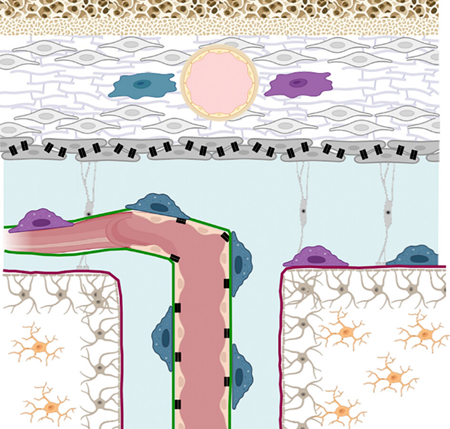
A review of recent advances in the understanding of brain macrophage heterogeneity.
https://t.co/n23W2xYVIF
Congratulations to Katharine Babcock (@kjbabcock9), a PhD student in the McKee Lab, who successfully defended her dissertation yesterday! We are proud of all she has accomplished and look forward to continuing to work with her as a postdoc at BU CTE.
Congrats, Dr. Babcock!
CTE can affect young amateur athletes. @nytimes has highlighted the stories of a few families whose loved ones were part of our recent study and provide an interactive summary of the findings
They died young. Most played football. Only a few came close to the pros. But like hundreds of deceased NFL players they, too, had CTE, the brain disease linked to repeated hits to the head. If their families could go back, would they still let them play? https://t.co/ziAmWkoNtt
We'd like to thank @ConcussionLF for hosting our team at their 16th Annual Concussion Legacy Gala last night! It was a fun-filled night dedicated to such a great cause.
There is one week left to help the Circo family reach their $30,000 fundraising goal. If you'd like to support CTE research, you can donate here:
https://t.co/hhorDxZAIi
You can learn more about Mario here:
https://t.co/ACKyLcZBlF
NEW RESEARCH: Learn more about our new paper out today in @JAMANeuro on young contact sport athletes exposed to repetitive head impacts.
First Author: Ann McKee, MD (@annmckeemd)
Senior Author: Michael Alosco, PhD
Read it here: https://t.co/Pod1TF1Nsy
(1/3)
🔈 Listen Now: Learn more about our new research from BU CTE Center director and first author @annmckeemd in the @JAMANeuro podcast below with @cynarmandmd
For those just now realizing insurers don’t care if you live or die—
🚨🚨🚨Insurers do not care if you live or die.
In fact, death is highly cost effective, especially if it is fast, and especially if you are chronically ill.
Up to 25% of all Medicare expenditures are spent on the last 12 months of life.
Insurers would love to eliminate that, as the cost of care >>> premiums collected at that point.
Remember that what you call healthcare, they call LOSS — as in, their medical LOSS ratio being the how much $ of premiums is spent on medical care.
And they would love to cut the loss, for our (unfortunately) most vulnerable populations — elderly, chronically ill, with little support.
Here’s the dirty secret of emergency medicine:
We don’t have to do prior auth. Like ever. We just order what the patient needs, and the patient gets it done in the ED.
But here’s why we care about prior auth anyways:
B/c not a shift goes by where a patient doesn’t land in the ER as a last resort when #priorauth denied or delayed them the outpatient care they needed.
Dr Killiany was always willing to aid any of the students in the department. I will always cherish the advice and collaboration he provided during my time there