I’m starting a new series for Nigerians who want to start or grow a business through China importation.
I’ll be breaking it down step by step in a simple way, from mindset to sourcing to actually getting goods into Nigeria.
The two of the biggest agricultural commodity businesses in our country are today run by two young people.
The companies Johnvnts and Sunbeth are run by young men in their 30s.
John Adedamola Alamu founded Johnvents when he was 24 or so.
Today he is 34- years and Johnvents is a big commodity giant, and to show you how big they have become
Last year, Johnvents made a staggering revenue of 810.8 billion with a profit of 66 billion after tax.
The same with Sunbeth.
Olasunkanmi Owoyemi, the founder of Sunbeth, is younger than John.
He is 31 years old, but the business he runs is bigger than his relatively young age.
Sunbeth did over ₦600 billion in revenue for the full year of 2025 with a profit after tax of 31.9 billion.
Sunkami is just 31 years old, but he is doing great stuff and big moves that belies his age
Both Sunbeth and Johnvents are in the same line of business, which is simple.
An Agriculture commodity business that exports cocoa and cashews from Nigeria to international markets for sale
And one thing I found thrilling is how easily the two of them raise finance and capital whenever they want cash.
Just last week, Sunbeth raised 200 billion debt from the capital market.
They wanted 150 billion; the market oversubscribed the demand by adding an extra 50 billion because Sunbeth is a well-structured business that is rated by credible rating agencies and has the pedigree of paying back its loan and debt whenever they raise money from the market.
Whenever I come across Oviaoza on my timeline being dragged, I remember Sunbeth and Johnvents.
This could have been Oviaza.
Ovioza could have been the next Sunbeth or Johnvents because the three of them started as an agro commodity business at the same time.
Also, Oviaoza had the goodwill, the access to raise money, and she was loved.
What she just needed was the right mentor to steer her from the path she took to what Sunbeth is doing now and then properly structure her business
But she was impatient, or can I say greed took over her
Whatever it is, there are so many lessons to learn from the travails of Oviaoza.
That your small business can scale tomorrow and become a giant in the industry you operate
But first
Stay away from greed and impatience.
Then read and seek new knowledge.
Structure your business properly.
And then scale
The sky will be beyond your limit.
I promise you.
@unen_godswill@TechCabal Trade and logistics are still wide open 😄 Payments get the banners, but somebody still has to move the goods from the factory to the shop.
@__princewill_ Not knowing if what arrives will match the picture. Show real photos of the actual item and be honest about delivery dates. Trust is the whole game here. Keep building 🙌
@saintusen We help Nigerian businesses buy straight from factories in China. We find the supplier, check the goods, ship and deliver, and you pay in naira. @tryrafiki has more 🙌
Most of what we buy in Balogun, Alaba and Computer Village started in Guangzhou or Shenzhen.
Same goods. The difference is how many hands they pass through before they get to you. Every hand adds a cut.
Fewer hands, better price. That's why we built Rafiki.
From what I've seen of Moonshot this week, payments came up again and again.
For small importers here, paying a supplier abroad is still the hardest part. Whoever makes that boring and easy will win.
If you went, what was your best takeaway?
We changed Rafiki's colour from orange to green this week 💚 Small thing on the outside, but it reminds us we're building for the long run. Same job: help Nigerians buy from China without the stress. Orange or green, which one you prefer?
LAGOS PLANS 20% INNOVATION GRANTS FOR WOMEN, YOUTH-LED VENTURES
… Set To Double Technology Sector’s Economic Contribution By 2030
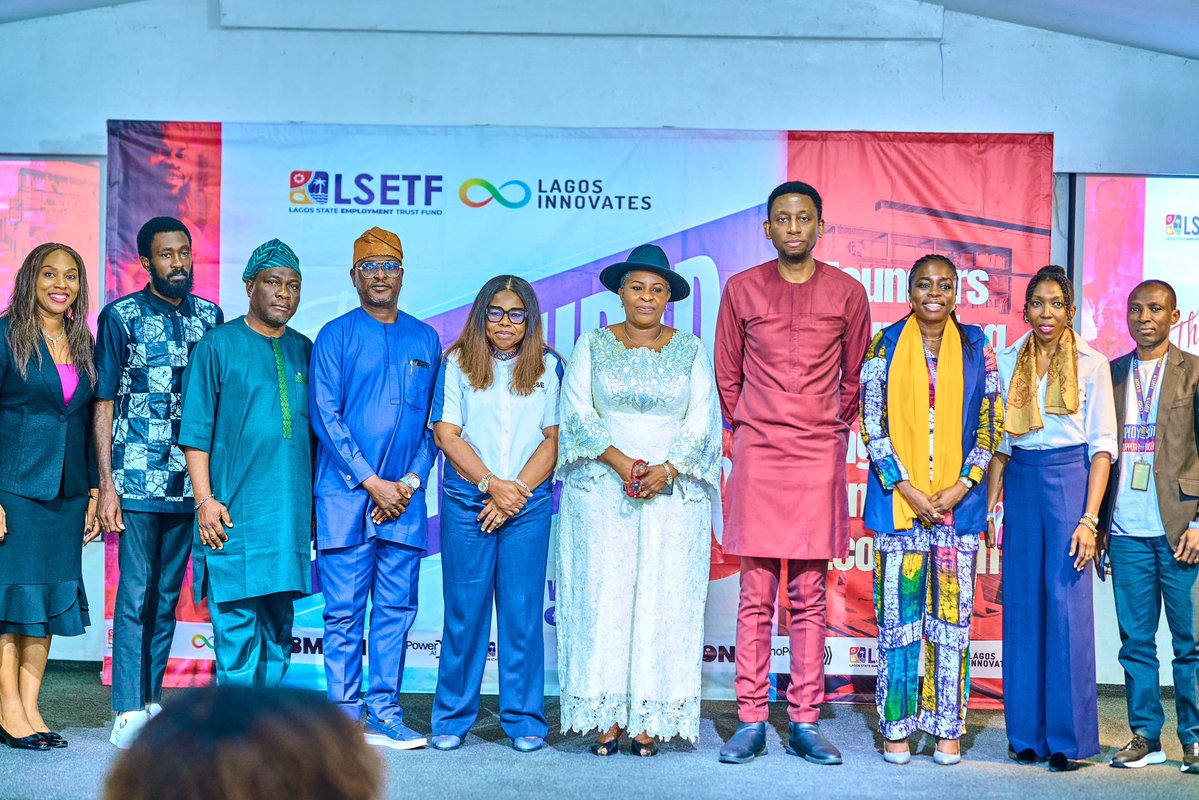
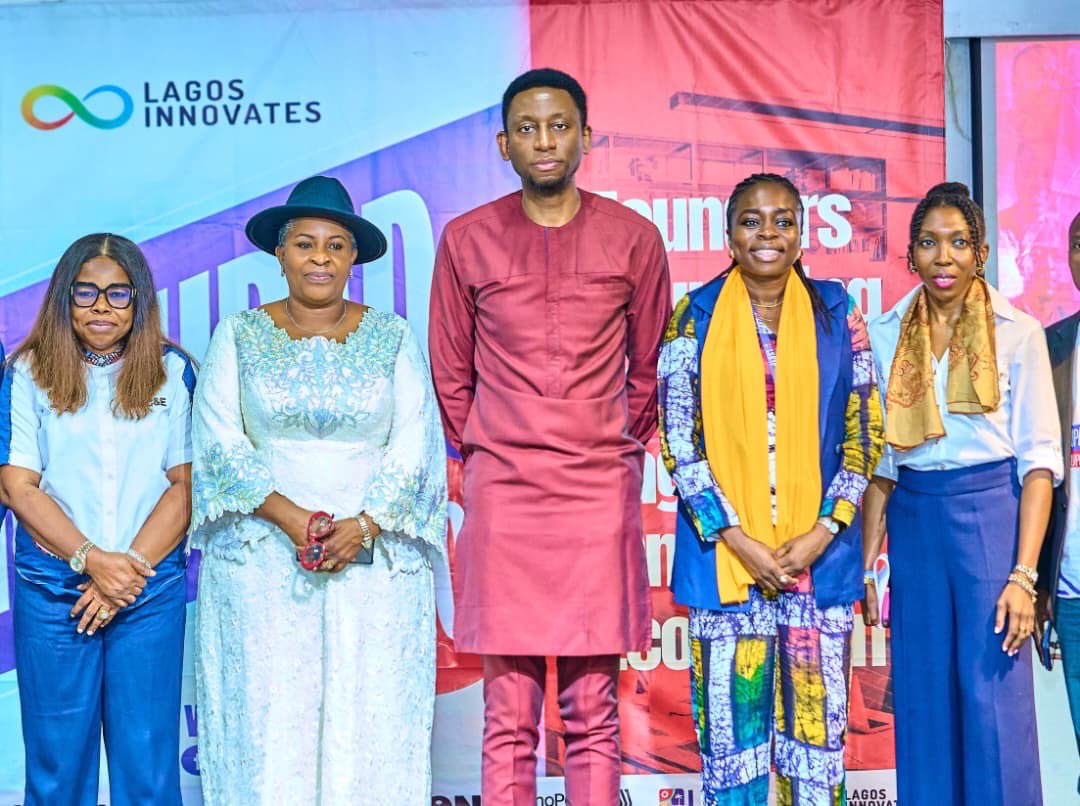
The Lagos State Government is developing an innovation bill that will reserve 20 per cent of innovation grants for women- and youth-led enterprises as part of efforts to strengthen the state’s startup ecosystem and double the contribution of technology and innovation to its economy by 2030.
The Commissioner for Innovation, Science and Technology, Olatunbosun Alake, disclosed this at the Lagos Innovates LaunchPad 2.0 Idea Hub Pitch Day and Ecosystem Showcase, where he outlined the government’s plans to expand support for entrepreneurs, improve innovation infrastructure and establish sustainable policies for technology-driven growth.
Alake said the proposed legislation would institutionalise innovation support and provide a lasting framework to nurture startups, researchers, and emerging businesses. He added that the government was expanding fibre infrastructure to improve connectivity while creating an enabling environment for founders and researchers returning to Nigeria.
According to him, Lagos-based startups attracted more than $6bn in investment between 2019 and 2024, accounting for approximately 70 per cent of technology investments in Nigeria during the period.
He highlighted the Lagos State Employment Trust Fund (LSETF )'s contributions to enterprise development, noting that the Fund disbursed more than ₦15bn to over 20,000 small businesses, creating more than 320,000 jobs. He also cited a loan repayment rate exceeding 94 per cent.
Through its Lagos Innovates initiative, Alake said more than 1,200 startups had received support, while over 3,300 technology talents had been developed. He further disclosed that the Lagos State Science, Research and Innovation Council had awarded nearly ₦1bn to 155 researchers and startups.
Through its Lagos Innovates initiative, Alake said more than 1,200 startups had received support, while over 3,300 technology talents had been developed. He further disclosed that the Lagos State Science, Research and Innovation Council had awarded nearly ₦1bn to 155 researchers and startups.
The Commissioner stressed that the government’s role was to establish the institutions, infrastructure and policies required for innovation to thrive without creating unnecessary barriers for businesses.
He urged entrepreneurs to prioritise solving real-world problems, understanding customer needs and building commercially viable enterprises rather than focusing solely on the publicity associated with pitching competitions.
@jidesanwoolu@drobafemihamzat@lasgmist@TunbosunAlake@LSETF @gbenga_emo @gboyegaakosile@BarrBimbola@Mr_JAGs@Riddwane
#AGreaterLagosRising
#LASG
At 17, he had £20 saved from mending clothes. The order he wanted cost £70.
In late-1950s Lagos, Razaq Okoya had found a Japanese maker's catalogue of buttons, ribbons and zips. His mother lent him the £50 he was short.
The goods sold out. Better than the market, and cheaper.
Years later, an Italian factory took his advance for shoes and never delivered. They had used his money to pay their own bills.
So he imported machines and trained his own workers to make the shoes.
The Yoruba say, "Ọwọ́ ara ẹni la fi ń tún ìwà ara ẹni ṣe."
It is with our own hands that we put our own affairs right.
The idea: the part of your business you can't check is the part that can sink you.
You don't need a factory. You need to know your weakest link. The supplier holding your deposit. The one person who knows every route.
Which link would hurt most if it broke tomorrow?
Expensive debt and slow partners. Two things that can kill a good product in Nigeria. Respect to the Klump team for building for 5 years. A lot of us are taking notes.
Nigerian buy now, pay later startup Klump has shut down after 5 years of operations, with its founders, Celestine Omin & Olufunbi Falayi, citing expensive debt financing, slow bank integrations and restrictions imposed by lending partners.
🔗 Learn more: https://t.co/RPESoX46f8
A big part of the answer is sourcing. A lot of fashion brands lose their margin on fabric, trims and packaging before they sell one piece. Buying closer to the factory helps.
What will it take to make African fashion more profitable?
At Moonshot 2026, Temilade Salami, Founder of Tuntunre; Wonuola Okoye, Managing Director of Ashluxury Fashion; and Obida Obioha, Founder of Obida Culture, join Lolade Alaka, Managing Editor of Zikoko, to examine the business of African fashion, from production and funding to distribution, intellectual property, and global expansion.
Join the conversation at Moonshot by TechCabal happening on October 28 and 29 at the National Theatre, Lagos, Nigeria. Get your ticket at https://t.co/AT2mQu3ayH
#Moonshot2026 #MoonshotbyTechCabal #CourageAndConviction
@the_boludada Ads and design tools mostly. The one I really want is a card that pays Chinese suppliers without wahala 😂 If Bachs ever cracks that, I'm first in line.
@BlissAICyber For importers it's the exchange rate. You price your goods at one rate, and by the time you restock it has moved. You have to price with some room.
@IfeakanduChisom Building in Lagos too, on the trade side. We help Nigerian businesses buy straight from factories in China. Would be nice to connect 🤝