Journaliste. Au Moyen-Orient depuis 2011, à Jérusalem de 2020 à 2025, et à présent au Caire. Signe pour @lemondefr. Auteur du livre Les Aurores incertaines.
"We Created a Monster"
Iran’s reckless behavior over the last 24 hours, including its threat to attack Israel if Israel strikes Beirut, is a direct consequence of how the recent war ended.
Tehran now feels far more confident in its position, believing it successfully withstood military pressure from what it views as the two most powerful militaries in the world: the United States and Israel.
This is not a temporary spike in rhetoric. It is part of a broader and more dangerous trend. Iran increasingly sees itself as the patron and protector of its regional proxies, extending what amounts to an informal security umbrella over groups such as Hezbollah and other members of the so-called “Axis of Resistance.” The threat against Israel over Beirut reflects this growing sense of ownership and responsibility for its partners across the region.
More importantly, this is further evidence of a profound shift in Iran’s decision-making process following the death of Supreme Leader Ali Khamenei. For decades, Khamenei was fundamentally cautious when it came to the direct use of Iranian military power, particularly when the risk of confrontation with the United States was involved. That restraint appears to be fading.
We are entering a new era in which Tehran feels stronger, more secure, and increasingly confident in the credibility of its deterrence. Iranian leaders now appear to believe that their willingness to absorb military pressure and survive it, has enhanced rather than weakened their strategic position.
The result is a more assertive Iran, a more dangerous Middle East, and a growing risk that future crises will escalate faster and further than anyone anticipated.
#iran
#IranWar
Beaucoup de choses passionnantes dans le discours du président du New York Times prononcé hier lors du Congrès mondial des médias à Marseille. A lire ici dans le @Grand_Continent
https://t.co/zSGHKMbdqw
"Il devient de plus en plus difficile de savoir d’où viennent les choses et si elles sont vraies. Cela a conduit à un sentiment croissant que l’on ne peut plus se fier à rien, exigeant de chacun une vigilance presque paranoïaque à propos de tout...
... ou, pire encore, une descente vers le nihilisme. L’effet n’est pas seulement que les gens croient des choses fausses, c’est qu’ils ne croient plus les choses vraies. Cette combinaison toxique conduit déjà davantage de personnes à se désengager complètement."
Bravo à Robin de @BFMTV qui a retrouvé Mireille (ça c’est du journalisme…). Et écoutez la parler, vous les tristes sires qui ne voient jamais la poésie du monde tant la peur vous aveugle
Ca pourrait être drôle. Mais il faut rappeler que des programmes reposant sur l'intelligence artificielle sont utilisés pour constituer des "banques de cibles" à bombarder, notamment dans les armées américaine et israélienne. Perseverare diabolicum.
https://t.co/AHd5cZcGgk
... vivant à Gaza avec sa famille, et qui a été récompensé par le Prix Nord-Sud du Conseil de l’Europe pour ses articles dans @OrientXXI et son travail de documentation.
Son discours ici : "Que ce prix soit aussi un cri : le Gazacide ne passera pas"
https://t.co/SlOyX1vXwh
"À Gaza, le journalisme est devenu un acte de survie et un acte de résistance. Informer, c’est résister à l’effacement. Filmer, c’est protéger la mémoire. Témoigner, c’est défendre la dignité humaine", par le journaliste palestinien Rami Abou Jamous...
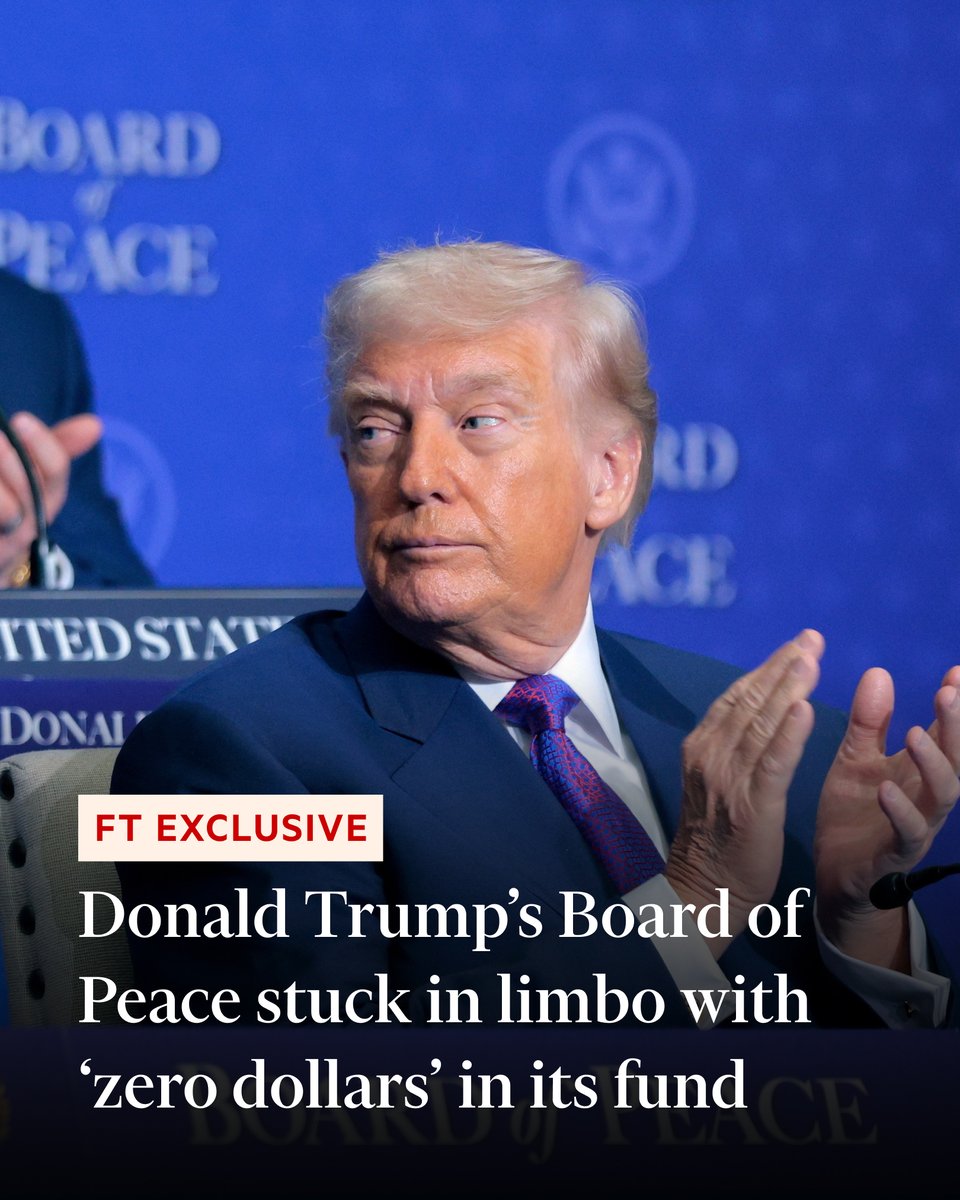
Gradually abandoned by the United States, it is uncertain whether the committee will survive the year. Meanwhile, more than two million Gazans remain trapped, with no prospect other than survival.
With @mariejosader for @lemondefr
https://t.co/95sOTwkU9N
A few words about our article on the National Committee for the Administration of Gaza (NCAG), a body created by the Trump administration that has remained in limbo since its official launch in January 2026...
Grebowski has since been replaced and the restrictions on the NCAG have become less severe. But nothing has changed. Stuck in Cairo and powerless, the NCAG faces Israel's intransigence, Hamas's obstinacy, the Palestinian Authority's mistrust, and European skepticism.
A new Brookings analysis finds the Strait of Hormuz closure will *really* bite within 1-2 months:
-by mid-July, temporary price buffers will be exhausted
-once markets figure out buffers are gone, prices could reach $150/barrel
Have to hand it to @robin_j_brooks, a proponent of Trump's blockade, for doing crucial analysis on the timeline for costs hitting the US.
I would add that as the costs of the Hormuz standoff become more apparent and severe, Trump's bargaining leverage vis-a-vis Iran will decrease accordingly.
Better to reach a deal TODAY, when oil prices are still moderate, than try again in 1-2 months when prices -- and Trump's leverage -- will be worse.
https://t.co/IfyW2rktRa
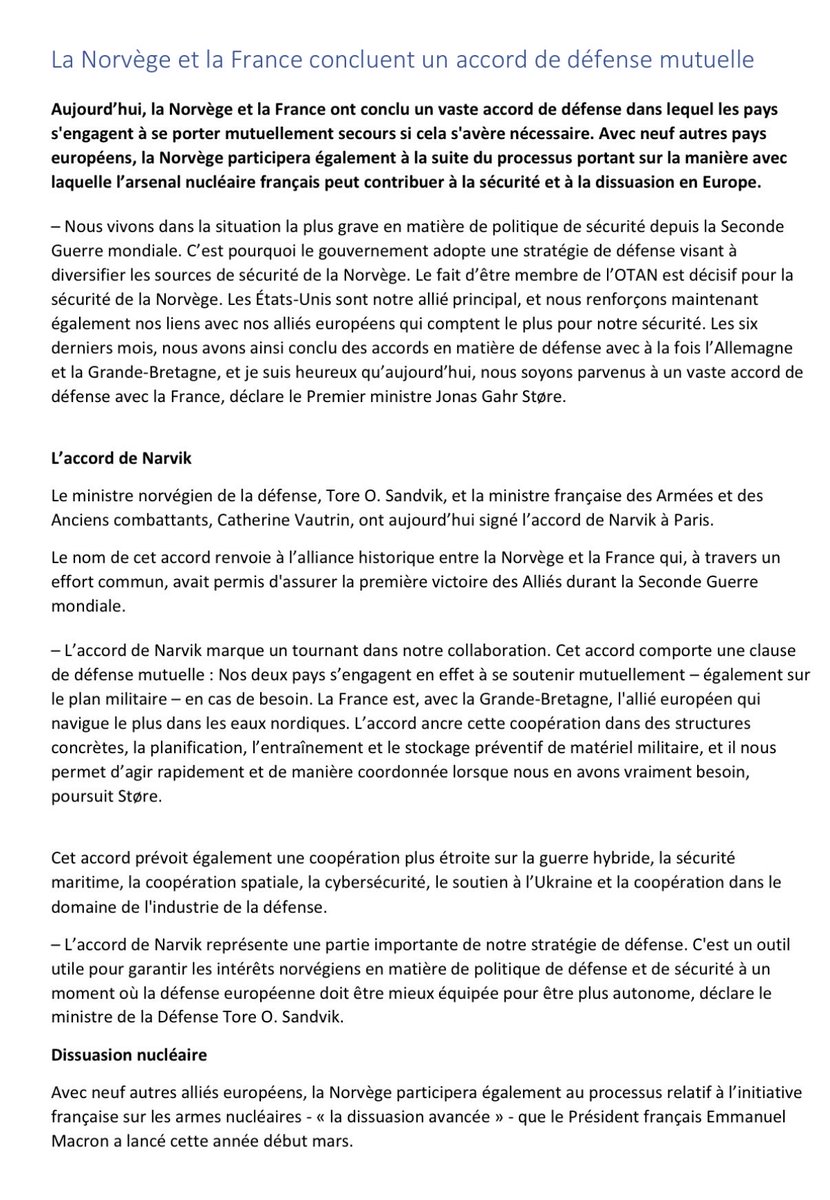
🇫🇷🇳🇴 Excellente nouvelle ! À l’occasion de sa visite à Paris, le Premier ministre norvégien a annoncé la signature d’un accord de défense mutuelle entre la France et la Norvège, et l’intégration d’Oslo à l’initiative française de « dissuasion avancée ». 🧶
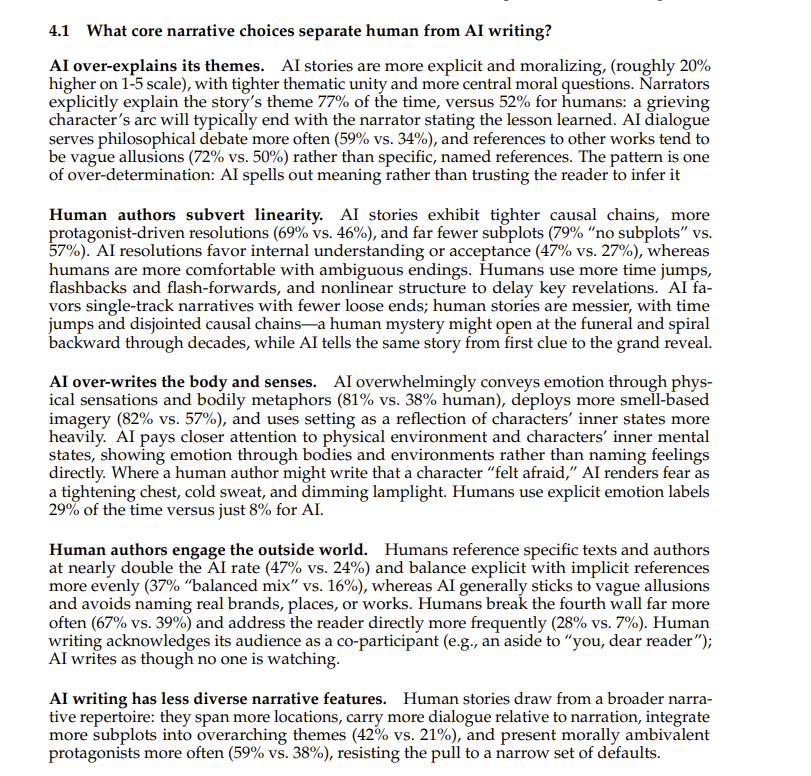
There is a lot being written about the stylistic tells of AI writing (em-dashes, etc.) but this paper looks at AI narrative tells
Fascinating differences between AI & human narrative, and asking AI to write in different styles doesn't do much to change it https://t.co/azkRHz34NQ
FT Exclusive: Four months after its establishment, the organisation’s financial fund set up by the World Bank has received no money from donors, according to four people familiar with the matter. https://t.co/yzANaf2mVN
Shocking nobody…
Here’s what’s *actually* shocking:
- 74% of Israelis accept regional normalisation/Pal State
- over last year: essential or desirable up 13%
- Regional normalisation is 2nd most urgent security issue
Yet:
- No party is making this core of their elex campaign