Samantha Evans (@samisatwork) and Rebecca Whiting contribute to our understanding of how occupational contexts shape everyday constructions of class-based inequality in their article.
Read now below.
https://t.co/Y7nOJAMxoe
Can we normalise inviting working class, global South and other under-represented voices to talk/write about things other than diversity and inclusion.
Treat under-represented voices as the rich sources of knowledge they are, rather than a tokenised step towards inclusivity.
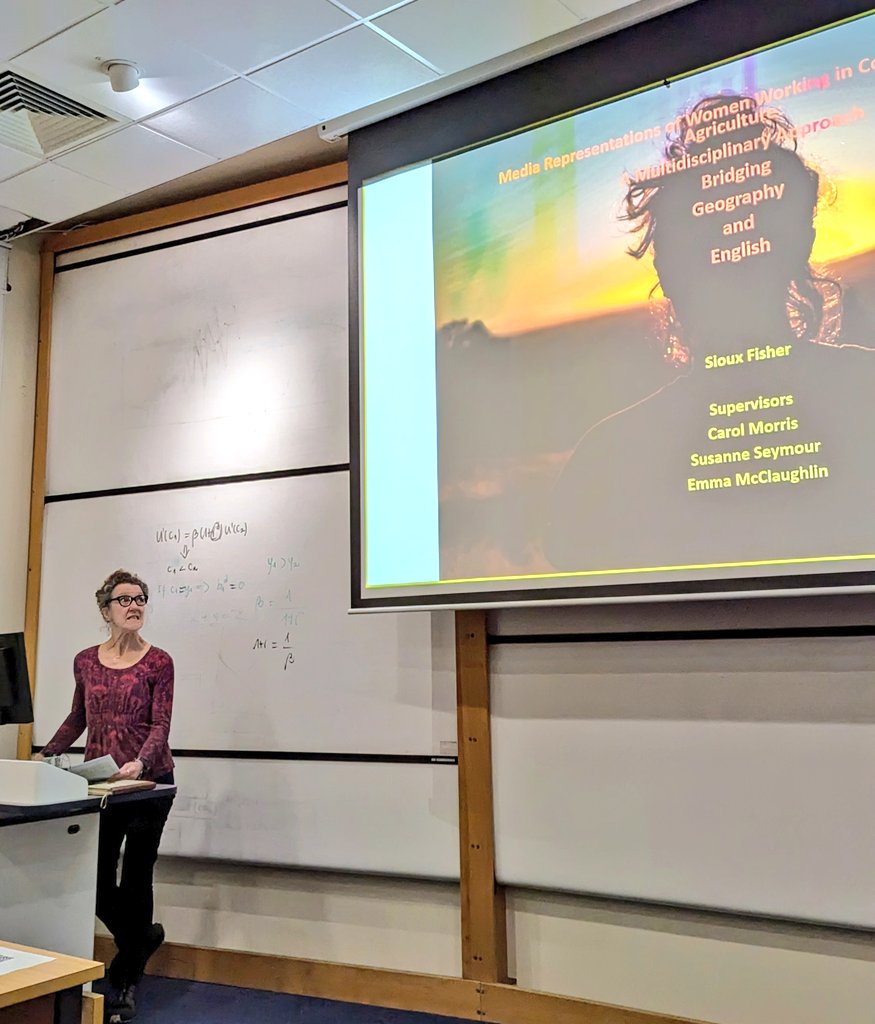
Today I had the privilege of listening to my mum present her PhD research so far @UniofNottingham@UoNGeography 🙌👏🤓💕 now in her 2nd year & absolutely smashing it. PhD has no age limits (mum is in 60s for reference 😁) ❤️ @ThePhDPlace#AcademicChatter
IMPORTANT PLS SHARE. It's rumoured the English £9,250 tuition fee cap may be raised this pm for the 1st time in 8yrs, as University's finances are strained. As student finance misunderstandings abound, I've bashed out a few notes to help...
1. Higher tuition fees WON'T change what most pay each year. For most, they're paid for you by the student loans company and you repay afterwards only if you earn over the threshold. The amount you repay each year (9% over the threshold) solely depends on what you earn not on what you borrow.
2. Increasing tuition fees will only see those who clear the loan in full over the 40yrs pay more. That is generally mid-high to higher earning university leavers only, so the cost of increasing them will generally be born by the more affluent. Most lower and middle earning university leavers will simply pay 9% extra tax above the threshold for 40yrs (and higher tuition fees won't change that)
3. The rise is tuition fees is likely to be trivial compared to the changes the last govt made for 2023 starters. 2023 starters had their repayment thresholds dropped to £25,000 (from £27,295/yr) and had the time they had to keep repaying for (unless cleared) extended to 40years from 30years.
So these higher annual repayments for longer, increased by over 50% the amount many graduates will eventually have to pay back for going to university. Yet they were almost stealth changes because people can't intuitively feel the seismic impact.
Changing tuition fees is a more obvious rise, but in reality has far less of an impact on the amount most will repay (though combined with the 2023 changes it does certainly up the cost).
4. The biggest practical problem for students isnt tution fees (even if raised) its the fact maintenace loans aren't big enough. English maintenance loans have not kept pace with inflation. I'd urge the govt to couple the tuition fee loans with bigger living loans - if not it is a real risk to social mobility, with those from the poorest backgrounds likely to be worse affected.
I could write more, but will stop here, hopefully this gives an idea the issues are less straightforward than many feel.
Word of the Day (because it’s about time) is ‘respair’, from the 16th century. It means fresh hope, and a recovery from despair. One of too many lost positives we could do with bringing back.
Wishing everyone a gruntled, gormful, ruthful and feckful New Year, full of respair.
To what extent does an individual’s success rely on their own efforts vs what their parents do for a living? 🧵
Our latest Insights article shows how CEP researchers investigated the causes and consequences of low social mobility.
By @joblanden
Read: https://t.co/ynKyqFe4S9
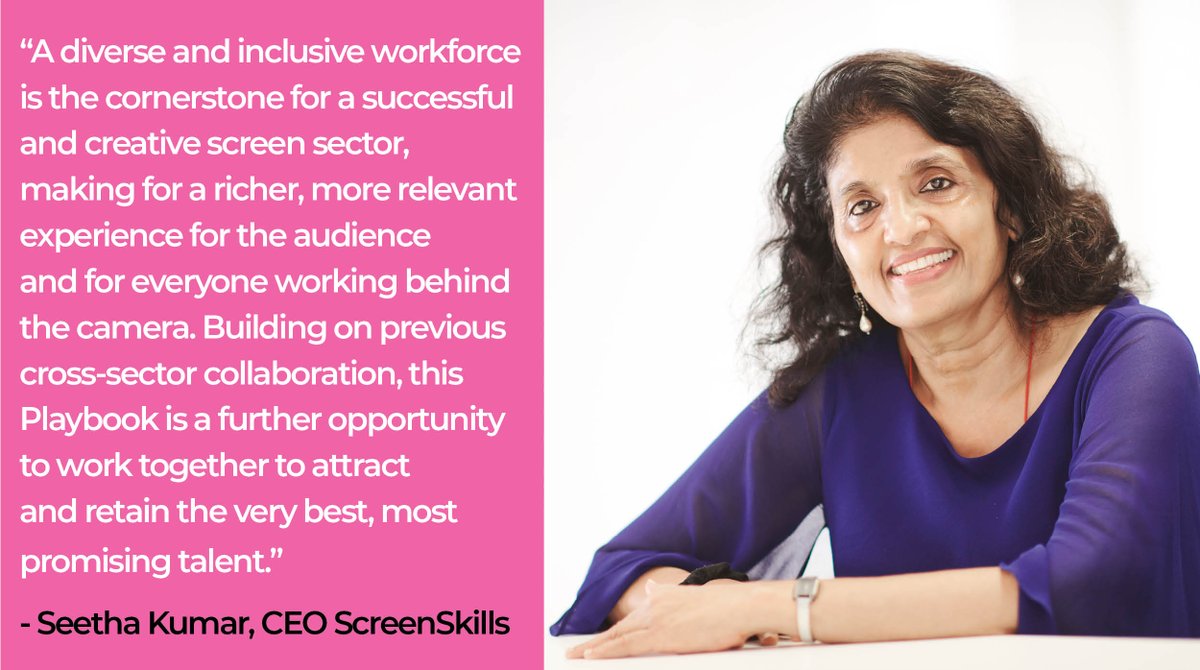
A new Inclusion & Diversity Playbook from ScreenSkills & @UofGlasgow could help improve and refine current I&D screen industries practice, making recommendations to create, support and retain a more inclusive workforce.
What would it look like if women over 50 were authentically represented in the media?
You can find out more about our age-positive image library collection by visiting our website. #ILookMyAge