@MatthewCappucci POD went down when social media and storm chasing exploded. More chasers, more tornadoes reported. FAR would improve if the radar network was more dense. Radar beams above 5kft limit what you can analyze. This graph does not show the last 10 years.
@EvanAKilgore I find it interesting that in these comments not many people address the ~4:30am sunrise in the summer if standard time was permanent. Who cares I guess...
Here’s a 1 minute glimpse of the incredible flash flood today on highway 163 between Mexican hat & Valley Of The Gods in far southeastern Utah. Incredible amount of water! This was from the same supercell that dropped golf ball size hail on lake mead #utwx
😺 Who is ready for a wildlife rescue story? Been excited to share this one all weekend, and now seems like as good of a time as any to pounce onto your timeline.
Check out these two yearling mountian lions that couldn’t get out of the spillway Friday at Vallecito Reservoir…
@PaxBiggs Start with at least 3000j/kg and a straight line hodograph. It is crucial to not disrupt the enhanced upward motion caused by the vertical pressure perturbations. Vertical shear is highly vulnerable to storm scale disruptions. Giant hail (+4") is more rare than tornadoes IMO.
From Hannah Bear “Maroon Bells @ sunset on October 4th, 2023. Approximately 6:37 PM with a baby moose, mama moose and a papa moose all drinking from Maroon Lake. Aspen, Colorado.”
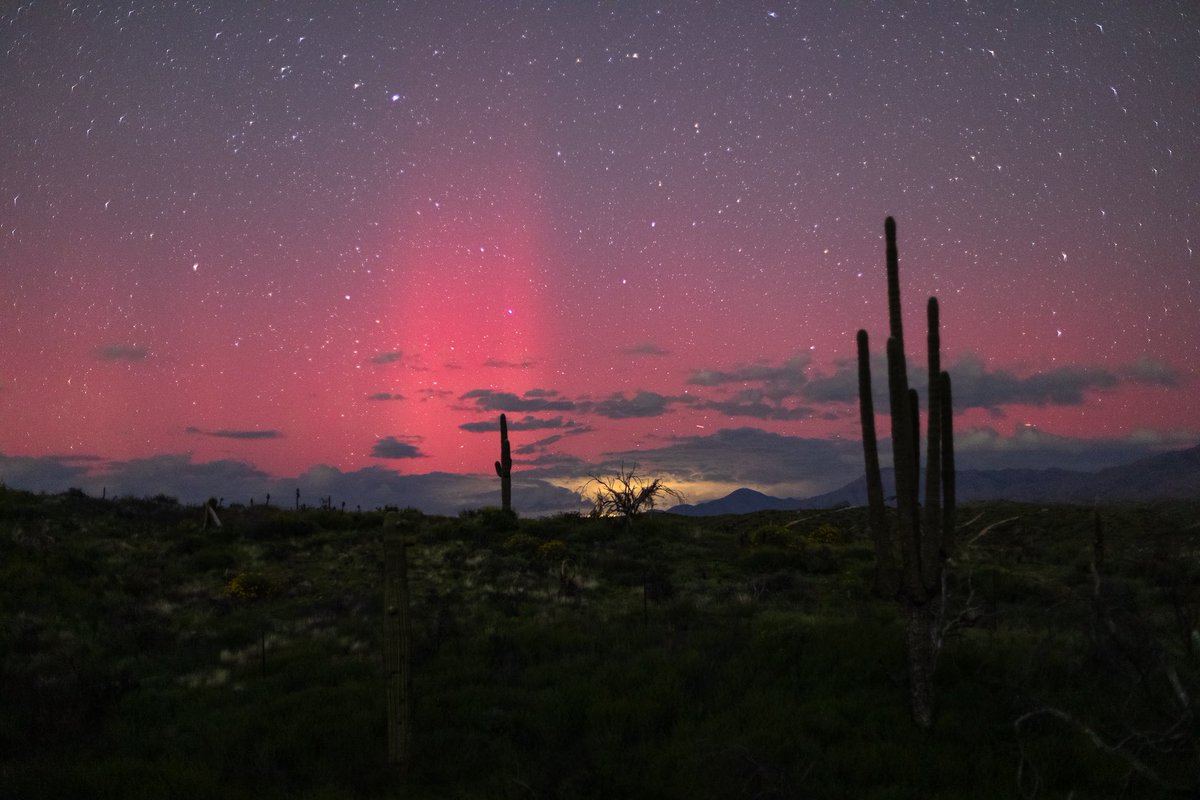
Pretty much just a raw to jpeg conversion with a little noise reduction but I had to import the files this morning and make sure it wasn’t just a dream. #azwx#aurora
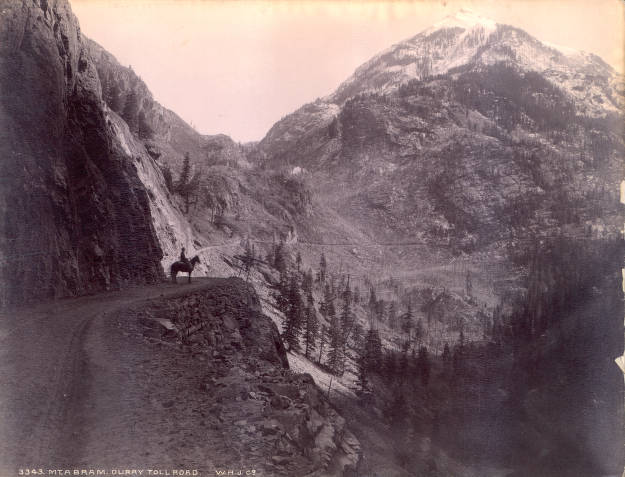
A man on horseback faces Abrams Mountain on the Ouray to Silverton Toll Road (Otto Mears Toll Road), in either Ouray or San Juan Counties, Colorado. (1880-1890?) https://t.co/xIfDumSTJS
RARE SIGHTING: Drone footage captured the moment a moose shed both its antlers in a forest in New Brunswick. The wildlife enthusiast says capturing both antlers shedding is a “once-in-a-lifetime moment.” https://t.co/d1Z0vLebdO
Here's a preliminary 5-day storm total snowfall map for November 16-21, 2022. Thanks to NWS Albany for developing the map, and to the spotters and observers who took snowfall measurements during this historic lake effect event.