Death is something we will never get used to. No matter what. No matter how strong we are. It will never be ok. It will always be painful. Yet, somehow, we learn to move on.
You owe yourself ihsaan. You owe yourself good sleep, a word of encouragement, good treatment and unconditional love. Everyone you know will separate from you at some stage of your journey except for yourself. You will enter each chapter with you. So be good to you!
Hundreds of thousands of people across Mozambique have been affected by the country’s worst flooding in years. Al Jazeera’s Haru Mutasa is in the southern city of Xai-Xai, where entire neighbourhoods are submerged.
More than 620,000 affected by Mozambique floods, as vital infrastructure and tens of thousands of homes are destroyed.
— in pictures https://t.co/neuOjuC0Vx
At least 112 people have died in Mozambique after weeks of heavy rain, as severe flooding sweeps southern Africa, submerging homes, roads and schools and forcing evacuations.
Randomised controlled trials have commonly excluded women who are pregnant, lactating, or of reproductive potential.
A Viewpoint discusses the factors contributing to the exclusion of these women & provides recommendations to increase their inclusion: https://t.co/9kPC2jsoAP
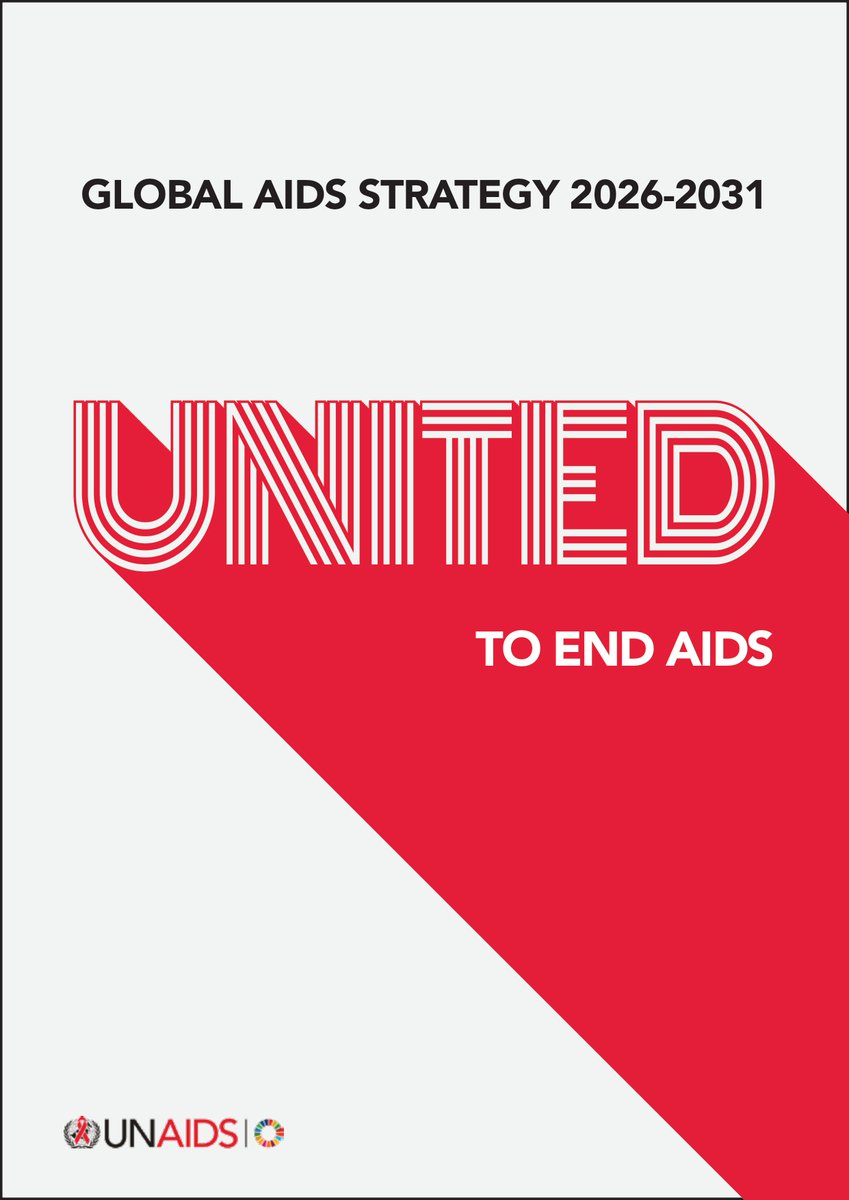
📢The Global AIDS Strategy 2026–2031 has been adopted by the UNAIDS Programme Coordinating Board.
It places country leadership, community leadership, and human rights at the centre. Ending AIDS demands collective action. No single actor can do this alone.
https://t.co/32zWfR0pp2
Rates of domestic abuse are especially high among female healthcare professionals.
Why doctors are uniquely vulnerable to domestic abuse? @AdeleWatersRx
https://t.co/PFZw1q1ShR
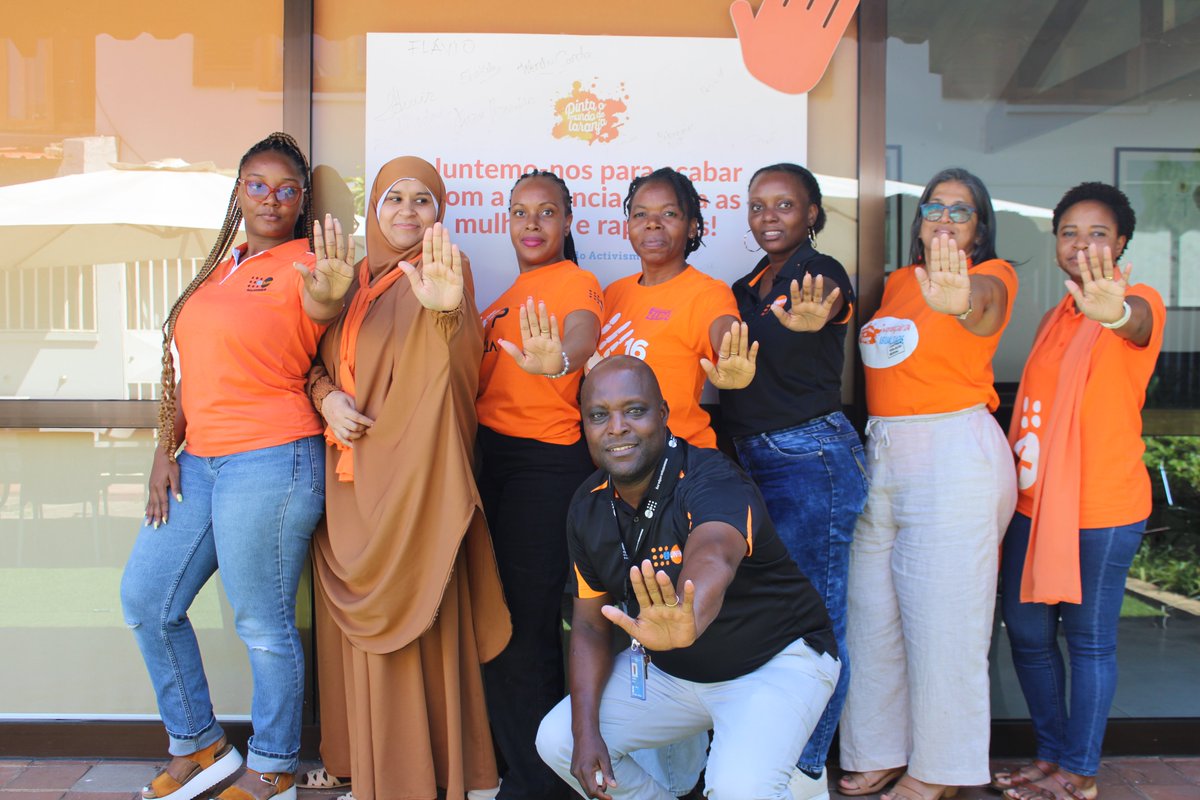
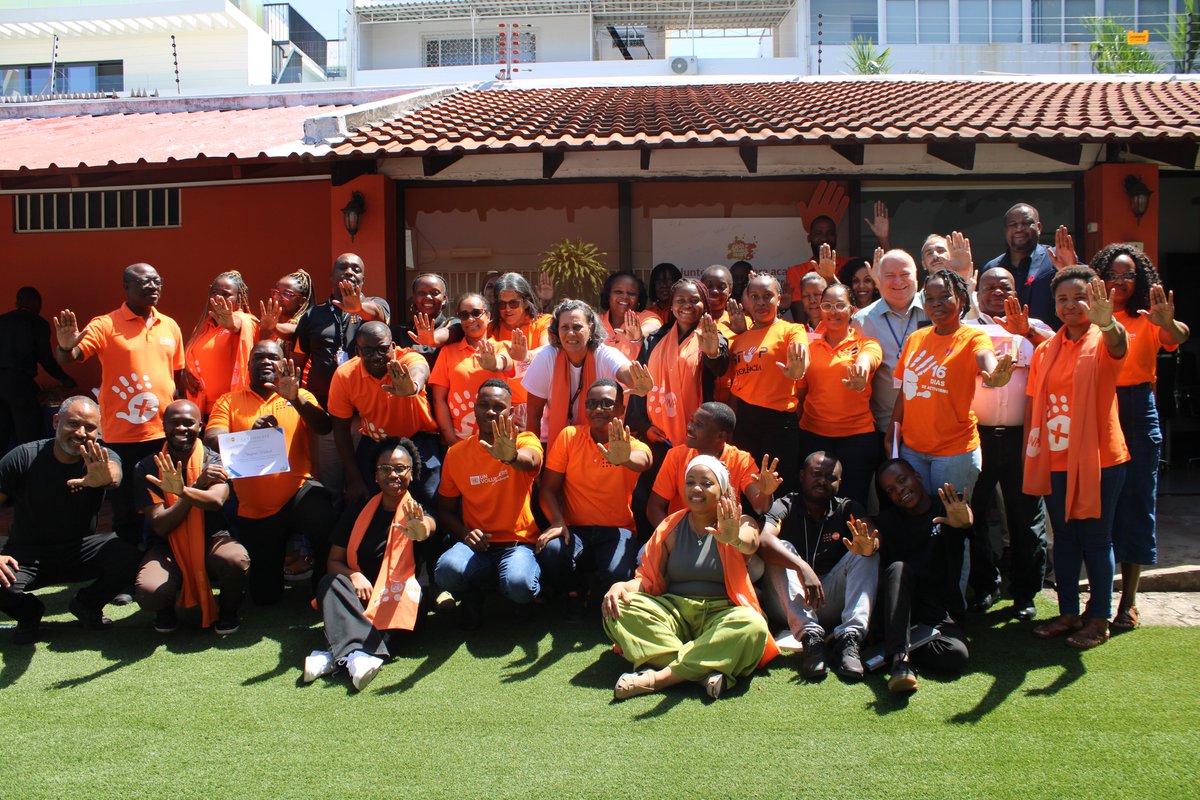
🟧 Beyond #16Days, UNFPA Mozambique continues fighting all forms of violence, including digital violence against women & girls.
Today, staff joined Positive Masculinities & Digital Violence trainings, committing to change.
#OrangeTheWorld#UNFPA#EndGBV
Prevention saves lives. But funding cuts just stripped it away.
📉 2.5 million people lost access to HIV prevention medication this year.
The fight isn't over.
On #WorldAIDSDay, stand with @UNFPA for an AIDS-free future.
#EndAIDS
No form of discrimination or marginalization is ever acceptable.
Still, many women and girls face barriers in accessing sexual and reproductive rights and services.
See why @UNFPA is working to end these inequalities: https://t.co/UVsiQeLlUe
#GenderEquality
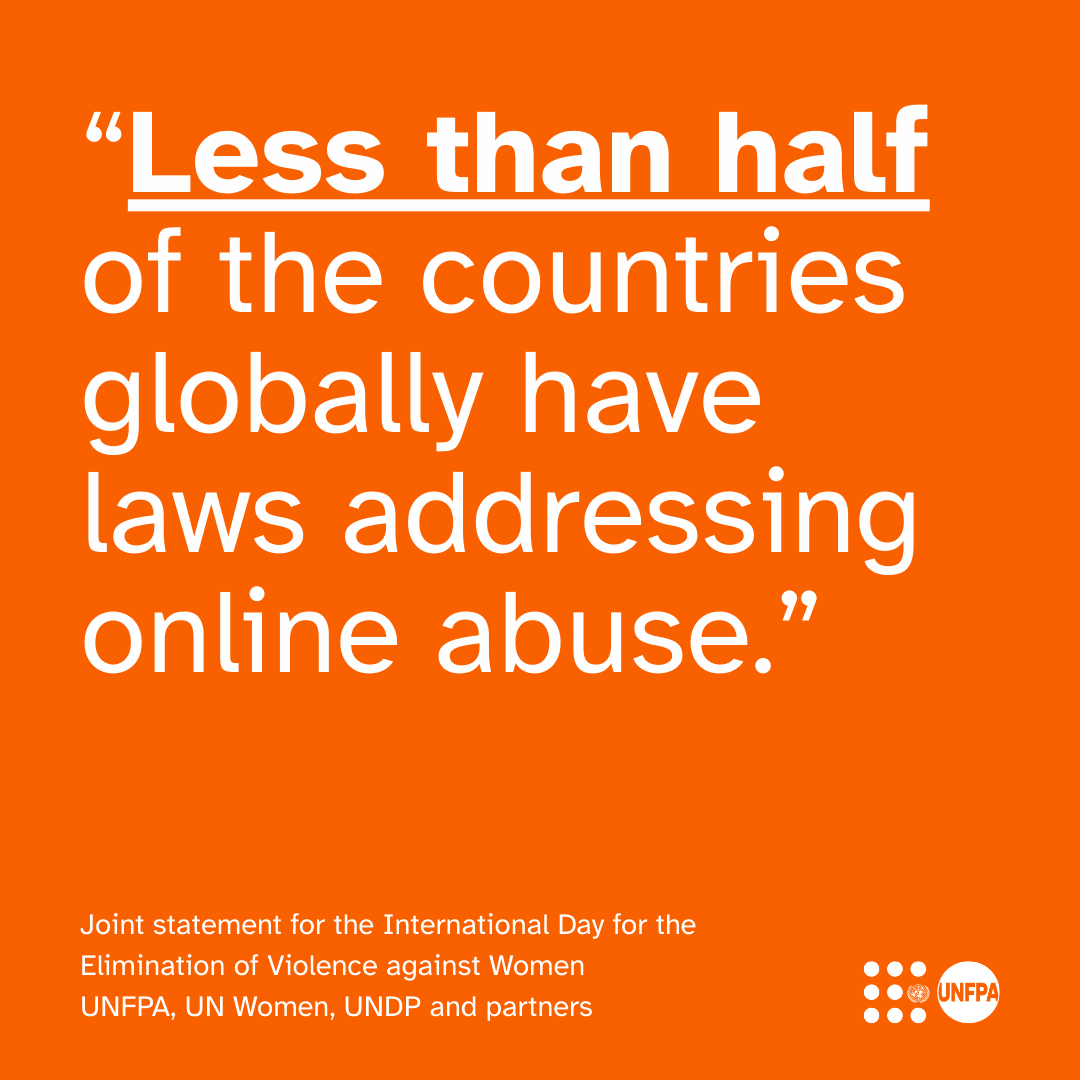
It’s time to reclaim digital and physical spaces and #ENDviolence against women and girls.
See @UNFPA and @UN_Women's statement for the International Day for the Elimination of Violence against Women calling for governments and tech companies to do more: https://t.co/XazJLEpsie
Implementing partners took part in a training on new complementary modules to the peer-to-peer mentorship manual in humanitarian contexts, covering armed conflict & climate shocks.
Co-funded by the Global Programme to End Child Marriage, Rapariga Biz & ClimateEmpower. 📘🌐
⚠️ 1.3 million people acquired HIV in 2024 alone, including thousands of adolescent girls and young women. WHO recommends twice-yearly injectable lenacapavir as a new effective pre-exposure prophylaxis (PrEP) option to protect people at risk of HIV. Know more: https://t.co/U7OF6cngxd
There’s a generation that witnessed the world go from no internet, to buying their first computers, to using flip phones, to adopting the iPhone, and now, experiencing the rise of AI. That’s crazy.
#Mpox is no longer a public health emergency of international concern.
The announcement follows the fifth meeting of the IHR Emergency Committee on the upsurge of mpox. The Committee advised the Director-General @DrTedros that the situation no longer represents an international health emergency. He accepted the advice.
Lifting the emergency declaration does not mean the threat is over, as mpox outbreaks, including new ones, continue to be reported.
This decision is based on sustained declines in cases and deaths in the Democratic Republic of the Congo and in other affected countries, including Burundi, Sierra Leone, and Uganda. There is now a better understanding of the drivers of transmission and risk factors for severity, and the most affected countries have developed sustained response capacities.
WHO will continue supporting countries in responding to mpox, and ensuring that gains made during the public health emergency of international concern are maintained.