Saturday Spotlight💫: What role does #obesity play in promoting #leukemia? https://t.co/VqjpDCGmuR
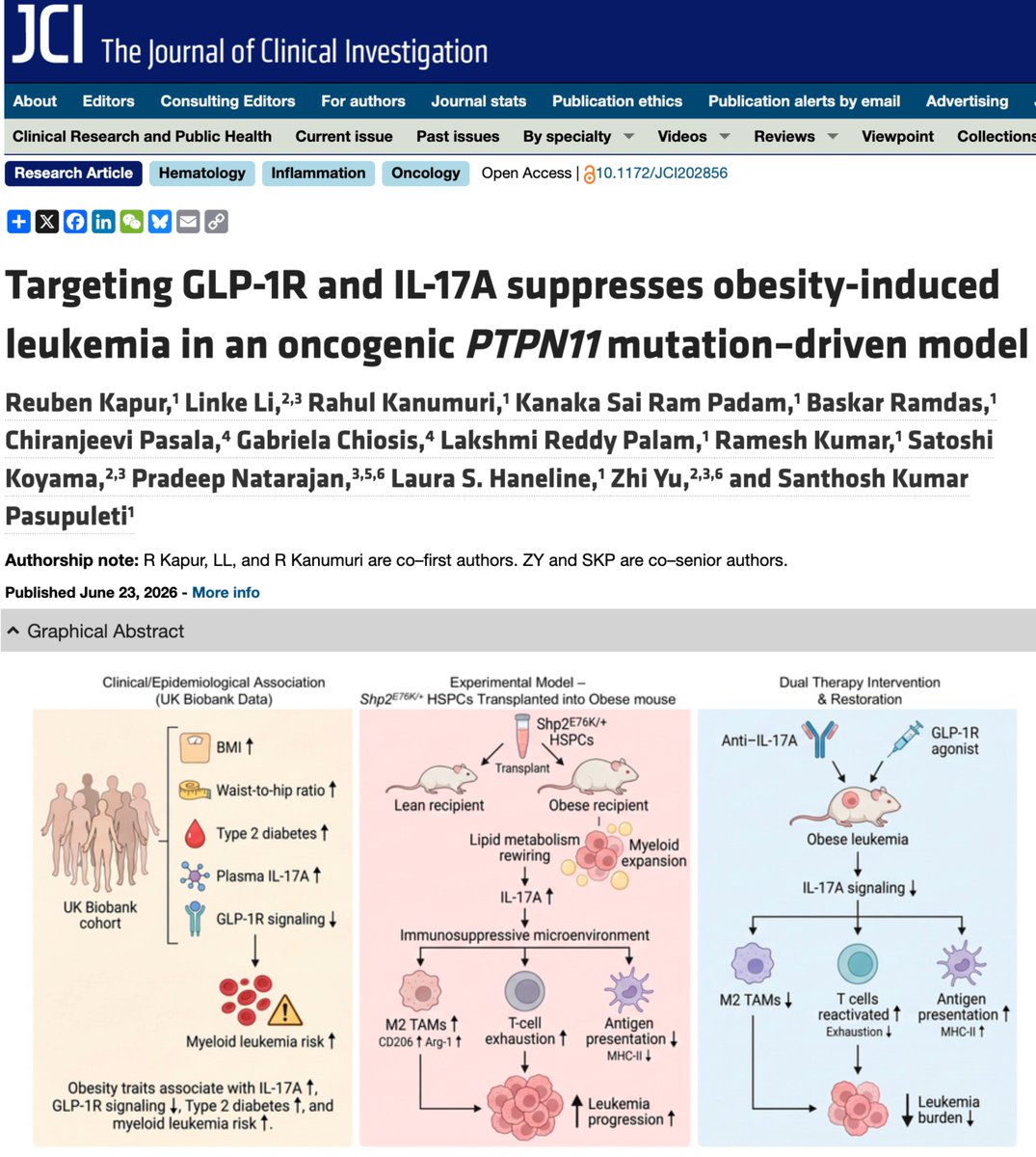
Using UK Biobank data from over 440,000 individuals and mouse models, Kapur et al. @IUMedSchool uncover immunosuppression—IL-17A driven & metabolism-coupled—as a mechanistic link between obesity and SHP2-mutant leukemias. The team also highlights a therapeutic strategy for patients with obesity at high risk.
The figure: Association of PTPN11 mutations with obesity-related traits and cancer prevalence.
@the_asci
🎉Excited to share our new paper in @jclinicalinvest, co-led by the Kapur lab and @LinkeLi_MGH, and co-senior with @santhu_131!
How does obesity accelerate PTPN11-driven myeloid leukemia - and can we intervene?
🧬 In human, obesity traits tracked with elevated plasma IL-17A, reduced GLP-1R, and heightened myeloid leukemia risk.
🐁 In mice, obesity accelerated leukemogenesis via Th17/IL-17A & M2 TAMs, and dual anti–IL-17A + GLP-1R agonist 💊 reverse it.
Together, we demonstrated a tractable strategy for high-risk obese patients with PTPN11 mutations: https://t.co/2Lmp8sPV1z
Researchers from @IUCancerCenter and @IUMedSchool identified three inflammatory proteins that fuel juvenile myelomonocytic leukemia and found a potential way to target them using existing drugs. Learn more: https://t.co/eCYCoo1fgZ.
A new study from @IUMedSchool led by Drs. Reuben Kapur and Santhosh Pasupuleti suggests that existing, accessible drugs could be repurposed to treat juvenile myelomonocytic #leukemia by targeting a key inflammatory pathway.
🔖 https://t.co/N8tJUhJaRv
Researchers have identified a set of three inflammatory proteins that fuel the rare childhood leukemia known as juvenile myelomonocytic leukemia (JMML), making way for new treatment options.
Read more about this breakthrough discovery: https://t.co/Rwts0LlCIi
@IUMedSchool
🎉Happy to share our (@LinkeLi_MGH@tigerstatdoc@M_Mesbah_Uddin@abhinrl@pnatarajanmd me) collaborative article with Reuben & Santhosh's team at @IUMedSchool, just out in @BloodPortfolio!
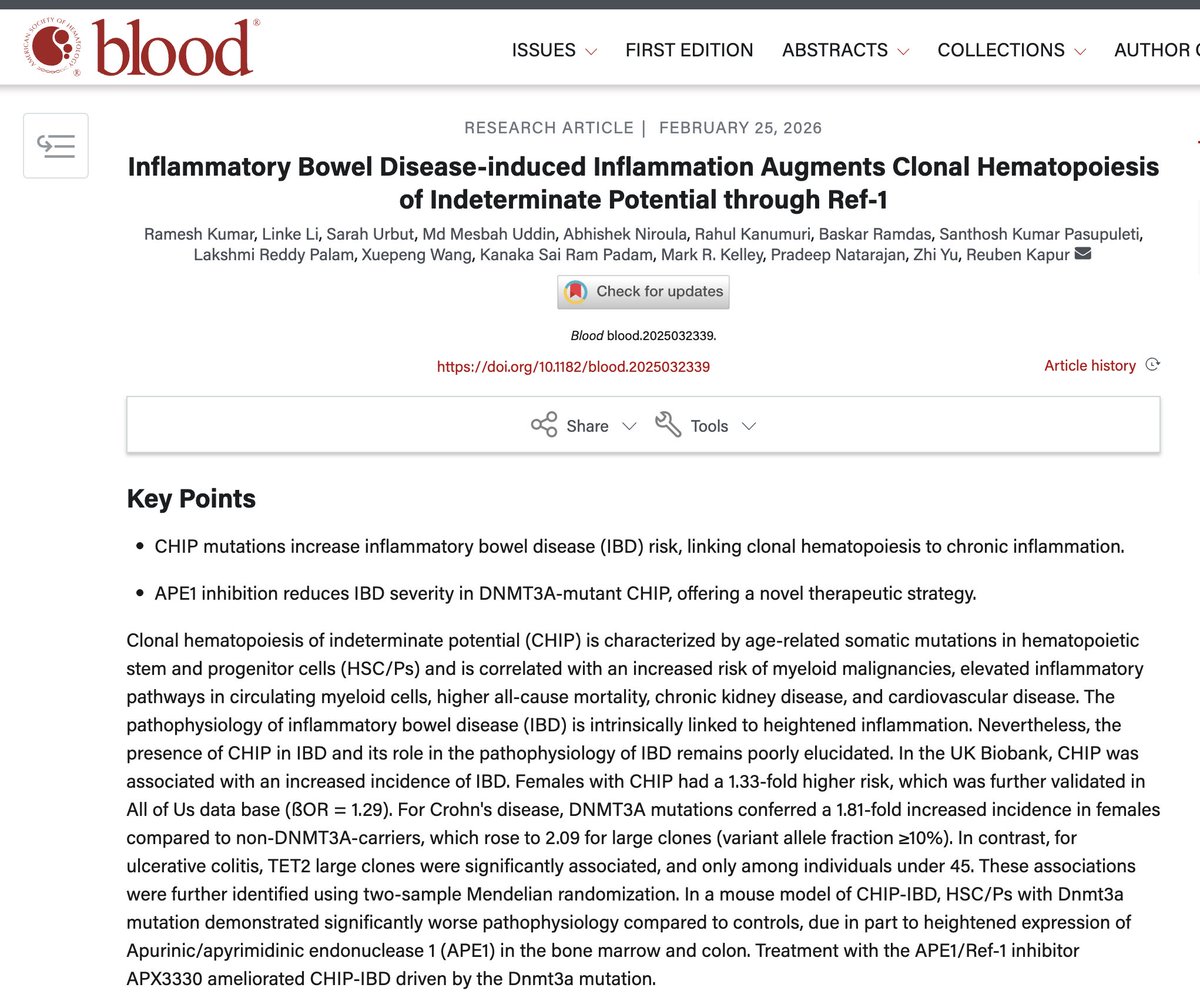
Clonal hematopoiesis of indeterminate potential (CHIP)🧬is linked to multiple organ systems — heart, liver, brain — what about the colon? And if there is a causal link, can we do something about it?
Using Dnmt3a-mutant mouse 🐭models of colitis and human🧓data from UK Biobank & Mass General Brigham, we show that CHIP increases inflammatory bowel disease (IBD) risk; further, APE1/Ref-1 inhibitor APX3330 can ameliorate CHIP-driven IBD, potentially breaking the CHIP-disease link.
🔗https://t.co/mWrrQP4tK5
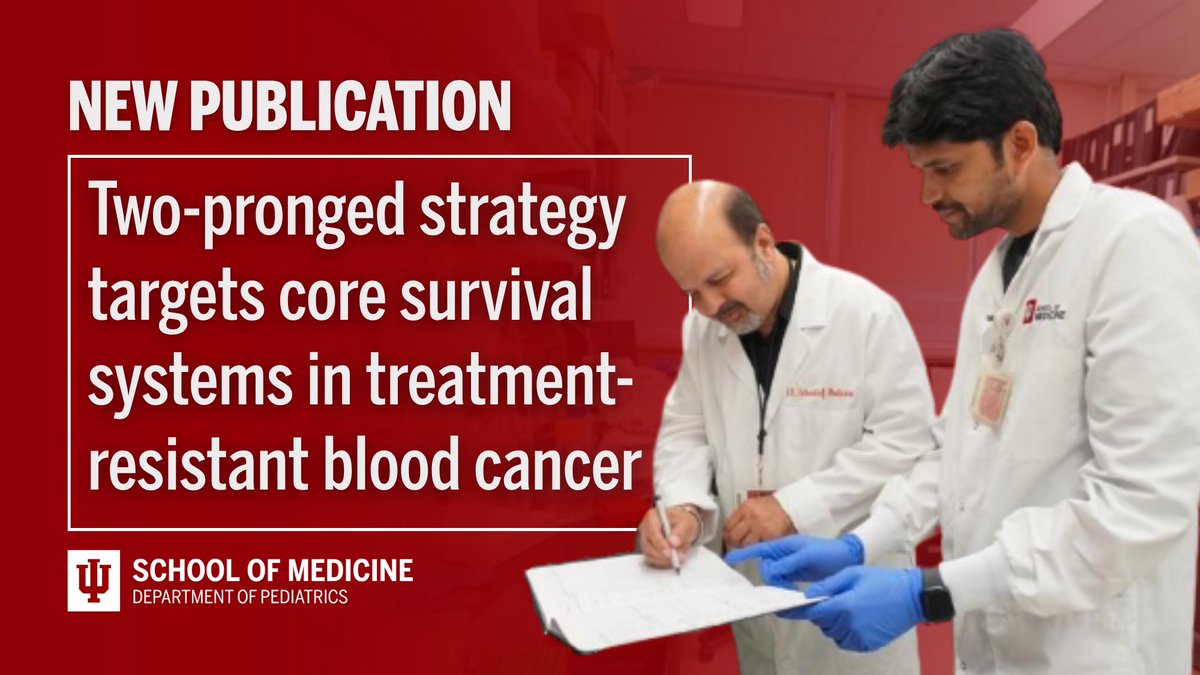
IU cancer center researchers developed a dual-target strategy for acute myeloid leukemia, showing rapid responses in early clinical trials.
Learn more: https://t.co/v2cnYPLbsn.
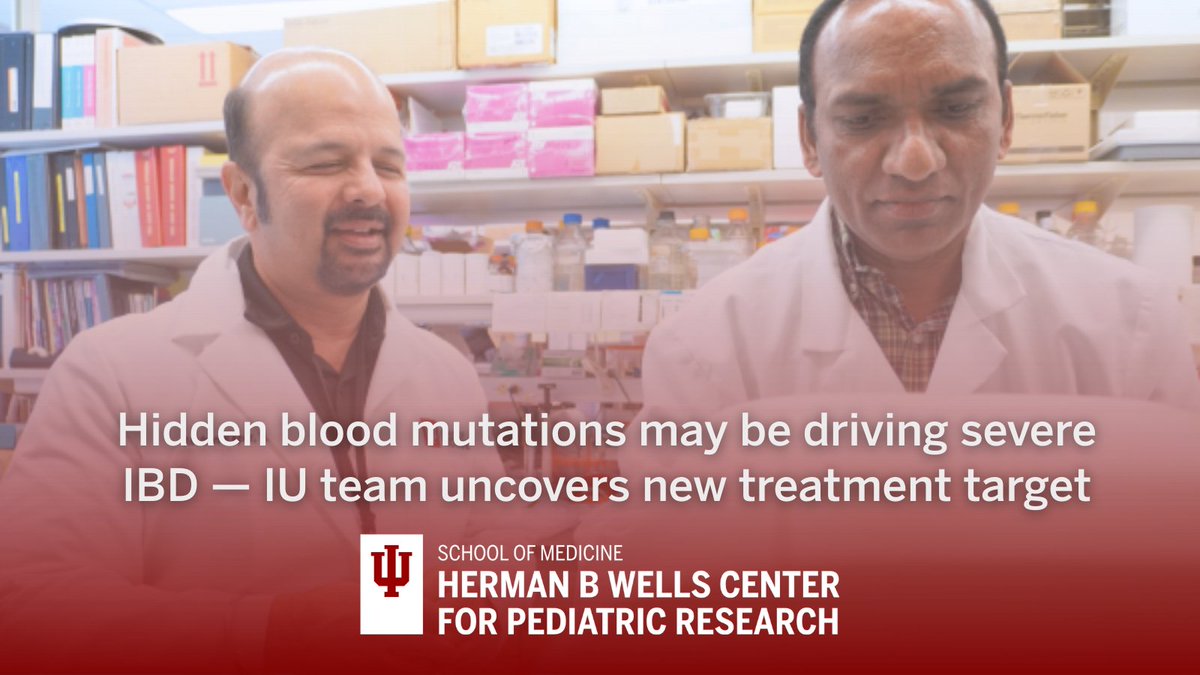
New @IUMedSchool research has linked an age-related blood condition to IBD severity and discovered it may be reversible with a new treatment strategy. This work could help millions with Crohn’s & colitis, and potentially other inflammation-driven diseases.
https://t.co/jnfZScqvKk
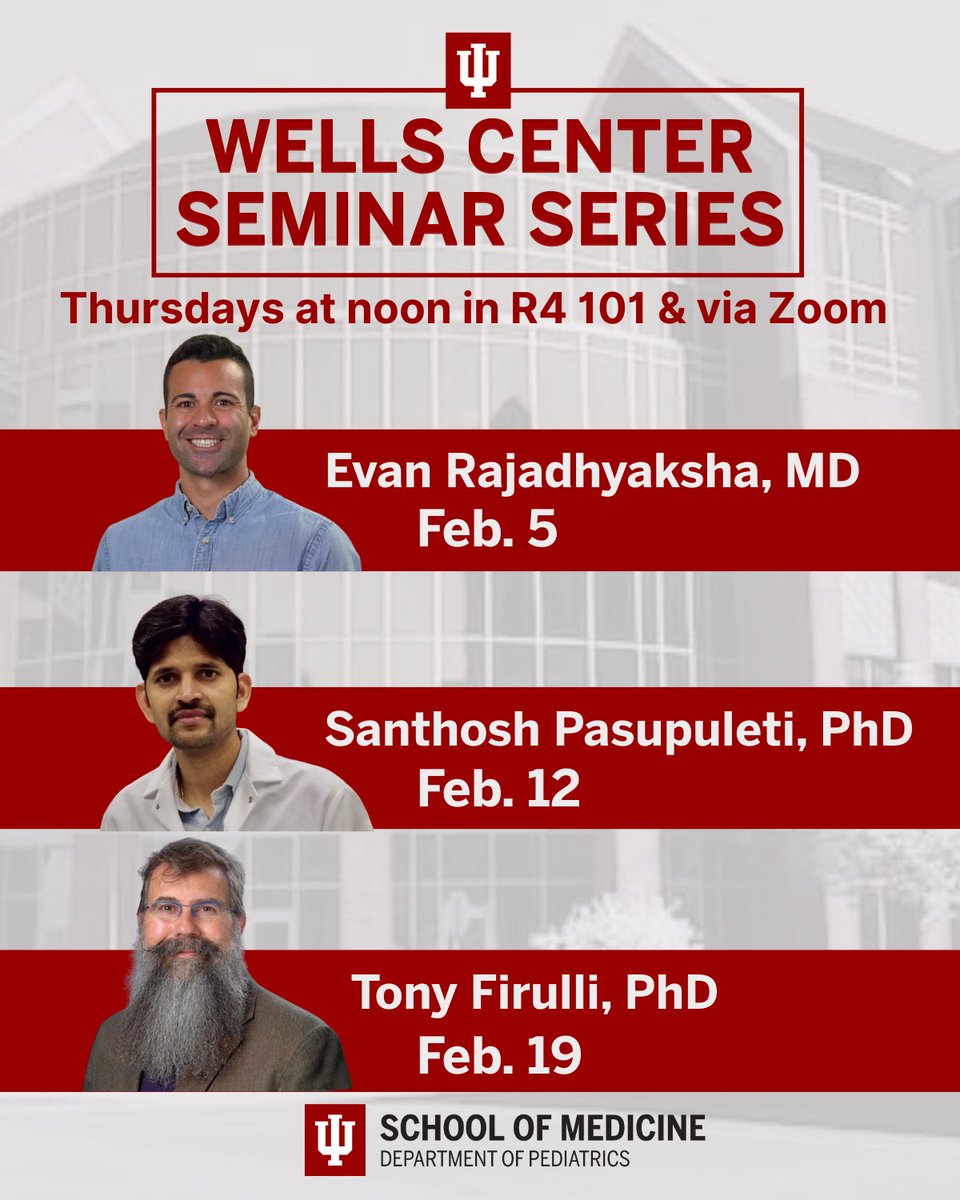
The Wells Center Seminar Series at @IUMedSchool is pleased to announce February's presenters:
Feb. 5 - Evan Rajadhyaksha, MD
Feb. 12 - Santhosh Kumar Pasupuleti, PhD
Feb. 19 - Tony Firulli, PhD
For more information on all upcoming events, visit: https://t.co/TQEUzboLq4
🥳The first publication of the #Special Issue:
📜Title: Early BCR::ABL1 Reduction as a Predictor of Deep Molecular Response in #Pediatric Chronic-Phase Chronic Myeloid #Leukemia
👨⚕️by Xingchen Wang, Wenbin An, et al.
📌https://t.co/yXZz8cL90C
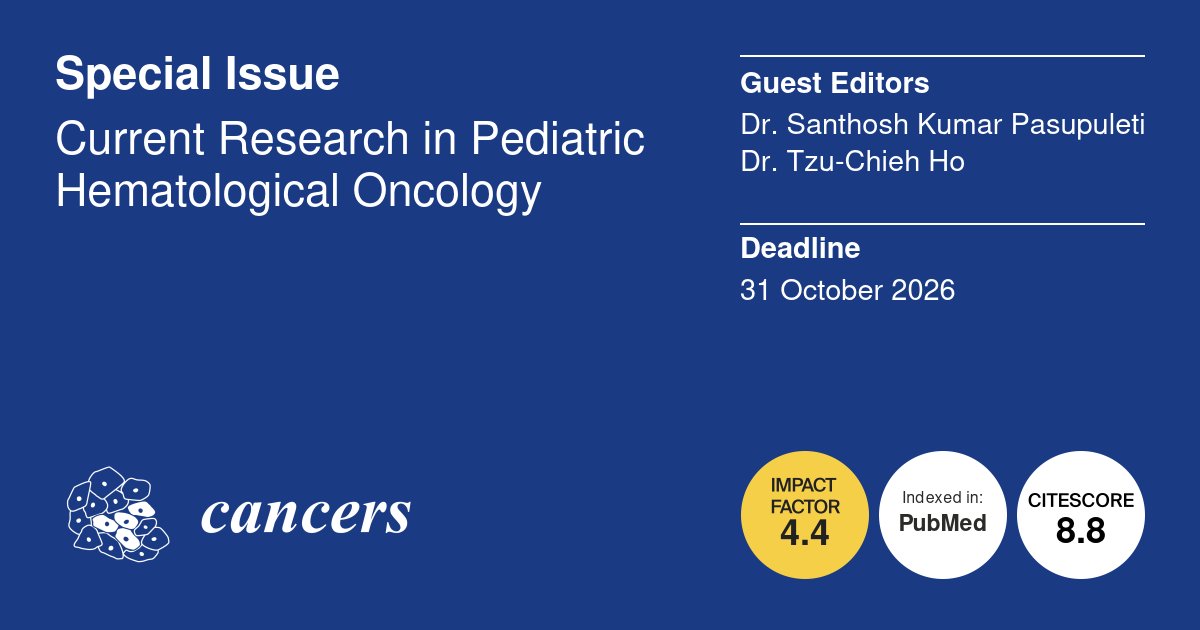
📢We're Excited to share the #SpecialIssue "Current Research in #Pediatric Hematological Oncology" edited by Dr. Santhosh Kumar Pasupuleti & Dr. Tzu-Chieh Ho, now open for submissions! 👏
@IUMedSchool
Find more details here: 📌https://t.co/JBEwOEr3Kc
Thrilled to share our one more collaborative study published in NATURE COMMUNICATIONS. ST2/IL-33 axis blockade inhibits regulatory T cell cytotoxicity towards CD8 T cells in the leukemic niche. https://t.co/eJTxayRrkw