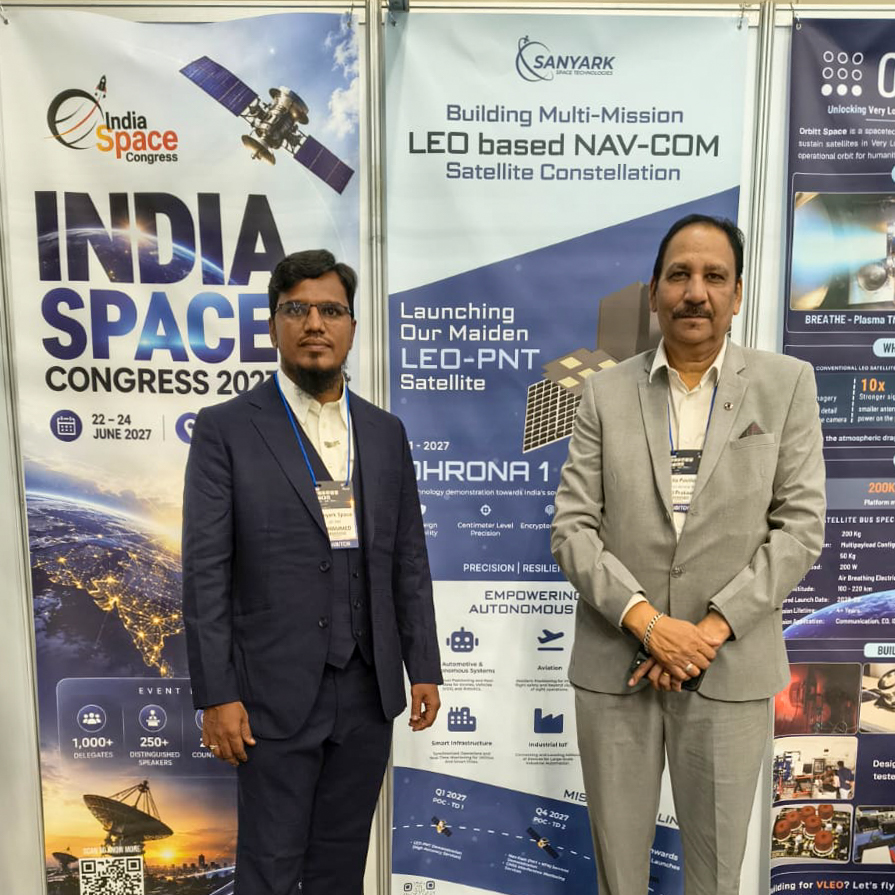
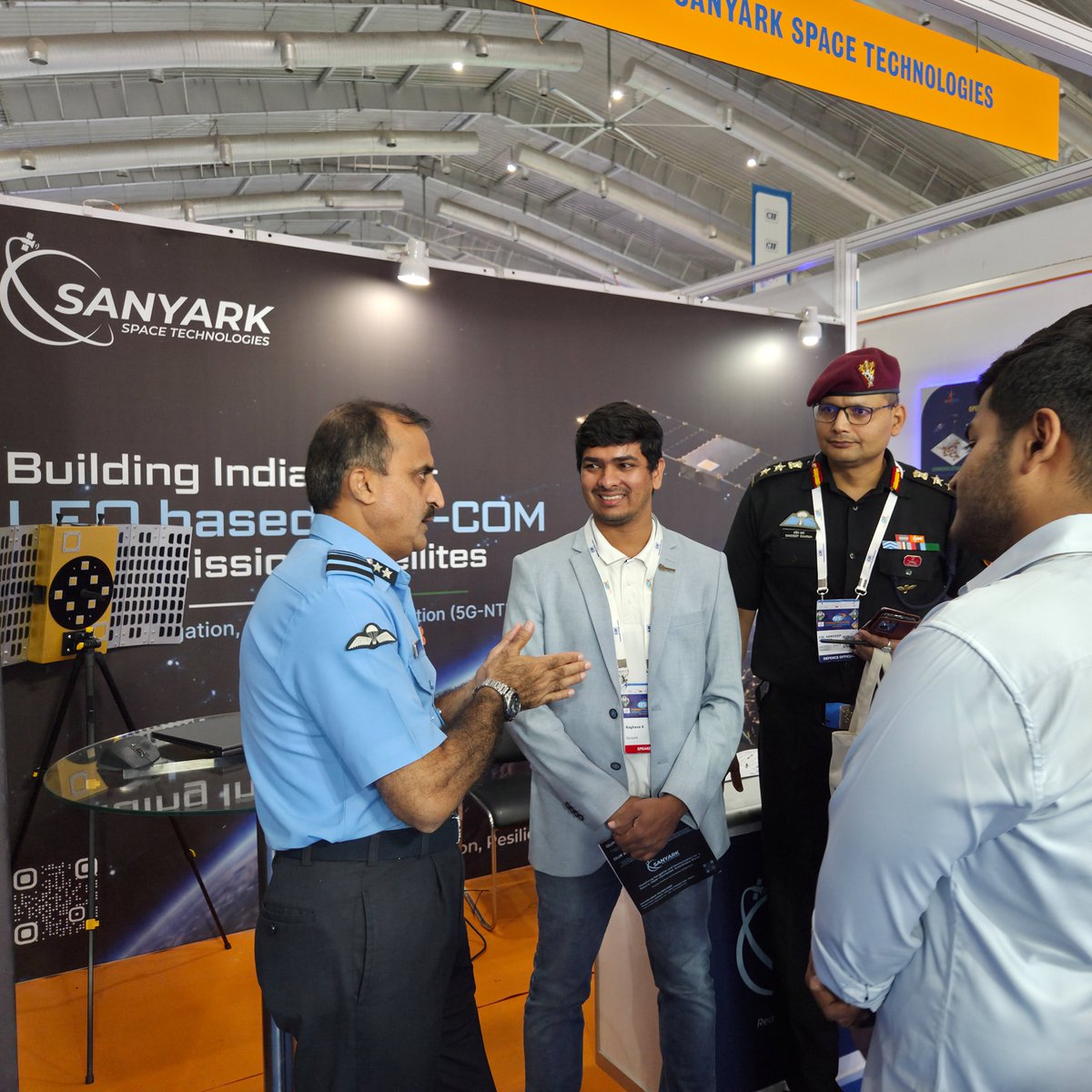
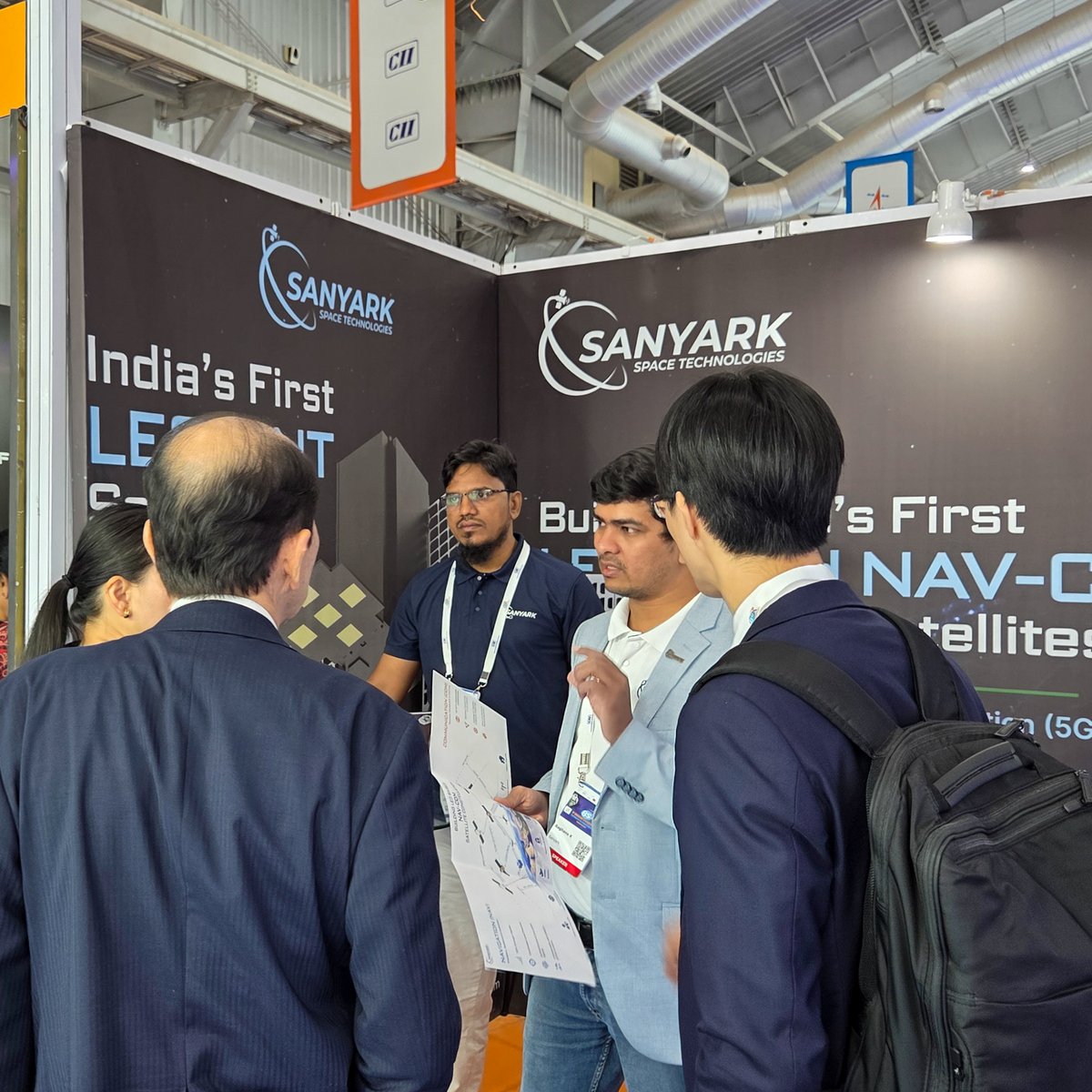
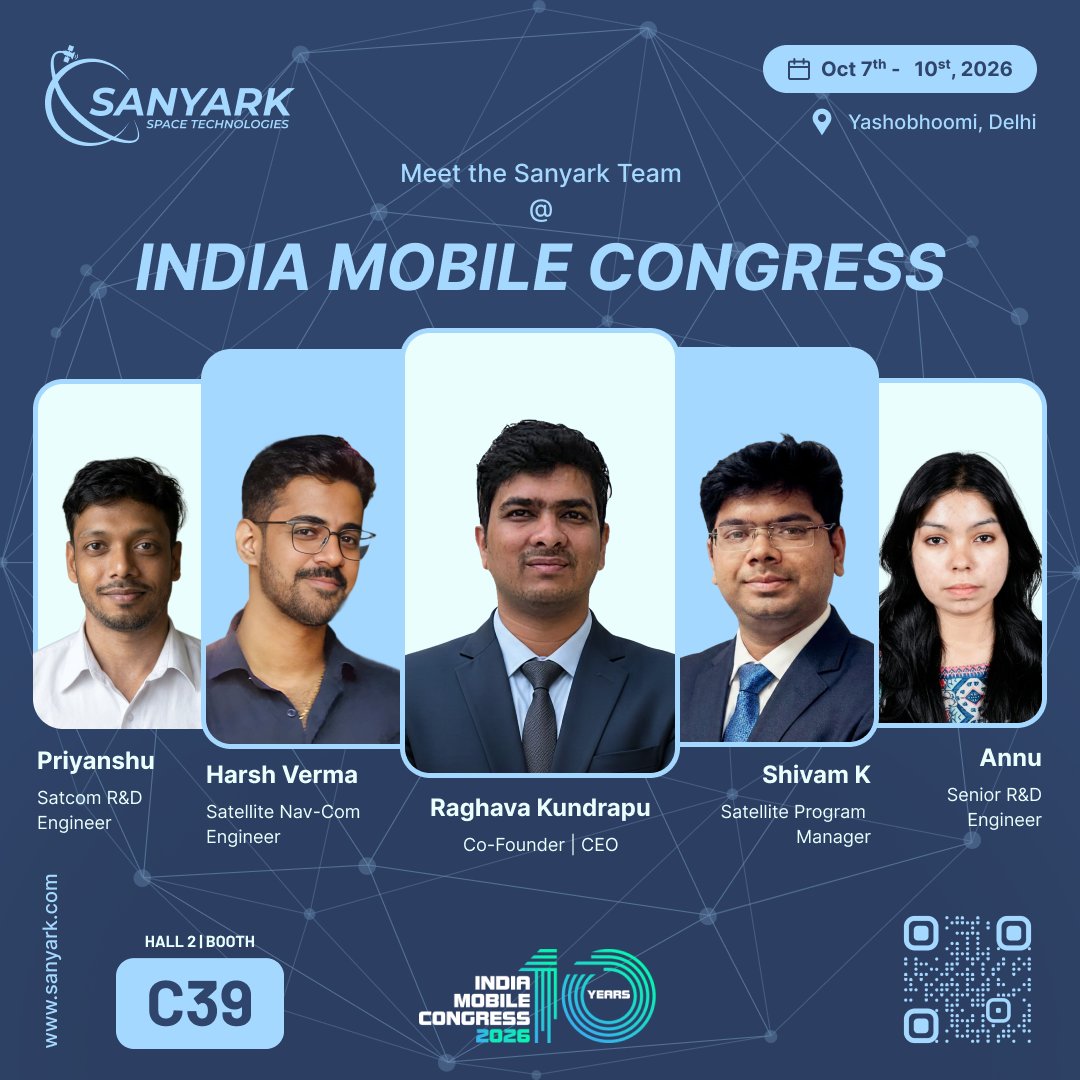
Meet Sanyark at #IMC2026!
Visit us at Hall 2 | Booth C39 to see our demos, explore our space-based NAV-COM technologies, and interact with the Sanyark team.
📅 Oct 7–10
📍 Yashobhoomi, Delhi
Come say hello! 🛰️
#IndiaMobileCongress#SpaceTech
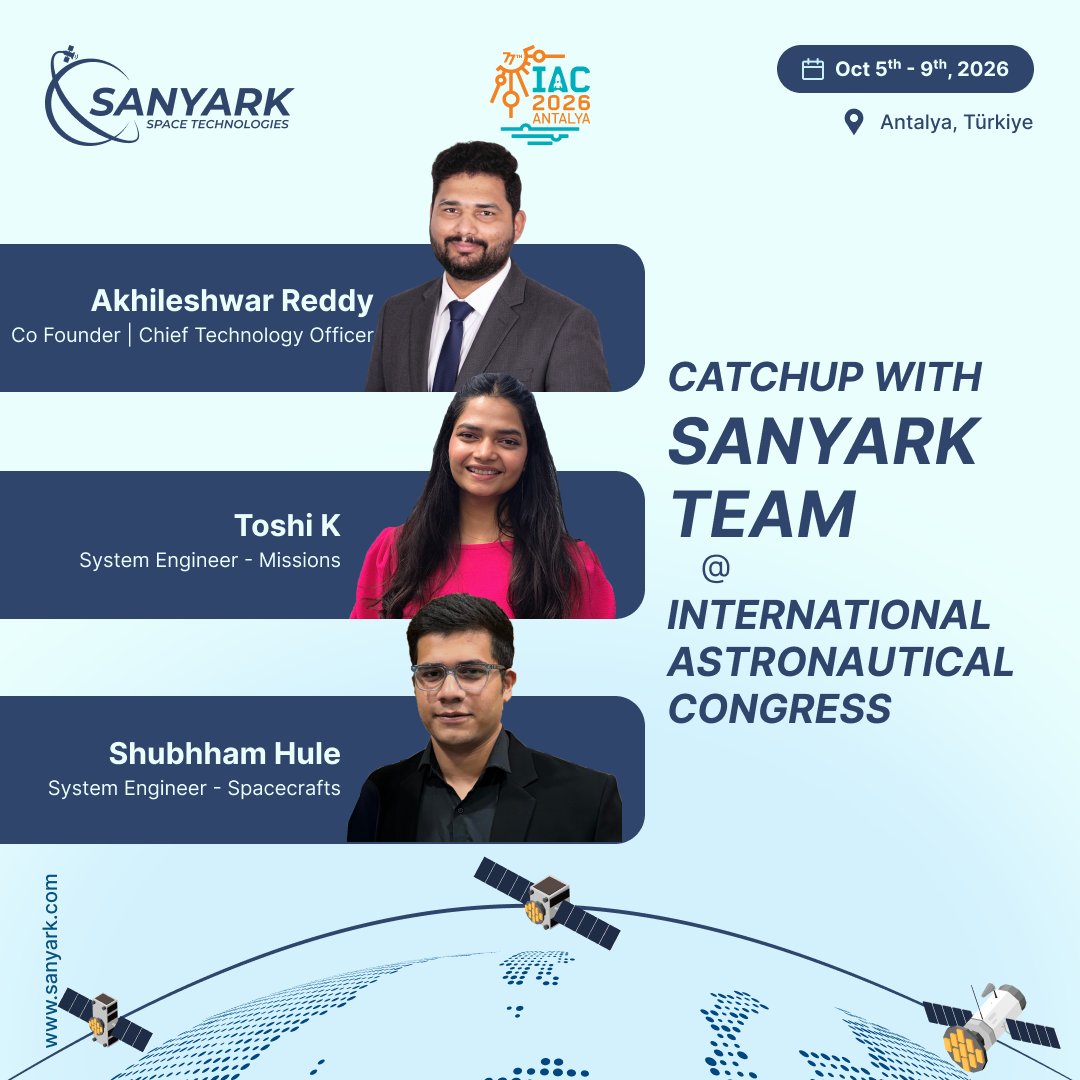
Catch up with the Sanyark Team at #IAC2026! 🚀
Meet our Co-Founder & CTO Akhileshwar Reddy, Toshi K and Shubham Hule in Antalya, Türkiye, Oct 5–9.
Let’s connect, exchange ideas and explore the future of space-based navigation, communication & satellite technologies. 🛰️
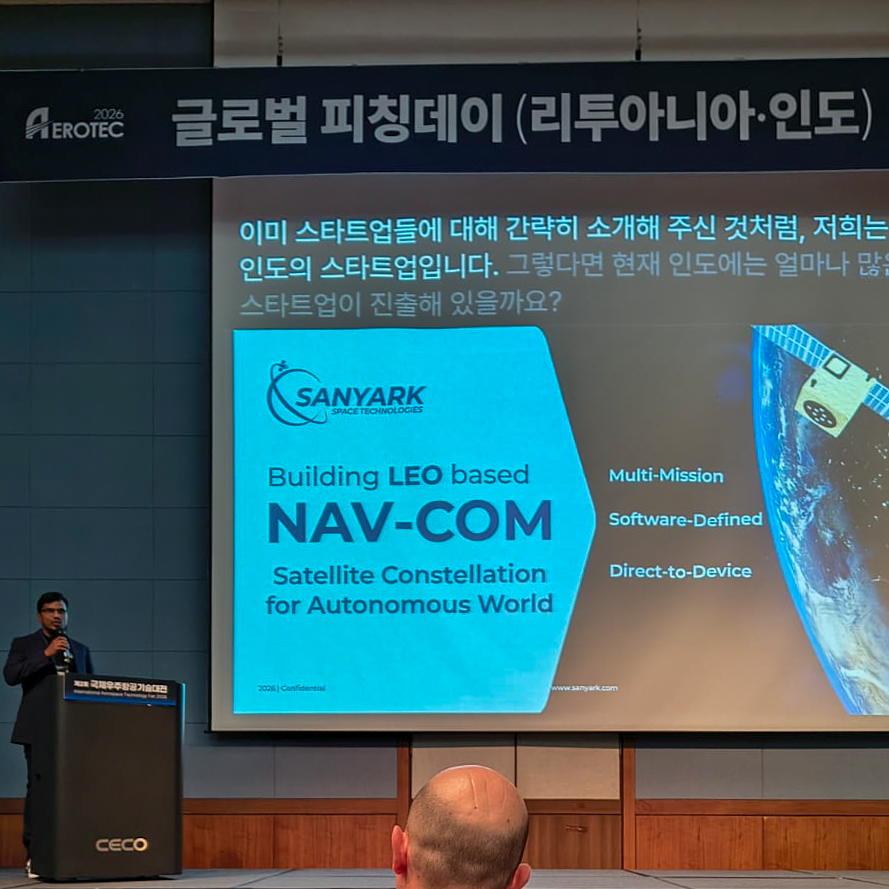
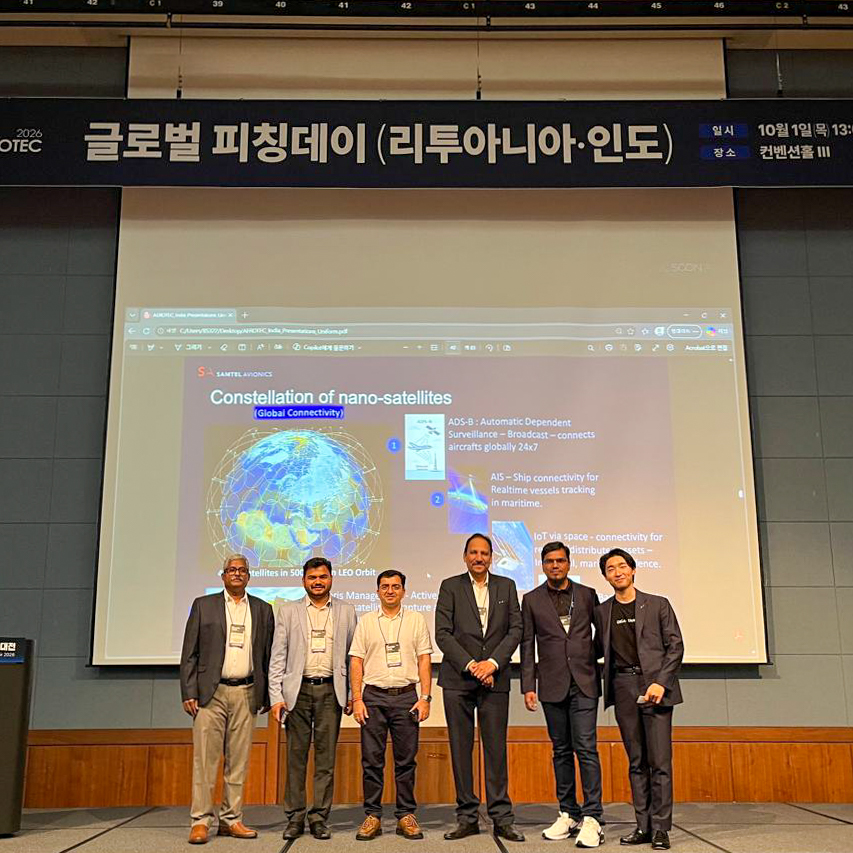
Sanyark at #AEROTEC2026 🇮🇳🇰🇷
Our VP – PNT Systems & Services, Dr. Mohammed Yousuf, represented Sanyark at the India Pavilion, presenting our LEO-based NAV-COM vision.
Thank you, SIA-India, for the opportunity to be part of this global space forum.
#SpaceTech#PNT
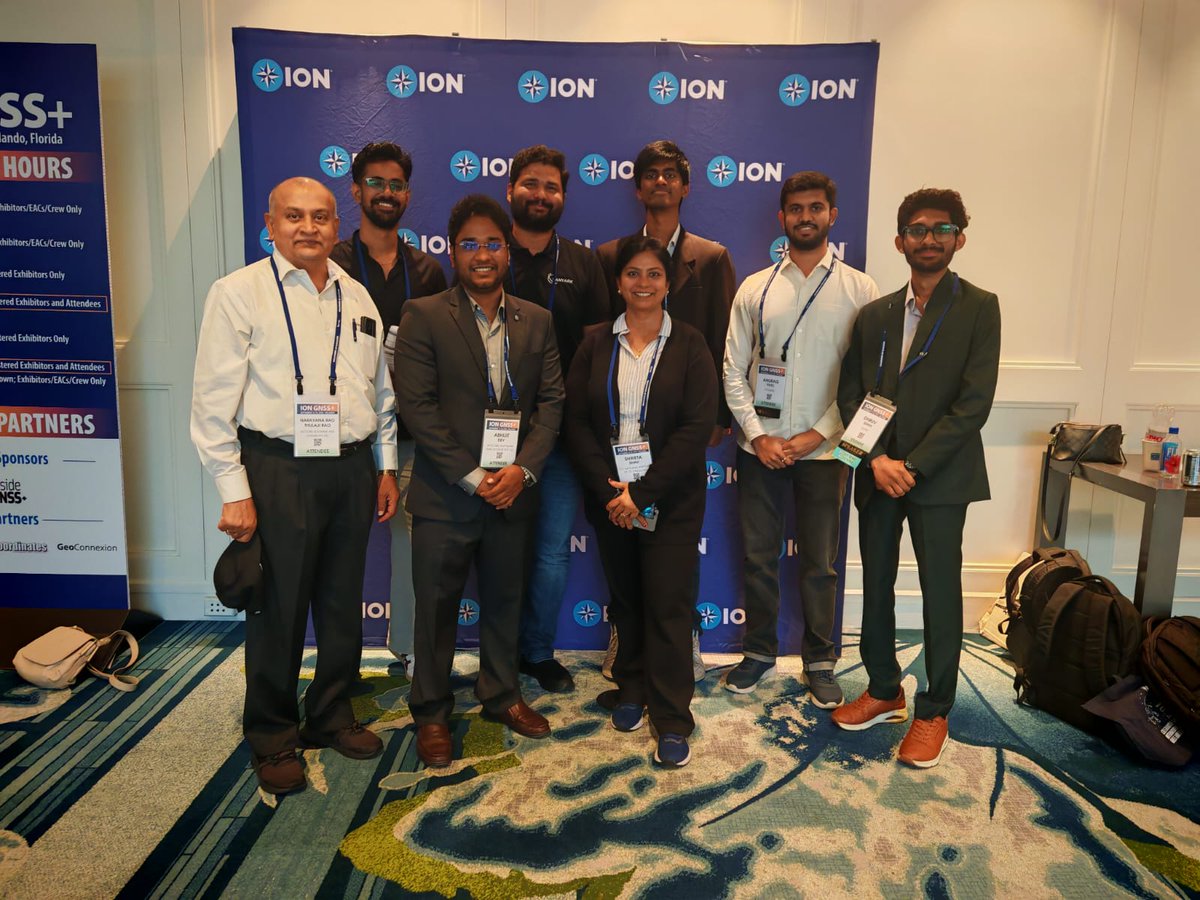
Catching up with the global PNT community at #IONGNSS2026!
Our Sanyark team connected with researchers, engineers and industry leaders to exchange ideas on the future of resilient PNT and next-generation NAV-COM technologies.
#GNSS#PNT#SpaceTech#SanyarkSpace
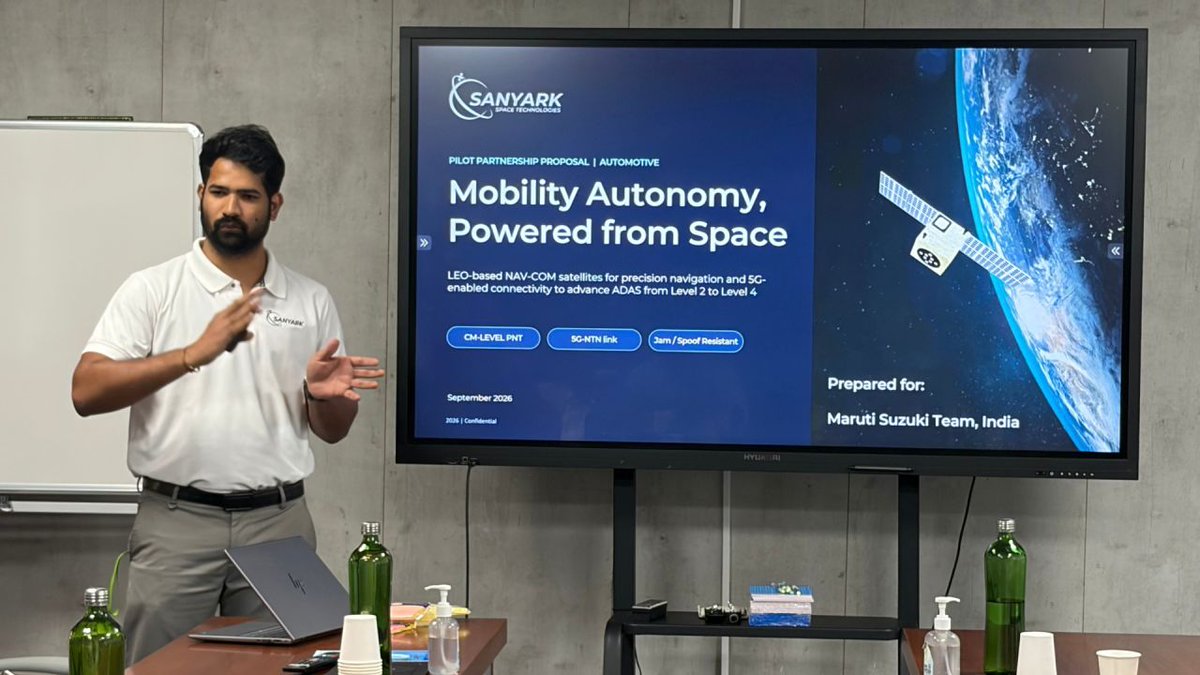
Building a product is the first step. Real-world adoption is where the journey begins.
We presented Sanyark’s “Mobility Autonomy, Powered from Space” vision to the @Maruti_Corp team exploring space-based NAV-COM for mobility.
Thank you @THubHyd, for enabling this conversation!
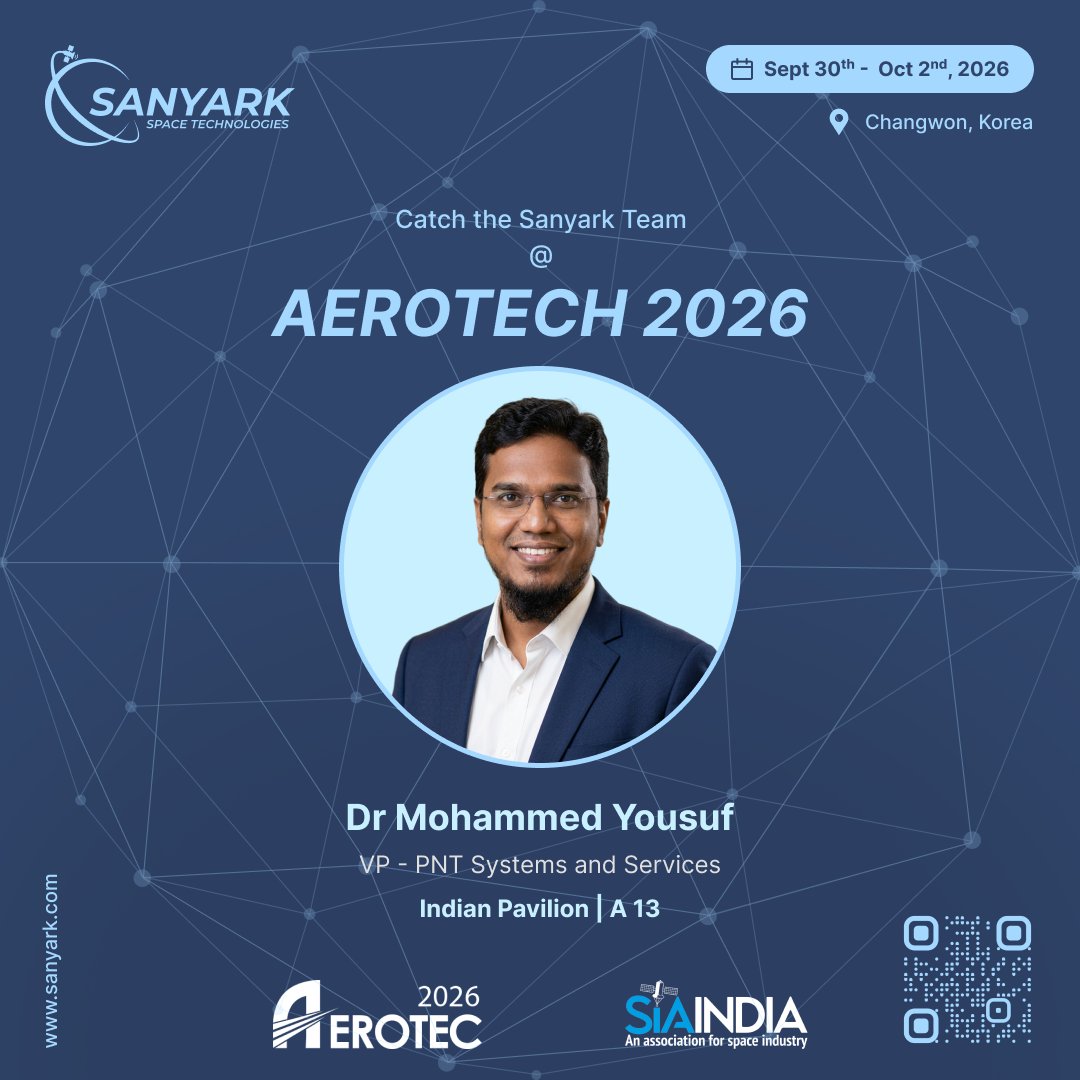
Catch up with Team Sanyark at #AEROTECH2026!
Meet Dr. Mohammed Yousuf, VP – PNT Systems & Services, at the Indian Pavilion, A-13.
📍 Changwon, Korea
📅 Sept 30–Oct 2
Let’s connect on the future of resilient PNT & NAV-COM. 🛰️🇮🇳🇰🇷
#SanyarkSpace#PNT#SpaceTech
Reliable navigation is more than receiving a signal - it’s about knowing that the information you receive can be trusted.
At Sanyark Space, we’re working toward building resilient PNT solutions for a more secure, autonomous and connected world.
#SanyarkSpace#PNT#GNSS#GPS
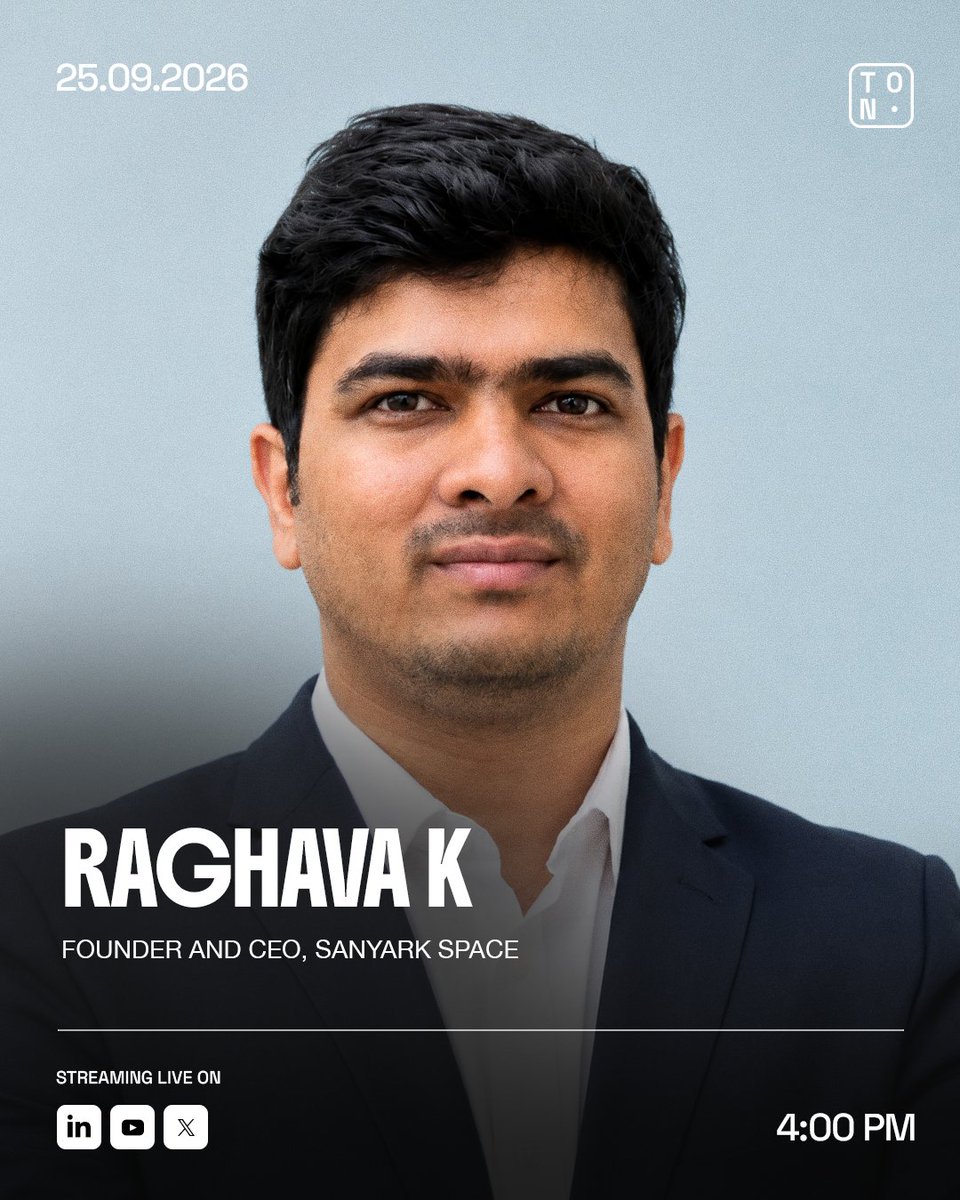
What makes GPS spoofing more dangerous than jamming?
Raghava explains the difference: jamming blocks the signal, while spoofing replicates it and feeds the receiver false navigation information.
“But spoofing is more dangerous than jamming.”
“They replicate exactly like GPS signals or whatever you want from the ground and beam it with a slightly higher power.”
“So that is where it deviates from your actual path.”
@SanyarkSpace
What makes GPS spoofing more dangerous than jamming?
Raghava explains the difference: jamming blocks the signal, while spoofing replicates it and feeds the receiver false navigation information.
“But spoofing is more dangerous than jamming.”
“They replicate exactly like GPS signals or whatever you want from the ground and beam it with a slightly higher power.”
“So that is where it deviates from your actual path.”
@SanyarkSpace
🇮🇳 India Pavilion at AEROTEC 2026 | Changwon, Korea
SIA-India is proud to facilitate the participation of Indian space and aerospace companies at AEROTEC 2026, the 2nd International Aerospace Technology Fair, taking place from 30 September – 2 October 2026 in Changwon, Korea.
The India Pavilion (Booth A-13) will bring together Indian capabilities across aerospace, defence, avionics, space technology and emerging NewSpace solutions.
Participating companies:
Anil Engineering Pushpak Aerospace & Defence Samtel Avionics SkyServe Orbit Space Sanyark Space Technologies
From innovation and advanced manufacturing to space technologies and aerospace solutions, the India Pavilion will provide a platform to connect Indian industry with global partners, explore new opportunities and build meaningful collaborations.
📍 Booth: A-13
📅 30 September – 2 October 2026
📌 Changwon, Korea
Meet the Indian Space Industry. Let’s shape new possibilities together. 🇮🇳🤝🇰🇷
#SIAIndia #AEROTEC2026 #IndiaPavilion #Aerospace #SpaceIndustry #IndianSpaceIndustry #NewSpace #AerospaceTechnology #SpaceTechnology #IndiaKorea #GlobalCollaboration #Changwon #AerospaceInnovation
@pushpakprakash@SamtelAvionics@SkyServe_AI@SanyarkSpace
Celebrating the engineers who turn ideas into impact.
From advancing space technology to enabling a more connected and autonomous tomorrow, engineering drives progress.
Inspired by Sir M. Visvesvaraya, we keep building with purpose.
Happy Engineers’ Day!
#EngineersDay
Every great journey begins with a first step.
This #GaneshChaturthi, we seek Lord Ganesha’s blessings as we begin our journey with #Dhrona1 - taking our first steps toward the next generation of precision navigation & communication from India. 🇮🇳🛰️
Ganpati Bappa Morya! 🙏
Catch up with Team Sanyark at #IONGNSS2026!
Meet Akhileshwar Reddy, Co-Founder & CTO, and Harsh Verma, Satellite NAV-COM Engineer, in Orlando, Sept 14–18.
Let’s connect and talk about the future of resilient PNT & space-based NAV-COM. 🛰️
#SanyarkSpace#GNSS#PNT
Day 3 at #BSX2026!
Three days of meaningful conversations, new ideas and opportunities to collaborate for the growth of India’s space ecosystem. 🇮🇳
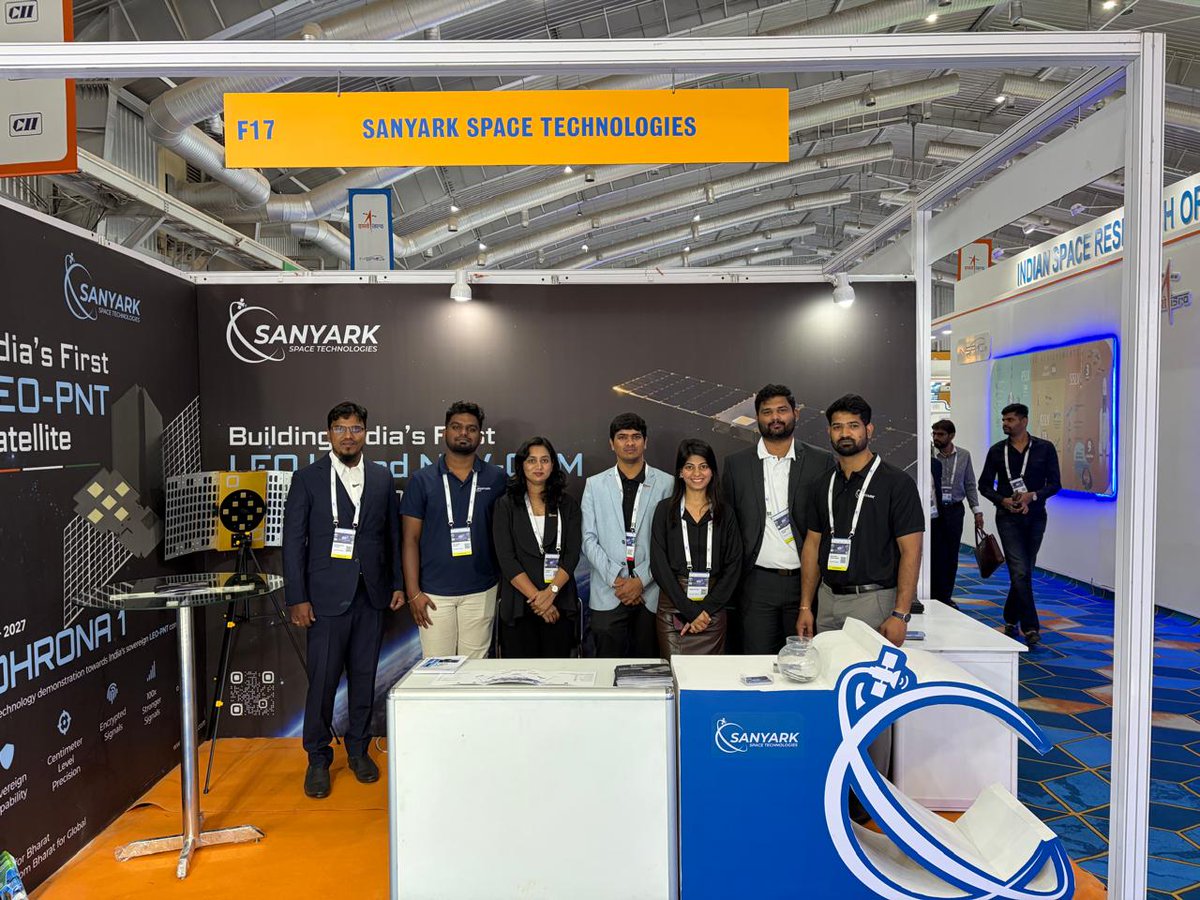
Thank you to everyone who visited us at Booth F17 and connected with our team!
#SanyarkSpace#SpaceTech#NewSpaceIndia
Industry collaboration is key to taking deep-tech innovation from R&D to orbit.
#Sanyark Space Technologies has signed an MoU with @XdlinxSpaceLabs for a strategic partnership supporting Dhrona-1, targeted for launch in Q1 2027 and future Nav-Com Missions. 🛰️
#Dhrona1#XDLINX
A step forward for next-gen PNT!
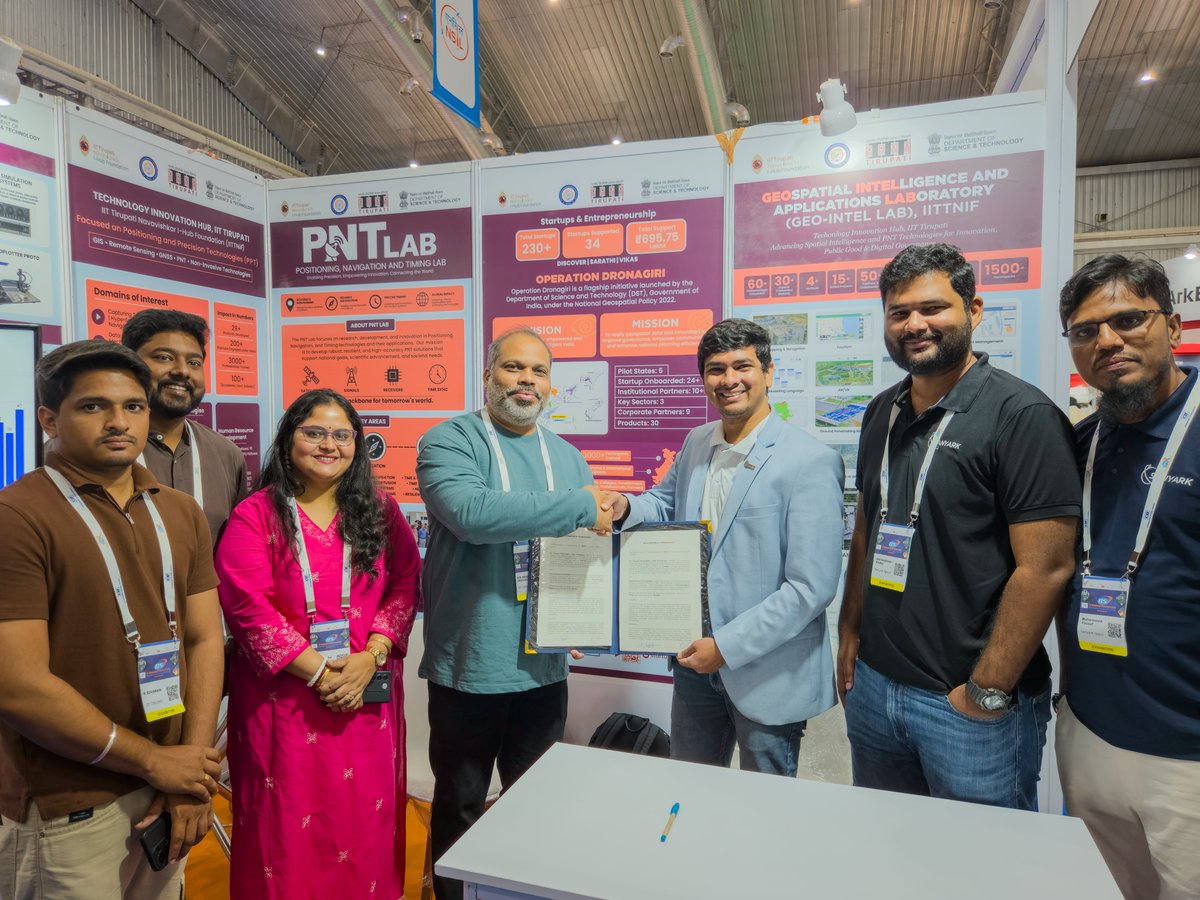
At #BSX2026, Sanyark Space Technologies signed an MoU with @iit_tirupati for R&D in advanced PNT technologies and atomic clocks.
Building indigenous, resilient PNT capabilities for the future. 🛰️
#SanyarkSpace#PNT
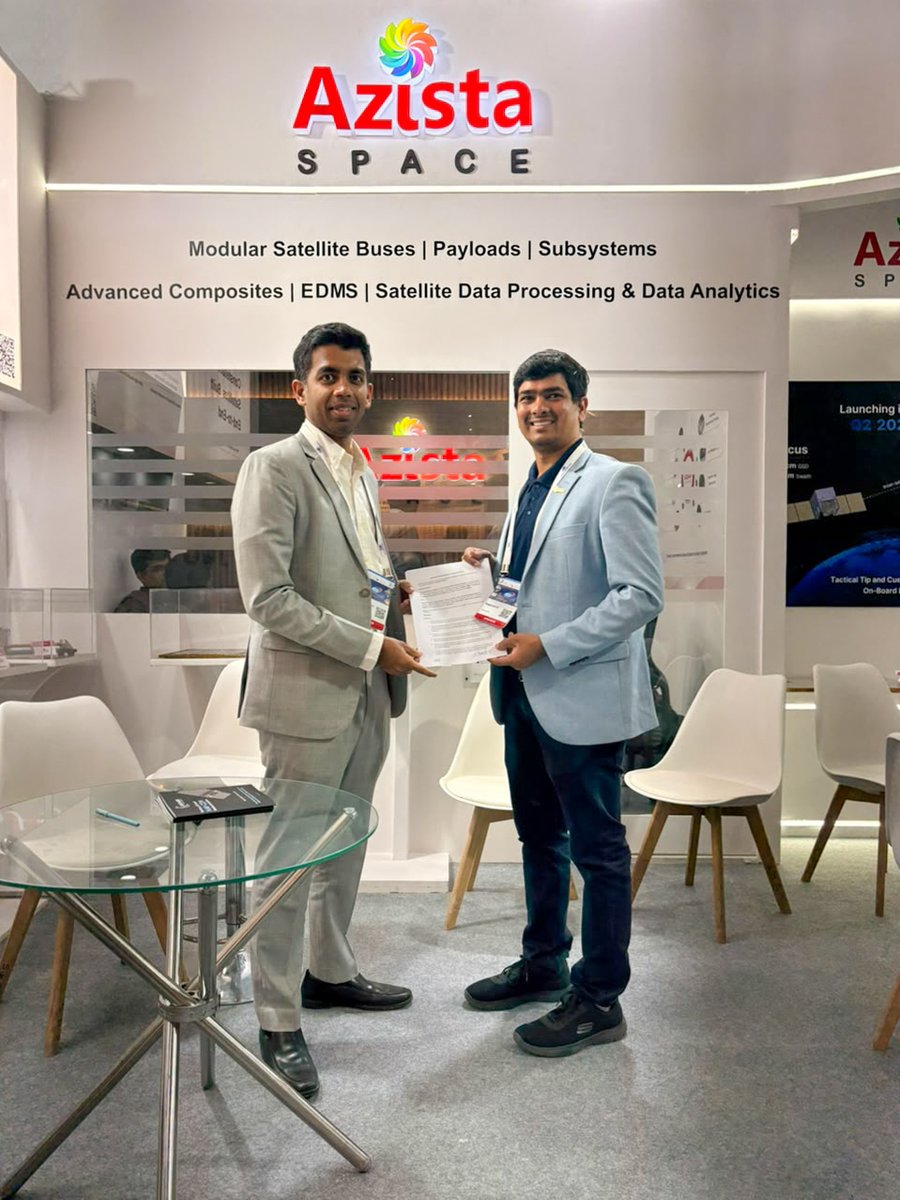
Excited to partner with @azistaspace!
Our MoU will enable "Nav-Com payload demonstrations on Dhrona-2" and future missions, with Dhrona-2 targeted for Q4 2027.
From technology demonstration to future constellations. Upwards and onwards!
#SanyarkSpace#AzistaSpace#Dhrona2
Dhrona-2 and Future Constellations!
Azista Space and Sanyark Space signed an MoU for long-term collaboration on technology demonstration of “Nav-Com Payloads on Dhrona-2" and future missions.
The partnership brings together complementary capabilities with the objective of enabling reliable, scalable, and cost-effective satellite solutions, supporting Sanyark’s future mission requirements and accelerating the transition from technology demonstration to long-term commercial satellite programs.
We are excited about this collaboration and look forward to building a strong and enduring partnership with Sanyark Space.
From technology demonstration to commercial constellations—building for the future of space, from India to the globe.
Excited for Dhrona-2!!
Aiming for Q4 2027 launch!!
Upwards and Onwards!!
#AzistaSpace #SanyarkSpace #Dhrona2 #SpaceCollaboration #NavCom #SatelliteMissions
Day 2 at #BSX2026 is underway!
We’re at Booth F17, connecting with innovators, industry leaders & space enthusiasts and showcasing Sanyark’s work in LEO-based NAV-COM and resilient PNT technologies.
At BSX? Come meet us at F17! 👋
#SanyarkSpace#SpaceTech#NewSpaceIndia
🚨 𝗛𝘆𝗱𝗲𝗿𝗮𝗯𝗮𝗱-𝗯𝗮𝘀𝗲𝗱 𝗦𝗮𝗻𝘆𝗮𝗿𝗸 𝗦𝗽𝗮𝗰𝗲 𝗶𝘀 𝗯𝘂𝗶𝗹𝗱𝗶𝗻𝗴 𝗜𝗻𝗱𝗶𝗮'𝘀 𝗻𝗲𝘅𝘁-𝗴𝗲𝗻 𝗡𝗮𝘃𝗜𝗖, 𝗹𝗮𝘂𝗻𝗰𝗵𝗶𝗻𝗴 𝗤𝟭, 𝟮𝟬𝟮𝟳! 🛰
Sanyark Space is developing a constellation of NAV-COM (navigation + communication) satellites to provide Positioning, Navigation & Timing services at centimeter-level accuracy, acting as a more advanced version of NavIC and GPS, while also offering communication (IoT/M2M) services!
They plan on building a constellation of initially 40 satellites in Low Earth Orbit to secure coverage in India, South Asia and the Middle-East, and in the future, expand it to 240 satellites for global coverage.
In today's age, satellite navigation forms the basis of countless technologies and services we use daily that we usually take as granted.
However, all modern day GNSS constellations are situated either in Geostationary or Medium Earth Orbits very high above Earth. This causes the signals arriving from those satellites to become extremely weak by the time they reach the Earth's surface.
As a result, PNT services offered by these constellations have the following shortcomings:
• Jamming and spoofing:
The weak signals can easily jammed or spoofed, even by using small and cheap jammers or spoofers. Between Nov 2023 to Nov 2025, India's DGCA recorded 1,951 incidents of GPS interferences affecting major airports and aviation hubs across India.
• Urban "canyon effects":
Buildings and infrastructure block weak signals in cities where navigation services are often most needed and precision is most critical.
• Inability to meet today's demands:
Modern applications such as autonomous vehicles (ADAS 2+), advanced drones and defence systems, resilient maritime/aviation operations etc. require centimeter-level positioning accuracy which current systems cannot consistently deliver.
These are the problems that Sanyark Space has set out to solve with their NAV-COM constellation.
As their satellites will operate in Low Earth Orbit between 500-1,000 km above Earth, it will result in more than 100x stronger signal strength on Earth compared to others such as NavIC located at 36,000 km altitude, making it dramatically more resistant to jamming and spoofing.
The stronger signal strength also means the signals can penetrate through buildings in urban landscapes and constrained environments where traditional GNSS systems struggle.
Additionally, the shorter distance from Earth means faster signal travel, reducing latency and allowing for better real-time positioning.
The most important part of any navigation satellite is the on-board atomic clock which provides extremely precise measurements of time crucial for determining the position of users through radio signals travelling at the speed of light.
Instead of using heavy and expensive atomic clocks used on NavIC and others, Sanyark will be using a hybrid approach using compact and inexpensive chip-scale atomic clocks on board their satellites and synchronize them using timing information received from atomic clocks at ground stations as well as existing NavIC or other GNSS satellites.
Although these chip-scale atomic clocks will be sourced from foreign vendors, Sanyark Space is also collaborating with IIT Tirupati who are developing their own chip-scale atomic clocks, and eventually they plan to use indigenously manufactured ones when they become available.
The use of timing information from ground and existing GNSS sats will allow their satellites to remain functional even in the case of their on board clocks experiencing any issues.
Sanyark's critical focus remains on making this architecture interoperable with others, meaning hardware designed to receive signals from NavIC and other GNSS satellites can also be used to seamlessly receive signals from their constellation.
(1/2)
Read 2nd part in the replies below for details reg. first orbital mission, launch date, and more...