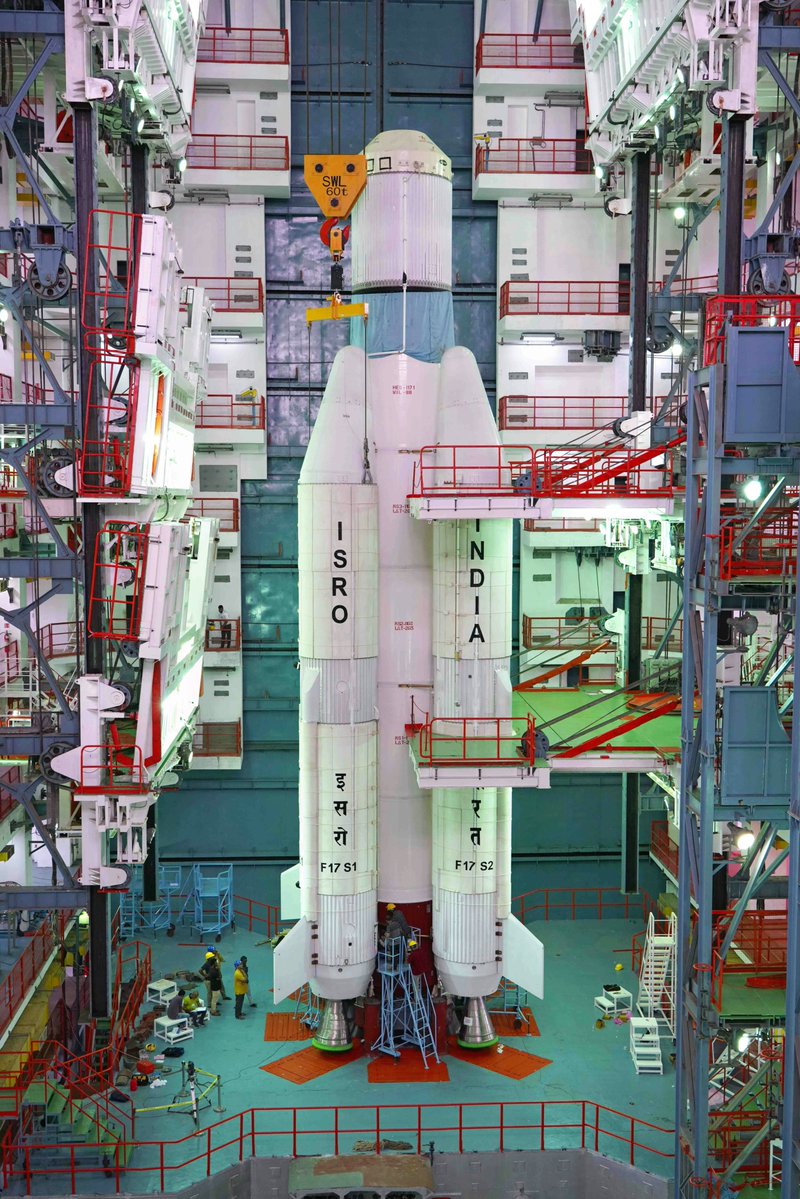
🚨 𝗚𝗦𝗟𝗩-𝗙𝟭𝟴 𝘀𝗰𝗵𝗲𝗱𝘂𝗹𝗲𝗱 𝘁𝗼 𝗹𝗶𝗳𝘁 𝗼𝗳𝗳 𝗼𝗻 𝟯𝟬 𝗢𝗰𝘁!
ISRO has cleared the GSLV-F18 mission for launch on 30 October. 🚀
It will launch the NVS-03 satellite into GTO, with the aim of bringing India's NavIC constellation back into service.
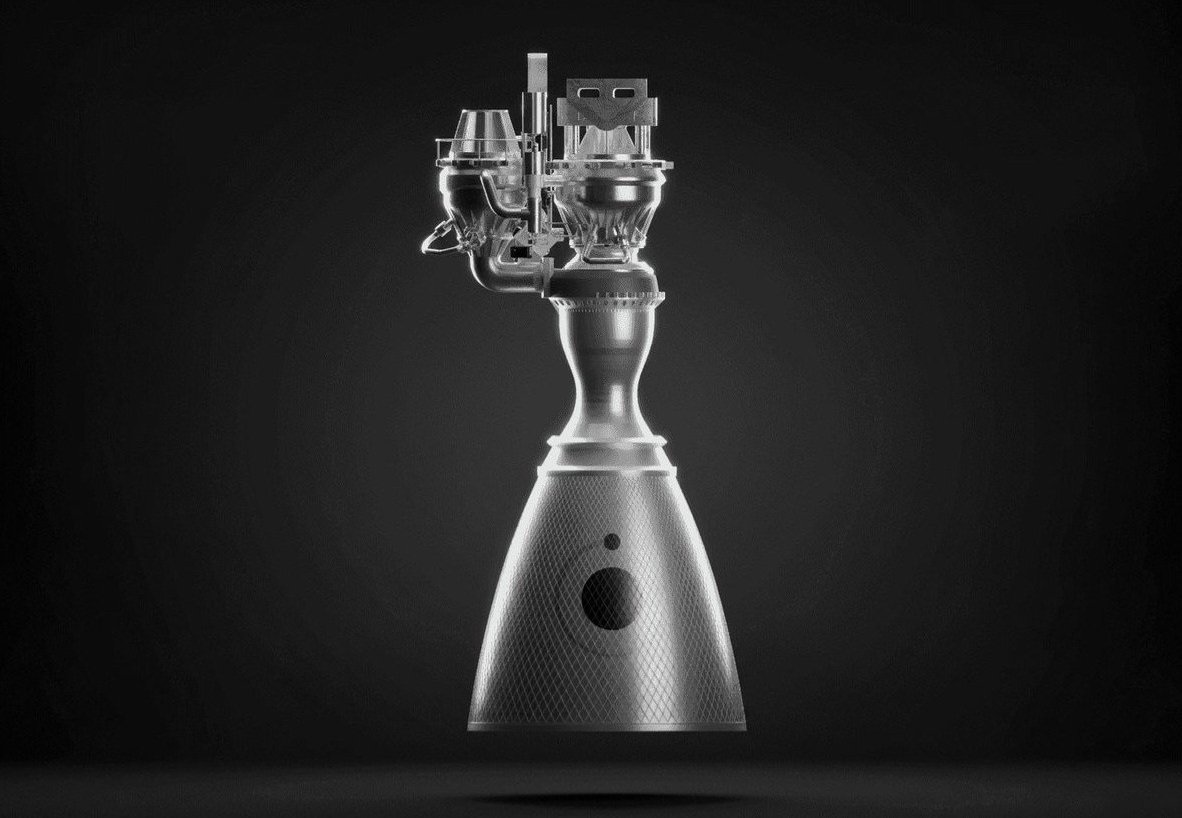
🆕️ ISRO is developing a SpaceX Raptor class FFSC Methalox engine 🔥
ISRO has announced they have completed the design of a 2,400 kN Full-Flow Staged Combustion cycle CH4-LOX rocket engine, to be used on a future heavy lift human-rated launch vehicle for crewed lunar landing missions.
More details awaited...
(Image for representation only)
🚨 ISRO conducts series of tests on LME-1100, engine to be ready by mid-2027! 🔥
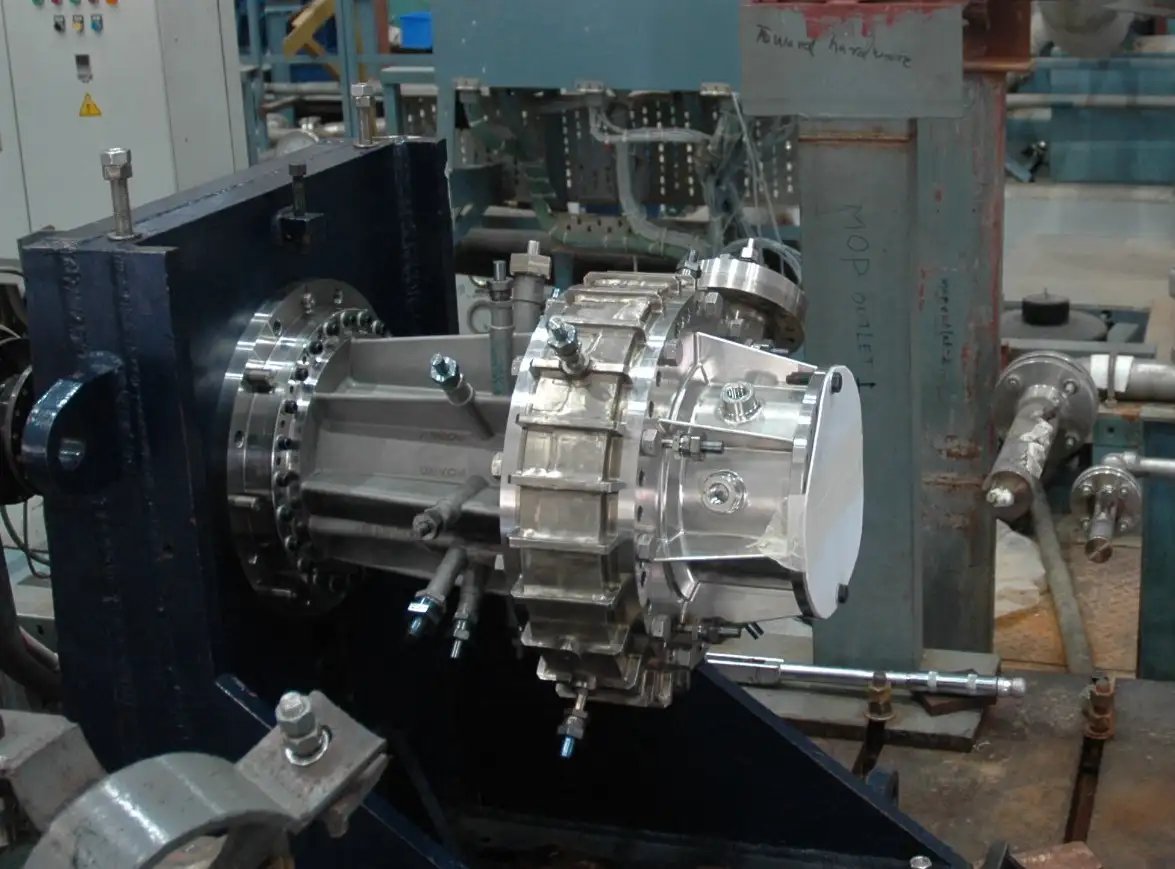
Recently, ISRO has performed the following sub-scale & full-scale test activities on their methalox LME-1100 engine under development -
1. Full-scale Gas Generator cold flow test
2. Sub-scale Thrust Chamber hot test
3. LOX turbopump impeller spin up test
4. Fuel & oxidizer rich spark torch igniters, semiconductor based spark plug, laser based igniters tested
ISRO has stated that the full-scale integrated engine is expected to be ready by middle of 2027, which will be followed by a series of hot tests to characteristize its performance.
LME-1100 will be used on ISRO's upcoming partially reusable NGLV rocket.
🚨 ��𝗮𝗴𝗮𝗻𝘆𝗮𝗮𝗻 𝗖𝗠-𝗦𝗠 𝘀𝗲𝗽𝗮𝗿𝗮𝘁𝗶𝗼𝗻 𝘁𝗲𝘀𝘁
ISRO has successfully conducted a test of Gaganyaan's Crew Module (CM) - Service Module (SM) separation system at VSSC! 🔥
Near the end of every orbital mission of Gaganyaan just before atmospheric reentry, it is crucial for the CM to cleanly separate from the SM for a safe return to Earth.
The goal of the test was to not only test the mechanical separation of the CM from SM, but also to demonstrate the smooth severing of the umbilical lines containing electrical and fluid connections running between them, as well as, testing the ability of the subsystems on board CM to survive the shocks and vibrations generated by the separation event.
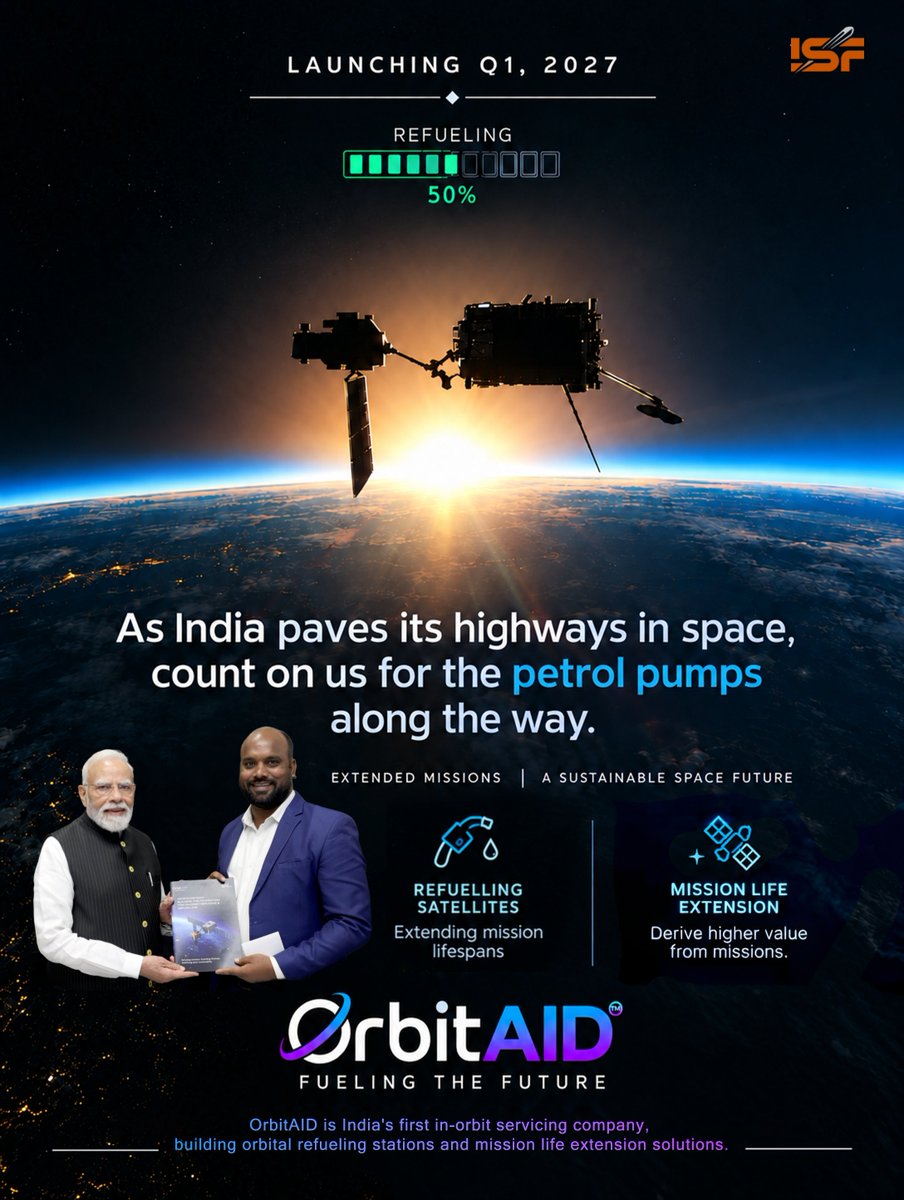
🚨 𝗢𝗿𝗯𝗶𝘁𝗔𝗜𝗗 𝗶𝘀 𝗴𝗲𝗮𝗿𝗶𝗻𝗴 𝘂𝗽 𝗳𝗼𝗿 𝗜𝗻𝗱𝗶𝗮'𝘀 𝟭𝘀𝘁 𝘀𝗮𝘁𝗲𝗹𝗹𝗶𝘁𝗲 𝗿𝗲𝗳𝘂𝗲𝗹𝗶𝗻𝗴 𝗺𝗶𝘀𝘀𝗶𝗼𝗻 𝗶𝗻 𝗙𝗲𝗯 𝟮𝟬𝟮𝟳! 🛰
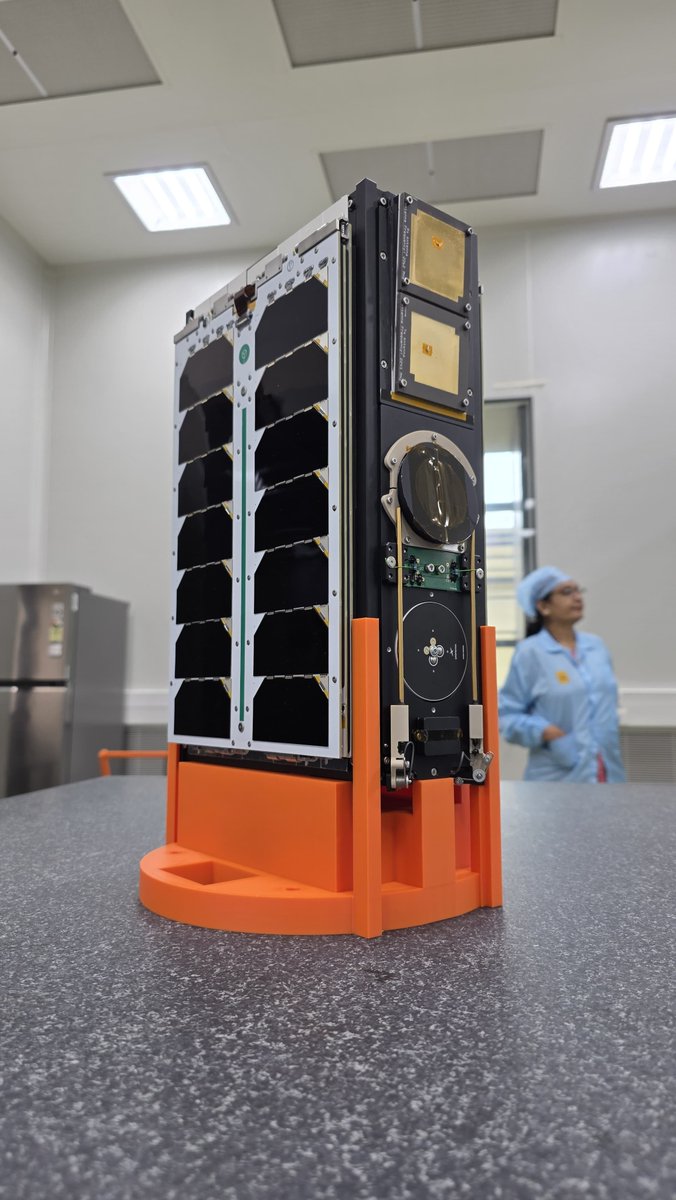
Following their AayulSAT-1 mission for internal fuel+power transfer demo set for launch on SSLV-L1 in early November, OrbitAID will launch twin satellites AayulSAT-2A & 2B on an Indian launch vehicle in February 2027!
The purpose of this mission will be to provide an autonomous end-to-end demonstration of Rendezvous, Proximity Operations and Docking (RPOD) + satellite refueling and power transfer. It will demonstrate two scenarios -
(a) refueling a satellite fitted with OrbitAID's SIDRP refueling interface, and,
(b) acting as a 'jetpack' satellite for spacecrafts lacking SIDRP.
Much like ISRO's SpaDEx, the two satellites AayulSAT-2A and AayulSAT-2B (chaser & target) on this mission, each weighing 70 kg, will launch into Low Earth Orbit together and distance themselves after deployment.
The chaser will then perform a series of maneuvers to approach the target satellite and finally dock with it using OrbitAID's proprietary ARCAS docking mechanism that can attach to any satellite's standard Launch Adapter Ring (LAR).
Once docked, their SIDRP robotic arm will be used to refuel the chaser.
After this, the chaser will use its own propulsion to boost the orbit of the target to a higher altitude and then lower it back to the original orbit to complete the mission.
The technologies that will be demonstrated in this mission are being developed to scale directly to refueling and servicing missions in Geosynchronous orbit, targeting GEO satellite operators - the segment that offers the highest commercial value for satellite life extension.
(OrbitAID CEO Sakthikumar R to ISRO Spaceflight)
@Narayanan_B_ The Crew Module shown in the above image (as mentioned in the ALT text) is from the TV-D1 inflight abort mission (2023) and is not the one that will fly on Gaganyaan-G1.
🚨 𝗚𝗮𝗴𝗮𝗻𝘆𝗮𝗮𝗻-𝗚𝟭 𝗹𝗮𝘂𝗻𝗰𝗵 𝗲𝘅𝗽𝗲𝗰𝘁𝗲𝗱 𝘄𝗶𝘁𝗵𝗶𝗻 𝗻𝗲𝘅𝘁 𝟮 𝗺𝗼𝗻𝘁𝗵𝘀! 🚀
ISRO has finally completed the long pending integration work & testing of the Crew Module for the first uncrewed orbital flight of Gaganyaan, and its launch on board the first human-rated LVM3 (HLVM3) rocket is now expected to take place within 1 month after the launch of the GSLV-F18 / NVS-03 mission - which itself is expected in mid-October to early-November!
Congrats to @DhruvaSpace & @tm2space 🇮🇳 on the successful launch of their LEAP-2 & MOI-1A satellites resp. on a SpaceX Falcon-9 rocket last night! 🚀
Both these companies had sadly lost their payloads on ISRO's PSLV-C62 launch failure earlier this year.
It's nice to see them both make a comeback in under 9 months!
These two satellites also carried payloads from 2 more Indian startups - @satleolabs's TAPAS-1 thermal imaging payload on LEAP-2, and @EonSpacelabs's MIRA miniature multispectral optical telescope on MOI-1A!
*NOTE:
While Dhruva's LEAP-2 was deployed into orbit last night, TM2Space's MOI-1A is currently attached to one of D-Orbit's ION satellite carrier OTVs deployed by Falcon 9. MOI-1A is expected to be deployed by the OTV into its final orbit on October 8.
🚨 𝗜𝗦𝗥𝗢 𝘀𝗲𝘁 𝘁𝗼 𝗹𝗮𝘂𝗻𝗰𝗵 𝗡𝗩𝗦-𝟬𝟯 (𝗡𝗮𝘃𝗜𝗖) 𝗶𝗻 𝗢𝗰𝘁 𝟭𝟱-𝟮𝟬, 𝗚𝗦𝗟𝗩-𝗙𝟭𝟴 𝗶𝗻𝘁𝗲𝗴𝗿𝗮𝘁𝗶𝗼𝗻 𝘂𝗻𝗱𝗲𝗿𝘄𝗮𝘆!
Just 2 weeks after their last launch, ISRO has begun the launch campaign of their next mission to rescue India's NavIC constellation! 🚀
NVS-03, weighing in at 2.2 tons, is the 3rd satellite in the 2nd generation of India's satellite navigation constellation 'NavIC'.
It will be launched into a Geostationary Transfer Orbit (GTO) on a GSLV rocket, after which the satellite will use its on board propulsion to enter into a Geostationary Earth Orbit (GEO).
So far, the first stage of the GSLV-F18 vehicle has been stacked, with its launch expected to take place between October 15-20, 2026.
This is going to be a crucial mission as out of the total 11 satellites launched till date in the 1st & 2nd generations of NavIC, only 3 remain currently operational due to mass failures of imported Swiss atomic clocks on 1st gen sats and the failure of NVS-02 (2nd gen) to reach GEO.
As a result, the constellation currently does not fulfill its minimum 4 satellite requirement to stay operational and remains in a defunct state.
If successful, NVS-03 will finally bring NavIC back into service by adding the 4th active satellite in the constellation!
This is also going to be the 5th-to-last launch of the GSLV rocket.