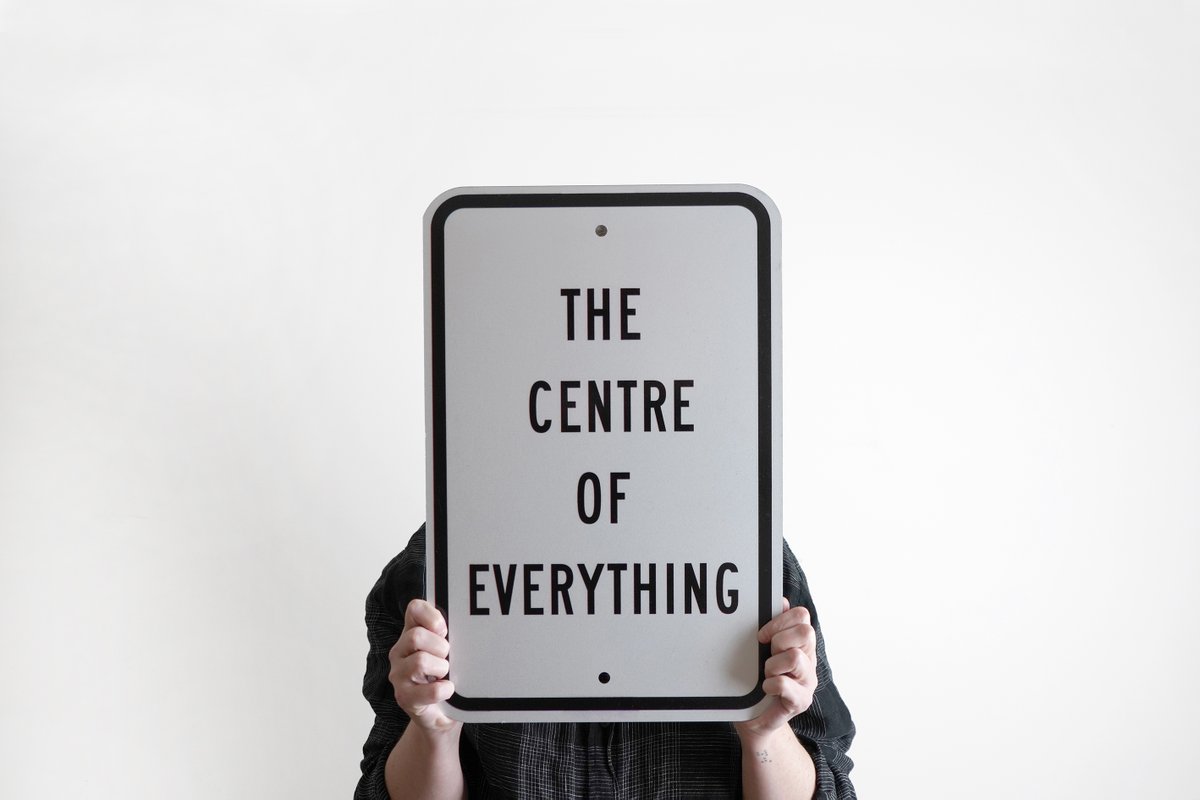
@AbstractTruth … that they visited the natural history museum so regularly also aligns with some things I wrote about On Kawara’s work in my thesis — which is nice and affirming 🥰
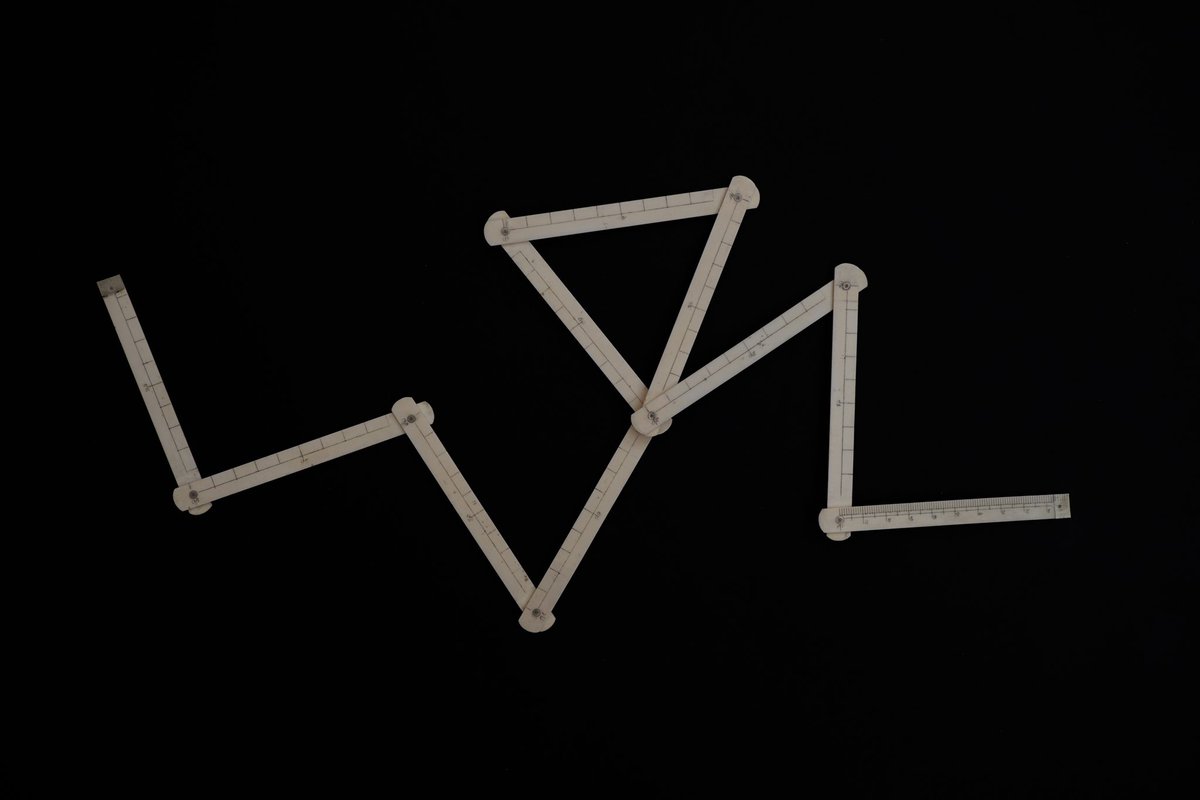
TO MEASURE THE STARS [2022 // Brass edition] // made from found 19th Brass folding rules configured into imaginary constellations ✨
Documentation by Daniel Buttrey
In an unexpected tribute to the glorious Anita Pointer the #speakerofthehouse vote reaches the magic number // #twelve // #thehouse#vote
https://t.co/VVqkwgqYJv
Hey Folks!
I’m starting a new project for an upcoming exhibition and am looking for some variable measurement data sourced from you!
If you have 5 minutes (and a measuring tape) — please send me as many measures as you can! Thank you!
https://t.co/mRe1zQVxSt
@sarablue's self-portrait for @LonelyRocksArt
I have spent YEARS trying to recapture a photo ID I had in my 20s in which I looked genuinely alarmed and FINALLY I’ve #nailedit
[Seriously folks, it was the best ID I’ve ever had… why project glam when you can choose terror?]
It was extraordinary to have time become a moving target with behaviour that was external to visual experience — I had to hold time differently (both within and outside of myself) — recalibrating every word and action through this invisible filter
This NASA engineer lives on Earth but works on Mars time — where the days are longer. Her work with the rovers there has entirely changed the way she thinks about time on Earth. https://t.co/XONSTp8V0L
@jjvincent Thanks! I've been waiting for this ITU conference for as long as I've been waiting for the next leap second... they (and the Earth's rotation) are testing my patience
I’m delighted that Metric Units for the Solar System [Metronome] will be shown as part of ‘Promise the Earth’ opening on Saturday at @thelockupartspace — curated by @izkusstvo and @runningdog_art
/end
Our measure of time is an expression of Earth and its imperceptible motion; as the planet rotates slowly beneath us, so do our clocks turn. The second is our smallest unit within this system, historically defined as 1/86400th of a day — /1
It asks how might we understand time if it were defined by alternate properties? How would our experience of time shift if the agency of its measure was centred elsewhere? /5


![sarablue's tweet photo. TO MEASURE THE STARS [2022 // Brass edition] // made from found 19th Brass folding rules configured into imaginary constellations ✨
Documentation by Daniel Buttrey https://t.co/S3ZZArKK0a](https://pbs.twimg.com/media/Ft9SSIgaAAAvl2E.jpg)
![sarablue's tweet photo. TO MEASURE THE STARS [2022 // Brass edition] // made from found 19th Brass folding rules configured into imaginary constellations ✨
Documentation by Daniel Buttrey https://t.co/S3ZZArKK0a](https://pbs.twimg.com/media/Ft9SSIeaEAAj9Hz.jpg)
![sarablue's tweet photo. TO MEASURE THE STARS [2022 // Brass edition] // made from found 19th Brass folding rules configured into imaginary constellations ✨
Documentation by Daniel Buttrey https://t.co/S3ZZArKK0a](https://pbs.twimg.com/media/Ft9SSIdaIAAPZp5.jpg)



![sarablue's tweet photo. TO MEASURE THE STARS [2022 // Brass edition] // made from found 19th Brass folding rules configured into imaginary constellations ✨
Documentation by Daniel Buttrey https://t.co/S3ZZArKK0a](https://pbs.twimg.com/media/Ft9SSIvacAA_J52.jpg)

![__lindaloh__'s tweet photo. @sarablue's self-portrait for @LonelyRocksArt
I have spent YEARS trying to recapture a photo ID I had in my 20s in which I looked genuinely alarmed and FINALLY I’ve #nailedit
[Seriously folks, it was the best ID I’ve ever had… why project glam when you can choose terror?] https://t.co/eS9DdfChZb](https://pbs.twimg.com/media/FdFH_f2aUAEgmHO.jpg)