Peak frequency analysis to identify critical isthmus distribution for adenosine triphosphate–sensitive atrial tachycardia, by @satoshiokamd and colleagues
#EPeeps
https://t.co/0vrjW2iMQI
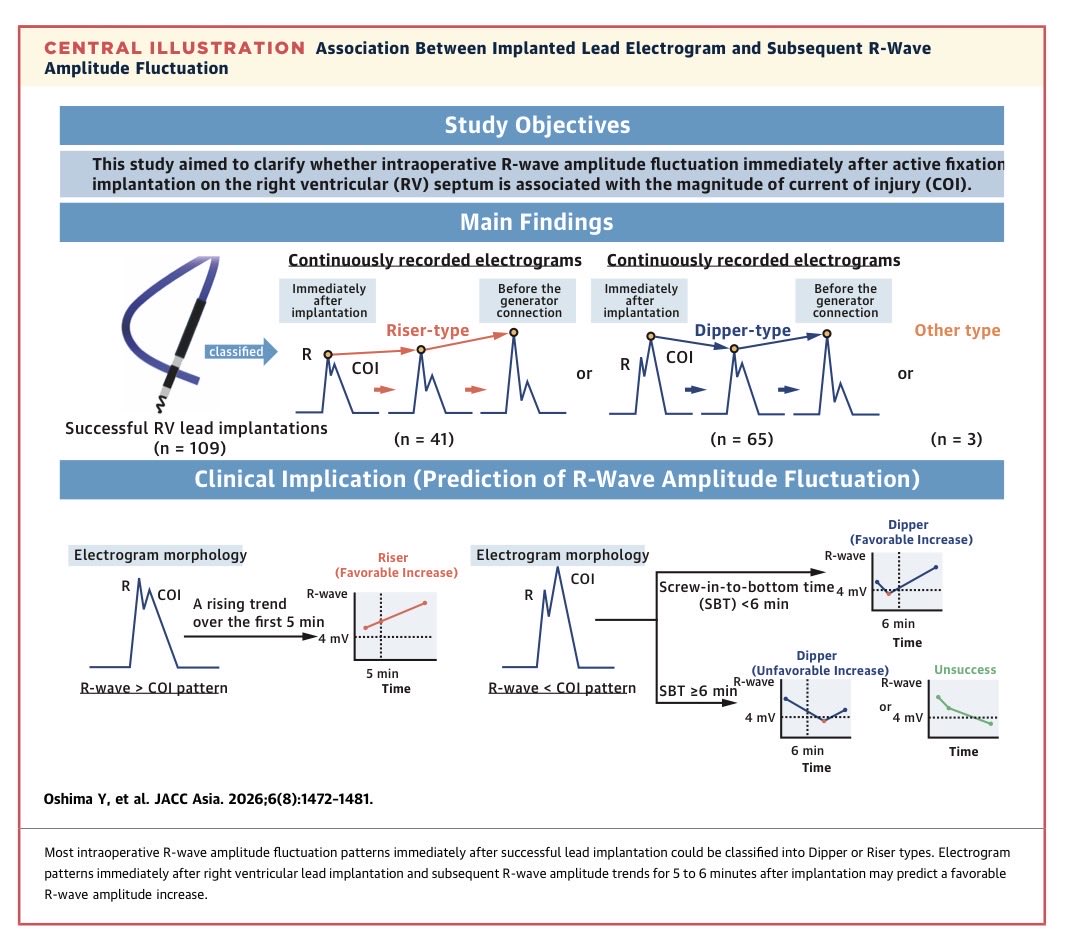
The intraoperative R-wave amplitude fluctuations could be predicted from the EGM morphology immediately after RV lead implantation. @yoshitake_3@satoshiokamd
https://t.co/9lmEReBU9s
Coronary artery stenosis induced by active fixation left ventricular lead: a case of acute complication after cardiac resynchronization therapy device implantation
https://t.co/C1A20Ko7t9
#CAD#angiography#pacing#cardiotwitter@ESC_Journals@escardio
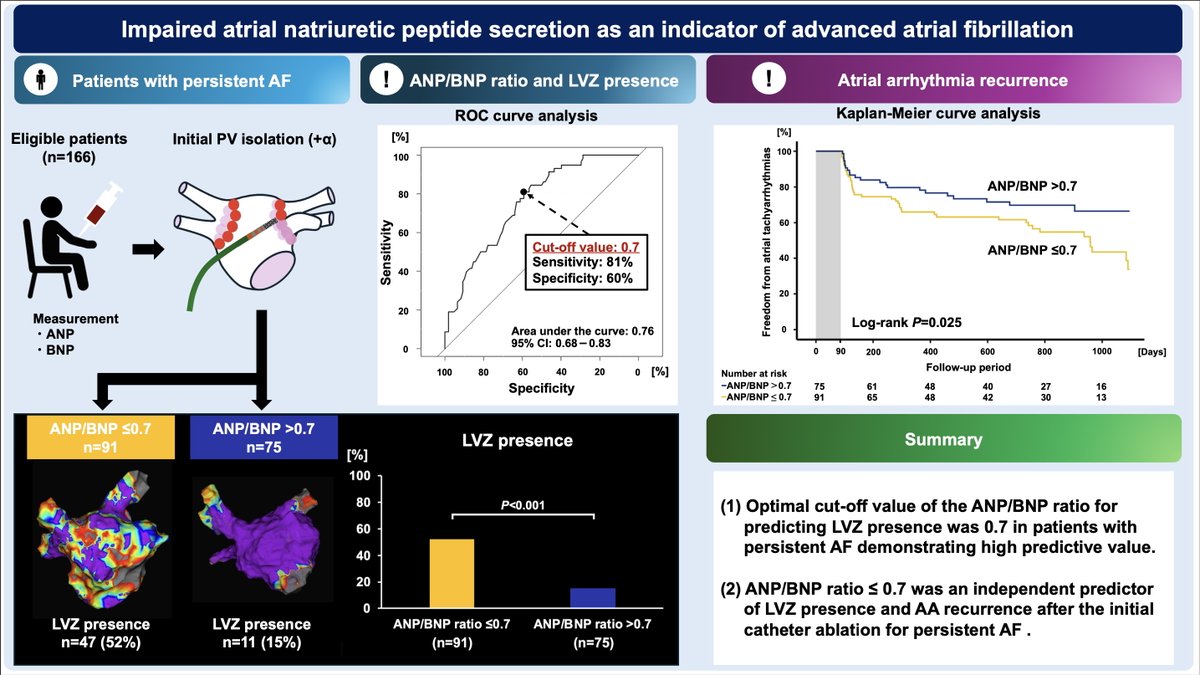
Impaired ANP secretion, as indicated by an ANP/BNP ratio <0.7, is an independent predictor of low-voltage zone presence and atrial arrhythmia recurrence following catheter ablation for persistent AF.
By Satoshi Oka @satoshiokamd
https://t.co/FYBI2GrKBP
#circ_rep#CardioX
Transient R-wave amplitude attenuation due to air entrapment during extravascular implantable cardioverter-defibrillator implantation: Delayed reassessment as a potential bail-out strategy
@satoshiokamd
https://t.co/o7VitUNIMG
Significance of effective cardiac resynchronization therapy pacing for clinical responses: an analysis based on effective cardiac resynchronization therapy algorithm https://t.co/dFR5G8RMtc
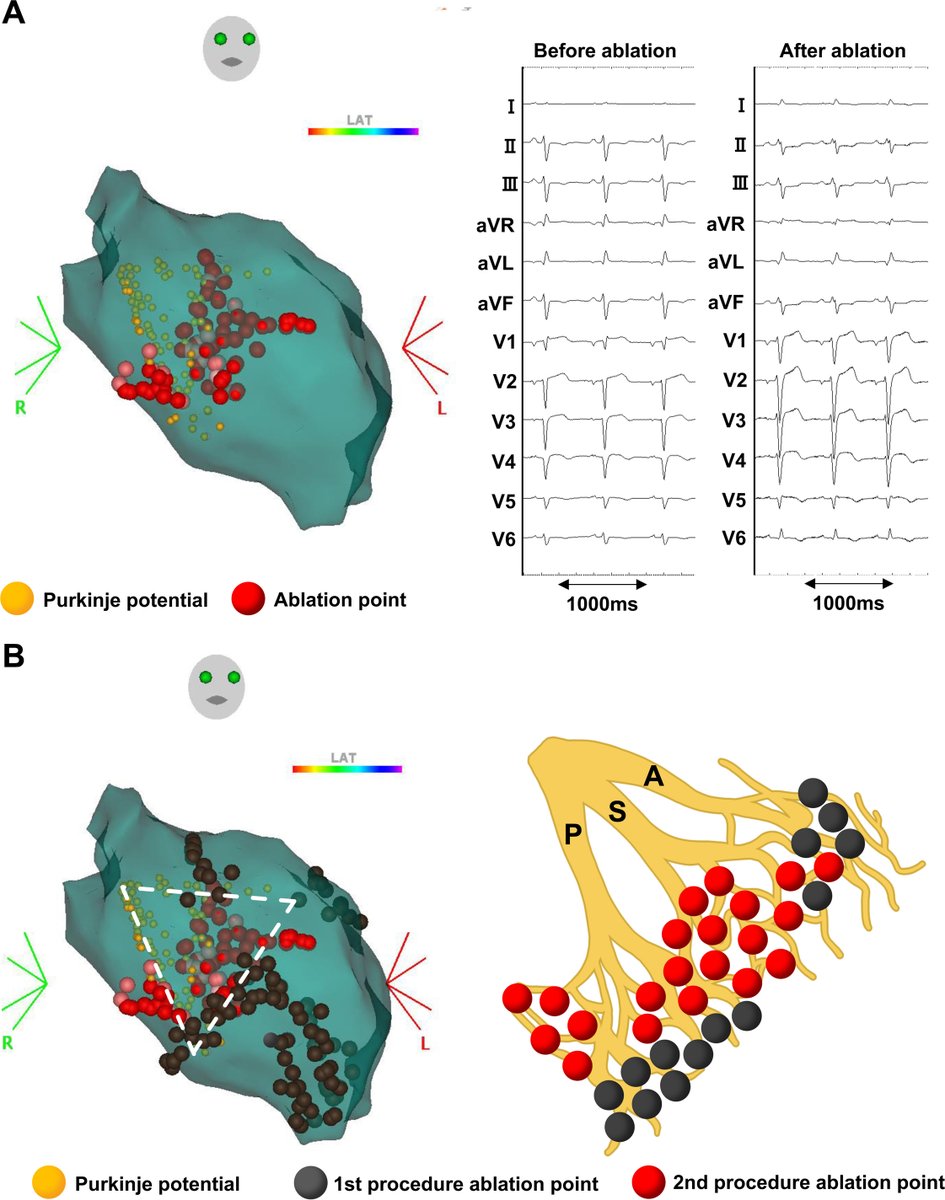
Significance of extensive ablation targeting Purkinje-muscle junction of all the left fascicles for suppressing Purkinje-related ventricular arrhythmias: A case report https://t.co/1o0byeXlCS
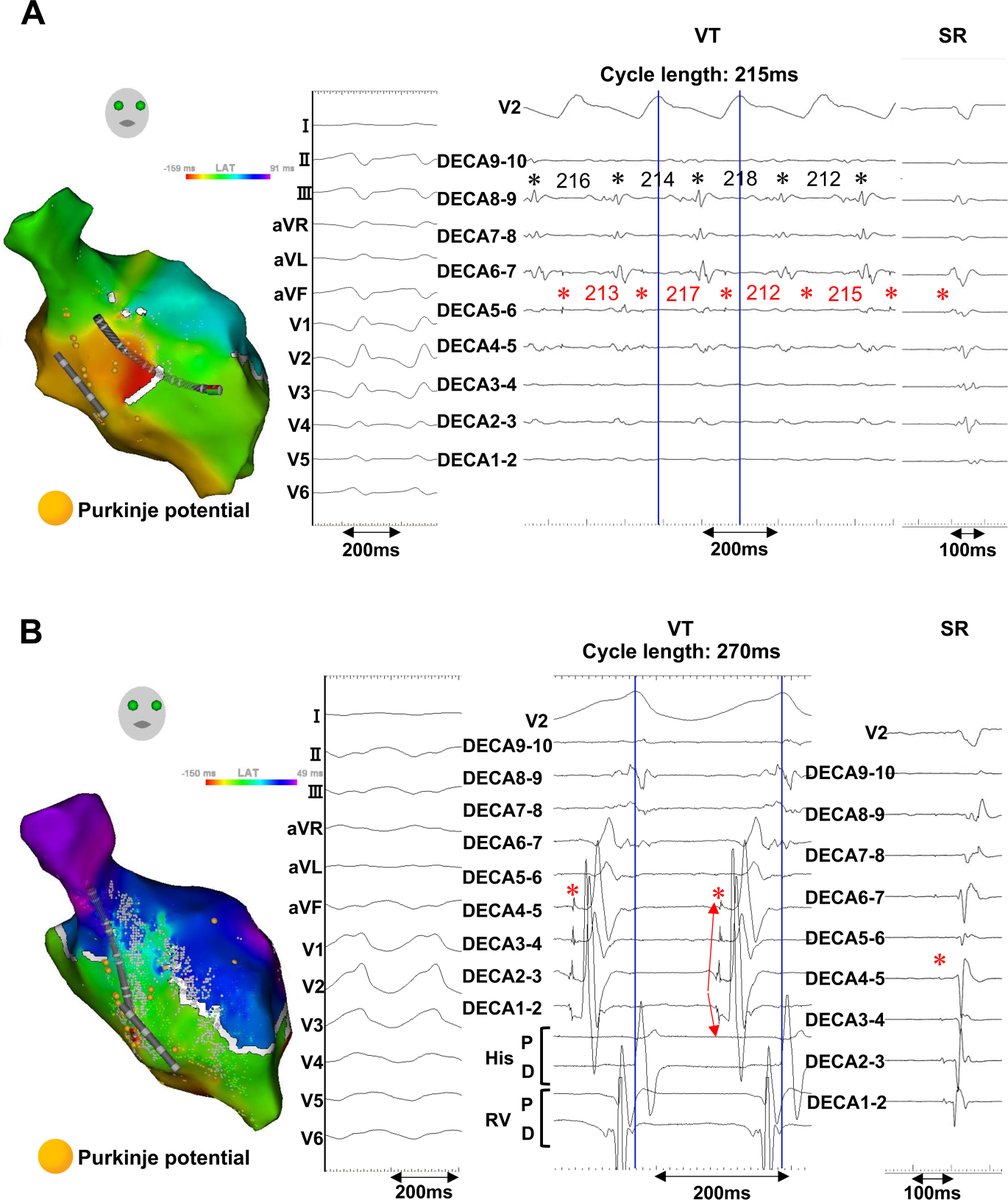
The first documented case demonstrating the possible efficacy of ivabradine for Purkinje fiber automaticity. In a CRT patient, ivabradine suppressed fascicular VT, improving biventricular pacing.
By Yukihiro Uehara @sukoyakayukki
https://t.co/dF97HnzXA1
#circ_j#CardioX