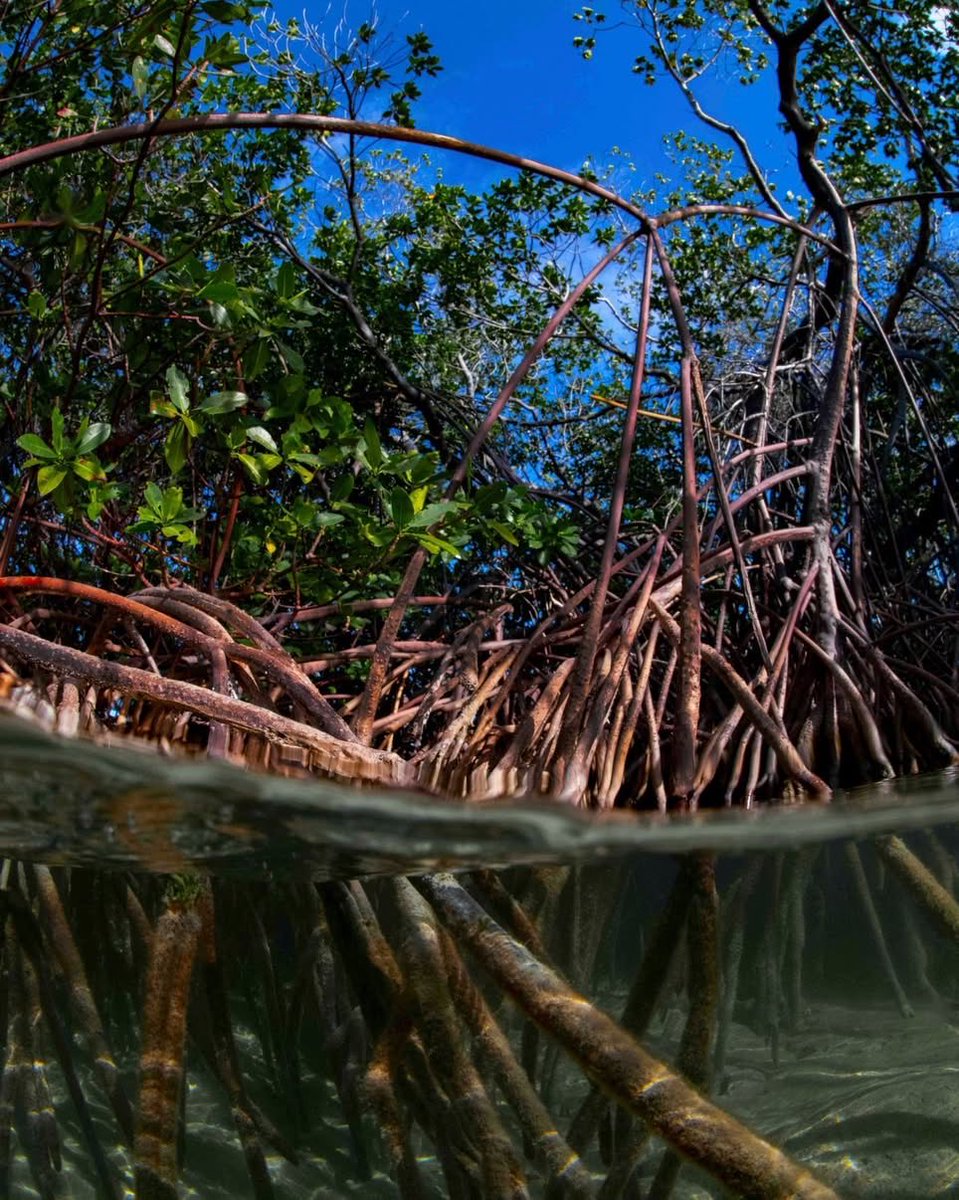
The ocean is full of travelers. 🦈🌊
Sharks can migrate hundreds or even thousands of miles, moving between feeding grounds, breeding areas, and important habitats as seasons and water temperatures change.
Understanding these migration routes helps us identify the areas sharks depend on and where conservation efforts are needed most. What happens in one part of the ocean can have an impact far beyond it.
~~~
Photo by @williamwinram
#SharkMigration #Sharks #SharkResearch #MarineBiology #MarineLife #OceanLife #Wildlife #SharkConservation #OceanConservation #SavingTheBlue
swipe for a surprise..boop!
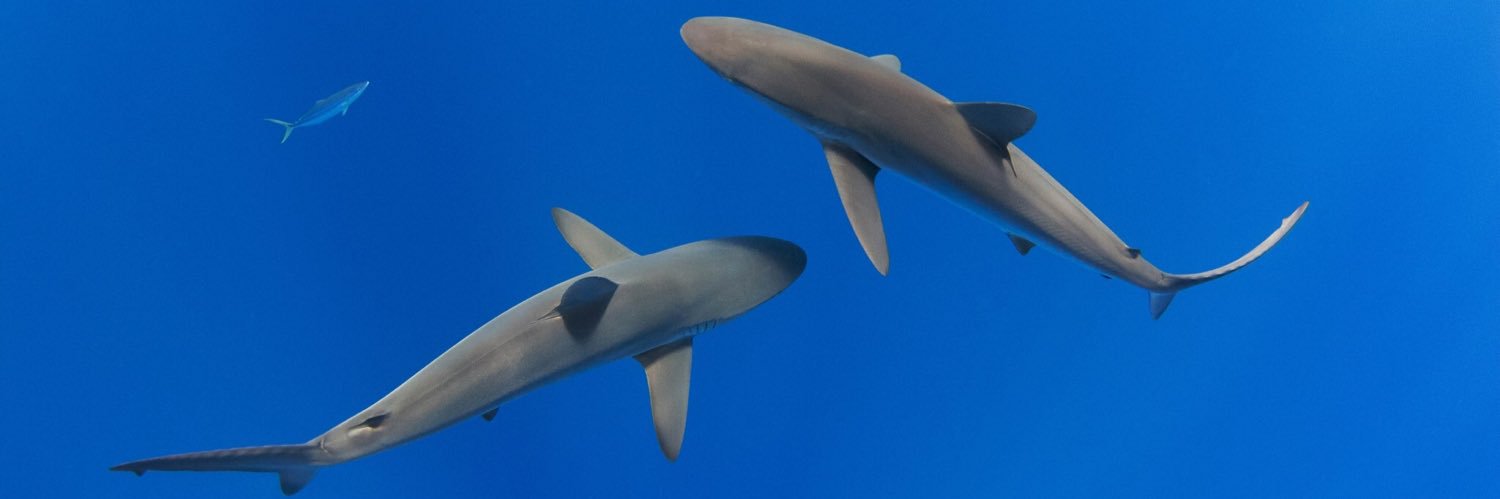
say hello to the oceanic whitetip! 🦈
The oceanic whitetip (Carcharhinus longimanus) is made for life in the open ocean. Its long, rounded fins with white tips make it one of the most recognizable sharks in the pelagic zone.
A few things that make this species special:
- They are highly mobile and travel across vast stretches of open ocean.
- Their large pectoral fins help them glide through the water with minimal effort.
- They are opportunistic feeders, eating fish, squid, seabirds, and more.
Unfortunately, oceanic whitetips are classified as Critically Endangered due to severe population declines, largely driven by fishing pressure and bycatch.
~~
photo by Andy Murch @bigfishexpeditions https://t.co/l7FS5whLcR
#OceanicWhitetip #Sharks #SharkFacts #MarineBiology #MarineLife #SharkConservation #OceanConservation #Wildlife #SavingTheBlue
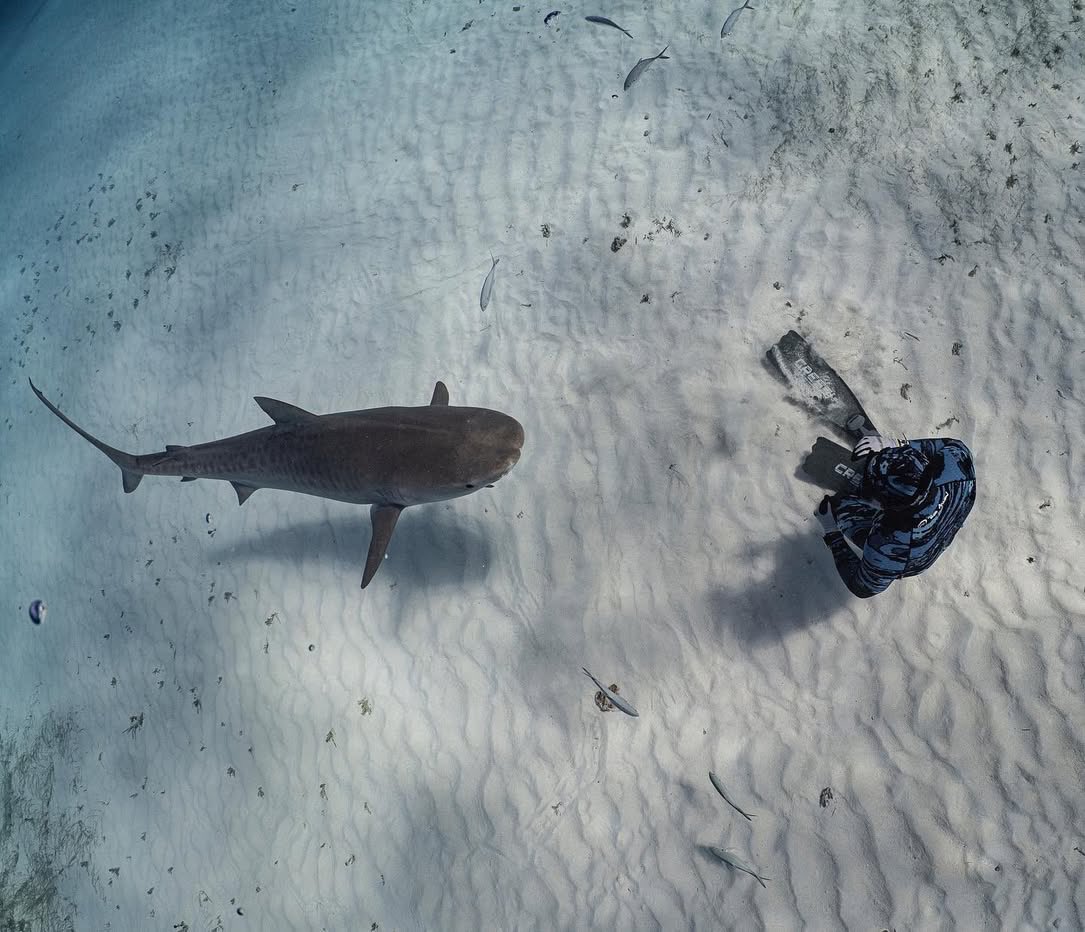
Tiger sharks (Galeocerdo cuvier) are one of the ocean's most recognizable sharks, named for the dark stripes along their bodies that are especially visible when young.
» OPPORTUNISTIC FEEDERS: Their diet includes fish, rays, sea turtles, seabirds, and squid.
» LONG-DISTANCE TRAVELERS: They move between coastal habitats and open ocean waters.
» ECOSYSTEM ROLE: As large marine hunters, they help shape food-web dynamics and maintain healthy ocean ecosystems.
There's so much more to these sharks than their reputation. Understanding them is the first step toward protecting them. 💙
~~~
Photo by @williamwinram
#TigerShark #Sharks #SharkFacts #MarineBiology #MarineLife #OceanLife #SharkConservation #OceanConservation #Wildlife #SavingTheBlue
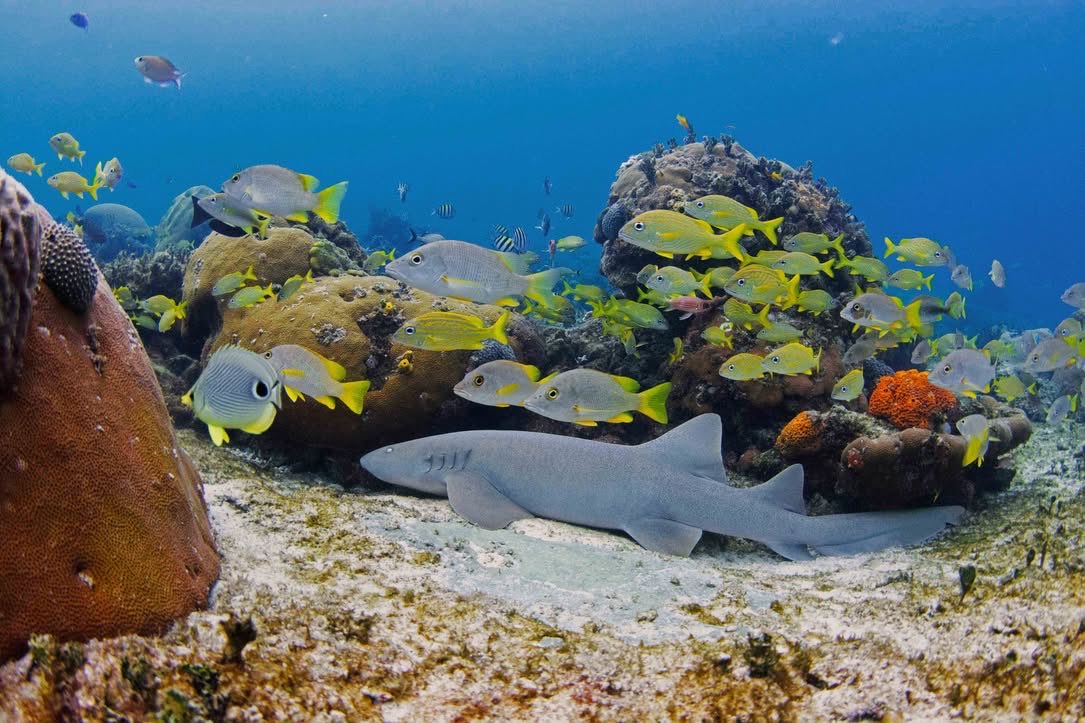
What does a healthy coral reef look like? 🪸
A thriving reef is about more than just colorful coral. It's about all the life it supports!
Here are a few signs of a healthy reef:
» Abundant fish life: Large schools of fish and a variety of species are signs of a productive ecosystem.
» Biodiversity: Healthy reefs support a wide range of marine life, from small invertebrates to larger animals like sharks and rays.
» Living coral cover: Healthy coral communities provide food, shelter, and essential habitat for countless species.
» A balanced ecosystem: Different species play different roles, helping maintain the natural balance of the reef.
» Plenty of activity: From fish feeding to animals seeking shelter, a healthy reef is full of interactions happening all around you.
This photo captures one of the many things that make a thriving reef special — an abundance of fish moving through their natural habitat.
Healthy reefs support healthy oceans. Protecting them means protecting everything that calls them home.** 💙
#CoralReefs #HealthyReefs #ReefLife #MarineBiodiversity #MarineBiology #MarineLife #OceanEcosystems #OceanConservation #UnderwaterPhotography #SavingTheBlue
A MOMENT IN THE FIELD WITH A GREAT HAMMERHEAD 🦈
Saving the Blue President @annieguttridge has a beautiful encounter with a Great Hammerhead.
Great hammerheads are highly mobile sharks, and there's still so much to learn about their movements, habitat use, and the areas they depend on throughout their lives.
Through tagging, tracking, and hands-on research, we're working to better understand these incredible animals and gather the information needed to support their conservation.
Every encounter brings us a little closer to understanding them. 💙
#GreatHammerhead #HammerheadShark #SharkResearch #SharkConservation #MarineBiology #MarineScience #Sharks #OceanLife #OceanConservation #SavingTheBlue
Coexisting starts with understanding. 🦈💙
Sharks are more than just predators; they play an essential role in maintaining healthy, balanced marine ecosystems. As apex and mesopredators, they help regulate food webs and contribute to the overall health of our oceans.
Despite their importance, sharks face growing threats from overfishing, habitat loss, and human activity. Protecting them means protecting the delicate balance of the ecosystems we all depend on.
The ocean is their home, too. It's time we learn to share it.
#SavingTheBlue #SharkConservation #SharksMatter #OceanConservation #MarineEcosystems #ProtectOurOceans #SharkResearch
Not every shark wears its tag on the outside! 🦈
Unlike many other shark species, nurse sharks often rest in caves, crevices, and rocky habitats. Because external tags could become caught or damaged in these environments, our team uses internal Passive Integrated Transponder (PIT) tags to identify individual sharks.
These small tags allow us to recognize sharks when they are encountered again, helping us monitor individuals and better understand their movements and habitat use over time.
Different sharks, different research approaches! 💙
#NurseShark #SharkResearch #PITTagging #SavingTheBlue #MarineBiology #SharkConservation #OceanResearch #Bahamas #MarineConservation
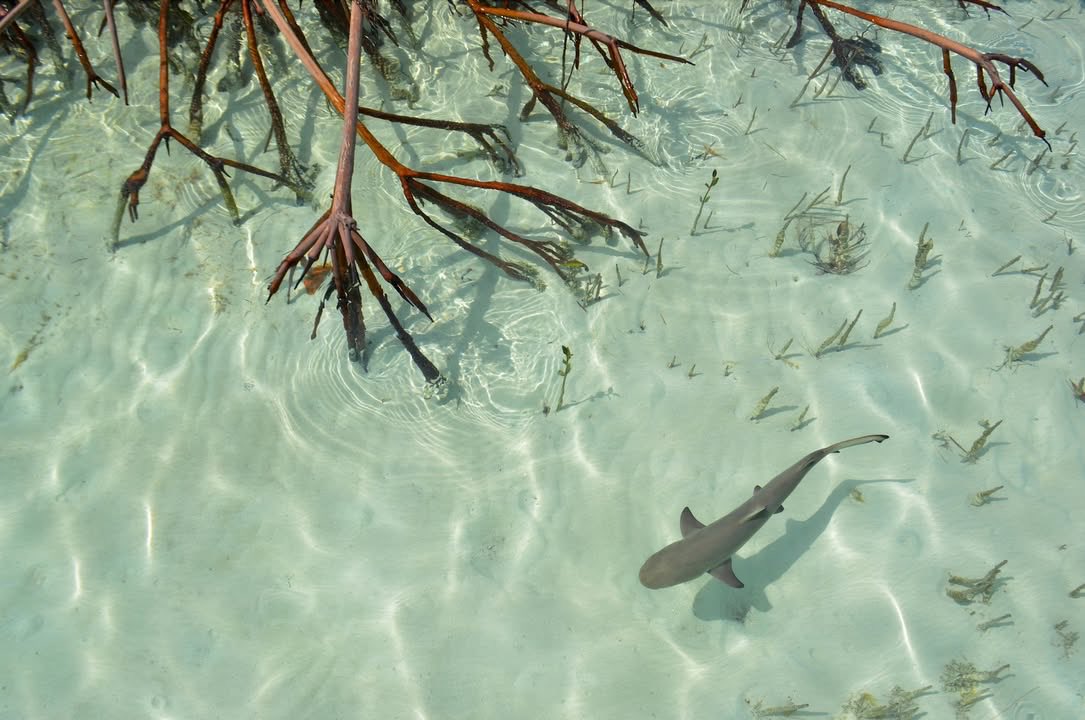
A lemon shark cruising through the mangroves! 🌿🦈
Did you know lemon sharks often return to the same coastal nursery areas where they were born? These shallow, sheltered mangrove habitats provide young sharks with a place to grow, feed, and stay out of sight from larger predators.
Sometimes the most important shark habitats are hidden right along the shoreline. 💙
#LemonShark #SavingTheBlue #SharkFacts #MangroveEcosystems #SharkResearch #MarineLife #Bahamas #OceanConservation
Through tagging and tracking, our team at Saving the Blue can better understand shark movements, habitat use, migration patterns, and the areas they rely on for survival.
Every tag provides valuable data that helps guide conservation efforts and protect these incredible animals for generations to come.
The more we learn about sharks, the better we can protect them. 💙
~~
photo by @annieguttridge
#SavingTheBlue #SharkResearch #SharkTagging #MarineConservation #SharkScience #OceanConservation #Sharks #MarineBiology #Ocean #Nature
Did you know? 🦈🔨
Great hammerheads (Sphyrna mokarran) have an impressive nearly 360° field of vision! Their uniquely shaped heads, called cephalofoils, position their eyes far apart, giving them enhanced binocular vision and helping them spot prey in the water.
Their wide heads also house specialized sensory organs that detect electrical signals produced by hidden prey, including stingrays buried beneath the sand!
~~~
photo by @annieguttridge
#GreatHammerhead #SavingTheBlue #SharkScience #MarineBiology #Nature #SharkResearch #OceanLife #Sharks
👁️ HOW DO SHARKS SEE?
Sharks have surprisingly good eyesight, and their eyes are specially adapted for life underwater.
» Built for low light: A reflective layer behind the retina called the tapetum lucidum reflects light back through the retina, helping sharks see in dark, cloudy, or deep water.
» Sensitive to movement: Their eyes contain lots of rod cells, making them especially good at detecting changes in light, contrast, and movement.
» They can see color — maybe: Some sharks have cone cells, but how much color different species can actually perceive is still an area of research.
» Wide field of view: The position of their eyes gives many shark species a very broad view of their surroundings. Hammerheads take this even further, with their widely spaced eyes increasing their field of vision.
---
Photo by @annieguttridge
#Sharks #SharkFacts #MarineBiology #MarineLife #OceanLife #SharkScience #MarineScience #Wildlife #OceanConservation #SavingTheBlue
BIG SHARK. BIGGER QUESTIONS. 🦈
A great hammerhead gliding through the shallow waters of Andros, and a reminder of why we spend so much time in the field learning where these sharks go and how they use their habitat.
Our hammerhead research looks at movement, habitat use, residency, and the connections between populations across the region. Every sighting helps add another piece to that picture.
There’s still so much we don’t know. That’s why we keep getting in the water. 🌊
----
Photo by @annieguttridge
#GreatHammerhead #HammerheadShark #SharkResearch #Sharks #MarineBiology #MarineScience #OceanLife #SharkConservation #OceanConservation #SavingTheBlue
What looks like a few minutes on the boat is actually a carefully coordinated process.
Once a hammerhead is brought alongside, the research team works quickly and efficiently to collect important data while minimizing the time the shark spends out of the water. Measurements are taken, existing tags are checked, and new tags or samples may be collected depending on the research project.
For hammerheads especially, speed and teamwork matter. A typical work-up can include length measurements, PIT tagging, external tagging, and, when part of the study, a SPOT tag to help us track movements after release.
Every measurement and every tag adds another piece to the puzzle, helping us understand where hammerheads travel, how they use different habitats, and how we can better protect them.
----
Photo by @annieguttridge
#HammerheadShark #GreatHammerhead #SharkResearch #SharkTagging #MarineBiology #MarineScience #SharkConservation #Sharks #OceanConservation #SavingTheBlue
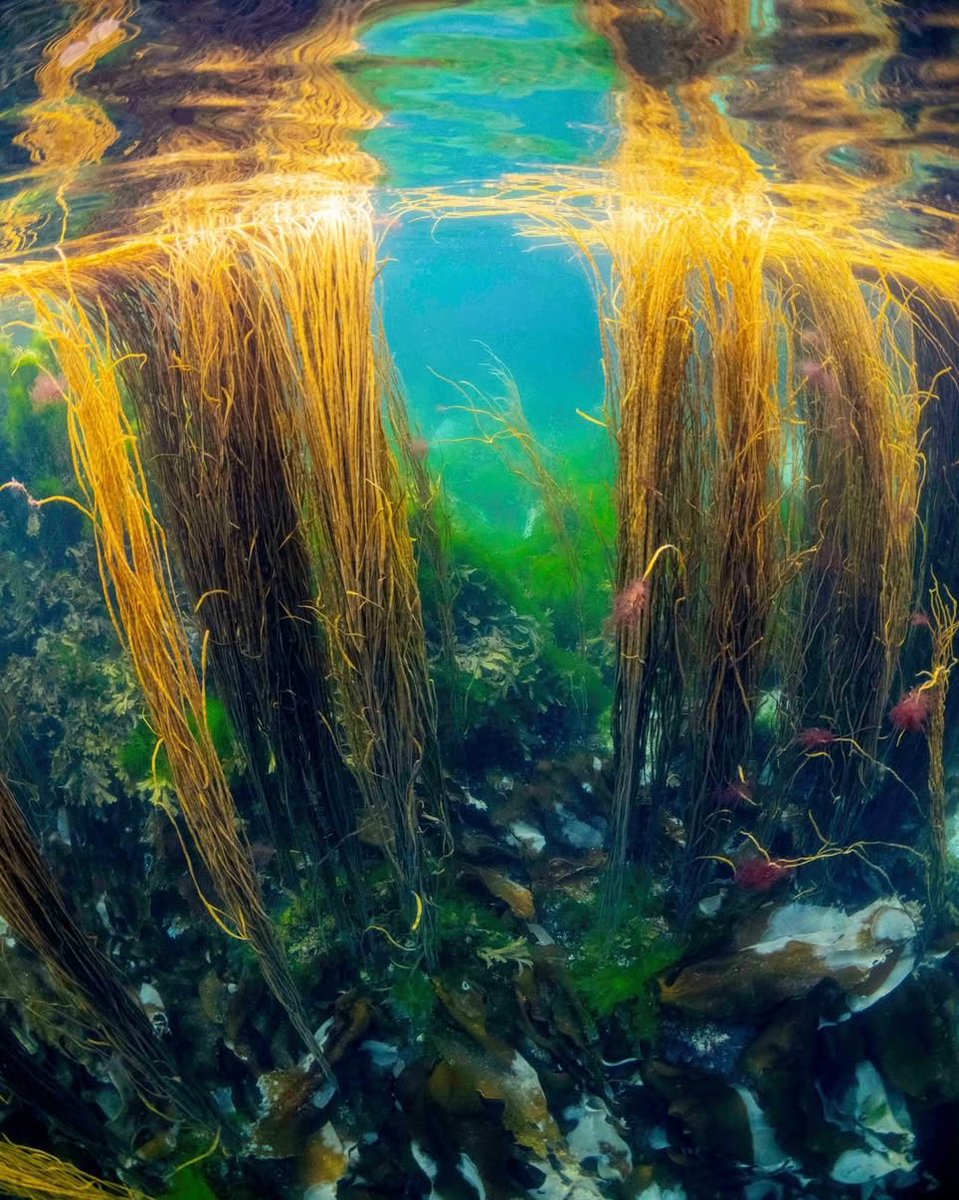
Three very different habitats, all essential to life in the ocean.
MANGROVES
Nursery grounds for young fish, sharks, and rays while helping protect coastlines.
CORAL REEFS
Home to an incredible diversity of marine life and important shelter, feeding, and breeding grounds.
KELP FORESTS
Underwater forests that provide food, shelter, and nursery habitat for countless species.
Different habitats. One connected ocean.
Protect the places that protect marine life.
---
Photos by @annieguttridge
#MarineHabitats #Mangroves #CoralReefs #KelpForest #MarineLife #OceanLife #MarineBiology #OceanConservation #Nature #SavingTheBlue
Quiet moments beneath the surface.
Manta rays are constantly on the move, using their large cephalic fins to help direct plankton-rich water toward their mouths as they feed. Seeing one glide effortlessly over the reef is a pretty incredible reminder of how much life exists just below the surface.
---
Photo by @annieguttridge
#MantaRay #Rays #MarineLife #OceanLife #MarineBiology #UnderwaterPhotography #Nature #Wildlife #OceanConservation #SavingTheBlue
Mangroves aren’t just trees — for young lemon sharks, they can be a nursery. 🌱🦈
Juvenile lemon sharks commonly use shallow mangrove-fringed habitats during their early years. The warm, protected waters provide plenty of food while the shallow depths and complex mangrove roots can reduce exposure to larger sharks.
Young lemon sharks also show strong site fidelity, meaning they may return to and remain within the same nursery areas for extended periods. Protecting mangroves therefore means protecting habitat that can be important during one of the most vulnerable stages of a shark’s life.
Healthy mangroves = healthy beginnings. 💙🌊
---
Photo by @annieguttridge
#LemonShark #Sharks #Mangroves #MarineBiology #MarineLife #OceanLife #Nature #SharkConservation #OceanConservation #SavingTheBlue
For anyone who’s been on a research trip with us… let’s see what you remember.
What is this tag and device, and what does it do?
Think you know the answer? Drop it in the comments before checking the answer below.
----
S P O I L E R S :
Answer: PIT tag + scanner — a tiny ID system that helps us recognize individual sharks over time.
----
Photo by @annieguttridge
#Sharks #SharkResearch #MarineBiology #MarineScience #OceanLife #SharkTagging #Nature #Wildlife #UnderwaterPhotography #SavingTheBlue
just swimming by to say hi ♡
Nurse sharks are often found resting on sandy bottoms and around reefs, using their barbels near the mouth to help locate food along the seafloor. They’re generally slow-moving and spend much of their time close to the bottom, making them one of the more laid-back sharks you might encounter underwater.
A little underwater hello from one of the ocean’s most curious residents.
----
Photo by @annieguttridge
October 17th was International Sawfish Day!
🩵🦈
Sawfish are among the most endangered marine fishes in the world, making conservation efforts more important than ever.
In Andros, Saving the Blue is working with local communities to learn more about these incredible animals through documenting sightings, collecting sawfish rostrums, and conducting DNA sampling. These efforts help us better understand sawfish populations and support research that can guide future conservation efforts.