🚗 <- this is a homie
_______________
|___|___|___|___| <- this is a lot
|___|___|___|___|
|___|___|___|___|
|___|___|___|___|
_______________
|___|___|_🚗___| <- this is a homie going
|___|___|___|___| through a lot
|___|___|___|___|
|___|___|___|___|
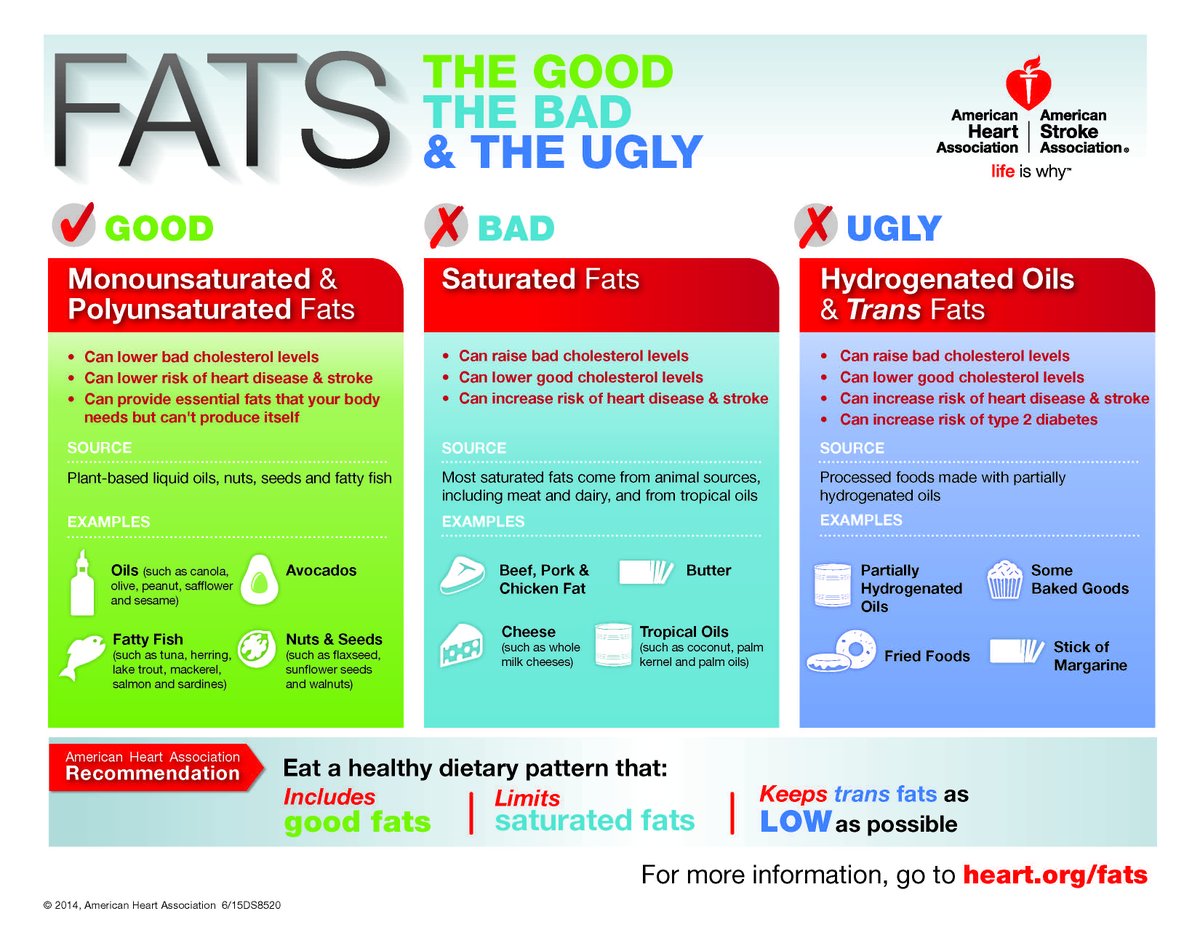
@IanStPierre5 @UofGFoodProf Are you at risk for cardiovascular disease? If so, reducing the amount of dietary saturated fats you consume and partially replacing them with unsaturated fats is important. However, which unsaturated fats are the most beneficial is still unclear. #Food2150#Hooper @UofGFoodProf
@Heatherac3698 @UofGFoodProf #Mattson says that natural occuring triglycerides have a high degree of specificity of fatty acid distribution. This is so that random distribution of triglycerides does not occur in either vegetable or animals fats @UofGFoodProf
@_Ahmed28 @Jared_Underw00d @UofGFoodProf In 1969, two groups of infants were fed formulas which were identical except for the type of fat they contained. The group with chubbier babies at the end of the trial was the group who’s fatty acids were absorbed better #ethics @UofGFoodProf #Food2150#Filer
@Bjohns20UofG @UofGFoodProf Comparing the 3 Phytophthora genomes it reveals an unusual way the genome is organized, containing blocks of dense concentration of genes, followed by blocks with low gene density.The genome then repeats this pattern.Will this help control the spread of Phytophthora?@UofGFoodProf
@amazingkuskus @LaysCanada @UofGFoodProf When heated alone to a temperature of 180, Asn and Met produce acrylamide, a carcinogen. Add in sugars and even more amino acids produce acrylamide under high temps. Who knew there were so many things to take into consideration when it comes to food?! @UofGFoodProf #Stadler
@Heatherac3698 @UofGFoodProf Starch nanoparticles give food better barrier properties, which protect the food from outside sources of degradation. Despite needing more research starch nanoparticles have a promising future in the food industry. #LaCorre#food2150
Do you appreciate the ubiquitousness of starch? It’s everywhere- making food taste and look more appealing, in our wallboard, paper, pills , pet food…. I challenge you to name a product that doesn’t use starch! @UofGFoodProf #dlecorre
@UofGFoodProf Who would’ve guessed cornstarch is useful for more than “oobleck”?! Upon heating, crystallites in starch solution dissociate and result in gelatinization. This property of starch is used in food products to add structure and reduce water content. #food2150#Schirmer @UofGFoodProf
Ancestral origin plays a large role in the prevalence of metabolic disorders such as diabetes. One study found individuals of aboriginal Australian descent experienced a diabetic prevalence 2 to 6 times higher than their European descent counterparts.#Food2150 @UofGFoodProf #ODea
Corn is a widely consumed dietary staple, providing 20% of the world’s calories. Current efforts are being directed to the nutritive fortification of corn to help combat global vitamin and mineral deficiencies. This crop is truly a-MAIZE-ing. @UofGFoodProf #Food2150#Nuss
Who knew that much of what we eat and drink is coloured with caramel to make it more appealing? Manufacturers add caramel pigment to make up for colour lost in food processing and it makes up more than 80% of the colourants we consume.@UofGFoodProf #Sengar#Food2150
The development of dietary guidelines should consider more than just health requirements, but also global agriculture land use. #Rizvi declares that in order for the world to meet current USDA guidelines, additional land around the size of Canada would be required! @uofgfoodprof
High pressure processing, which is the process of placing a product in a relatively cold water tank at approximately 58,000 psi to inactivate vegetable flora, is useful in stabilizing things like fresh juices. This is important as it increases shelf life @UofGFoodProf #Nienaber
Research suggests that a low copy number of the salivary amylase gene is associated with increased body mass index (BMI) and obesity risk. Does this mean that individuals may have a higher risk of developing obesity based on their genome? @UofGFoodProf #Food2150#Falchi