Astrobotic has been selected by @NASA to deliver a suite of agency payloads to the lunar surface in support of NASA’s Moon Base...these awards will fly two Peregrine lunar landers to the Moon by the end of 2028. 🌙🚀
https://t.co/zhT5Ix8tVu
FLIP’s wheel tracks will pave the path to a Moon base.
The lunar rover is doing more than putting Astrolab technology to the test. FLIP sets the stage for humanity’s future on the Moon.
Payloads on the rover are hunting for water and helium-3. Tech demos study how to minimize the impacts of lunar dust. NASA payloads test technologies on the lunar surface.
A Moon Base lander is one step closer to the lunar South Pole.
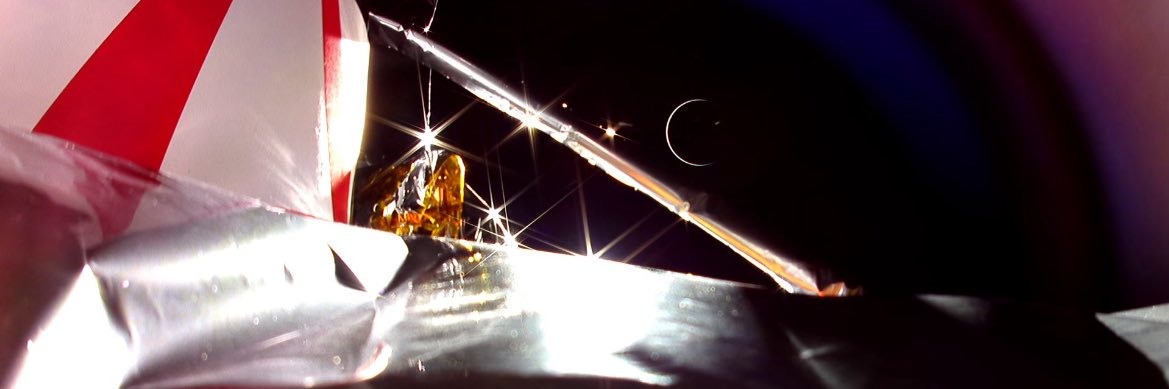
@astrobotic recently unveiled the Griffin-1 lunar lander, now ready for environmental testing at @nasajpl ahead of its late-2026 launch. Griffin-1 will deliver payloads supporting Moon Base Phase One.
Today, we unveiled our Griffin-1 lunar lander, recently designated by @NASA as Moon Base II🌙, during a visit by NASA reps, gov officials, and industry partners at our HQ in Pittsburgh. "Today, Griffin stands behind us as proof of what is possible when talented people spend years solving hard problems together," read more: https://t.co/KokSZAGPPE
A timelapse view from our @SpaceX Dragon of the spectacular southern aurora seen in yesterday’s post, a result of a recent solar event. As opposed to the previous aurora I’ve seen, this one danced and snaked its way directly below us, putting on quite a show. I am in awe of this ethereal and emotionally evocative phenomenon.
Our FLIP rover is now attached to @astrobotic hardware! FLIP was recently stacked and integrated onto the cone and ramps of the Astrobotic Griffin lander, the rover’s ride to the Moon.
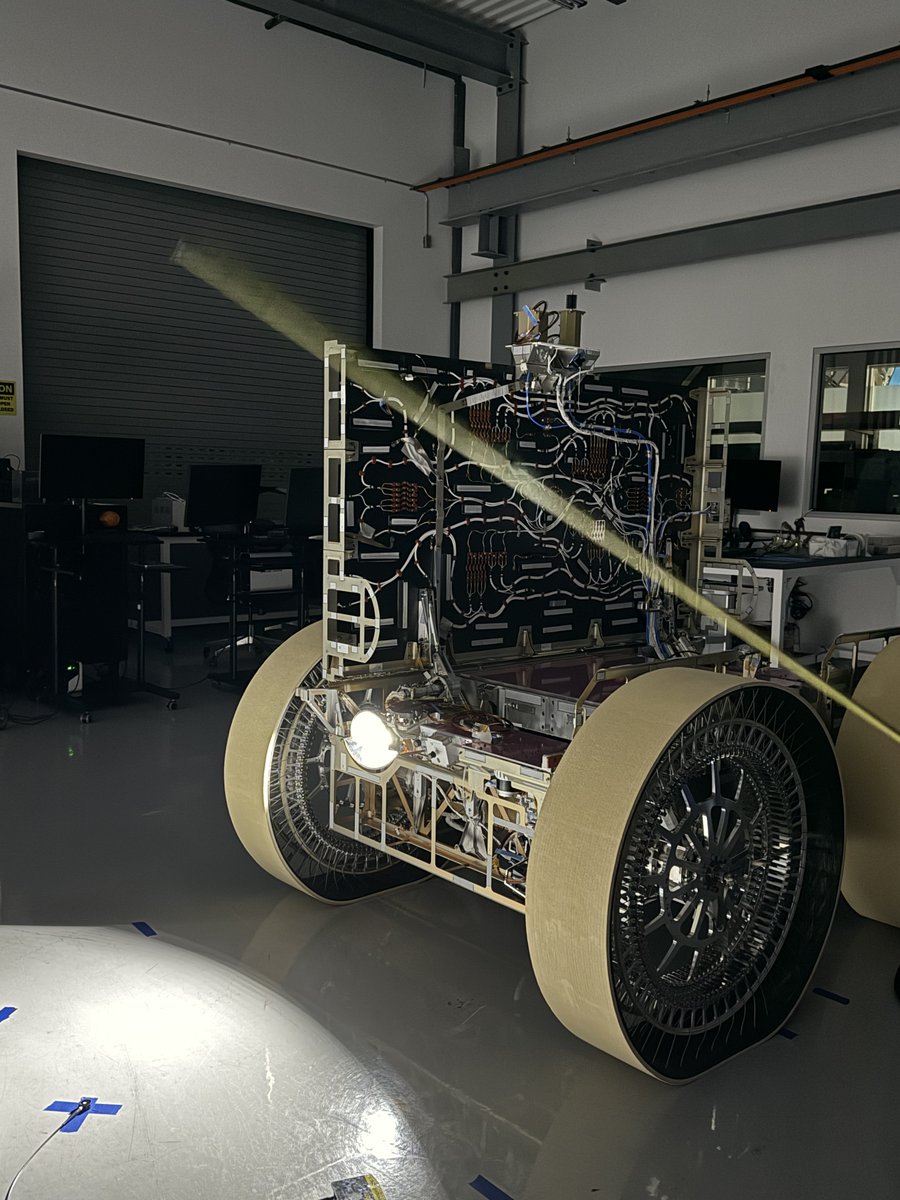
On the lunar South Pole you’re fighting against a lot. Extreme temperatures, radiation, the vacuum of space, and darkness. There are even areas inside deep craters near the Moon’s poles that never see light known as permanently shadowed regions. While many of our rover sensors are built to not have to worry about visible light, we do want to be able to see what’s going on around us.
Our FLIP rover, which will travel to the lunar south pole in the second half of this year (2026), is now officially equipped with the headlights that will illuminate its surroundings.
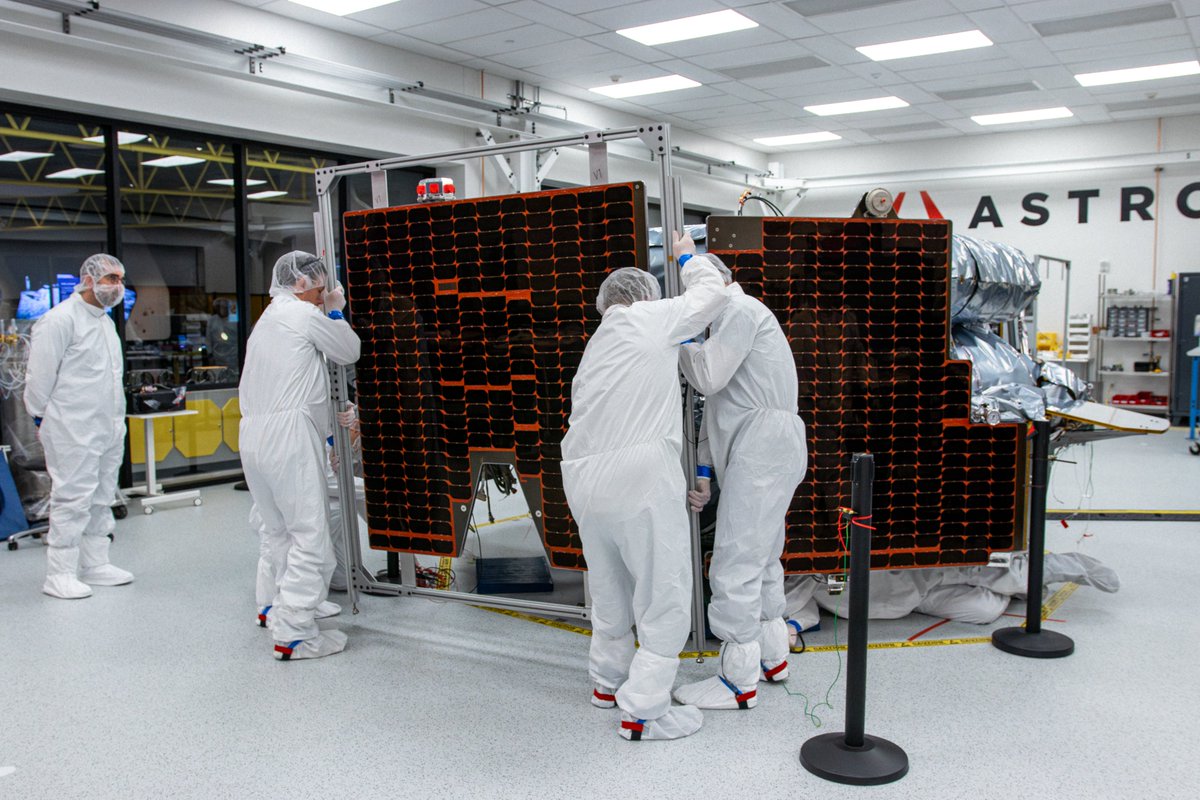
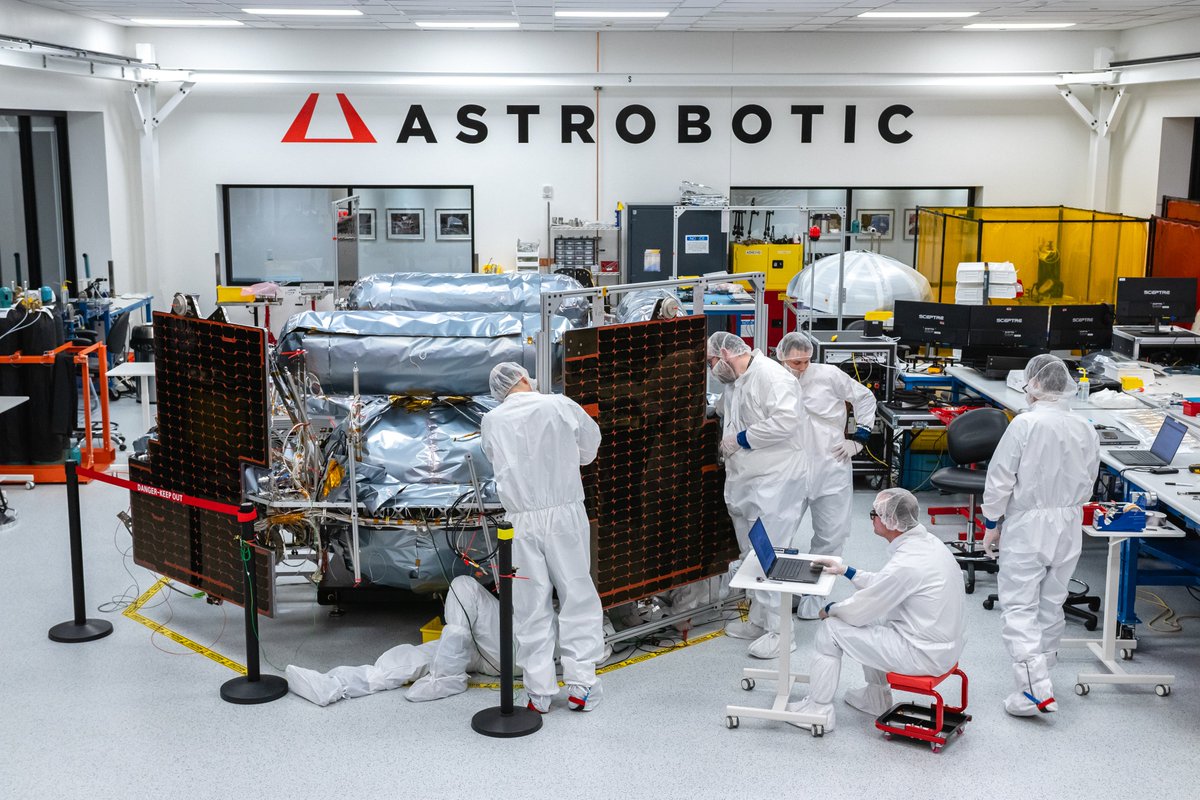
Three solar panels in, and the results are looking powerful⚡️(humans for scale). Griffin-1 is marching towards its departure for environmental testing, a critical phase that proves it’s ready to withstand the harsh conditions of launch and space.
We fired a really cool rocket engine - and broke some records while we were at it. 🔥This Rotating Detonation Rocket Engine produced more than 4,000 pounds of thrust, and included a 300-second continuous burn, which is believed to have set the record for longest duration hot firing of an RDRE engine to date. Watch it fire:
https://t.co/dL1PgEplTQ
Only one chance in this lifetime…
Like watching sunset at the beach from the most foreign seat in the cosmos, I couldn’t resist a cell phone video of Earthset. You can hear the shutter on the Nikon as @Astro_Christina is hammering away on 3-shot brackets and capturing those exceptional Earthset photos through the 400mm lens. @AstroVicGlover was in window 3 watching with @Astro_Jeremy next to him.
I could barely see the Moon through the docking hatch window but the iPhone was the perfect size to catch the view…this is uncropped, uncut with 8x zoom which is quite comparable to the view of the human eye. Enjoy.
Two solar panels integrated to Griffin, just one to go! ☀️⚡Griffin’s solar setup is built around how sunlight behaves in space and on the Moon. During transit, we use sun-pointing technology, meaning the lander will track sunlight and strategically point itself to optimally charge for stable flight operations.
On the lunar surface at the south pole, the sun stays low and circles around the same side of the vehicle over the course of a lunar day (~2 weeks). For our mission window, it tracks across a single quadrant, exactly where our solar panels are positioned.
Jesse, Steve, Laddy, and Vlad….such an incredible feeling to welcome you aboard Integrity after a nearly 700,000 mile journey. Forever thankful for your service to our crew and the nation.
Welcome home Reid, Victor, Christina, and Jeremy! 🫶
The Artemis II astronauts have splashed down at 8:07pm ET (0007 UTC April 11), bringing their historic 10-day mission around the Moon to an end.