Linguistic diversity in Tashelhit: Comparing Ifni (Ait Baamran) and Ida U Semlal (Sous) dialects
Note : mutual intelligibility is seamless
#ⵎⵙⵎⵓⵏ_ⴰⵡⴰⵍ_ⵏ_ⵉⴼⵏⵉ_ⴰⵢⵜ_ⴱⴰⵄⵎⵔⴰⵏ
Les origines réelles des Reguibat ?
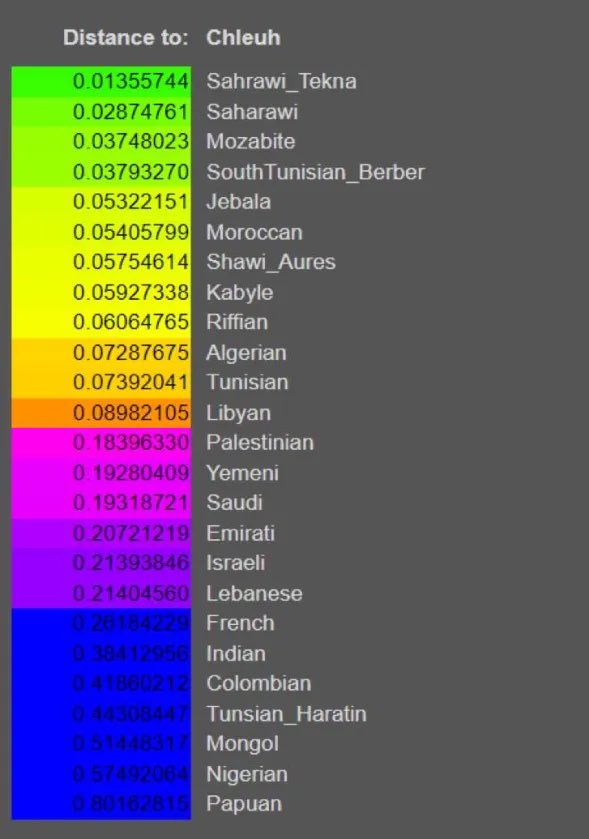
-Selon Paul Marty dans "l'Emirat des Trarza" (1915), les Reguibat seraient d'origine Chleuh du Oued Noun : le vocable Rgueibi se rencontrant fréquemment dans cette région.
-Tandis que dans le livre "Les principales préoccupations des Rgaybat" commenté par S.Cartini et M.Naimi, il faudrait plutot rechercher l'origine des Reguibat au fond berbère de l'Anti-Atlas.
Les Reguibat seraient donc formés (principalement) de disciples berbères du Souss, de l'Anti-Atlas, Oued Noun du saint Reguibi (n'ayant probablement pas eu d'enfants).
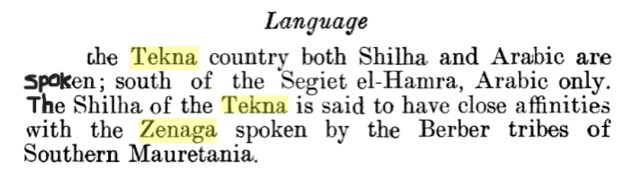
Il n'y a pas si longtemps que ça que le pays d'origine des Almoravides (Seguiet el-Hamra) parlait encore le Tachelhit et les deux tribus Senhaja entourant ce fleuve (Tekna et Reguibat) font parti du grand leff Jazoula à fort enjeu historique et politique.
The fate of the Almoravids :
14th century historian Ibn Khaldun describes the situation of the Almoravid tribes after the fall of Banu Ghaniya , the last Almoravid emirs in 1226 and the total extinction of their rule which began in 1040 :
" What is today left of them in the Maghreb is but a few of Massufa and Lemtouna scattered around , part of whom were incorporated by the Almohads , and other parts were absorbed by the vastness . As for those in their home in the desert they remain today as they began , in constant conflict and discord . They now give allegiance to the Sultan of the blacks ( Mali ) which uses them in his wars and taxes them , their territories connect with those of the Arabs , as for Gudala their territory faces that of Dhawi Hassan the Arabs of Souss al Akssa , as for Wenziga and Lemtouna their territory faces that of Dhawi Mansur of Maghrib al Aksa ( Draa and Mhamid al Ghuzlan ) as for Massufa their territory faces that of Zughba in the Maghrib al Awsat , as for Lamta their territory faces Riyah of the Zab , as for Targa their territories face those of Sulaym in Ifriqiya "
After some years from these current periods these tribe would unite and invade Mali , as 14th century traveler ibn Battuta states in his book
Terga and Lamta would go on to form the modern Tuaregs with Lamta mainly being the kings of Azawad
Massufa would form tribes of the modern Ait Atta and Eastern Souss tribes especially those in the Draa river
( Ait Wallal ) and the Merzouga region ( Ait Khabbash )
Guddala , Lemtuna and Wenziga would form the modern tribes of Oued Noun and Southern Souss and like : Tekna / Mejjat / Harbil / Ait Baamran / Ait Ali and additionally the Ait Alwan of Ait Atta and Saharian tribes of the Zagura region like Insoula , additionally some fractions of these tribes would gradually migrate south and reach what is today's Mauritania and Azawad
The similarity between the castle of Medinaceli ( left ) and the Kasbah of Ait Zelten ( right )
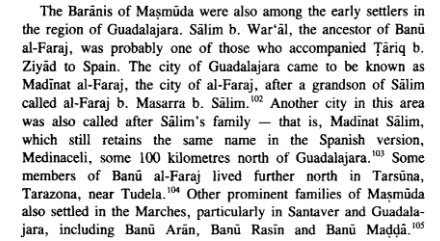
Medinaceli a city north east of Madrid 🇪🇸 it was named after Selim ibn War'al the ancestor of Banu Faraj , a Masmuda family who participated in the Muslim conquest of Al Andalus with Tariq ibn Ziyad and the castle was built in the 9th century
The Kasbah of Ait Zelten belongs to the Masmuda chleuh confederation of Ihahan
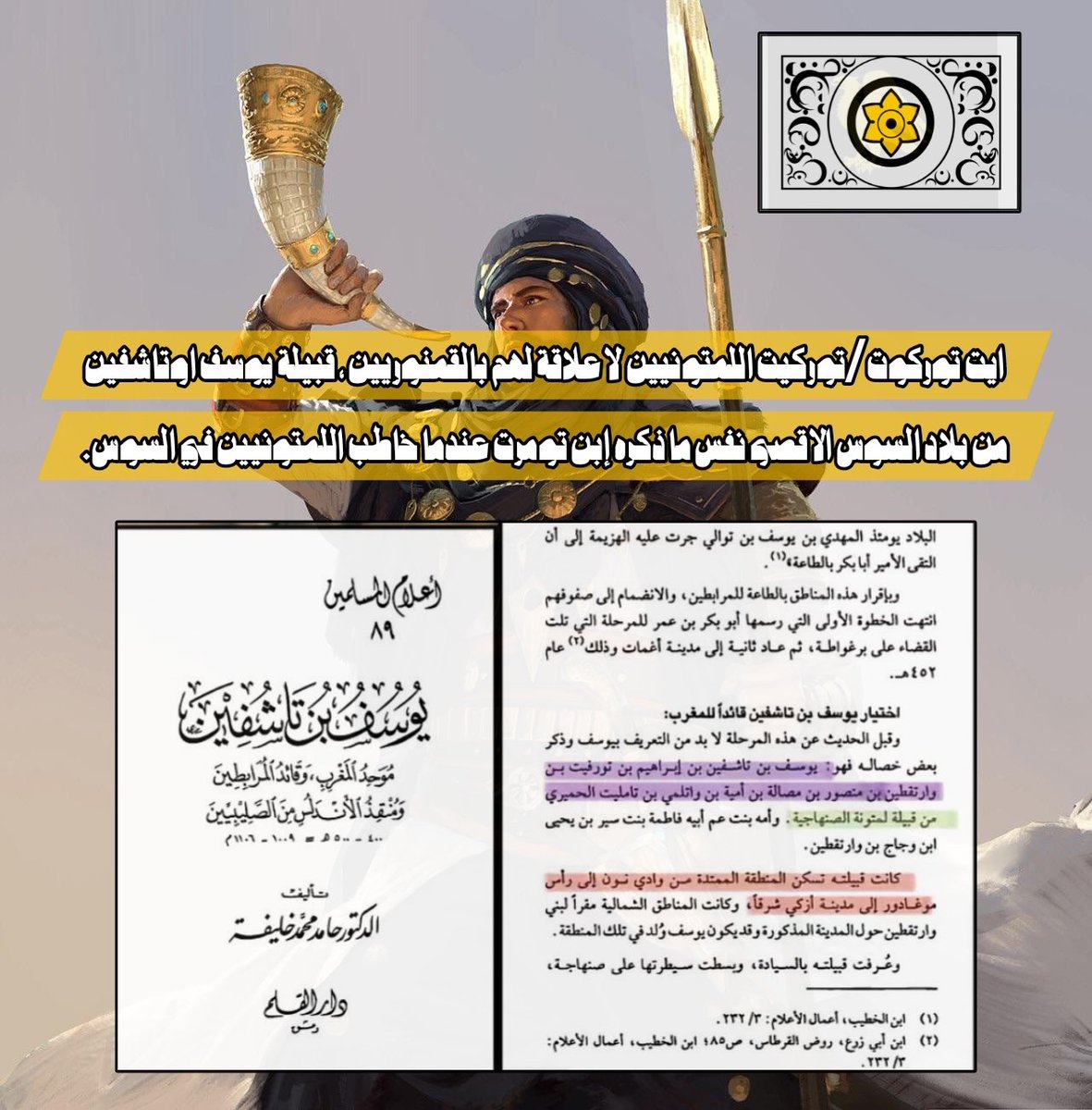
Youssef u tachfin was an achelhi from Ait tourgout tribe from Al souss Al aqsa, Ait tourgout the tribe of tachfin had a kingdom in souss before islam.
Sources: Al maqrizi+Al murrakuchi
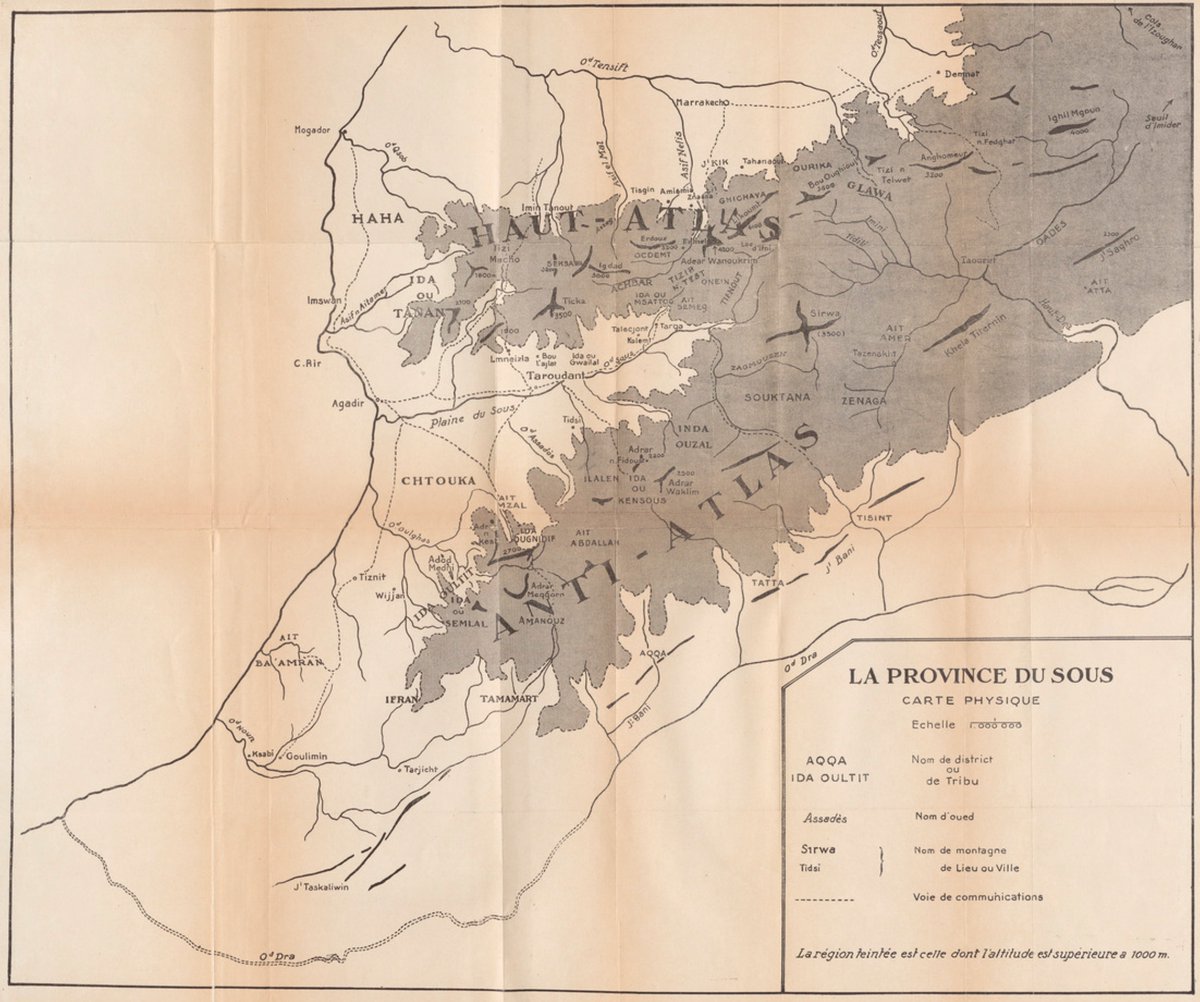
Note: Souss Amqqran or ‘Great Souss’ is not to be confused with the Souss Valley plains, which constitute only one component of the Schleuh homeland.
Map Source:
Closely corresponds with the historical territory of Souss Amqqran (‘Great Souss’), encompassing the full expanse of the Schleuh homeland; from the Dern (‘High Atlas’) all the way down to the pre-Saharan plains, and from the Assamer (‘eastern’) limits of the Anti-Atlas spanning westward up to the Atlantic ocean.
We refuse the makhzen maps which is created to divide many ethnicities. We Shleuhs are our own people with our own language and culture do not divide our people with these inaccurate provinces
We refuse the makhzen maps which is created to divide many ethnicities. We Shleuhs are our own people with our own language and culture do not divide our people with these inaccurate provinces
من مصدر أكاديمي يأكد أن صنهاجة الزيريين لا علاقة لهم بالكراغيل بل هم من صحراء تافيلالت أبناء السوس الاقصى، نعيدها لا علاقة لهم بالكراغيل.
آخر الأمراء الزيريين في غرناطة اعترفوا باصلهم من المغرب الاقصى عندما ارادو أن يرجعوا إلى بلادهم العدوة بالضبط إلى القلعة المنادية في تافيلالت.
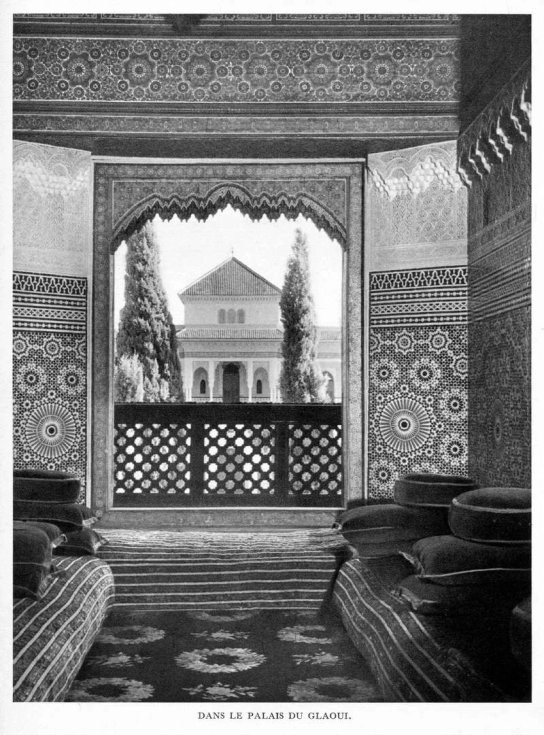
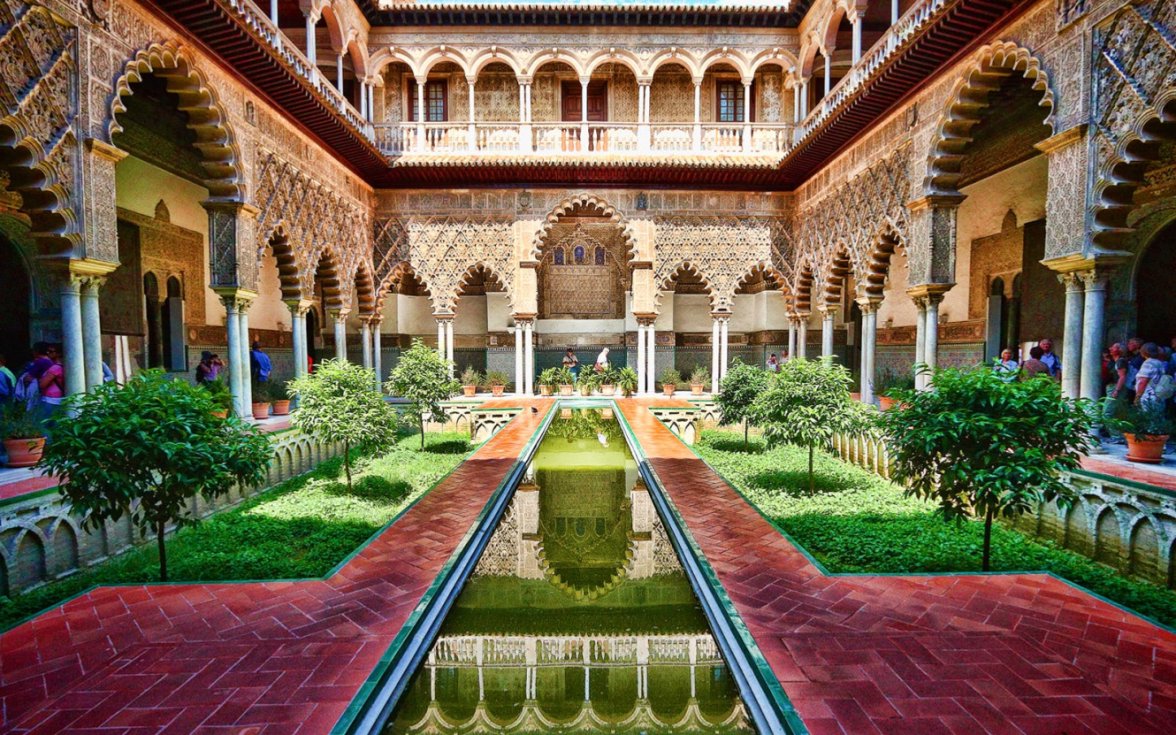
The Chleuhs are notorious for building some of the most spectacular edifices throughout history particularily in their own lands , that caught the eye of many foreign visitors who couldn't resist the sheer might of it
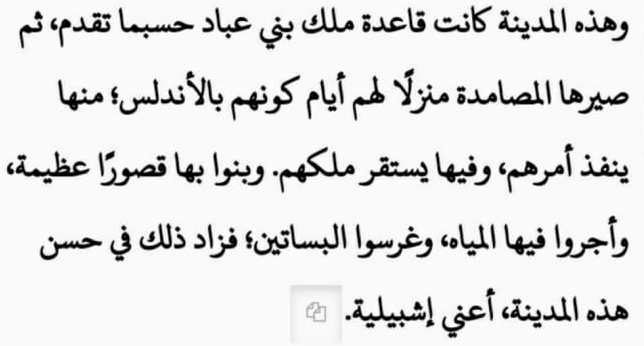
" Sevilla used to be the capital of al Mu'tamid ibn Abbad , but when the Masmuda conquered it they made it their capital from where their rule is established , they built in it great palaces , fountains and gardens , which further embellished this city , i mean sevilla "
- Abdulwahid al Murrakushi ( 1185-1250 )
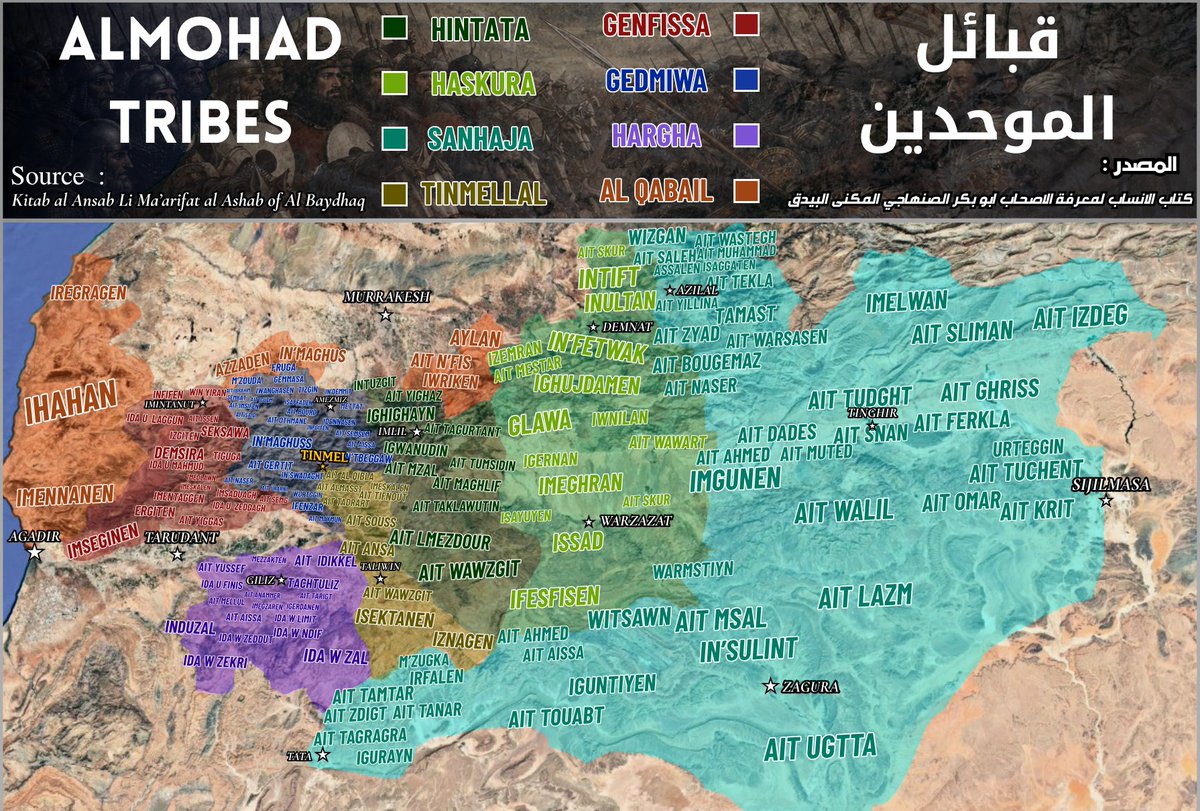
Masmuda or Masmutz or Masamutto was the known term for the Almohad empire both in Christian and Muslim sources for it highlights the tribes that founded and ruled the empire which mainly live in the Adrar n Dern mountains and belong to the Chleuh ethnic berber group
Map of The Almohad tribes cited by the 12th Century historian Al Baydhaq with their confederations
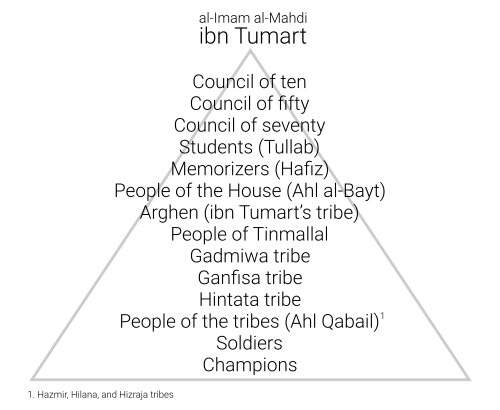
These tribes were also ranked in a strict manner , historians like Ibn Al Qattan stated their ranks
Ranking :
Hargha
Tinmellal
Gedmiwa
Genfissa
Hintata
these are the main Masmuda almohad confederations , who held the most power in the state and formed the most amount of soldiers and elites of the council of ten / Fifty and Seventy along with the Hafiz and Tullab and Ahl dar
Ahl Qabail ( Masmuda allied tribes who were under the authority of the main 5 )
Haskura ( Masmuda confederation which were allies of the Almohads )
Sanhaja ( all the Sanhaja tribes who joined the Almohads consists of Fechtala / Settat / Sahaja of Qibla / Sanhaja of Tayart / Sanhaja of Dhil (Oumalou)
i was able to find most of the tribes mentioned still exist today under different confederations that emerge later on in history , soon i will make a thread explaining the functions of said confederations
Additional sources below : 👇