Passionate medical oncologist with experimental + public health agenda heading the Dpt. of General Medical Oncology + Lab. of Exp. Oncology at UZ/KU Leuven (BE)
2nd line treatment of GIST becoming very complex now, with multiple treatment options to be considered by patients:
1. Conservative approach: sunitinib
2. FDA-approved in US: bezuclastinib/sunitinib
3. NCCN-supported in US: ripretinib
4. Clinical trial: velzatinib vs sunitinib
FDA now approved bezuclastinib for GIST after treatment with imatinib based on Cogent PEAK, with an impressive PFS benefit when combined with sunitinib. This confirms our data from 2019 in imatinib-resistant GIST xenografts. Read Gebreyohannes et al. https://t.co/oRfpXiFh66
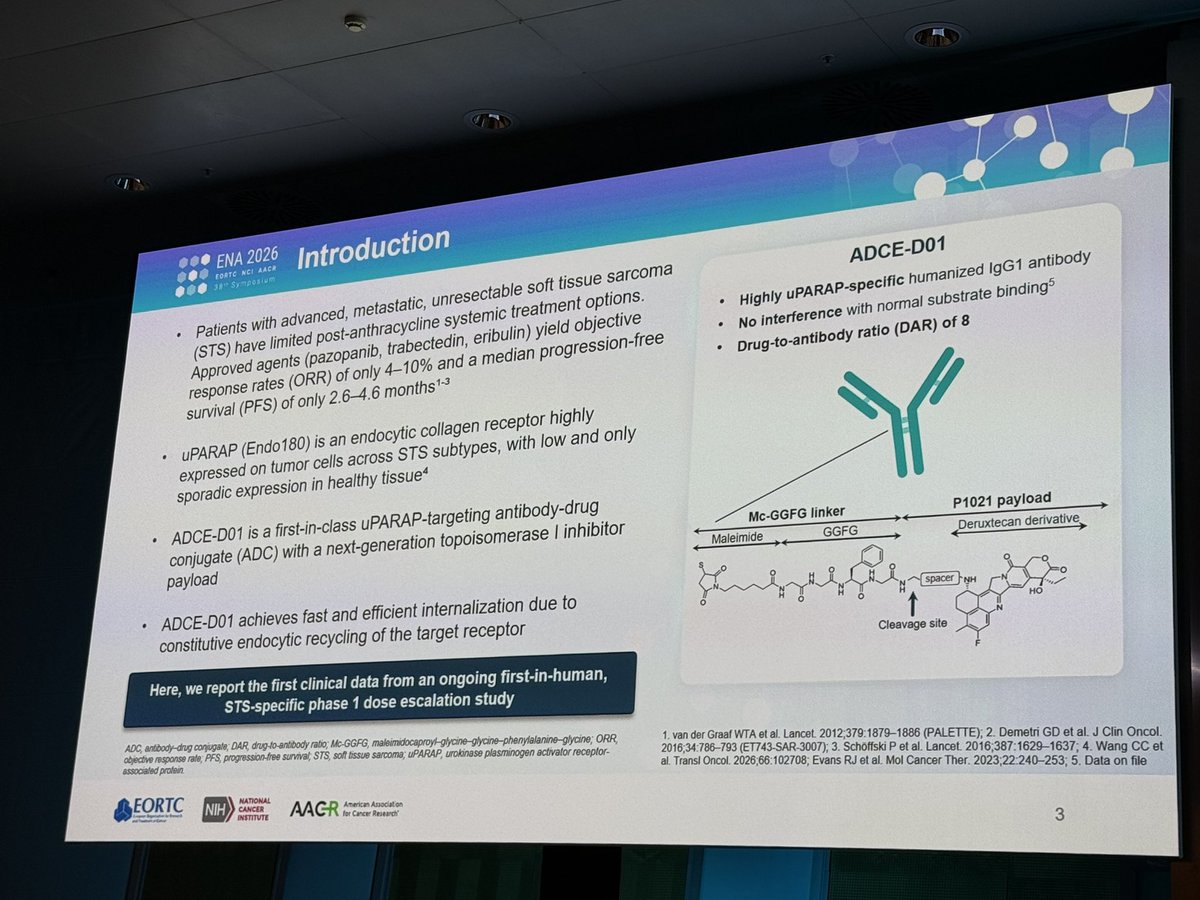
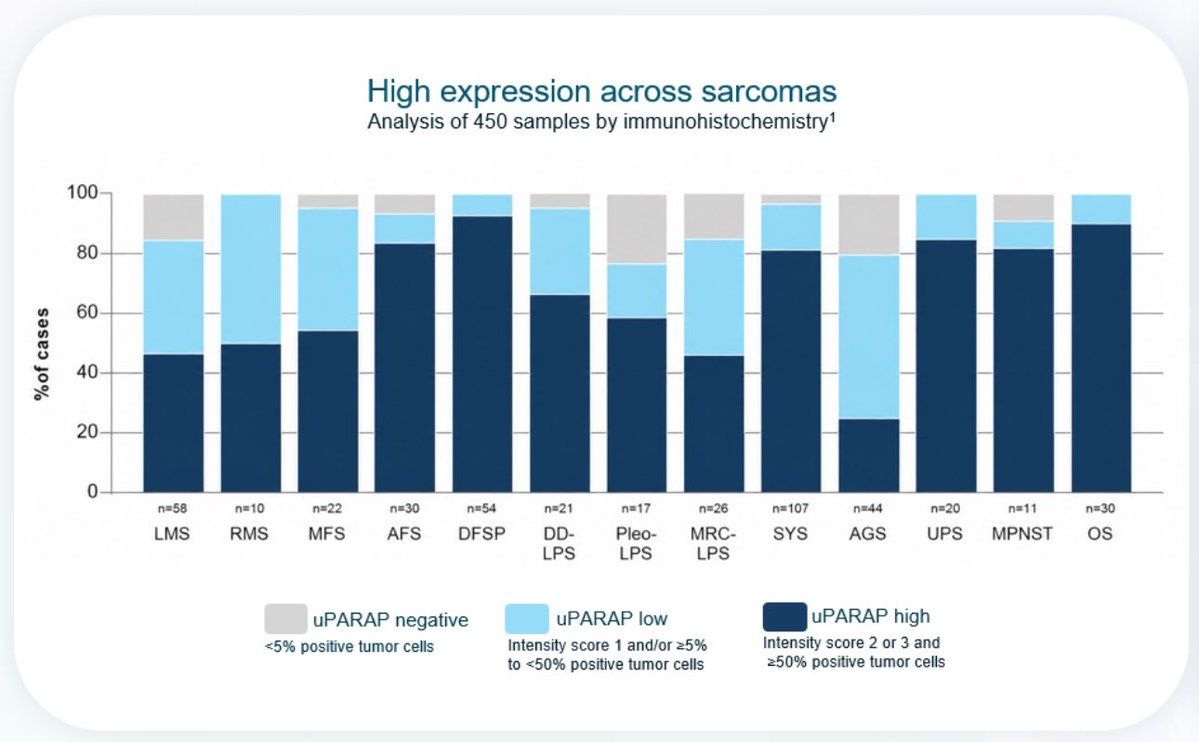
uPARAP: the ideal ADC target for the very heterogeneous and complex sarcoma family! Highly expressed across subtypes (soft tissue, bone and GIST), continuously recycling for highly efficient payload delivery, and very low expression in healthy tissue. 10.1016/j.tranon.2026.102708
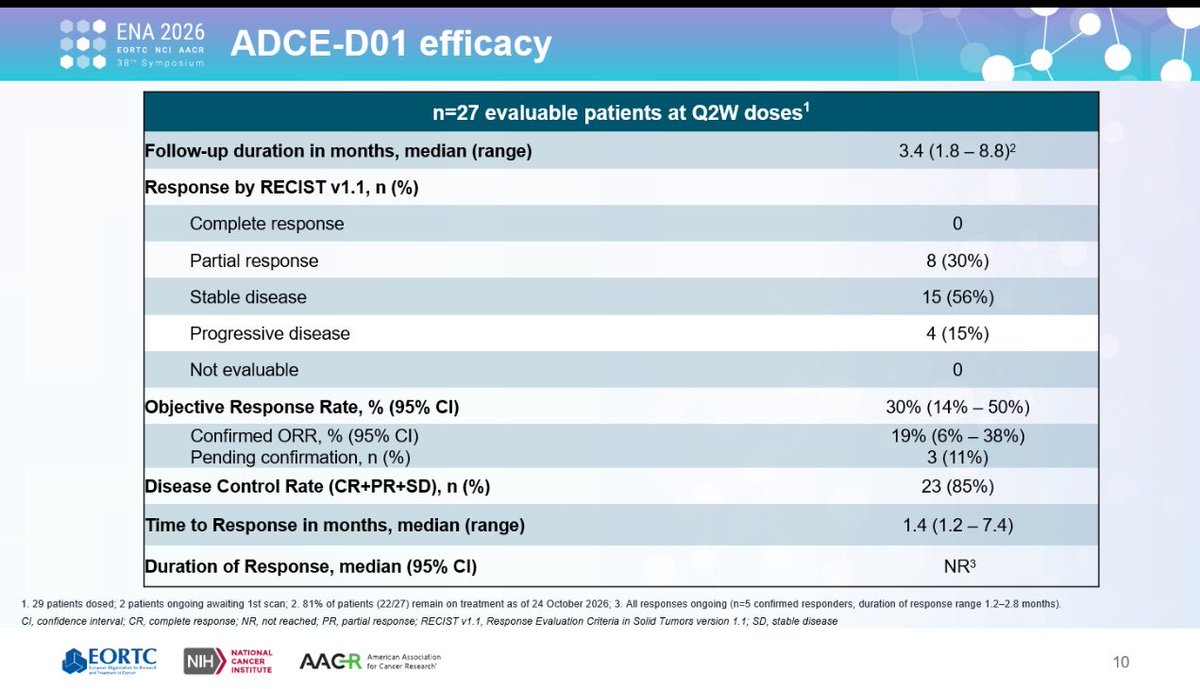
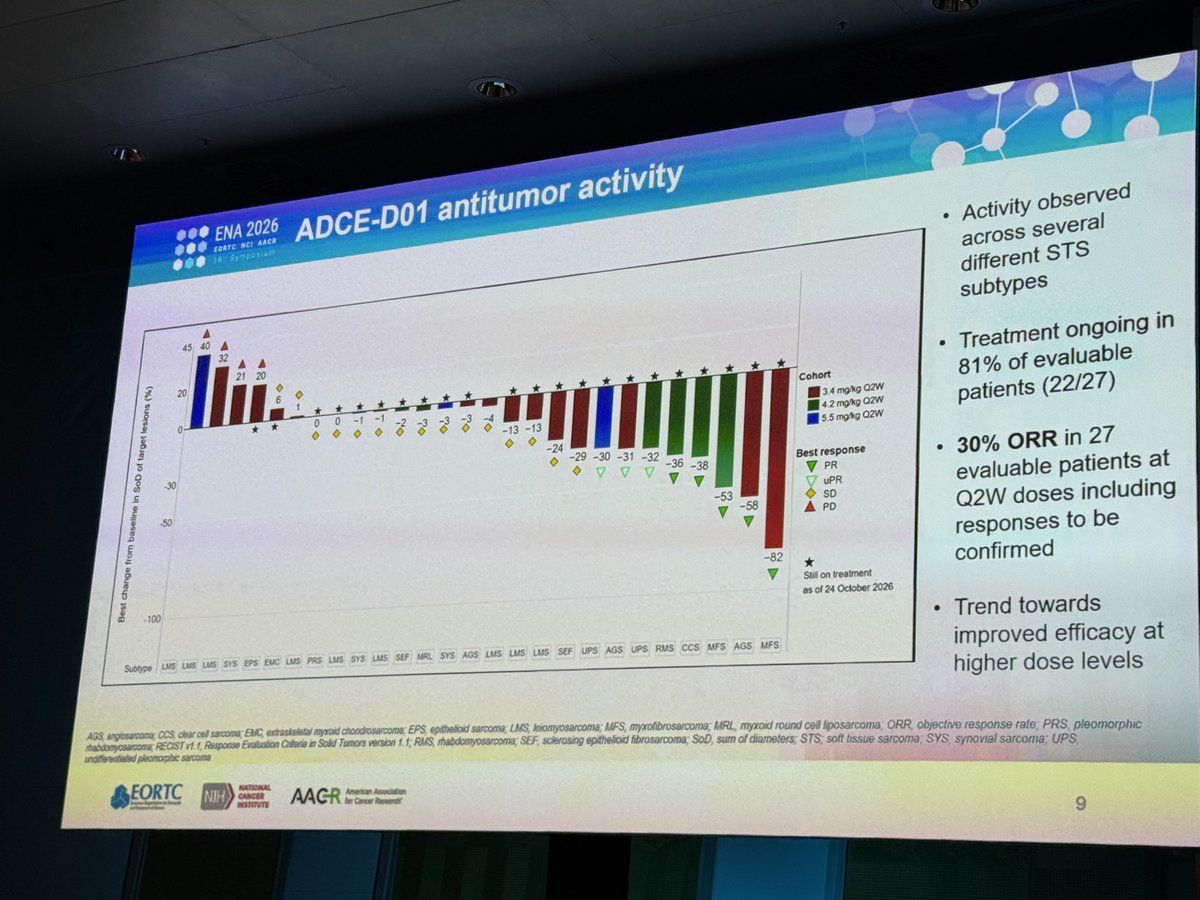
Manageable safety profile of ADCE-D01, 30% objective responses and a disease control rate of 85% in pretreated patients with advanced soft tissue sarcoma, with median duration of response and maximum tolerated dose not yet reached
Encouraging and very broad early efficacy signal in soft tissue sarcoma-specific Phase 1 trial with the first uPARAP-directed ADC that entered the clinic: ADCE-D01. See the full presentation at https://t.co/mKpQ6tcp0a
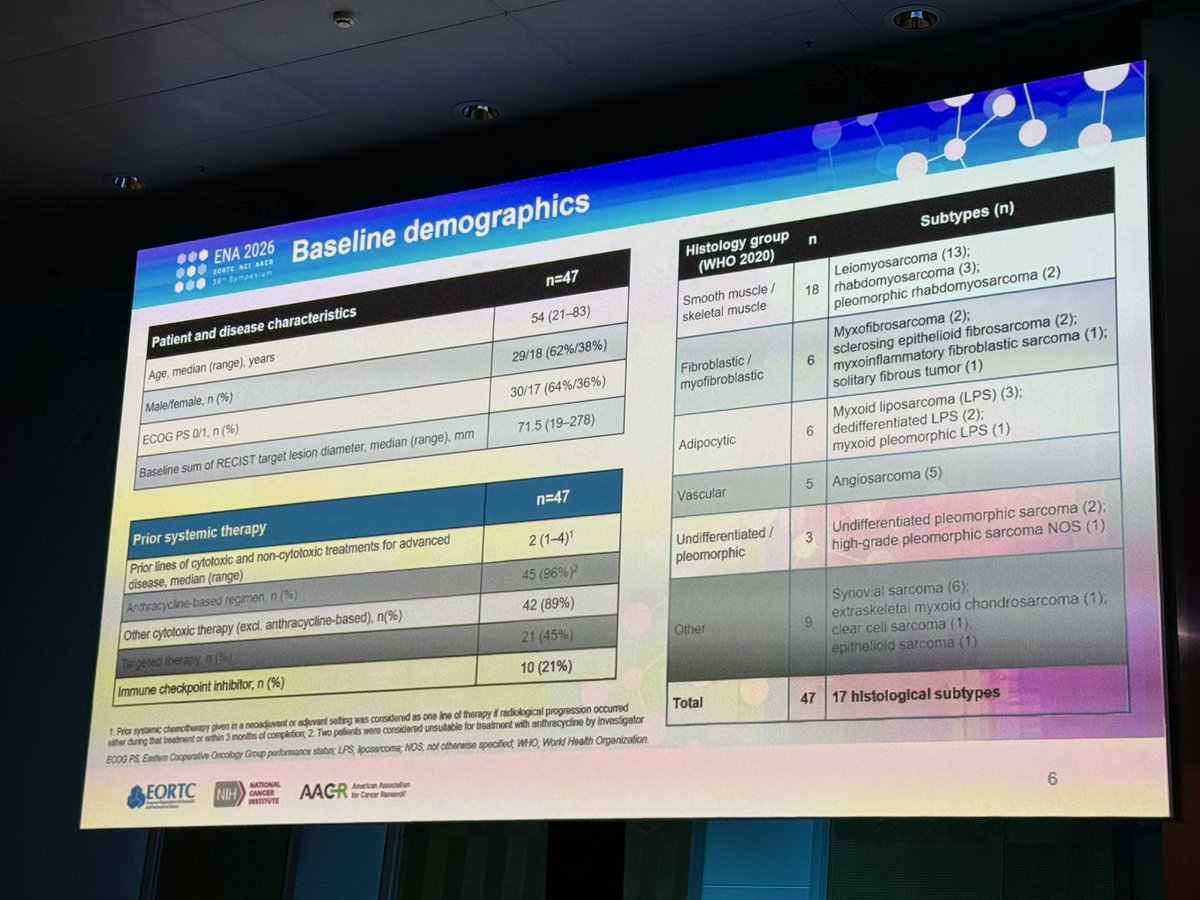
After taking over epithelial tumors, ADCs are coming for treating sarcomas! Encouraging phase 1 data with the uPARAP-directed ADC ADCE-D01, with 30% ORR across multiple types of sarcoma. Key tox: neutropenia (requiring growth factors), nausea, IRR. #ENA26
My lab is hiring talented and motivated individuals at all levels of training. Our mission is to understand how epigenetic dysregulation drives sarcoma development and plasticity and to translate these insights into new therapies. Please apply at the following links.
Nuclear grading of myxoid liposarcoma demonstrates superior prognostic performance over conventional grading, which is traditionally based on the proportion of the round cell component. Read Marcelis L … Folpe AL https://t.co/W78kFpuSLl
In 1986 José Maria Fernández Sousa-Faro founded PharmaMar with the objetive of developing anticancer drugs from marine resources. Trabectedin turned out to be a practice-changing drug for patients with lipo-, leiomyo- and translocation-related sarcomas. Congratulations PharmaMar!
Two novel synthetic ecteinascidins, ecubectedin and PM54, show impressive anti-tumor effects in leiomyo-, dediff. lipo-, synovial and CIC-rearranged sarcoma. Read https://t.co/Pk3GFsDW98
Artificial intelligence in drug discovery - hype or hope? Read the insightful and very informative review article by A. Bender and colleagues in Nat Rev Drug Discov 2026, https://t.co/FycvoQOp8n
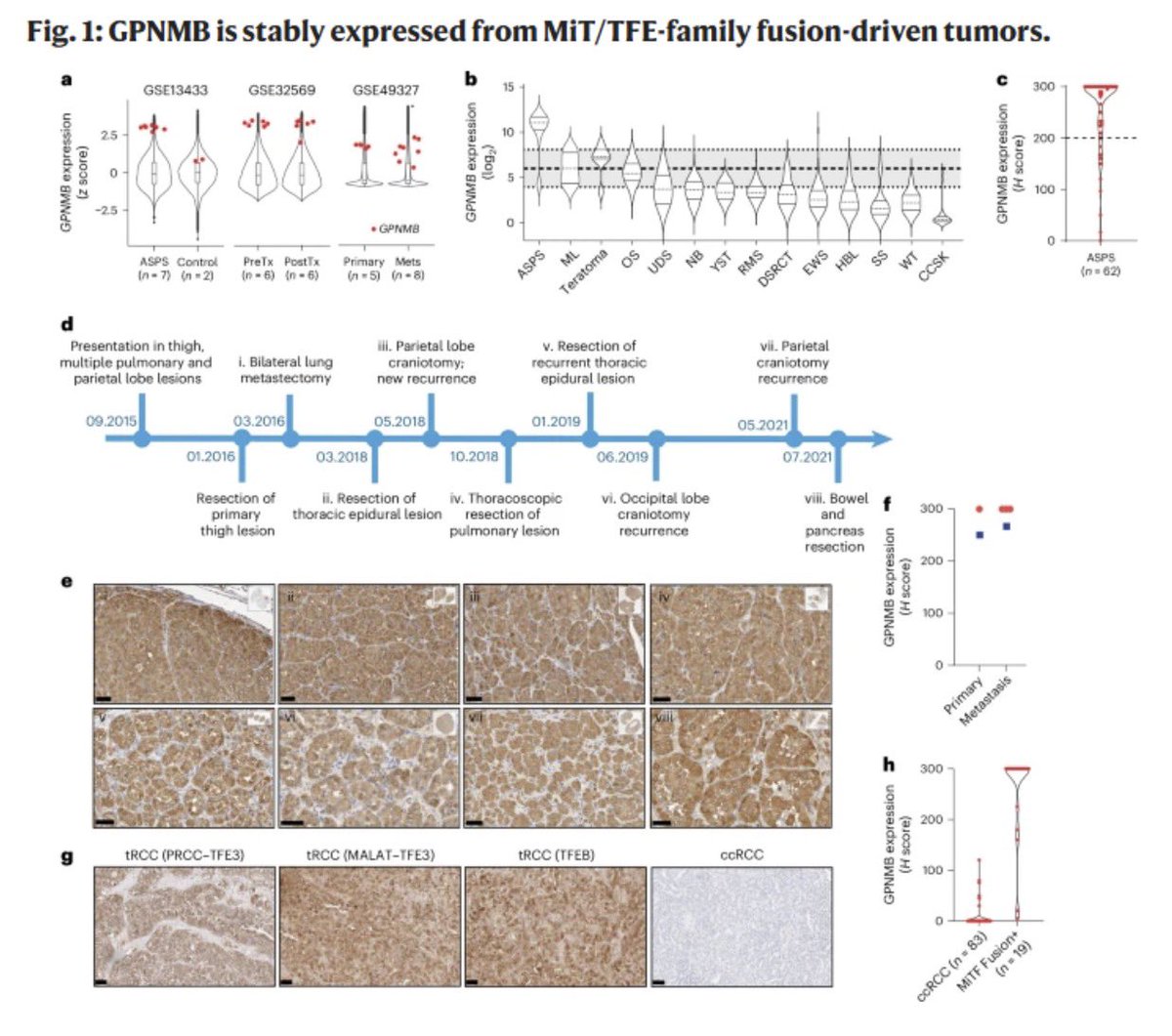
Development of CAR T therapy and first-in-human individual participant trial for patients with alveolar soft part sarcoma and other MiT/TFE-driven diseases. Spectacular academic initiative - congratulation to F. Zemp and D. Mahoney and their teams. DOI: 10.1038/s43018-026-01194-3
These results are nicely reflected by differences in the EMA vs. FDA label for avapritinib: EMA recommends the use in tumors carrying the imatinib-resistant D842V mutation, while FDA approved the drug for PDGFRa mutations in exon 18, including D842V. Which label do you prefer?
GIST with non-D842V PDGFRa mutations have a predicted 86.4 % chance to respond to good old imatinib. Not all exon 18 mutations are the same, not every patient requires toxic avapritinib. Read the comprehensive analysis by H.M. Khosroyani and M.C. Heinrich https://t.co/GF9x87AzPK