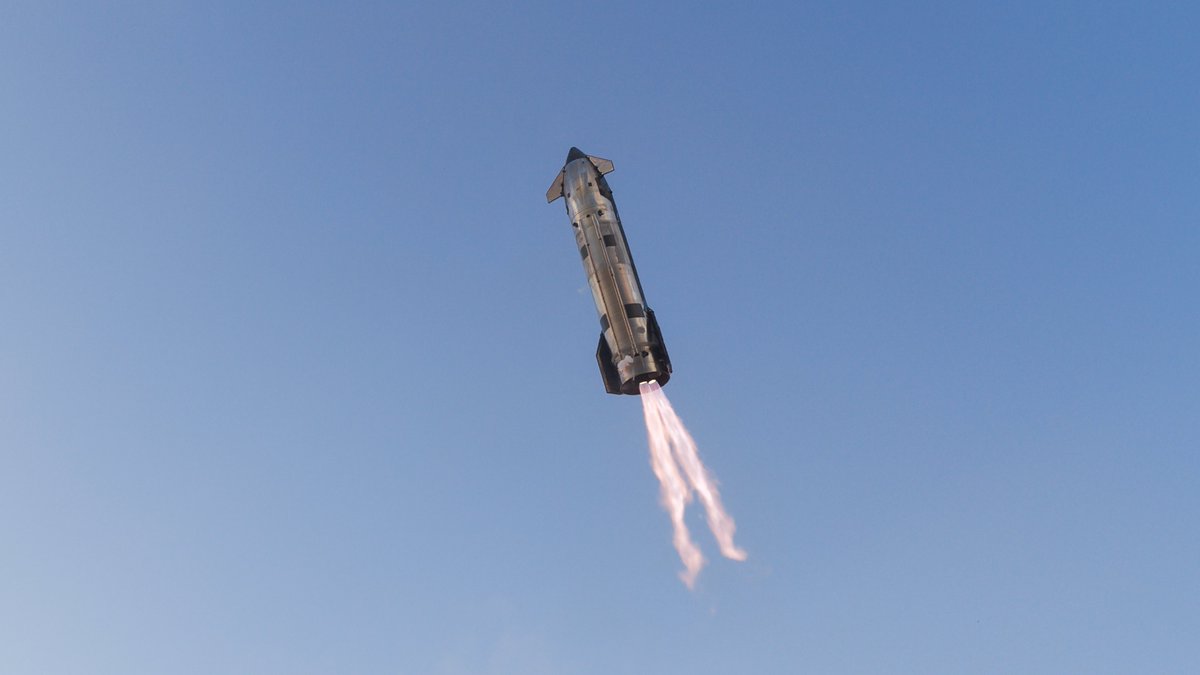
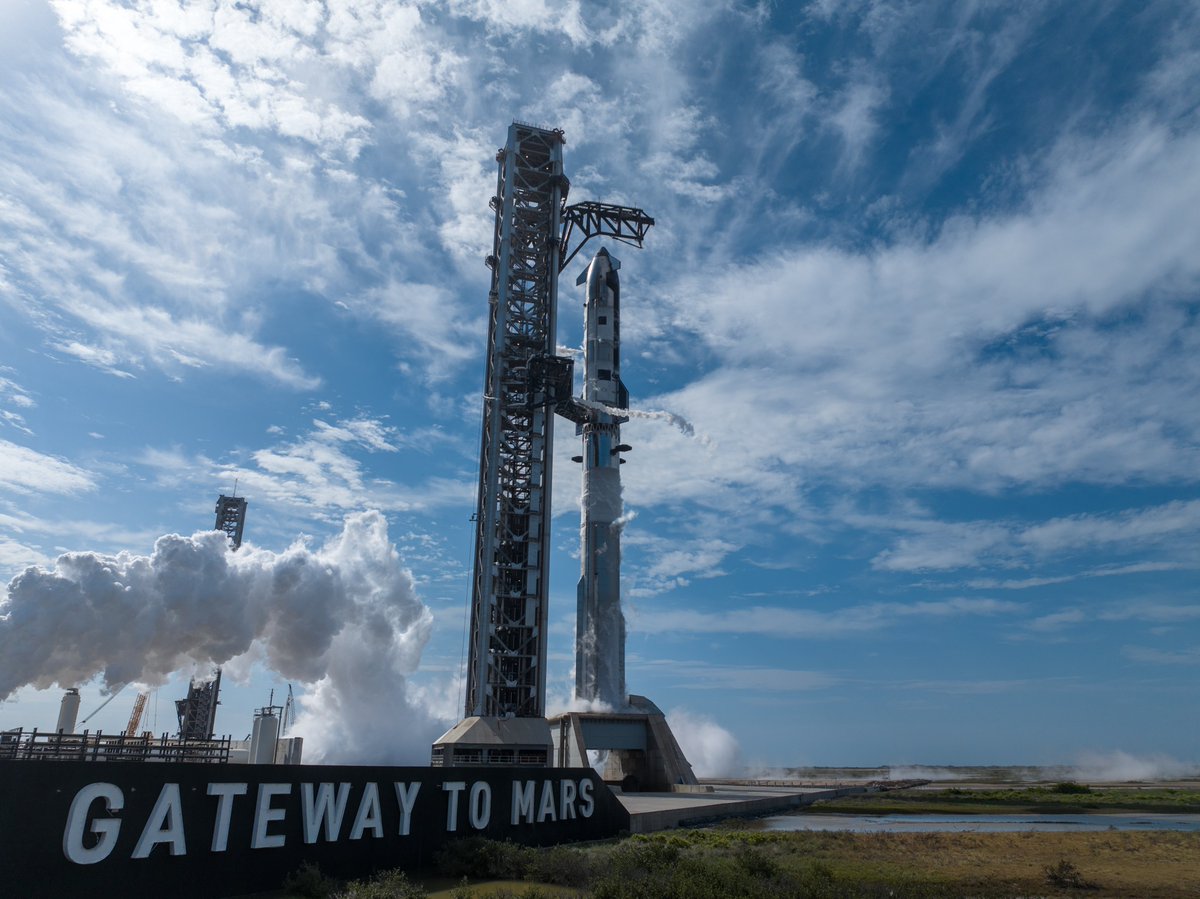
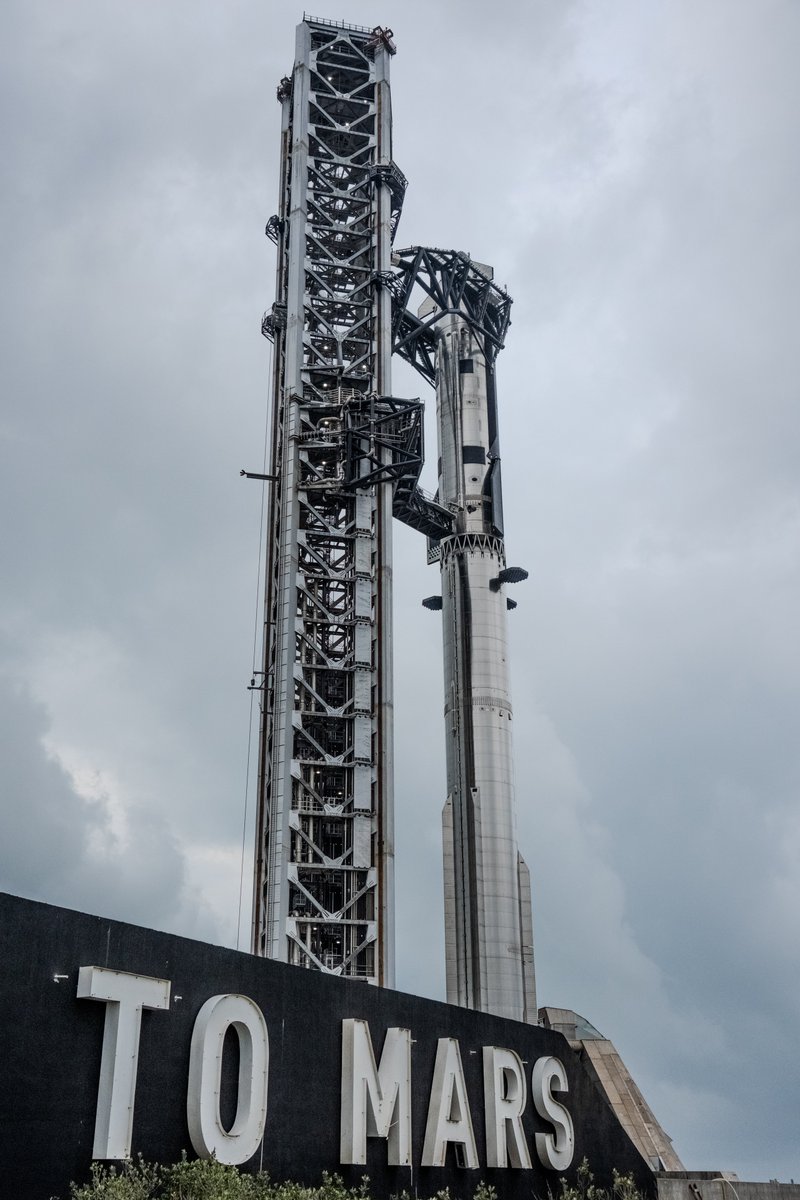
Some LC-36 updates. Now that we’ve had access to the pad and integration facility we can share a bit of good news. The propellant farm, oxygen, liquid hydrogen and LNG tanks are all in good shape. This is good luck because these are very long lead items. The water tower is also good. The big support tower is damaged, but it can be repaired in place rather than torn down and replaced. The booster “Never Tell Me The Odds” and the three GS-2s that were onsite in the integration facility also look good.
I’ve seen some speculation that we might move directly to the 9x4 configuration, but we won’t do that. Rate manufacturing of 7x2 is going well, and we’re going to continue that at pace as planned and store the stages for use. In addition, we had already been working for some time on eliminating our transporter-erector in favor of an alternative vertical conop, and we’ll now go directly to that; so we don’t need a new transporter-erector.
We will fly again before the end of this year. Gradatim Ferociter.
Here’s my 6000mm shot of Atlas V during the LA-07 launch.
This and more in 4k on my YT channel here, @maxqproductions1
Subscribe for free for my latest vids.
@SpaceflightNow
Starship’s twelfth flight test will debut the next generation Starship and Super Heavy vehicles, powered by the next evolution of the Raptor engine and launching from a newly designed pad at Starbase. The launch is targeted as early as Tuesday, May 19 → https://t.co/2gZQUxS6mm
Launch rehearsal complete. During a flight-like countdown, more than 5,000 metric tonnes (11+ million pounds) of propellant were loaded on the fully stacked Starship and Super Heavy V3 vehicles for the first time
Stunning first-sat views from @Starlink launch G10-38 on May 1, deployed from @SpaceX's Falcon rocket. Watch as the Starlink sats cruise over an entire orbit, through sunrise and sunset, and slowly separate from each as they complete their post-launch deployment sequence before beginning orbit raise. The satellites are stacked like a deck of cards in the rocket, which slowly spins when dispensing to impart a small velocity difference, ensuring deconfliction. May the @Starlink be with you.
Cool video of New Glenn’s fairing re-entry. For this flight we installed an exo-atmospheric reaction control system (RCS) in the fairing to control re-entry and enable recovery of the fairing. We’re planning a parachute recovery later this year, and the data from these fairings gives us the learnings needed to develop and refine that capability.
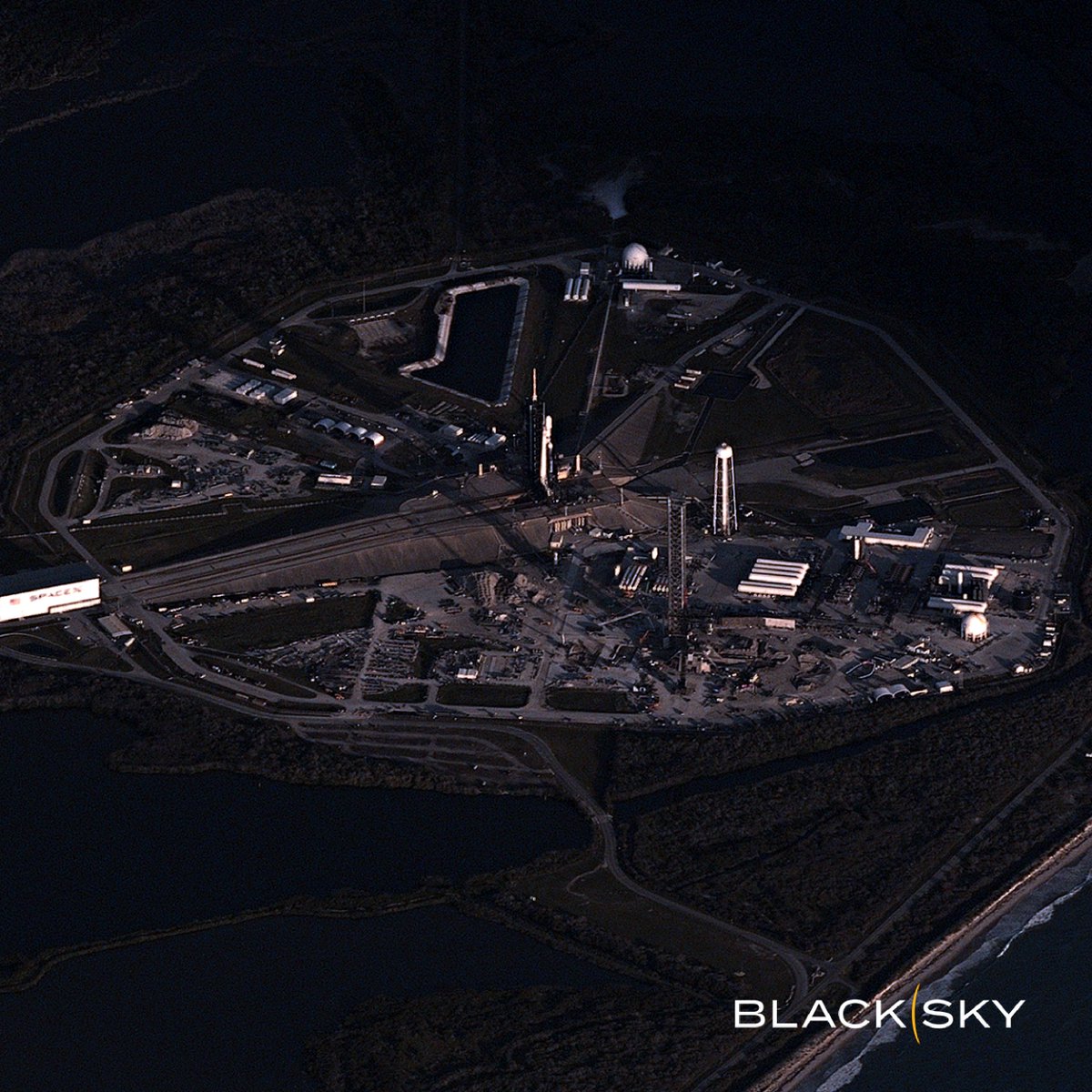
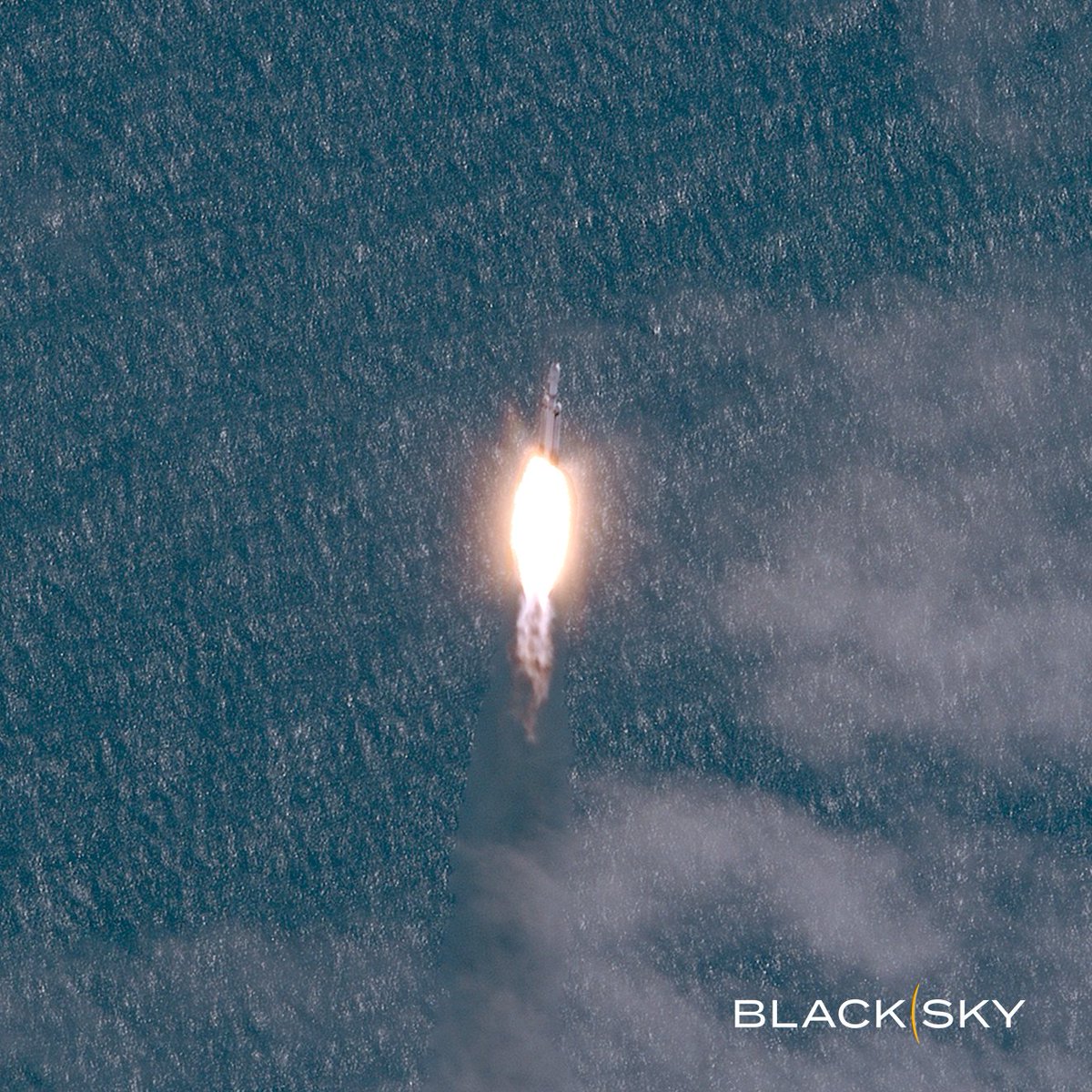
Timing is everything. Check out these images, taken today, of Launch Complex 39A at Kennedy Space Center. At 07:29 local time, Gen-3 captured an extreme off-nadir twilight shot of a SpaceX Falcon Heavy rocket on the pad before again catching the vehicle in flight at 10:13, 38 seconds after launch, as it was traveling more than 400 miles per hour.
With time-diverse imaging capabilities and flexible imaging modes, Gen-3 sees relevant activity at all hours of the day.