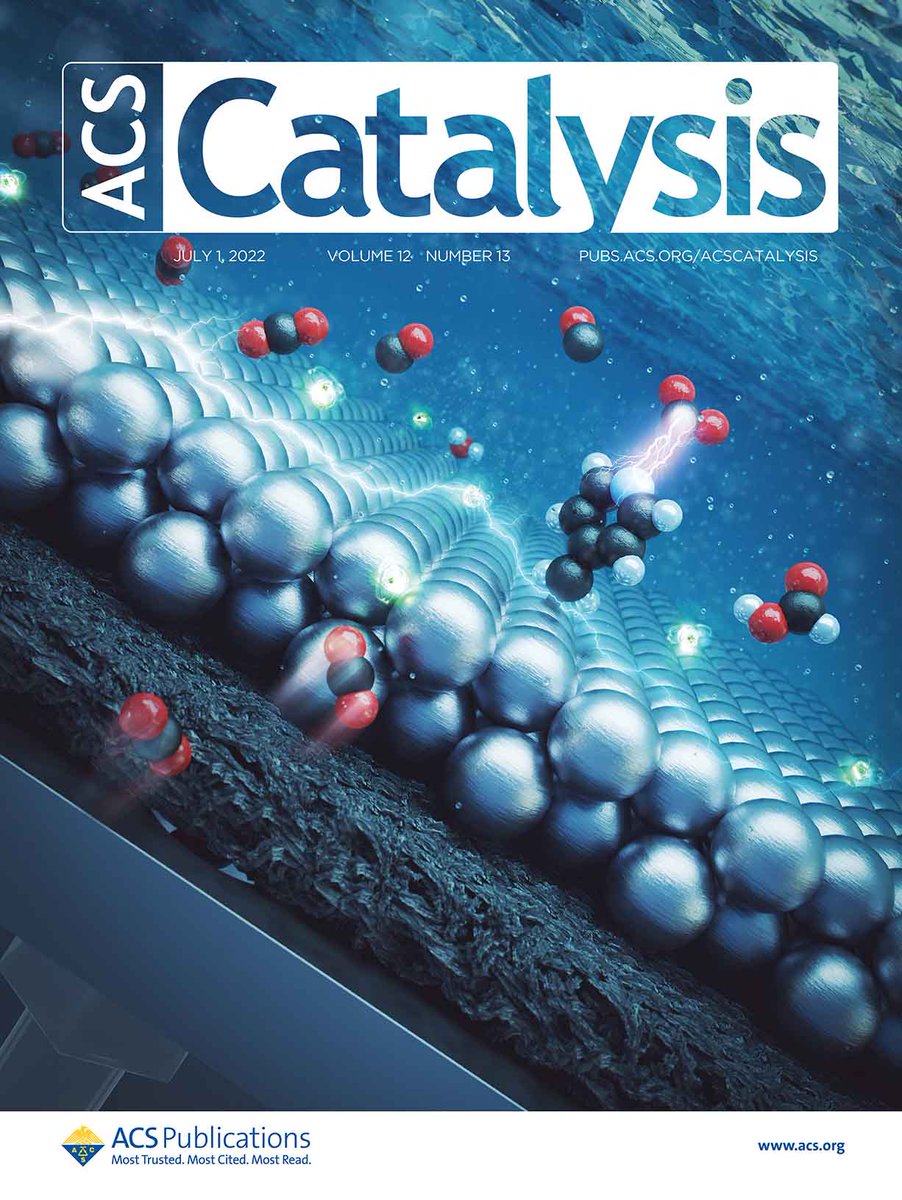
Seizing the opportunity for a re-introduction #artistsontwitter! I am graphics designer that strives to translate scientific concepts into attractive and striking visuals. More of my work here: https://t.co/gYT9cK8ofS
QCell is on the cover of AI for Science! 🧬
Building general-purpose ML force fields for biomolecules requires diverse, high-quality QM data covering all four major biomolecular classes. Unlike materials, complexity here arises mainly from conformational space within a limited set of recurring building blocks. Though carbohydrates, lipids, and nucleic acids account for around 40% of cellular dry mass, they remain underrepresented in QM training data.
QCell is built to close that gap, contributing 525k new QM calculations (2–402 atoms) for these three classes, plus relevant solvated ion clusters and dimers, extending coverage beyond small molecules and proteins. Combined with existing datasets (QM7-X, GEMS, and QCML), it brings the collection to 41M molecular systems, all computed at a consistent, non-empirical hybrid PBE0+MBD(-NL) level. We validate structural diversity and train an MLFF that reaches an FMAE of 1 kcal/mol/Å across most subsets.
We hope QCell will be useful for developing more general and accurate ML force fields (ours will be out soon!), and will inspire efforts to close the remaining (still wide) gaps across the biomolecules expressed in living cells.
Thanks to @sciencebrush for the design!
@BKleinstiver It was a great honor working with you on the design Ben! Surely the hope was to see it on the front cover... Congratulations on your remarkable paper and results!
A belated re-post after a brief sci-media hiatus - congratulations to @connorjtou & the team!
We sought to overcome a key challenge for inserting large DNAs into the genome: toxicity & innate immune responses. 🧬 🚫
Our paper was published in @Nature: https://t.co/vl8vYmgunf
🧬 New paper out in @Nature! We used CRISPR to selectively kill cancer cells based on a single-letter mutation in their RNA. The story I want to highlight: KRAS — one of the most notorious drivers of human cancer. A short thread on what we found 🧵
Our latest cover art in Nano Letters!
The question that Prof. Xiaohang Li and his team from KAUST tried to answer is whether ultrawide bandgap semiconducts can operate at deep cryogenic temperature; the answer was yes!
In their paper the team reports the first cryogenic Ga2O3 transistor operating at 2K!
Applications range from space exploration and extreme environments to superconducting systems and quantum computers.
More of our latest art at https://t.co/LOVcYFxoKa
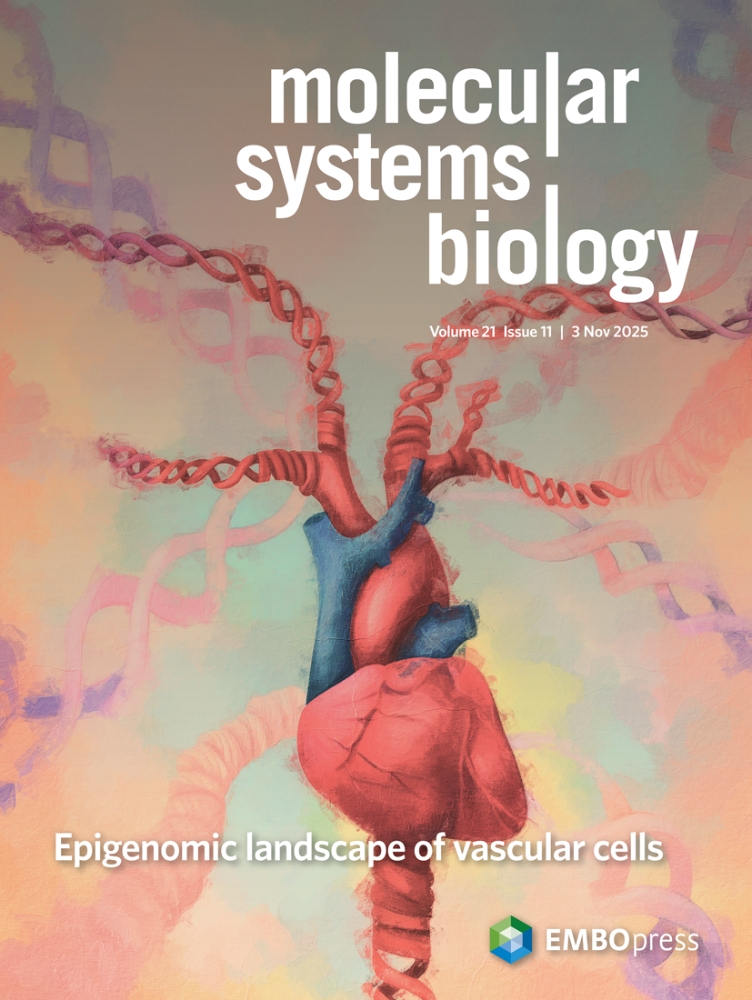
Amazing to see our work featured on the cover of @EMBO Molecular Systems Biology! Through integrated scRNA and scATAC we uncover not only cell type but vascular site specific enhancers that reflect developmental memory and regulate key drivers of disease risk. @StanfordDeptMed
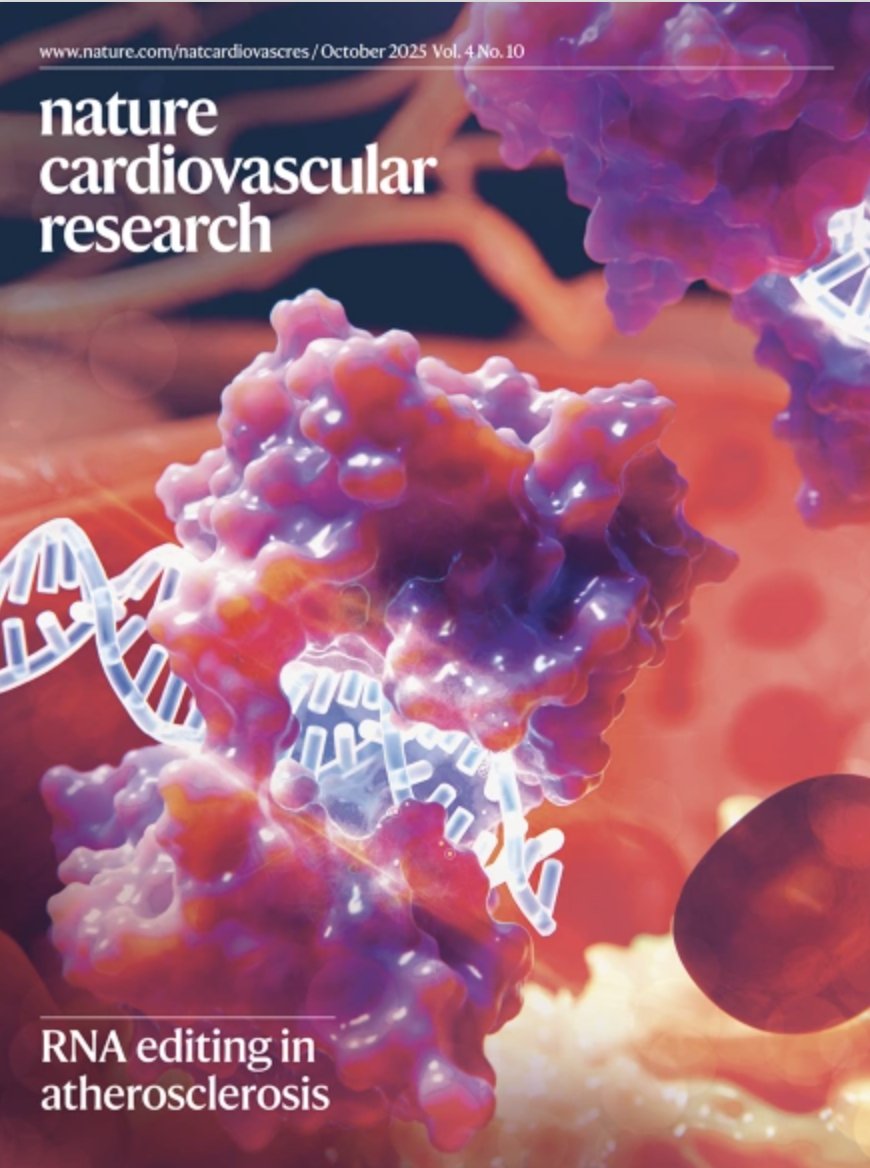
Pumped that our work is now featured on the cover of @NatureCVR!! This artwork represents ADAR1 RNA editing within the vascular wall, controlling dsRNA sensing. @StanfordDeptMed@StanfordMed
https://t.co/O6Fyx8DWT8
Great experience working with @sciencebrush for artwork.
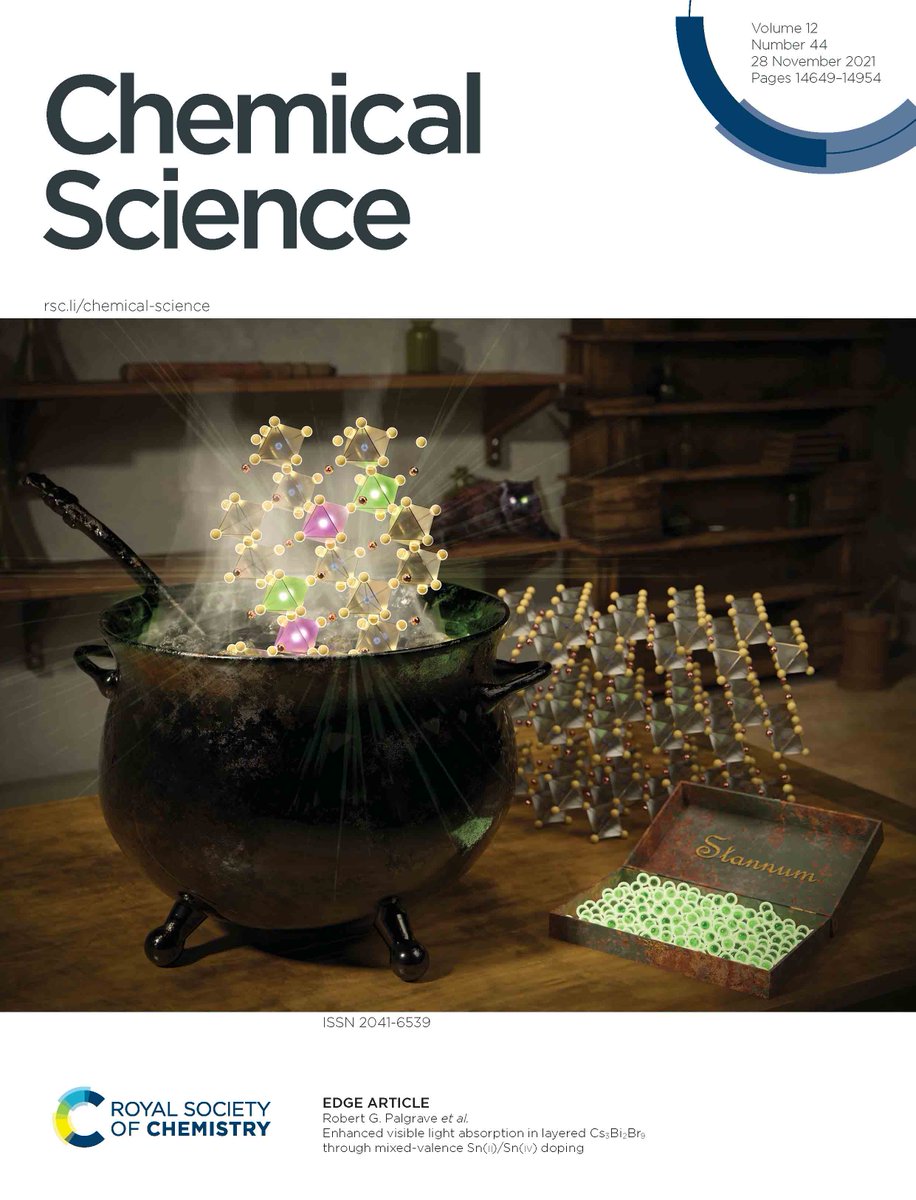
Happy to share our new article in @ChemicalScience
If you are interested in twisted molecules take a look. Thanks to @sciencebrush for the art
https://t.co/Ve2ABdW6dX
Happy to share that the Supplementary Cover Art for our manuscript on Porous and Self-Doped Conjugated Polyelectrolytes (10.1021/acs.chemmater.5c01255) is now published in Chemistry of Materials. Thanks to the @sciencebrush team for the 🔥design!
☀️ Get creative this summer! 🎨 Dive into the fascinating world of science with The Molecular Cages Coloring Book (1st Ed. 2025). Perfect for all ages!
Grab your FREE copy here:
➡️ https://t.co/t2UCFxDm4k
Share your masterpieces: #MolecularCages#TheMolecularCagesColoringBook
🔋 Did you know some Li-ion battery materials have a memory?
A fascinating new study shows that certain phase-separating electrodes like the ones made from LFP, LTO, and NVP can "remember" their charging history, displaying a rate-dependent memory effect under fast-charging conditions.
Using operando X-ray diffraction and advanced modelling, the research reveals how particle-level kinetics shape large-scale electrode behavior. These insights could reshape how we think about battery management systems, especially for fast-charging applications.
The cover artwork for this study was proudly made by ScienceBrush Design (https://t.co/CW9VFt5v2h), where we bring complex scientific ideas to life through visual storytelling.
📖 Kinetically induced memory effect in Li-ion batteries
https://t.co/XwyL23dnpw
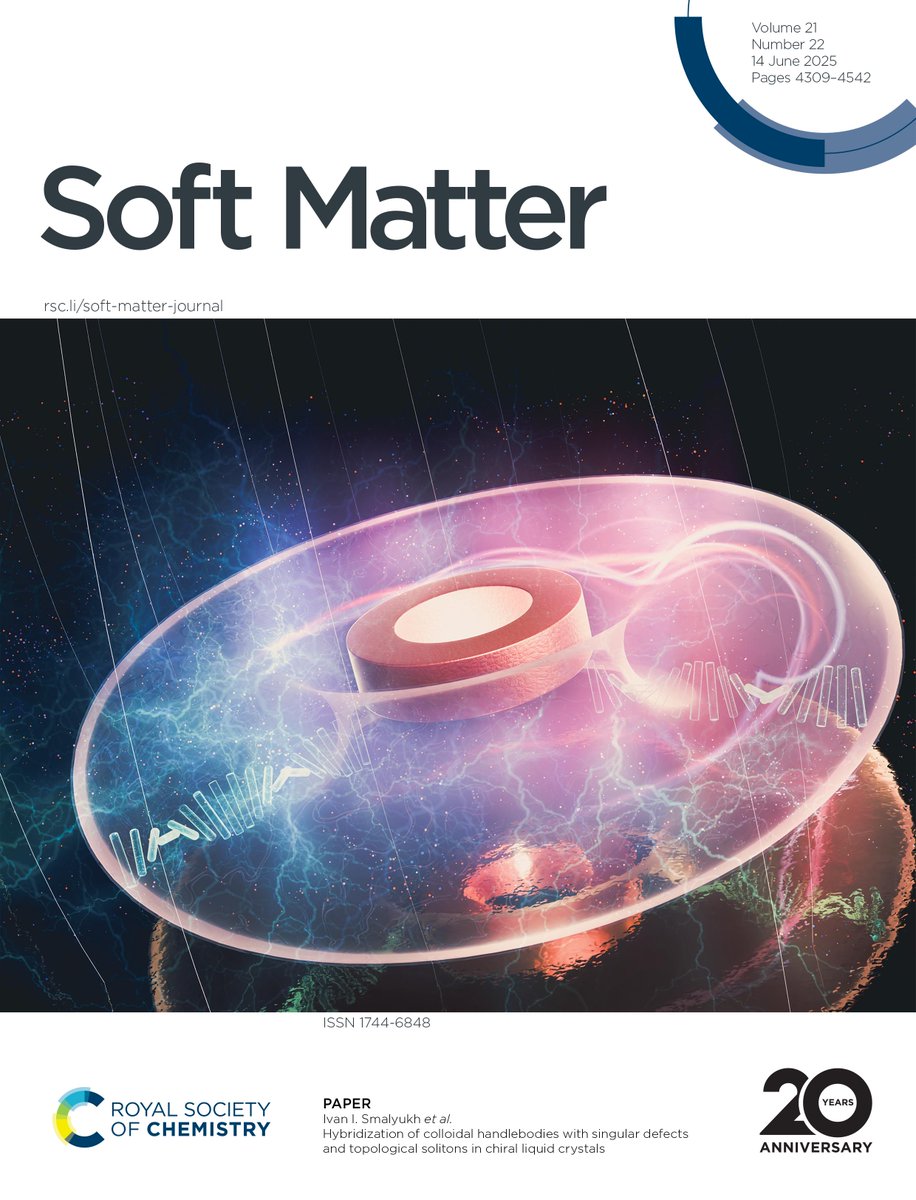
Hybridization of colloidal handlebodies with singular defects and topological solitons in chiral liquid crystals.
On the front page of Soft Matter! My recent design for the work carried out by Dr Jun-Yong Lee, Prof. Ivan I. Smalyukh and colleagues, from the International Institute for Sustainability with Knotted Chiral Meta Matter @SKCM2_HU!
Using a record-breaking solid-state laser to achieve pressures over one million atmospheres and temperatures around 7000K, researchers have successfully characterised liquid carbon in the lab for the first time.
https://t.co/rRXyXykpGS
The Wentz lab is hiring a Postdoctoral Fellow! Applicants excited about joining a brand new research group and interested in the synthesis of new functional main-group based heterocyles and polymers can apply at the link below. Please share! https://t.co/5pSWxJo5Tp
PhD/Postdoc position in my group is open now 🚀
Are you interested in catalysis within MOFs/COFs? Want a brand-new environment? Apply or ask me anything by June 27, 2025!
Repost appreciated 🤝
https://t.co/zbq3GhrhDW
My design as the inside cover of @ChemicalScience!
Research led by Prof. Chris Ritchie from @Monash_Science and his team on “Multi-stimuli-responsive polymers enabled by bio-inspired dynamic equilibria of flavylium chemistry”.