"Findings of this cross-sectional brain bank study highlight the value of integrating genetic & path. data to improve diagnostic accuracy. The high prevalence of #Alzheimers copathology & ancestry-associated diff.s in path. point to the need for biologically informed diag. tools"
New research from @huwmorris & colleagues suggests that "integrating genetics & neuropathology may improve diagnosis & support pathology-informed therapeutic trials"; A multicenter (N=11), retrospective, autopsy-confirmed cross-sectional brain bank study
https://t.co/jCrsseor7l
Foresee Pharmaceuticals announces that its oral ALDH2 activator, mirivadelgat, has been selected for clinical testing in #Parkinsons as part of the SLEIPNIR Phase 2a platform trial
https://t.co/Y9vP7of4DC
A case study of a #Parkinsons patient being treated with continuous intracerebroventricular administration of anaerobic dopamine (A-dopamine) as monotherapy; 240 mg of A-dopamine (day) & 40 mg (at night) allowed for complete control of motor symptoms
https://t.co/qarT6S538U
"Our findings delineate membranous & fibrillar αSyn inclusions as discrete entities, suggesting they may arise through distinct aggregation processes, although how & if these pathways are mechanistically linked remains to be determined"
Wow! @LabStahlberg & colleagues highlight clear ultrastructural differences between somatic & neuritic αSynpS129 pathology & they demonstrate the structural complexity & heterogeneity of Lewy pathology in postmortem brain from people with #Parkinsons
https://t.co/bG3foYHzFX
They had me with "Dandelion Optimizer"
A new machine learning approach to provide "an accessible & precise solution for automated #Parkinsons detection"
https://t.co/4CF1lP22J4
Montara Therapeutics announces that they will receive a $1M research grant from @MichaelJFoxOrg to advance their BrainOnly™ therapy targeting mTOR for #Parkinsons; Activating autophagy in the CNS & promoting clearance of the toxic α-synuclein
https://t.co/yTLqefPbvc
Can we measure Parkinson's disease progression years before diagnosis? An ‘alpha-synucleinopathy’ is a brain disease linked to abnormal accumulation of the protein alpha-synuclein and includes Parkinson's disease, dementia w/ Lewy bodies and multiple system atrophy. Monica Roascio and colleagues describe in a new paper in Brain how clinical changes in REM sleep behavior disorder (RBD) may be tracked years before the emergence of overt Parkinson's disease or dementia.
Key points:
- Using longitudinal data from 766 individuals w/ isolated REM sleep behavior disorder, the authors developed a model that tracks disease progression over time rather than relying on a single conversion event.
- The model identified three markers reflecting earlier or later onset of progression, faster or slower progression, and whether motor or cognitive symptoms emerge first.
- These progression markers were linked to established dopamine imaging biomarkers and to EEG measures of brain network dysfunction.
My take: This study tackles one of the biggest challenges in neurodegeneration. We need better ways to measure progression before a person develops obvious Parkinson's disease or dementia. The traditional approach of waiting for ‘phenoconversion’ may miss many years of meaningful biological and clinical change. Continuous progression markers could ultimately improve clinical trials and help us identify who is worsening and when.
Here are 5 points that resonated w/ me:
1- REM sleep behavior disorder remains one of the strongest known risk states for future Parkinson's disease and related disorders.
2- Motor changes appeared to worsen approximately 35% faster than cognitive changes in this cohort.
3- Clinical progression could be detected many years before traditional diagnostic milestones were reached.
4- Abnormal dopamine transporter imaging and abnormal EEG synchronization were linked to earlier and faster disease progression.
5- The future of disease-modifying trials may depend on continuous progression markers rather than waiting for a binary diagnosis of Parkinson's disease or dementia.
https://t.co/9fGVBXMirL
Interesting review on the history, advancements, & broad utility of the nitroreductase (NTR)/prodrug system, how it has been used to model human diseases (including #Parkinsons), & suggest future strategies for developing versatile ablation models
https://t.co/KHo4Qlqinj
Analysis of spatiotemporal gait signatures across prodromal & early #Parkinsons in 2 independent cohorts finds step length was control-like in iRBD & early treated PD, whereas it was lower in both naïve & moderate stages PD in all different task conditions
https://t.co/aiTYb0o54v
New study evaluates the performance of published models for prodromal #Parkinsons detection; "Although the🇬🇧cohort showed visually similar activity patterns to those in UKBB, neither cohort showed equivalent statistical differences or model performance"
https://t.co/z10fSVoWK1
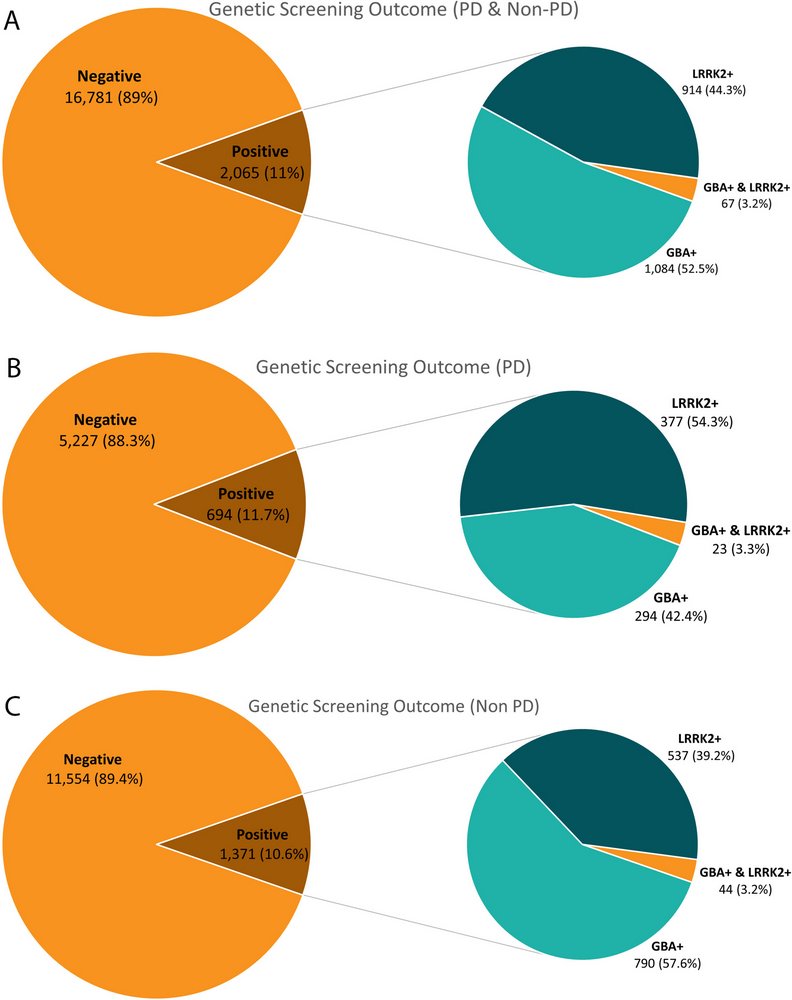
Advancing genetic discovery & capacity building worldwide - The Global #Parkinsons Genetics Program (GP2) - one of the great research projects of our time
@ASAP_Research@MichaelJFoxOrg
https://t.co/q2zLNY7JTW
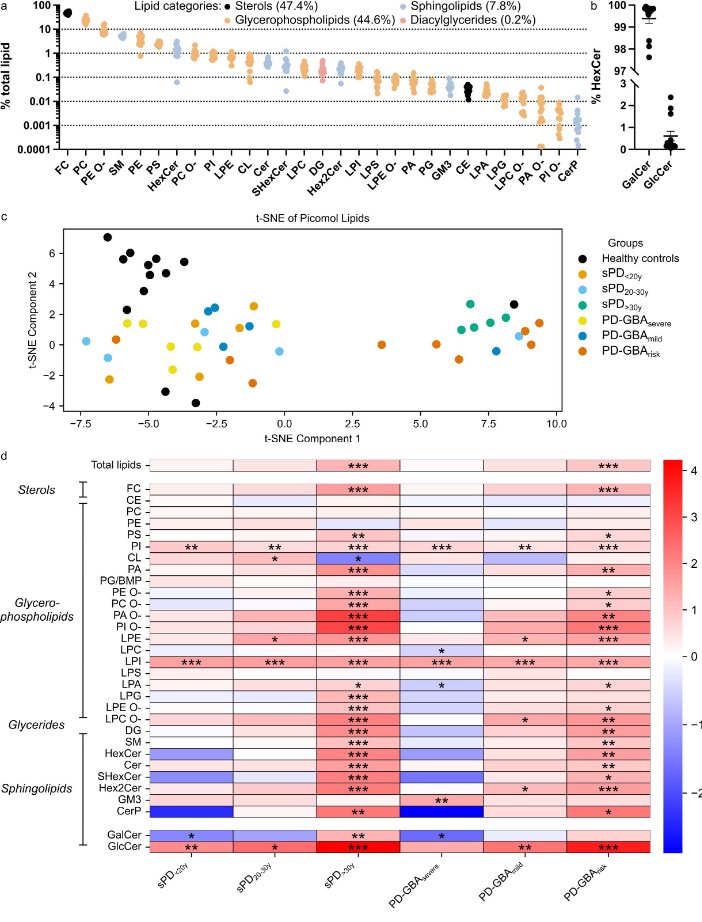
Shared & distinct lipid profiles in amygdala from sporadic & GBA1-associated #Parkinsons; "Levels of lipid classes & the relative proportion of lipid species affected in PD amygdala all correlated with GCase activity &/or pathological alpha-syn levels"
https://t.co/Be1uV48udd
New study "systematically evaluates the diagnostic performance of α-synuclein seed amplification assays across biological samples, their role in differential diagnosis, & their potential in prodromal prediction & disease monitoring" for #Parkinsons
https://t.co/aFv9XJaH8y
Researchers conduct single-nucleus RNA sequencing to investigate non-pathological aging within brain regions vulnerable to age-related diseases; Functional enrichment analyses reflected multiple hallmarks of aging
https://t.co/3058Lu45nq
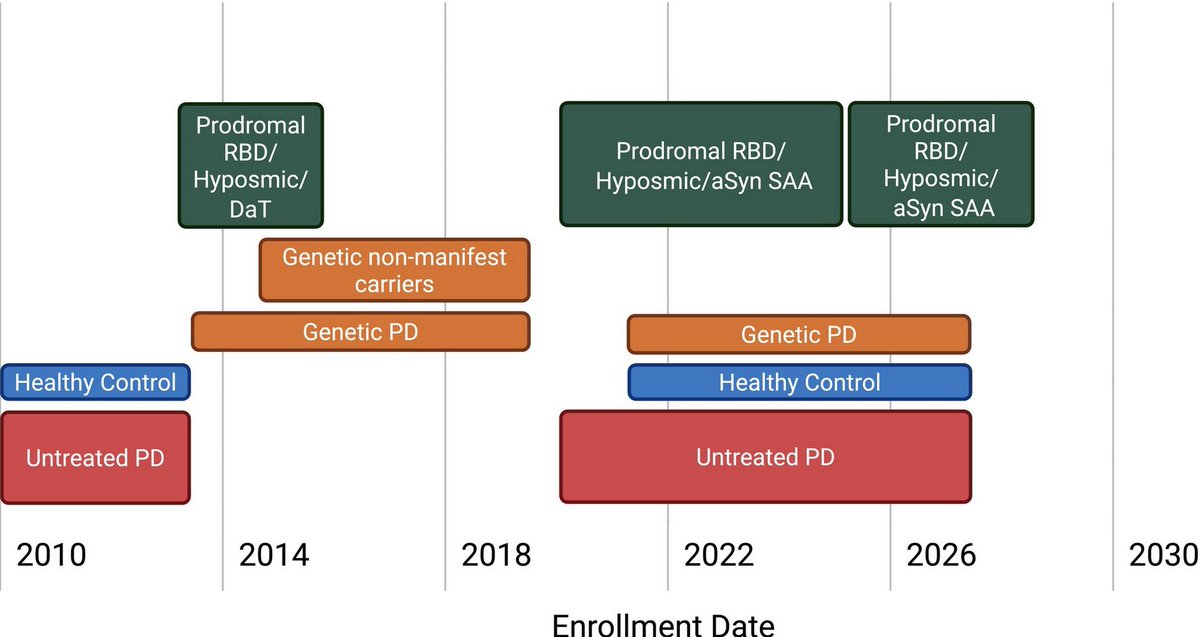
An invited editorial explores recruitment strategies across the spectrum of Neuronal Synuclein Disease; the "evolution mirrors the scientific trajectory of #Parkinsons research—from symptom observation to molecular characterization"
https://t.co/1Z5RT3odBJ
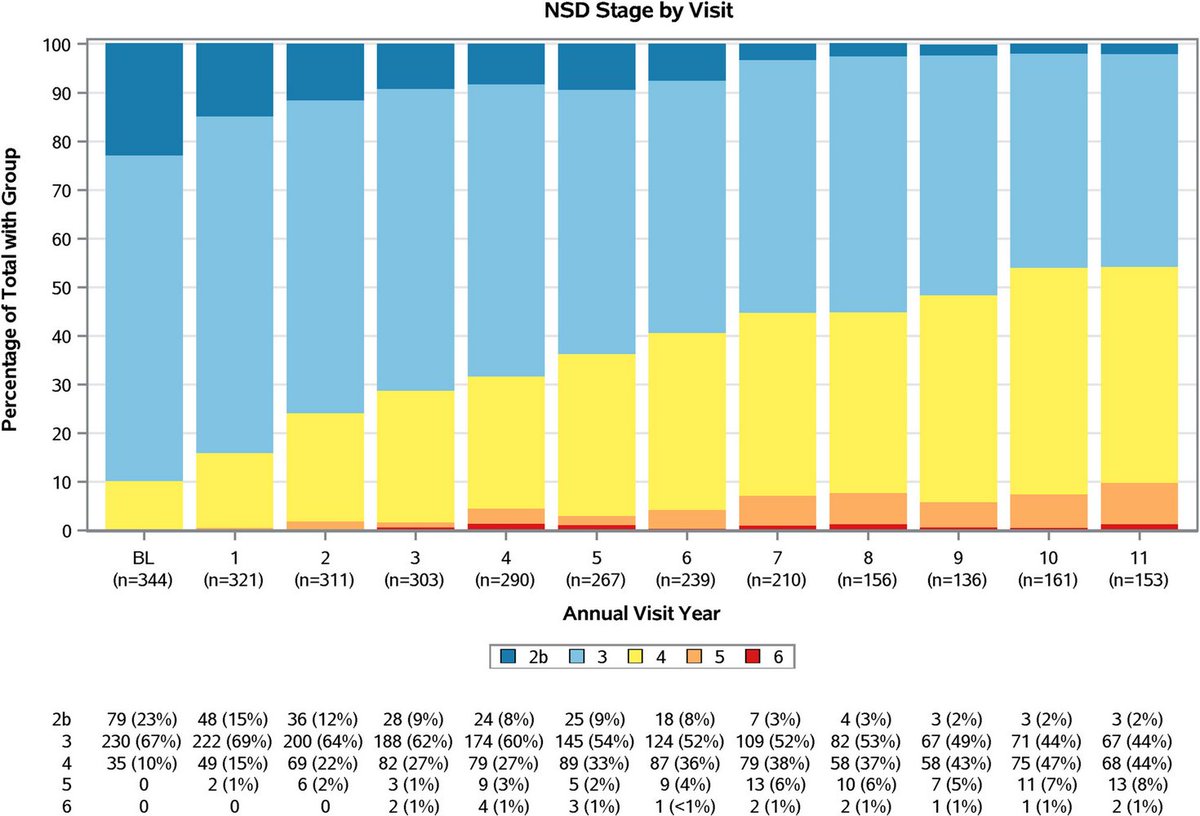
New research presents long-term outcomes of participants fulfilling criteria for the neuronal synuclein disease (NSD) biologic definition of #Parkinsons, who were originally enrolled in the sPD cohort in PPMI followed up to 11 years
https://t.co/xbp5CMQBJD
A multi-omics analysis of the substantia nigra pars compacta across #Parkinsons Braak stages, highlights upregulated genes (PARP3, SERPINE1, COQ10A, HMGB3 & LINC01094) associated with α-synuclein aggregation, cell death, & autophagy inhibition
https://t.co/3C6bIKhgwG