A simple question can expose the way you approach math problems. We made a video about proportional relationships, and how a simple question can evaluate what kind of thinker you are.
Watch here: https://t.co/BczuO7pPXY
@copur_gencturk
Oftentimes we’re taught how to invert and multiply, but a lot of students don’t understand why the invert and multiply operation works. This video showcases why we invert and multiply when dividing fractions.
Watch here:
https://t.co/ISNG3gOuiR
@copur_gencturk
The Science of Teaching Math website has a fresh new look! Check out the updated site for research-based teaching practices and resources.
New Site: ⬇️
https://t.co/7xCySldRei
@copur_gencturk
We are often taught 𝘩𝘰𝘸 to perform fraction operations, but not 𝘸𝘩𝘺 they work. This video breaks down key concepts like common denominators and invert and multiply to help teachers explain them clearly and confidently.
Watch here: https://t.co/cPXvipK5yF
@copur_gencturk
Two open-access publications on teacher knowledge for teaching math‼️
1️⃣ Review of research on content & pedagogical knowledge for teaching math: https://t.co/MaJVo9Cyhn
2️⃣ Why knowing common student struggles matters for teaching: https://t.co/bivRLsMEKj
When students make mistakes, they are often attributed to social stereotypes. Teachers need to encourage every student to succeed and resist their cognitive biases.
Watch now: https://t.co/CRg0utx5NI
@copur_gencturk
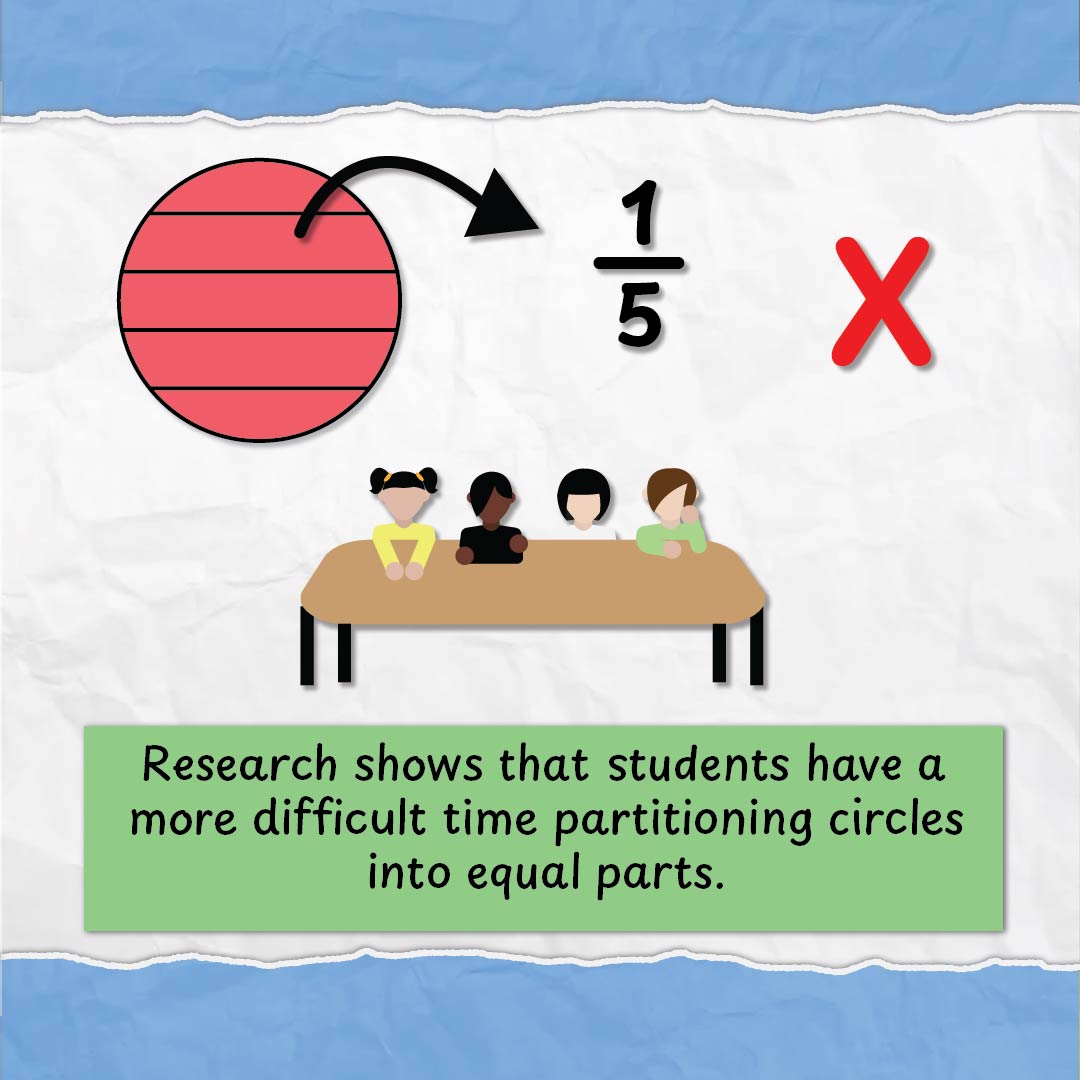
Did you know? Research shows that students have an easier time partitioning rectangles vs. circles. Consider using them in your classroom when introducing fractions!
https://t.co/7xCySldjoK
#math#education#teaching#learning#edchat
Sometimes, the same correct answer in math is seen differently based on who the student is, which can lead to unfair treatment. The aim is to make learning fairer so that everyone has an equal opportunity to succeed.
https://t.co/DOaPfEti0t
@copur_gencturk
Did you know? Research shows that letting students solve problems before teaching the method helps teachers learn how students think, which leads to more effective teaching. Check out the video to learn more!
https://t.co/xPf98ngEC8
We just released a new video on how teacher stereotypes and expectations can impact a student’s math placement and feedback–and what teachers can do about it! Check it out below and let us know what you can do about bias in your classroom.
Watch now: https://t.co/z0fIU3jqKO
Knowing the subject isn’t enough. Great teaching requires Pedagogical Content Knowledge-the skill of knowing what to teach and how to teach it. Learn more at @scienceofteach
https://t.co/SmrDGlJ0Bh
Links:
https://t.co/V5OGMutLEJ https://t.co/VBcFHib88c
https://t.co/YfmfAXLKQ9
The way we teach math shapes how students AND teachers learn! Watch how different types of math problems impact learning and instruction. Watch the full video here:
https://t.co/aB9pssEYU2
#math#education#teaching#scienceofteachingmath
What makes “good” teaching? Effective mathematics instruction requires a complex set of skills and knowledge. At The Science of Teaching Mathematics, we research what makes math teaching effective and how educators can improve their practice.
Website: https://t.co/7xCySldRei
Congratulations to Yasemin Copur-Gencturk, Jessica T. DeCuir-Gunby, Mary Helen Immordino-Yang, Maria G. Ott, and Tracy Poon Tambascia, who were recently honored with endowed chair appointments in recognition of their contributions to education and research.https://t.co/1ZeoDqBcBA
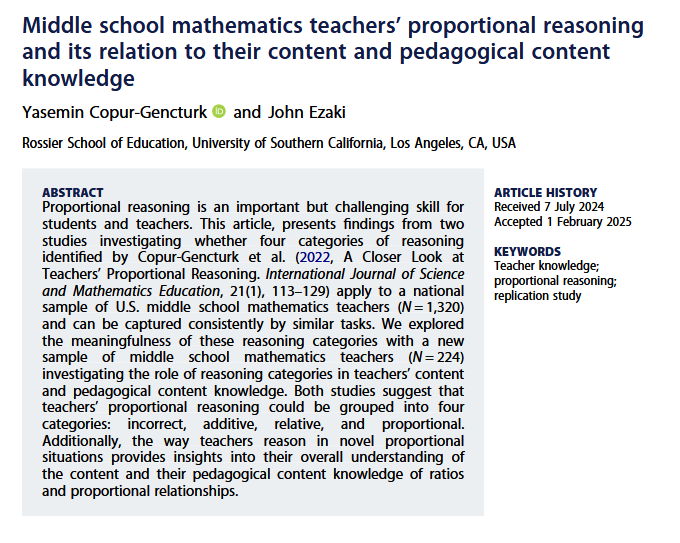
I’m thrilled to share that this paper has finally been published! It’s been a long and challenging journey, but it’s out at last! It’s open access, so feel free to read and share it with colleagues interested in mathematics education and teacher education.
https://t.co/8uQb1uj5Ll