Stop paying for every revision 💸
The 𝐒𝐜𝐢𝐌𝐚𝐧𝐮–𝐖𝐢𝐧–𝐖𝐢𝐧 𝐏𝐚𝐜𝐤𝐚𝐠𝐞: 2 years of support for ONE price.
✅ 10 re-edits
✅ Rebuttals, Formatting, Graphical abstract
✅ Plagiarism check + word reduction
Zero surprise costs. Publish smarter 🎯
https://t.co/BHrZz43eKy
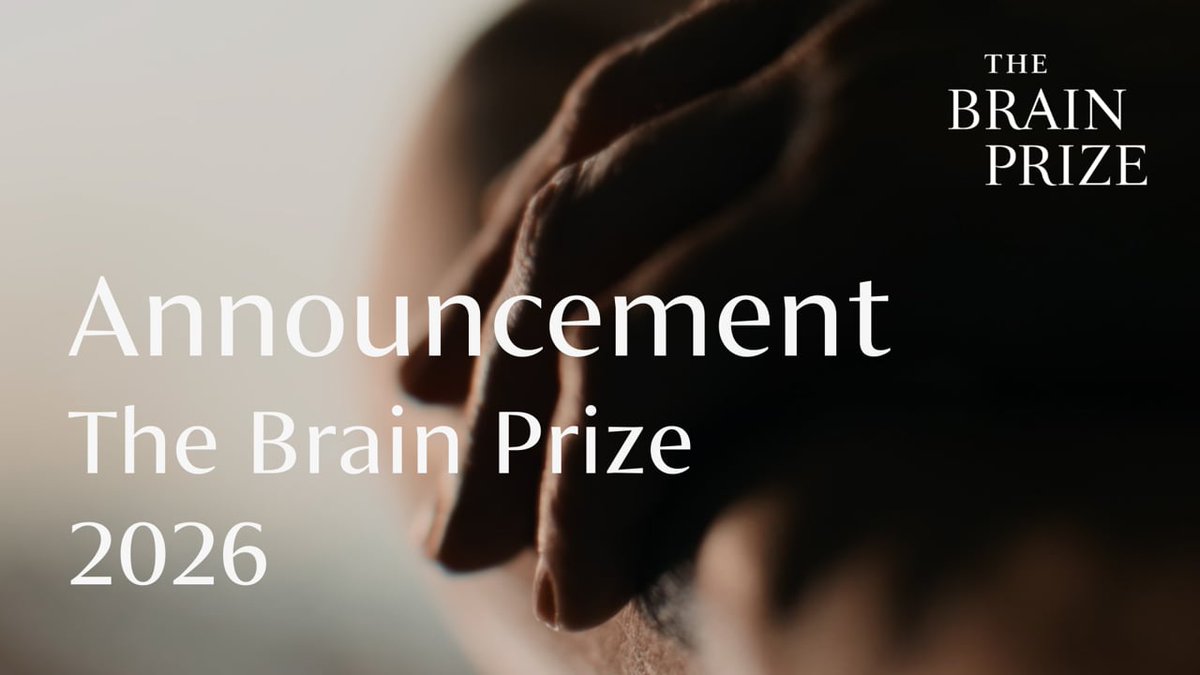
SciManuscript congratulates David Ginty (@HarvardMed) & Patrik Ernfors (@karolinskainst) for winning the 2026 Brain Prize! 🧠🏆
Their work on the somatosensory system (touch, pain, temp & proprioception) has rewritten neuroscience textbooks. 🧬
#BrainPrize2026#Neuroscience
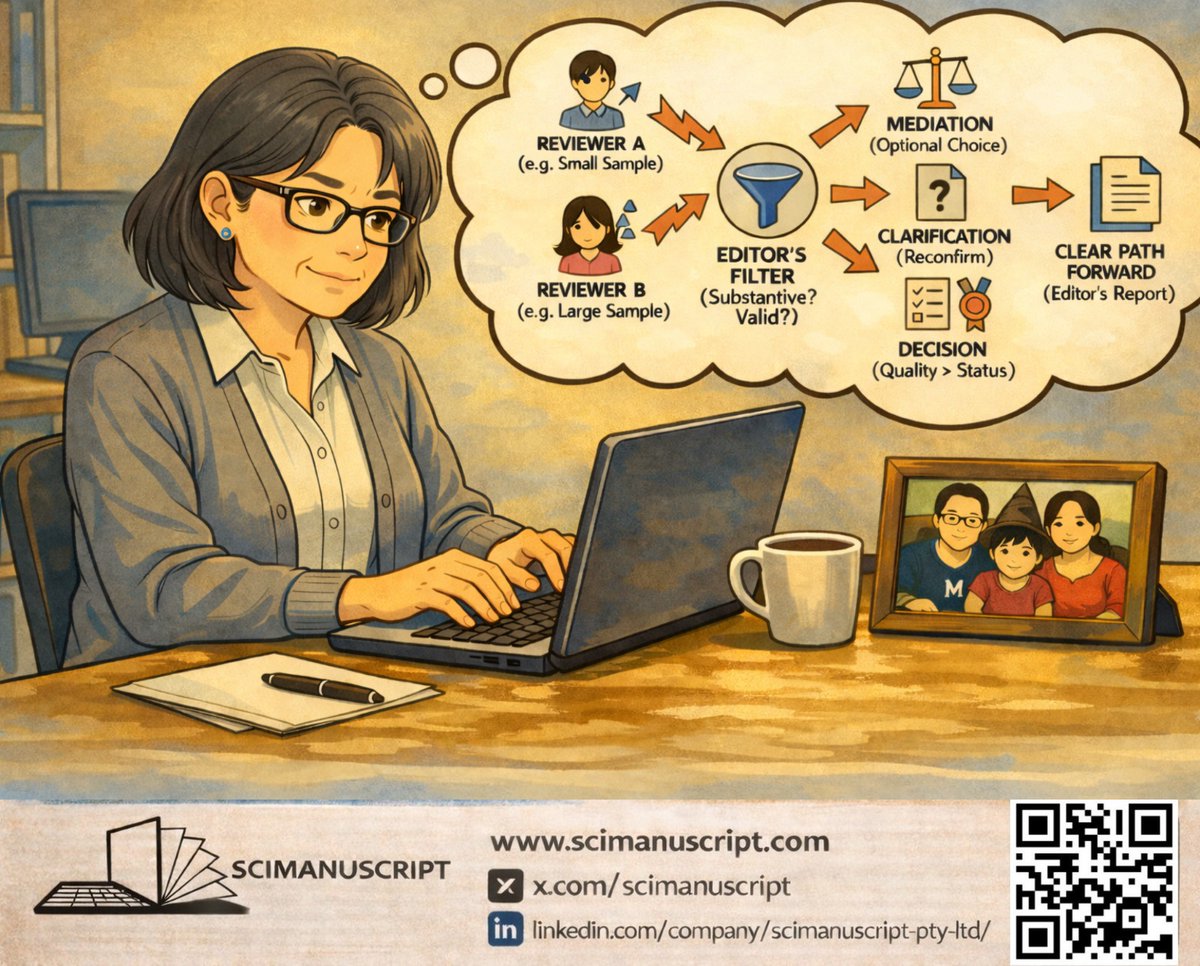
What really happens after you hit “submit”? In “The Other Side of the Desk,” a handling editor pulls back the curtain on peer review for SciManuscript: from how reviewers are selected to how conflicting feedback is resolved and final decisions are made: https://t.co/iMo8lymCBo
What really happens after you hit “submit”? In “The Other Side of the Desk,” a handling editor pulls back the curtain on peer review for SciManuscript: from how reviewers are selected to how conflicting feedback is resolved and final decisions are made: https://t.co/LFadVybXhj
This week’s post is a reflective piece. It focuses on the issue of choosing the right target journal for your research and the emotional impact that rejection can have on PhD students and early career researchers.
Post-WWII: 🧬 As Randomized Clinical Trials exploded, JAMA pivoted. It shifted from advocacy to rigorous statistics and blinded peer review, securing its place as a "Big 4" journal alongside NEJM, The Lancet, and The BMJ (3/3).
#JAMA#MedicalHistory#AcademicTwitter
🏛️ In 1883, US medicine was chaos. "Diploma mills" sold degrees, and standards were non-existent. Nathan Davis founded JAMA to fix this. His mission wasn't just scientific; it was structural. JAMA gave a fragmented profession a shared language and identity for the first time. 1/3
The Watchdog Era ⚔️ Early JAMA declared war on patent medicines. Under editor Morris Fishbein (1924–49), it ruthlessly exposed frauds like "goat-gland" surgeon John Brinkley. Fishbein’s "naming and shaming" invited lawsuits, but it laid the groundwork for the FDA (2/3).
3/3 Part 9 of our Publishing History series. 📜
We celebrate the history of scholarly publishing while helping you write the future.
Need support publishing your research? Check us out: 👉 https://t.co/etO3NOBRTb
#TheBMJ#MedicalHistory#SciManuscript#AcademicTwitter
In 1840, the predecessor to The BMJ was born. From a 16-page weekly to a global medical pillar. 🏛️ 1/3
The Evolution: 🔹1840: Provincial Medical & Surgical Journal 🔹1857: British Medical Journal 🔹1995: First major journal to launch a website
A legacy of "firsts" 👇
2/3 Scientific Milestones:
1847: First reports on Chloroform (Anaesthesia) 1867: Lister’s Antiseptic Principle 1948: First centralized RCT (Streptomycin): the modern gold standard 1950s: Doll & Hill prove the link between smoking & lung cancer
History shows language should never be a barrier to science.
Just as Edo pioneers bridged linguistic gaps, SciManuscript helps today’s researchers share Japan's breakthroughs with the world 🤝
Let's get your research published and read by people worldover (4/4).
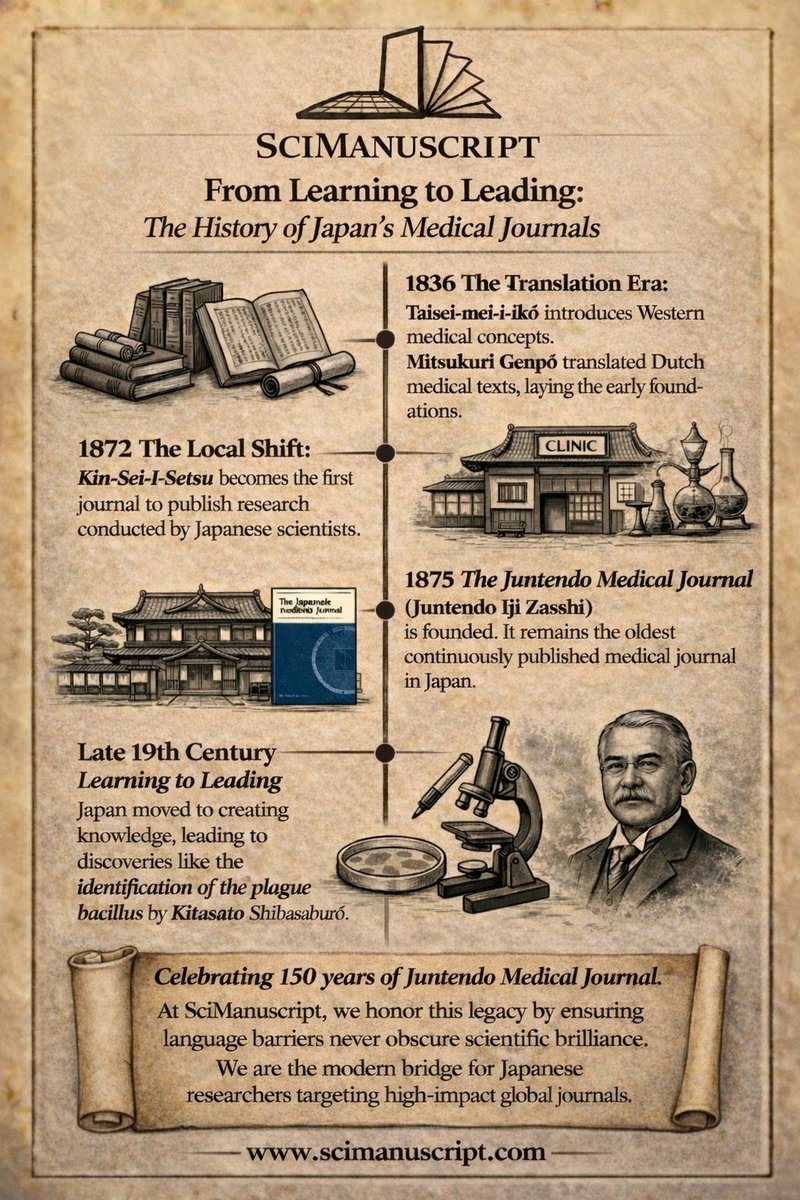
From Dutch Texts to Global Impact: The Evolution of Japan’s Medical Journals 🇯🇵
How did Japan evolve from a closed country to a global powerhouse in medical research?
The journey began not with a pipette, but with a translation 🏛️ 🧵 (1/4).
From Learning to Leading 🌏
By the late 19th century, Japan moved from absorbing knowledge to creating it.
This era gave rise to titans like Kitasato Shibasaburō, whose discovery of the plague bacillus changed global medicine forever (3/4).
One challenged the system from the outside; the other unified the profession from within.
Which legacy do you believe has had a more profound impact on the trajectory of modern medicine: radical transparency or institutional stability?
#AcademicTwitter#HistoryOfScience#PhD
🏛️ The 1820s. Two continents. Two journals. Two philosophies.
Both are still publishing, but they emerged from fundamentally different origins: one as an agent of disruption, the other as a pillar of consolidation.
🧵👇
#MedicalHistory#TheLancet#NEJM#Scimanuscript
🇺🇸 1828: Across the Atlantic, the United States took a different path.
The moment of the 1828 merger was about establishing coherence. The journal (later @NEJM) emphasized cautious empiricism and professional consensus to build institutional trust in a fragmented landscape. 🤝