Psychological professionals on social media: Laura-Marie Altendorfer systematically analyzed how German-based psychologists and psychotherapists present themselves on #Instagram. https://t.co/xzMjlM7CQJ
Do #empathy and #perspectivetaking influence outgroup support? In an online experiment, Sophie Bruns, @jule_scheper & @TineMalz investigated the effects of positive and negative intergroup contact between the societal majority group and minority groups. https://t.co/aodCKbpD1U
Politicians as opportune witnesses: @JWolleschensky, @maikegranos, Annika Sehl, Henning Eichler, Korbinian Klinghardt, Jonas Schützeneder & @Grasselinho investigated media coverage of #PublicServiceMedia in the context of the rbb scandal. https://t.co/juckKiJP31
Adapting #newsmedia to social media logics: In her article, Miriam Klein introduces the concept of social news softening, including the five dimensions emotionality, subjectivity, individualization framing, sensational framing, and audience orientation. https://t.co/brB3dOpWj8
Categorising anti-establishment #Telegram channels: Based on a quantitative content analysis, Lars Rinsdorf, @florianbuhl, York Yannikos & Katarina Bader identified seven types of German-speaking hyperpartisan, alternative & conspiracy Telegram channels. https://t.co/XGhIIerOLX
📢 Our newest issue 1/2026 is now available: https://t.co/AvndXd2FQV featuring conceptual as well as qualitative and quantitative contributions that explore a wide range of contexts within the fields of #journalism and #socialmedia.
As always, we would like to express our gratitude to the members of our DGPuK editorial board for their votes. A shorter version of the paper in English is available here: https://t.co/6bZQUAItyt
We would like to give a shoutout to our ✨Top Paper of 2025✨: „Zum Verhältnis von Journalismus und Aktivismus: Boundary work als Navigieren zwischen Komplementarität und Hybridisierung.” Congratulations to @wolre, @mluenenborg & @MiriamSiemon! https://t.co/u5UY7mJZiG
Public support for #DeepfakeRegulation: In an online survey, @DnVglr, @OuzhouAdi and @SanNuvola explored presumed effects, perceived risk and trust in institutions regarding deepfakes of Swiss citizens. https://t.co/fVpjRG2lbr
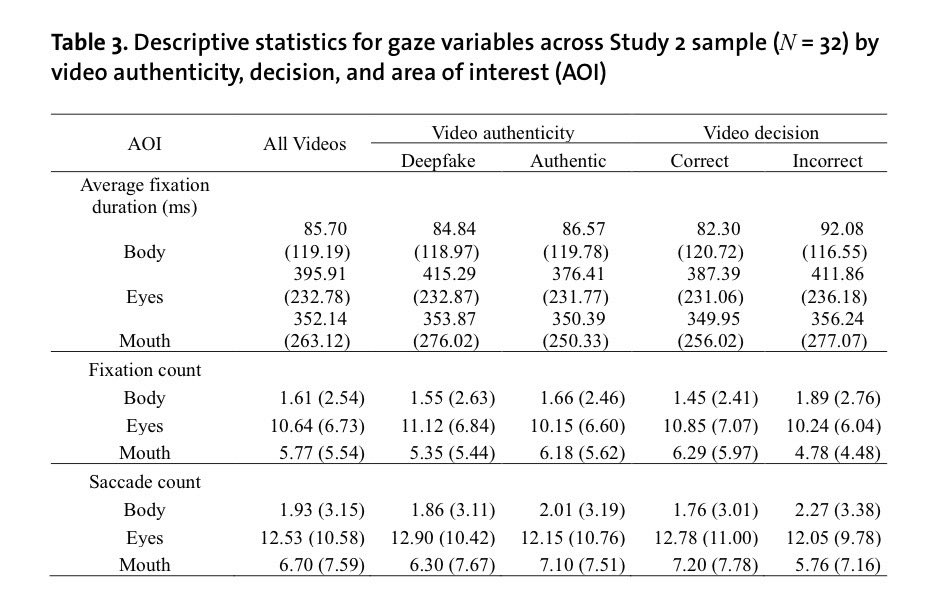
Detacting #Deepfakes: Mary Holmes, Klaire Somoray, Jonathan D. Connor, Darcy W. Goodall, Lynsey Beaumont, Jordan Bugeja, Isabelle E. Eljed, Sarah Sai Wan Ng, Ryan Ede and @DanJMiller3 present two studies on deepfake detection of non-experts. https://t.co/QgwnRu64jg
Challenges and opportunities of synthetic media: In a two-phase qualitative study, Michael Davis and @AttardMon explore the implementation of #GenerativeAI in Australian newsrooms and its impact on news integrity. https://t.co/BpLQG8xN03
#AIGeneratedContent in political communication: @geise_stephanie, Anna Ricarda Luther, Sabine Reich & Michael Linke analysed synthetic images in the 2025 German federal election campaigns posted on social media. https://t.co/DD95v3wpNZ
Very happy to see this special issue on "The age of synthetic media" out in OA 🥳 Many thanks to our great contributors, the SCM team and my co-editor @AGodulla!
We’re kicking off the year with the announcement of our 2025 special issue on how #SyntheticMedia challenge epistemic institutions. Many thanks to @AGodulla and @cphoffmann for their excellent work as guest editors! You can find their editorial here: https://t.co/YAxJc8QVyq
A lighter shade of green – By using a combination of machine learning classifiers and topic modeling, @MarcCWJ and @Bri_Nad examined the #SustainabilityCommunication of German stock index-listed companies on social media. https://t.co/NZwrtIrmqU
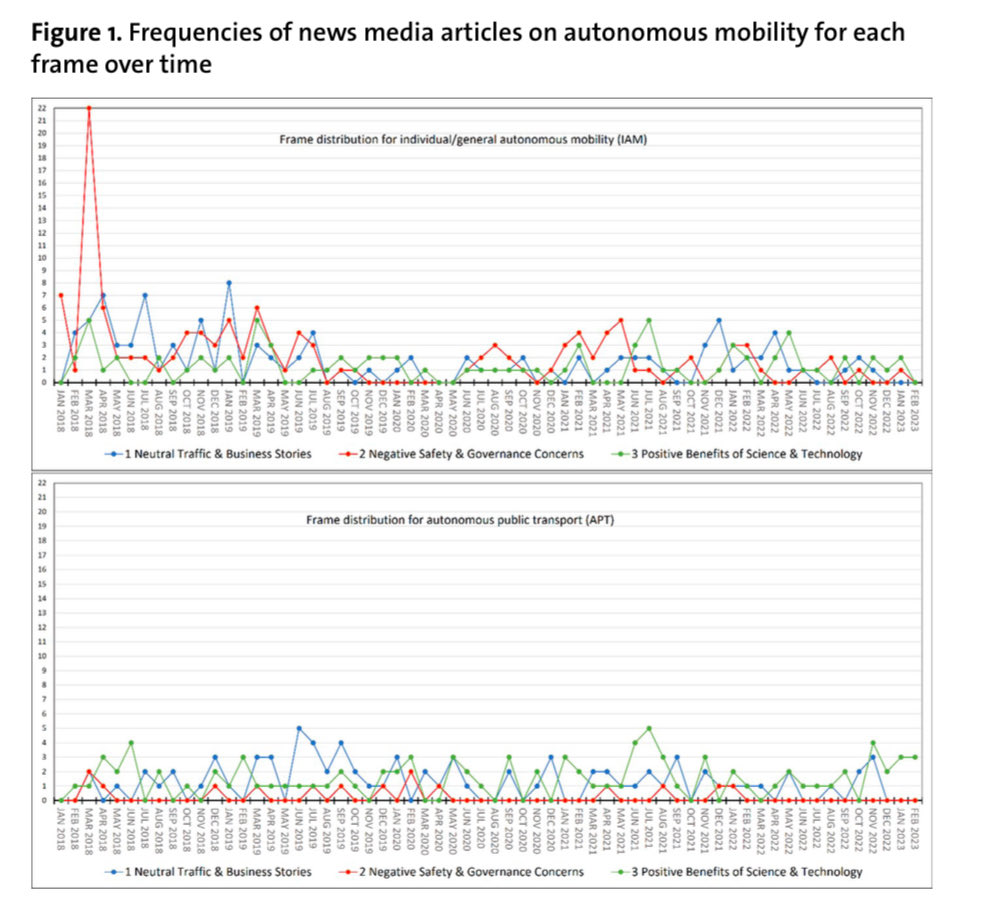
#AutonomousDriving in science communication – Andreas Schwarz & Tatjana Faj analysed public & individual autonomous mobility in German news media, revealing frames on neutral traffic/business stories, safety & governance concerns, and benefits of science & technology.