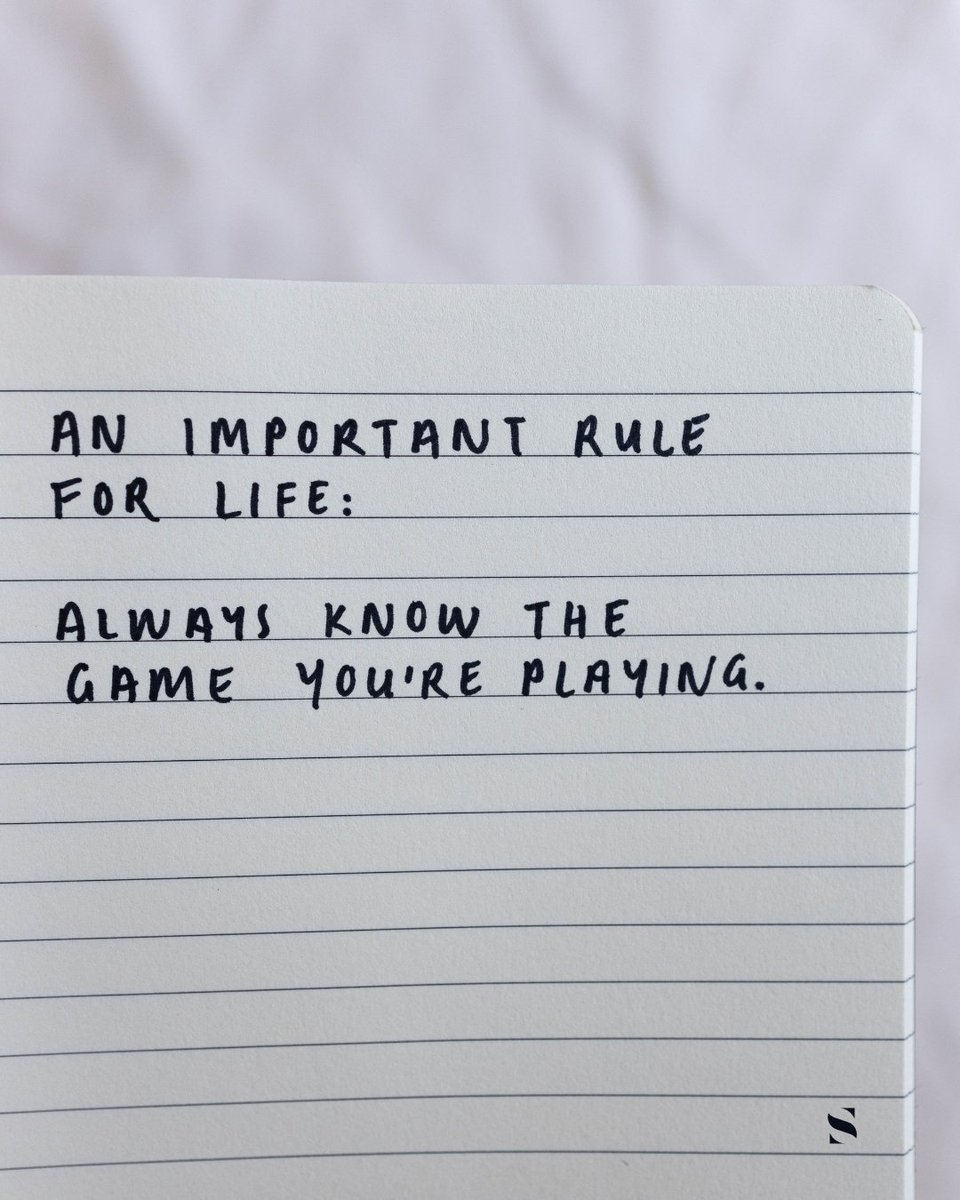
This is an idea I can't stop thinking about:
Winner's Game vs. Loser's Game
In the 1999 tennis book, Extraordinary Tennis for the Ordinary Tennis Player, author Simon Ramo broke down the difference between amateur and professional tennis:
Amateur tennis is a Loser's Game. 80% of points are lost on unforced errors. You win by avoiding errors and waiting for your opponent to make errors.
Professional tennis is a Winner's Game. 80% of points are won on incredible shots. You win by hitting incredible shots.
I don't play tennis, but this is an idea that extends well beyond the confines of the court into every area of life.
There are two core insights here:
1. You have to know what game you're playing.
There's no point trying to hit magnificent shots if you're playing a Loser's Game.
You're better off keeping it simple and avoiding unforced errors.
Similarly, there's no point trying to play conservatively and avoid unforced errors if you're playing a Winner's Game.
You're better off trying to hit the elegant shots.
2. The game you're playing might change as the levels change.
What starts out as a Loser's Game can become a Winner's Game.
Example:
Your early career years may be defined as a Loser's Game. You just need to avoid big mistakes and get the work done.
Your later career years may be defined as a Winner's Game. Outsized rewards go to those who hit the magnificent shots.
I can't stop thinking about this idea. Ever since I came across it, I feel like I'm seeing it everywhere.
Three questions I'm asking myself as a result:
1. What type of game am I playing? Am I being compensated for avoiding mistakes or for executing beautifully?
2. Is that the type of game I want to be playing based on my skillset?
3. How might the game change as I rise through the levels?
Consider these questions and the idea of the Winner's Game vs. Loser's Game in the months ahead.
I promise it will change how you look at the world.
Most ppl are missing the key point regarding OpenAI
This is not standard startup drama
This is literally a fight for the survival of humanity, linked to the original purpose of OpenAI: saving us from the end of the world:
🧵
12 admirable leadership traits:🧵
1. Humility - a beginner’s mindset that is open to new ideas and less judgmental.
A mindset free of prejudice. A quiet mind that values actions and impact above words.
What a blast to have the opportunity to interview our one and only Secretary of Digitization and Artificial Intelligence, @carmeartigas!
It was a very inspiring conversation where we were able to know better her career path and the learnings that had b…https://t.co/xChmcPgLzN
The hiring process is ultra-competitive.
But there are specific actions you can take to stand out.
Here are 16 ways to stand out in a hiring process (that don’t involve your resume):
A stunningly accurate set of predictions about the impact of the internet and the web from James Burke in 1985 - this was 8 years before the invention of the world wide web by @timberners_lee.
This short video is incredible to watch
Dear high school students, learn
1 public speaking
2 writing well
3 storytelling (see 1-2)
4 personal finance
5 critical thinking (not cynicism)
6 active listening (hear unsaid)
7 networking (trust and giving)
8 good customer service
9 how to sell
10 to fight against entitlement
In 2011, I was hired as an Associate Product Manager at Google.
I was one of 30 selected from a pool of 50,000+ people.
Here are 8 Lessons I Learned At Google That'll Make You a Better Founder: