IMAS @utas surveys off Tasmania's East Coast reveal rise in invasive urchin numbers from 11 million to 18m since 2001/02. Urchin barrens created by overgrazing kelp now cover 15 per cent of reefs 4-40m, up from 3 per cent https://t.co/fzd2SJYADF https://t.co/lVfzZYXexg
#GreatSouthernReef Delegation visited Parliament House to speak with politicians about the $55M Centro Task Force Business Plan.
Aim: Protect the reef, boost urchin industry & ensure a sustainable future. It’s time for policymakers to act and invest in solutions #UrchinTaskForce
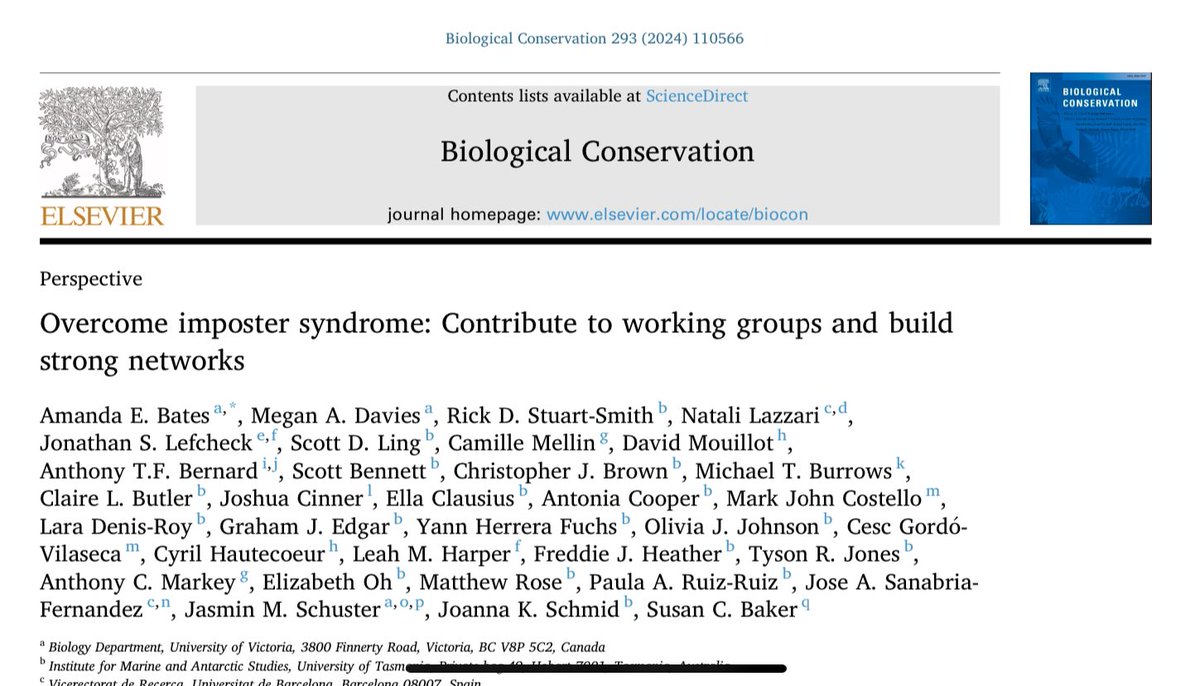
🚀 Attention all #EarlyCareerResearchers! 🚀 Check out our latest (my personal debut) publication on tackling the infamous #ImposterSyndrome and how to make meaningful contributions to scientific working groups! 🌟 https://t.co/0KSmseS3mu
Great Southern Reef delegation to Canberra visiting parliament today to discuss a unified approach to tackling the longspined sea urchin issue, industry solutions and coordinated management strategies. #CentroTaskForce
🌟 What an incredible weekend of fieldwork! 🌿 Our dedicated team and I successfully deployed a series of conditioning experiments across Tasmania. 🚀 Excited to compare results with sites along the East Coast of Australia. @ScottDLing@IMASUTAS 🌏 #Fieldwork#teamwork
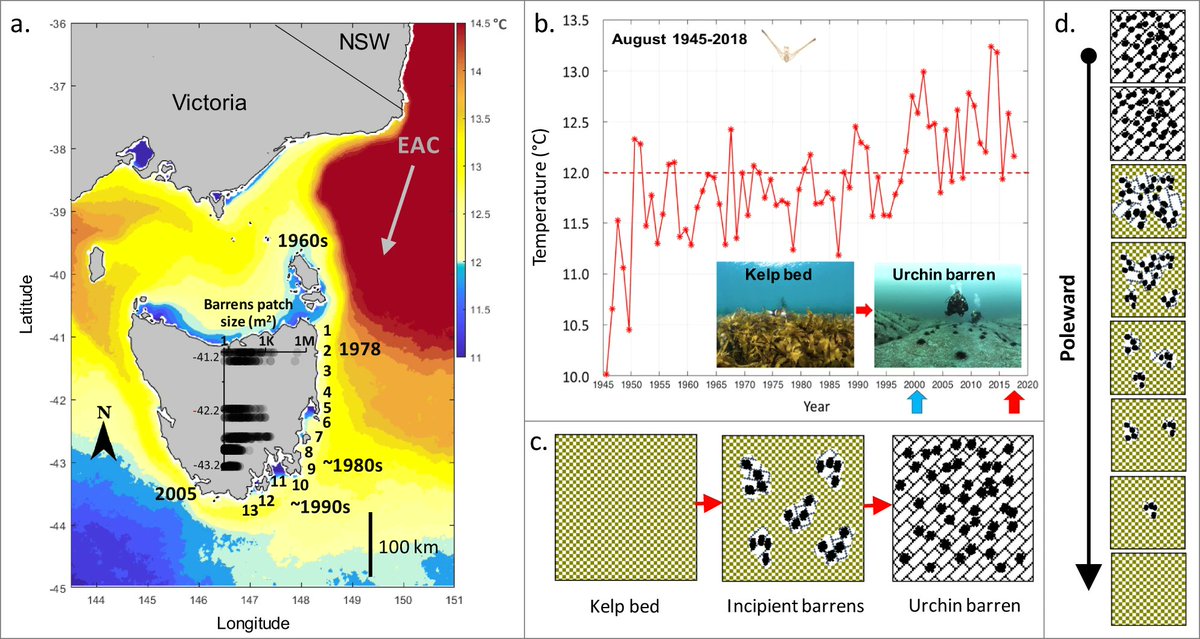
Climate-driven invasion and incipient warnings of kelp ecosystem collapse. Our @NatureComms paper highlights the critical need for early detection of range-shifting keystone species capable of transforming and collapsing ecosystems.
https://t.co/nYl4KB6DTO
@ScottDLing
Incipient spatial pattern formations provide #early-warning of #climate-driven ecosystem #collapse.
“Look Up” towards the equator for what to expect as cooler ecosystems progressively warm beyond #tippingpoints, and act before it’s too late!
@IMASUTAS
https://t.co/xCvflHhUND
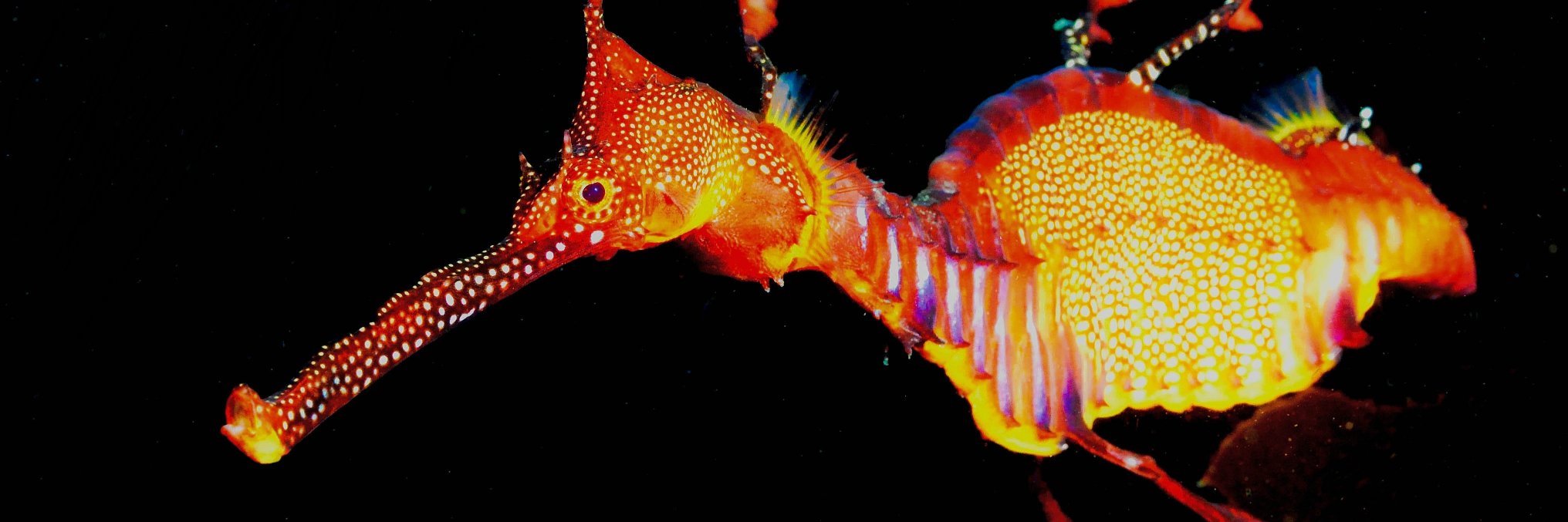
21 red handfish hatchlings have arrived at IMAS in the 2nd-ever conservation breeding event in captivity – and it’s an essential part of protecting this critically endangered species from extinction
🫶 Get more handfish baby love: https://t.co/RMydqpxfaO
📷Andrea Williamson
Scientists from GSR Research Partnership are monitoring the eastern #GreatSouthernReef, anticipating this summer's marine heatwave 🌊🔥
Data on shallow water species in NSW, Vic, Tas are being collected as a baseline to help understand potential impacts. #marineheatwave
Our @IMASUTAS researches @JPK_III and @ScottDLing ask the question: can we eat our way through an exploding sea urchin problem? Find out: https://t.co/giNh9zVaRA
Early Warning Signs ⚠️⚠️⚠️
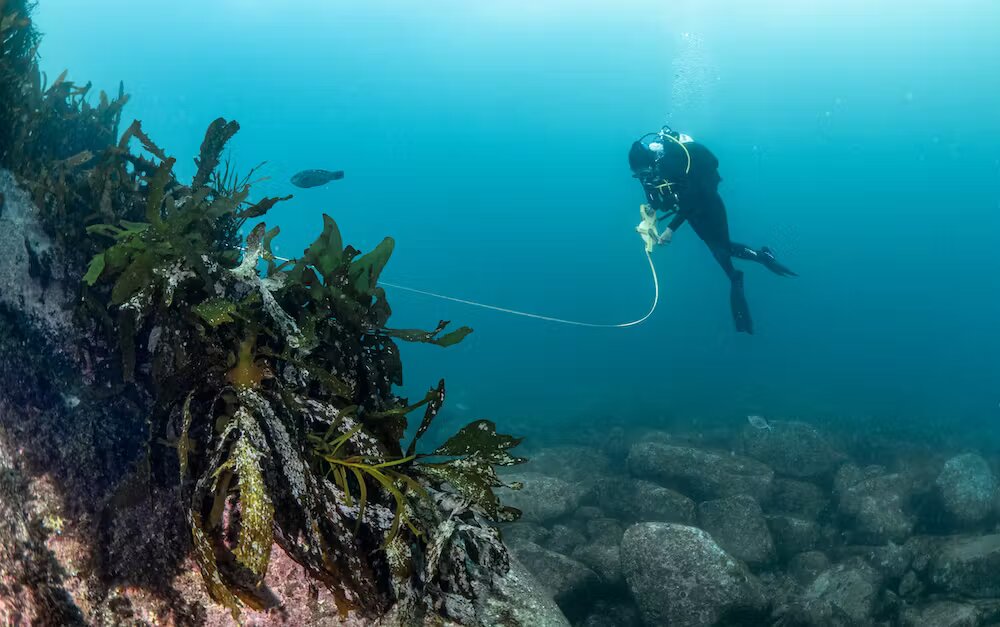
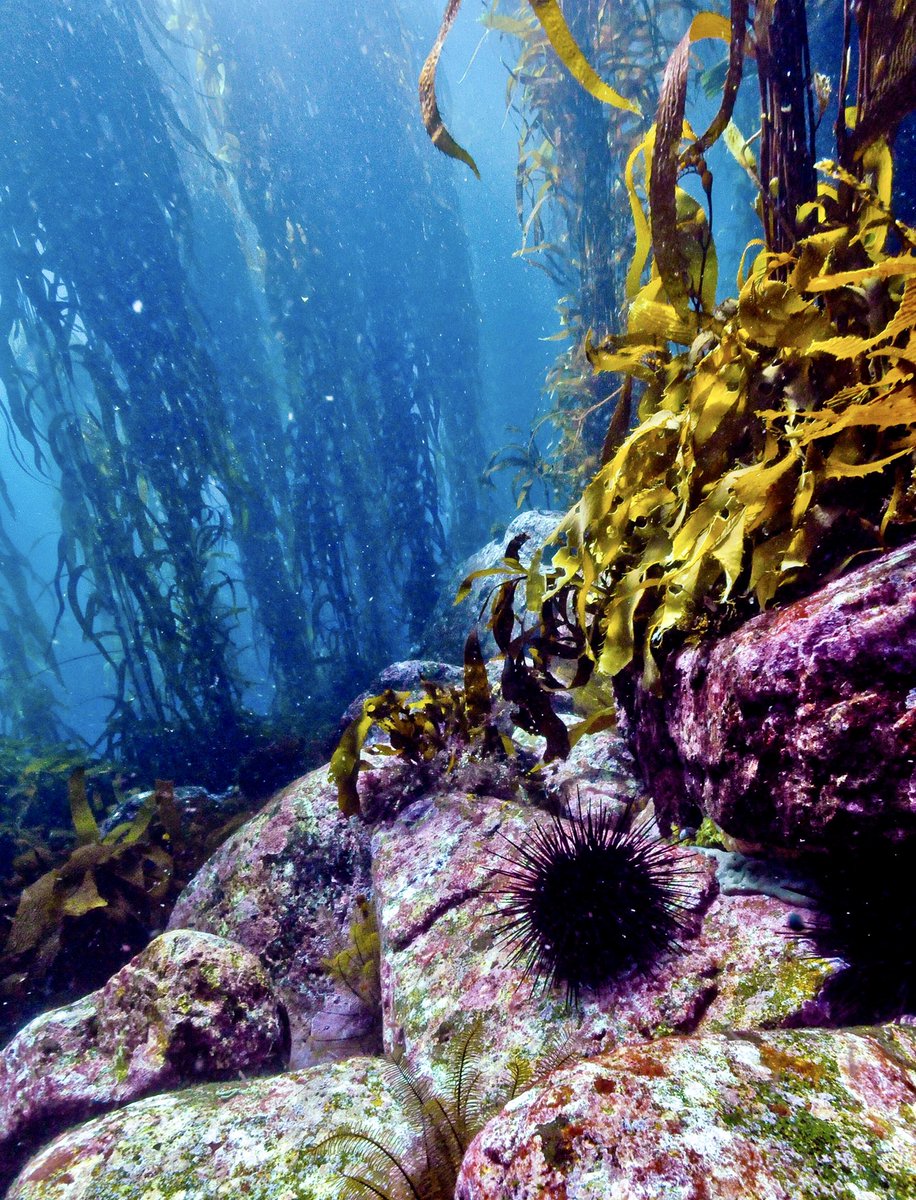
Image taken 2-days ago shows the overgrazing urchin #Centrostephanus present at Actaeon Is. in southern Tasmania where a quarter of the world’s annual wild caught #abalone catch was once harvested 📸@SBennett_131@IMASUTAS
The Senate Inquiry urges immediate national funding for Centro Urchin management, backing the Centro Task Force's $55m, 5-year plan. Key goals: research, sustainable removal, processing & policy for #GreatSouthernReef's health. 📸 @SBennett_131
Longspined sea urchins are native to temperate waters around New South Wales. But as oceans heat up, their range has expanded more than 650km, through eastern Victoria and south to Tasmania.
Dive into the prickly details in this @ConversationEDU article👉https://t.co/5TtvezcxYr
Looks to be a big #redtide#Noctiluca bloom happening off Maria Island Tasmania!
Noctiluca scintillans is a range-extending #dinoflagellate driven south on the strengthening East Australian Current #EAC
🎥 Geoff Swan
🔴🌊
@IMASUTAS
https://t.co/W0W4Ap01Rt
Urchin #SenateInquiry recommends federal govt. work with states to support and develop urchun fisheries. This pilot in Fortescue Bay is showing promising results. After 5 days of intense harvest, over 70K urchins landed representing ~30% of estimated biomass. @IMASUTAS@JPK_III
Urgent Senate inquiry highlights the threat of the longspined sea urchin (Centro) to the #GreatSouthernReef. With a range expanded due to warmer seas, over 2,000 km of coastline is now impacted by Centro overgrazing. Read the report: https://t.co/03CyYG9xV2