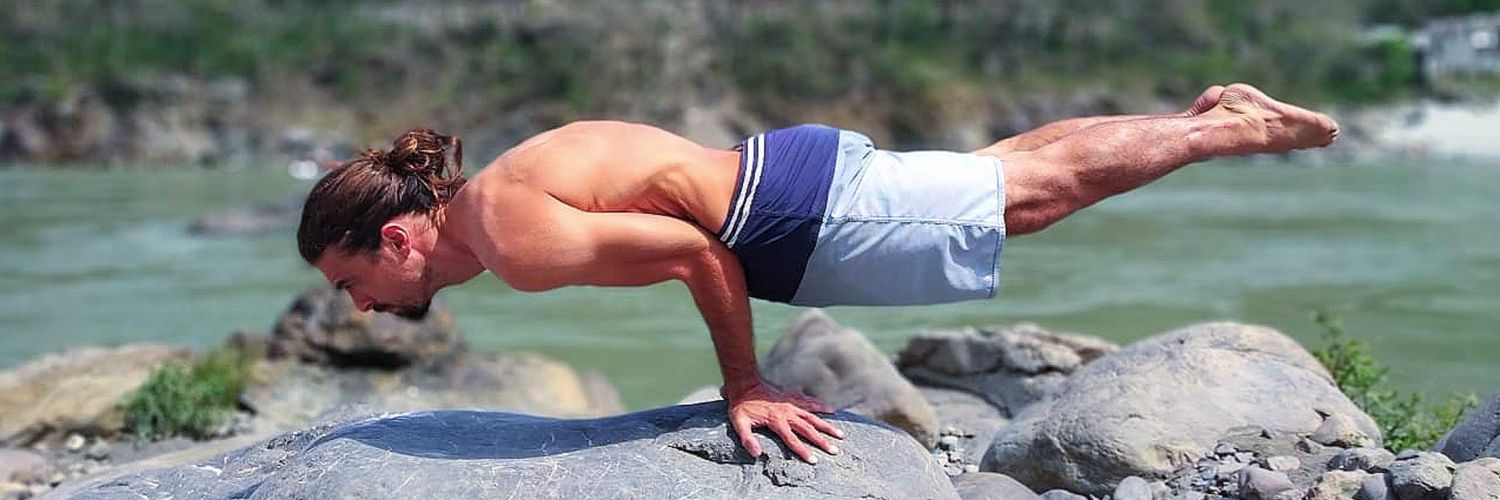
Here, i fixed it @GregLehman
Twists fall into the category of things we should NOT be scared to do
✅it's safe to move the spine
✅the lumbar spine is designed to move
✅flexion & rotation are normal, natural movements for the spine.
✅we shouldn't be scared to move
@zamishka Medicine is structurally designed to integrate into state & corporate systems.
Most drs are ordinary high achievers operating within those systems, so institutional loyalty outweighs dissent. Medicine is bureaucratic, so protocol deviation risks license, reputation, income etc
Declining muscle strength-power with ageing coincides with an ⬆️ prevalence of chronic disease. MSK pain is a consequence of the effects of these altered physiological states. Pain isn't a joint problem, it's a system's problem.
https://t.co/GbrIOMbnnu
https://t.co/dlvGXTFf9q
1/ Highlights from this crucially important paper:
About 7 out of 10 patients who get “evidence-based therapy” for depression are still depressed after treatment
Of the 3 that get well, about half would have gotten well without treatment
No significant differences between types of therapy (the “dodo bird verdict”)
“Third wave” therapies (eg, ACT) no better than plain old CBT, or any other form of treatment
From the paper: “Most patients do not respond or remit after therapy, and more effective treatments are clearly needed”
So… can someone please explain to me again why these treatments are routinely called “evidence-based therapy?”
This is objectively and demonstrably incorrect. Every unnecessary procedure a patient undergoes for an incidental finding has risk.
These sad stories, like a patient who is injured, or worse, from an unnecessary biopsy or procedure are referred to as VOMIT: victims of modern imaging technology.
Pre-test probability is a critical variable that must be considered.
Also, in medicine, there is rarely a justified use of the word “never”.
@coady82@PeteOSullivanPT@elonmusk He had the surgery.
He also does no exercise, sleeps poorly, has high stress and a terrible diet.
All the non specific modifiable variables that (along with structural beliefs) predispose one to chronicity.
He probably had a favourable placebo response to Sx, hence the tweet.
@marklaslett_NZ I did her "bounce back" course back in 2010 because it was spam marketed through the APA magazine.
Reductionist and outdated with debunked "core stability" focus.
Dont know her recent stuff
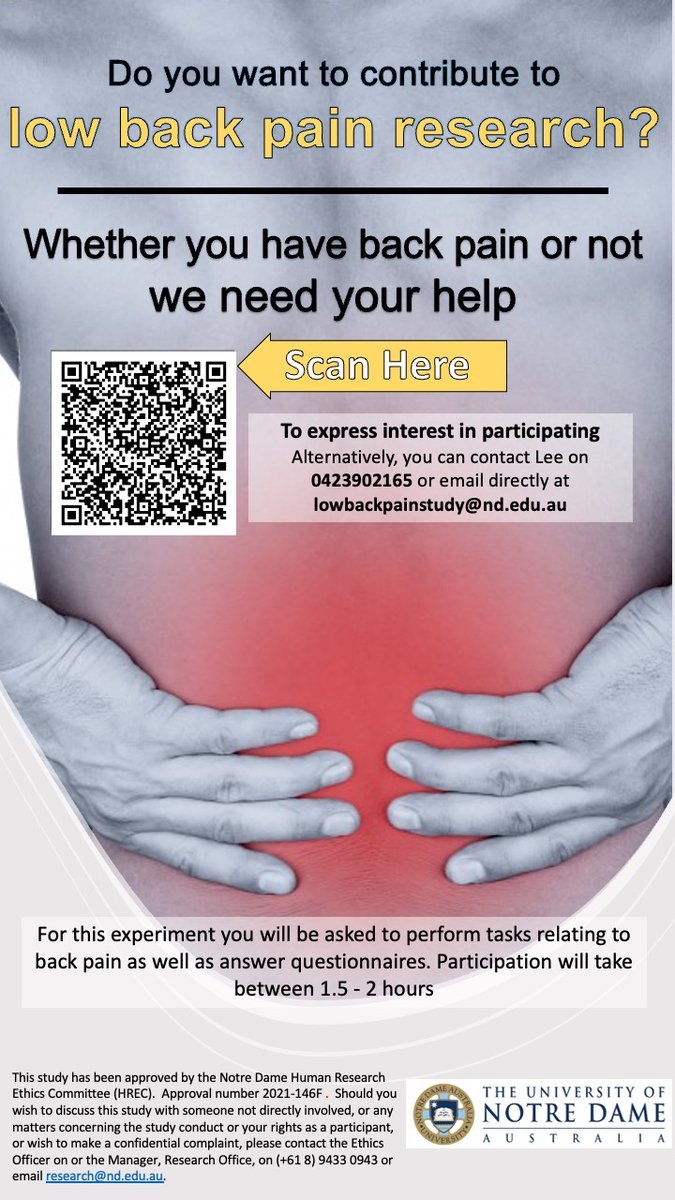
I'm finally recruiting for my first studies of my PhD!
If you're in sunny #Perth and would like to contribute to research into low back pain I'm looking for participants with and without low back pain.
PS if you're based in Perth and want to share this around please do!
The fact that this expert consensus statement only expresses the opinion of a selected group of surgeons who apparently believe their personal experience prevails over the existing evidence is worrisome... https://t.co/EPo5HX1CvX
@AsafKlaf I think experimental evidence is just one set of data points from multiple lines of independent enquiry that all converge on similar findings; that context, messaging & belief formation shape behaviours & cognitions, either to the deteriment or benefit of subsequent outcomes.
I believe we expect too much from words.
Fundamentally, pain science refers to the scientific study of pain-related occurances at multiple levels of complexity. If pain is the focus and science is the process, what else would we call it?
Happy to be wrong here..