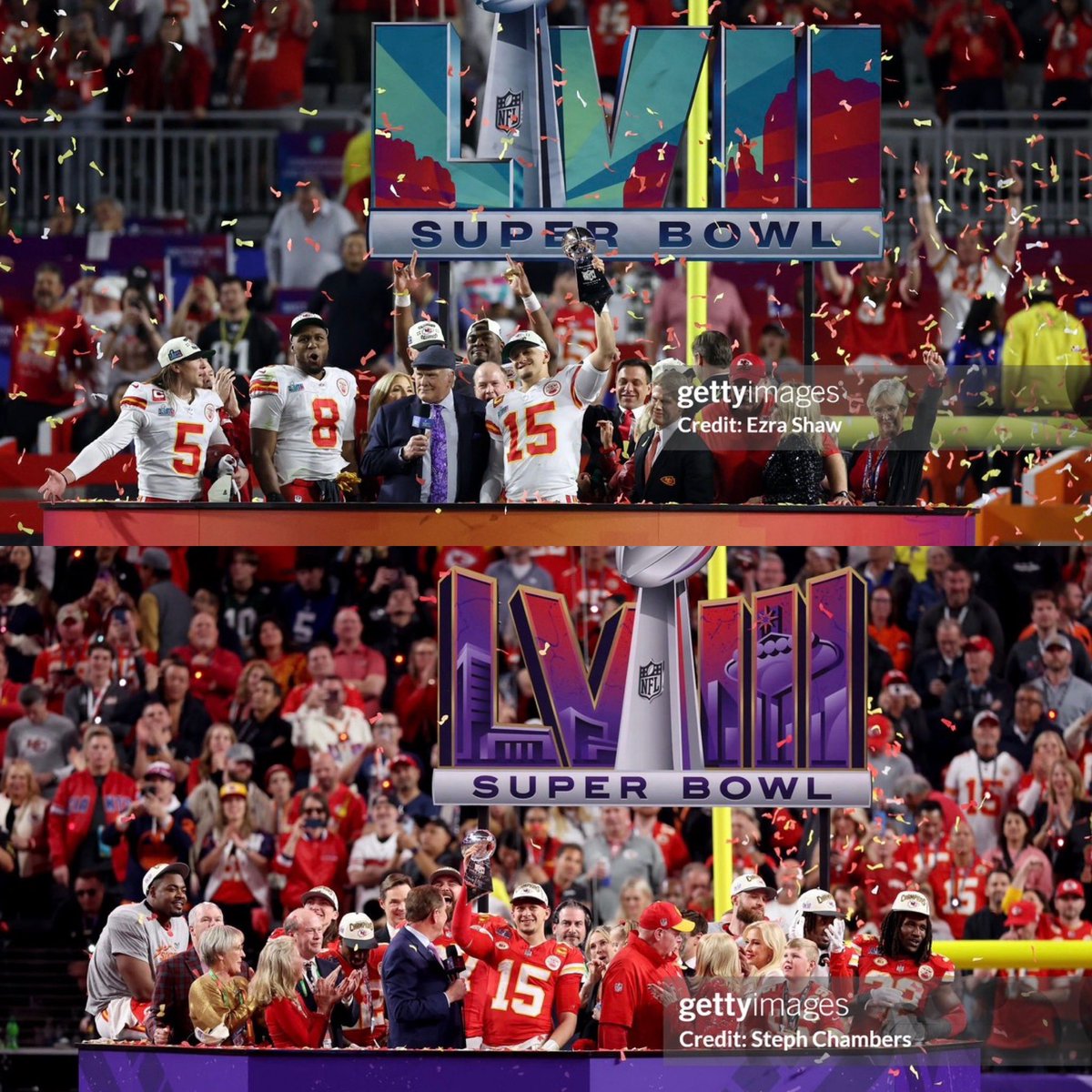
An old soldier, season ticket holder with a 6hr 1 way drive to games & a family man. Appreciate the good in life once you see the bad. Kinda of like the Chiefs.
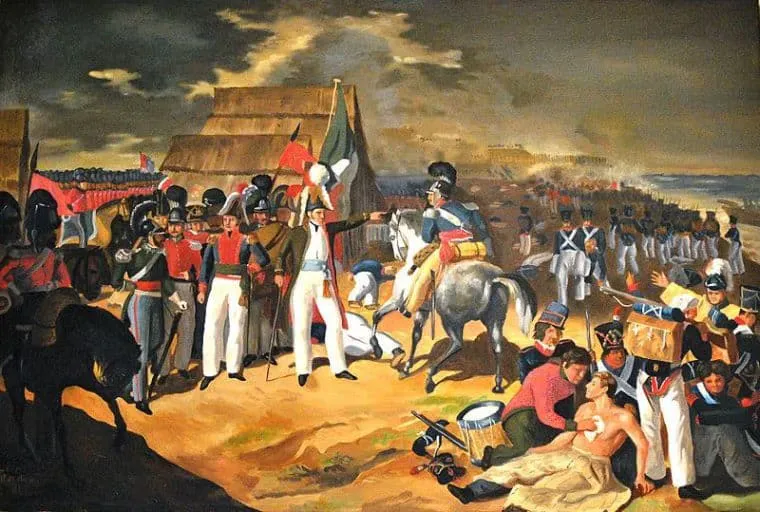
🇲🇽 Cinco de Mayo May Have Saved America — And Almost No One Knows It
Most people think it’s just a drinking holiday.
But on this day in 1862, a small band of Mexican heroes defeated Napoleon III’s elite army… and very likely saved the United States in the process.
Here’s the story you were never taught:
Mexico was broke after years of civil war. France’s emperor saw his chance to colonize it.
With America tearing itself apart in its own Civil War, Napoleon invaded Mexico, planning to install a puppet emperor and use the country as a launchpad to restore France's North American empire.
And from Mexico they could have achieved what Santa Anna only dreamed of a generation earlier.
A 33-year-old Mexican general named Ignacio Zaragoza (born in Goliad, Texas, cousin to Texas revolutionary hero Juan Seguín) led the defense.
At the Battle of Puebla on May 5, 1862, Zaragoza’s outnumbered, outgunned forces delivered a stunning upset against the world’s premier army.
That single victory bought critical time. It inspired fierce resistance across Mexico. By the time the French finally installed their puppet emperor, the Union had already won Gettysburg and Vicksburg.
The window for French intervention had slammed shut.
After Appomattox, the battle-hardened U.S. military enforced the Monroe Doctrine. General Sheridan shipped tens of thousands of rifles to Mexican Republicans. The French withdrew. Their puppet emperor was executed.
The heroes at Puebla didn’t just save Mexico.
They saved America too.
So tonight, when you’re enjoying the tacos, tequila, or Corona… raise a glass to those brave Mexicans who held the line against impossible odds.
They may have saved North America from the colonialist fate of Africa and Asia.
Just like the defenders of the Alamo, they delayed the "inevitable" — and made it anything but.
Feliz Cinco de Mayo, America! 🇲🇽🇺🇸
RT if this surprised you. What other “party holidays” have hidden history? Drop it below 👇
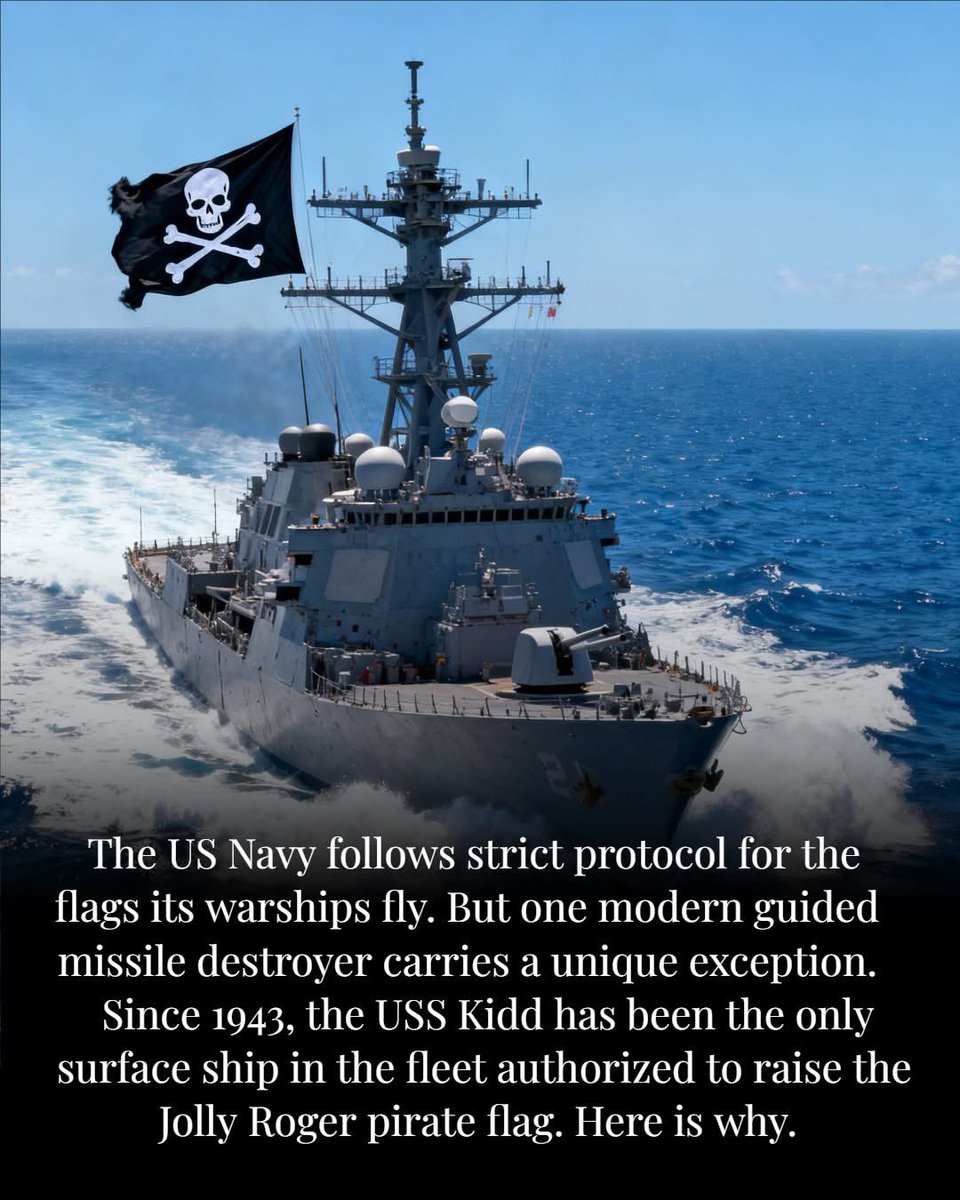
Rear Admiral Isaac C Kidd was the first flag officer to die in World War Two. When the bombs started falling on December 7, 1941, he rushed to the bridge of the USS Arizona to take command of his battleship division. He was still giving orders when a magazine exploded and instantly vaporized the bridge. All searchers ever found of him was his Naval Academy ring fused to the bulkhead. When a new Fletcher class destroyer named the USS Kidd was commissioned in 1943, her first crew wanted to honour him. Playing off his famous surname, they adopted the legendary pirate Captain William Kidd as their mascot.
They painted a pirate figure on the forward smokestack and decided to fly the Jolly Roger. This was not just frowned upon. Flying the skull and crossbones is strictly prohibited for a commissioned US Navy surface vessel. But the fierce reputation of the crew and a formal intervention from Admiral Kidd's widow made it official. They became known across the fleet as the Pirate of the Pacific, rescuing downed pilots and fighting brutally at Tarawa and Okinawa.
The tradition did not die with the original ship. When the current USS Kidd was commissioned in 2007, the right to fly the Jolly Roger transferred with the name. While British and US submarines sometimes fly the pirate flag returning from successful wartime patrols, the USS Kidd remains entirely unique. No other surface ship in the US Navy holds this permission.
If you ever see this warship pulling into port or conducting a line crossing ceremony today, look up at the mainmast. Amidst the radar arrays and state of the art weapons systems of a modern billion dollar warship, you will see the black skull and crossbones snapping in the wind. It stands as a direct line back to a fighting admiral who refused to leave his burning ship in 1941.
The vast majority of Congress are derelict in their duty to serve their constituents. If they show up for work, they do only what their donors allow them to do, then take a 4 day weekend, and collect their $177k/yr.
We are long overdue for an Article V Convention of states.
@amuse We voted out Daschle when he was the Senate majority leader. Don't underestimate South Dakotans to do the right thing if a good candidate runs opposite him.
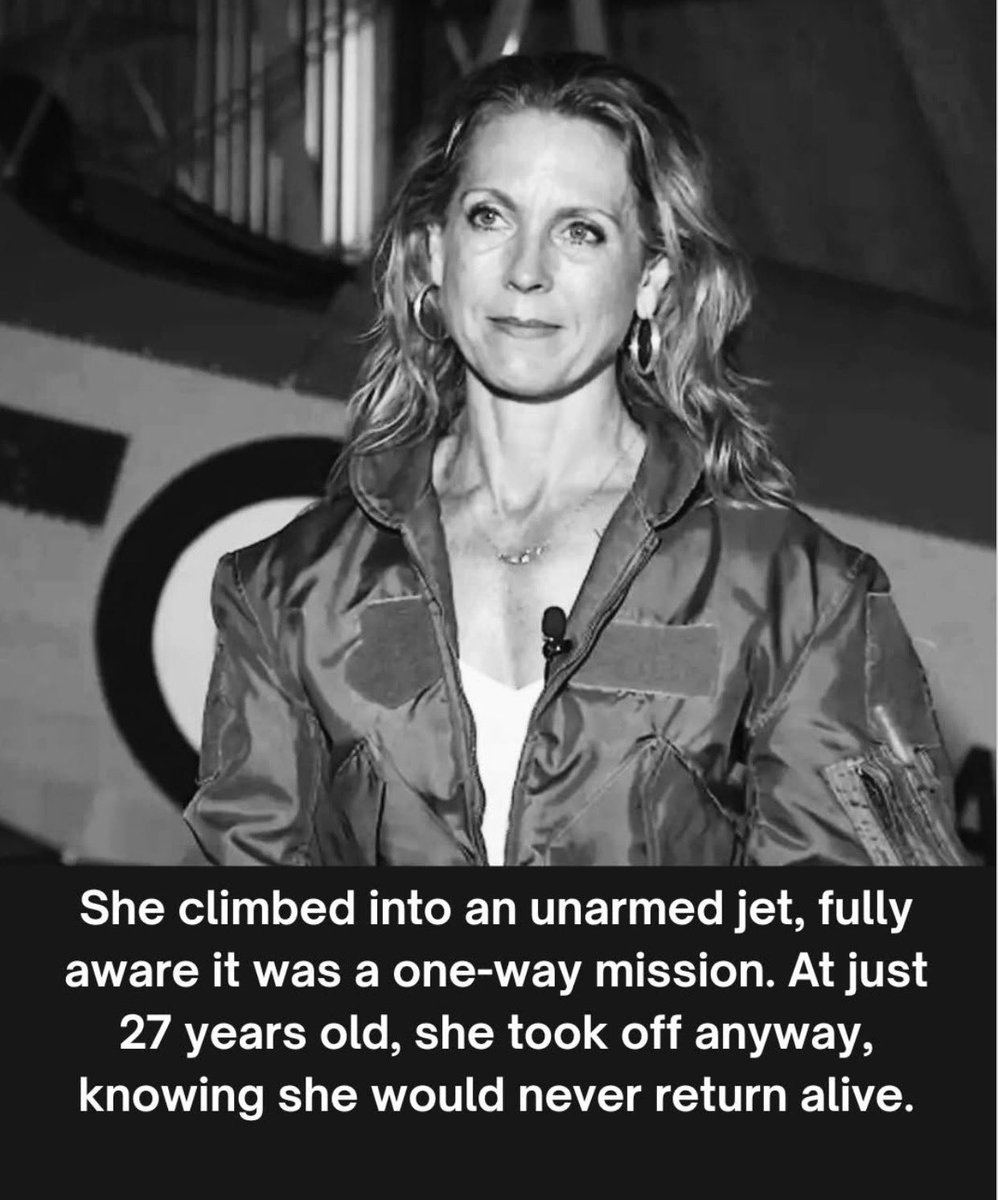
On the morning of September 11, 2001, First Lieutenant Heather “Lucky” Penney was sitting in a briefing room at Andrews Air Force Base, Maryland, planning routine training operations. She had no idea that within an hour, she would be called to risk her life in a way few could imagine.
Tuesday morning began like any other. Then someone entered the briefing room and said the words that changed everything: “Somebody just flew into the World Trade Center.”
Within minutes, confusion gave way to horror. A second plane hit, then a third struck the Pentagon, just fifteen miles away. Smoke rose on the horizon, visible from the base. America was under attack.
Reports streamed in of a fourth hijacked plane—United Airlines Flight 93—headed for Washington, D.C., likely the White House or the Capitol. Heather and her commanding officer, Lieutenant Colonel Marc Sasseville, were among the closest fighters ready to intercept.
There was one problem: their F-16s carried no missiles. No live ammunition. The jets had just returned from training in Nevada, loaded only with practice rounds.
Sasseville looked at Heather and said, “Lucky, you’re coming with me.”
They sprinted to their jets. Preflight procedures normally took thirty minutes—they had none. Ground crews hurried to remove safety pins as pilots climbed into their cockpits. The mission was clear: find Flight 93. Stop it from reaching Washington. By any means necessary.
Heather knew exactly what that meant. Without weapons capable of downing a 757, the only option was to fly her F-16 directly into the hijacked airliner. A one-way mission.
As she strapped in, Sasseville’s voice cut through her headset: “I’ll take the cockpit. You take the tail.” Heather responded, “Roger that.” No fear—only focus. Protecting her country mattered more than anything.
As they lifted off, screaming over the burning Pentagon, Heather felt the odd calm of training instincts taking over. Her father had taught her precision, focus, purpose. Now she would use every lesson to crash into a plane full of civilians. For a brief moment, she imagined her father might be at the controls of Flight 93. It wouldn’t have changed anything. The mission came first.
Heather and Sasseville never intercepted Flight 93. Because 200 miles away, ordinary Americans on that flight had already made the choice she was willing to make. Through phone calls, they learned of the attacks, knew the plane had been turned into a weapon, and decided to fight back. Todd Beamer rallied fellow passengers: “Are you ready? Okay. Let’s roll.” They stormed the cockpit, and at 10:03 AM, Flight 93 crashed into a Pennsylvania field. Forty-four people died—but the plane never reached Washington.
When Heather finally landed later that afternoon, her crew chief was waiting, tears in his eyes. “I didn’t think I’d see you again, ma’am,” he said. “Neither did I,” she replied.
For ten years, Heather rarely spoke of the day. When she did, she deflected praise to the passengers of Flight 93. “They were ordinary Americans living ordinary lives, forced to make an impossible choice,” she said. “Sasseville and I were ready to give our lives too. Anyone would have. The passengers on Flight 93 did it first.”
Heather later served two combat tours in Iraq, and flying night missions as a SCUD hunter. Today, she advocates for service members as a defense policy expert.
She remembers September 11 every day—not with trauma, but with hope. She witnessed ordinary people becoming heroes, strangers risking everything for others, a nation remembering some things are worth more than ourselves.
23 years have passed. The world has changed. But the lesson remains: courage isn’t the absence of fear—it’s strapping in anyway. Duty isn’t about destruction—it’s about protection. Sometimes being “Lucky” means being ready to give everything for something bigger than yourself.
In honor of First Lieutenant Heather “Lucky” Penney—and the forty heroes of Flight 93 who acted first.
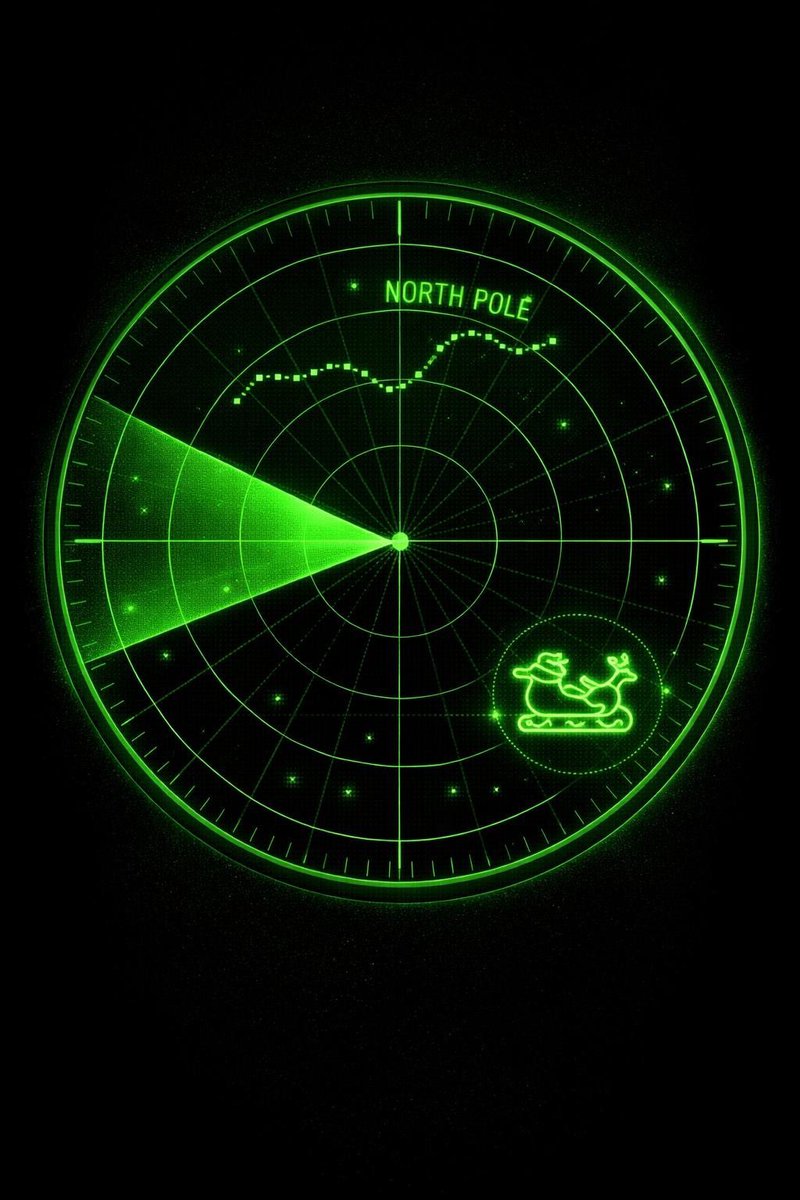
INCIDENT: We are currently monitoring an unidentified flying sleigh entering NATO airspace. The track originates from the North Pole and is flying an erratic path🎅 No NATO jets have been scrambled.
@mattderrick Psl is a license to buy your tickets . An additional cost above your ticket. It's like mortgage tax and the ticket price is your house payment. Will price most ordinary people out. Companies will buy up and resale at higher prices
@jpbredemeier@Chiefs Agreed. As a stm in the lower bowl I am sure the people in the suites could care less about the game. They are there just to be there. Kind of like the Super Bowl is out priced for ordinary people.