Check out our full interview with @Think100Climate The Coolest Show podcast to learn more about our work on #Greening without #Displacement
Big thanks to @HipHopCaucus for featuring us!
https://t.co/emZjMJiVrL
Rent in LA is out of control, and 80+ community-based organizations and labor unions agree! Visit https://t.co/rbomUF24Pc to read our sign-on letter demanding stronger #rentcontrol. Read on to learn about why updating #LARSO is so important & how you can take action! 👇🏽🧵
Check out SEACA's work combating green gentrification in the PBS series, Earth Focus! We're in Ep 2 discussing LA River revitalization, the real estate speculation, and our work with community partners & county agencies to prevent displacement. https://t.co/kdTcO7M2zS
Affordable housing should be built in all neighborhoods. But we need to ensure that “social mixing” doesn't lead to over policing of low-income residents, segregation of resources, eg the “poor door” in NYC https://t.co/1KiLSUPEfv, or social isolation for immigrant families 7/7
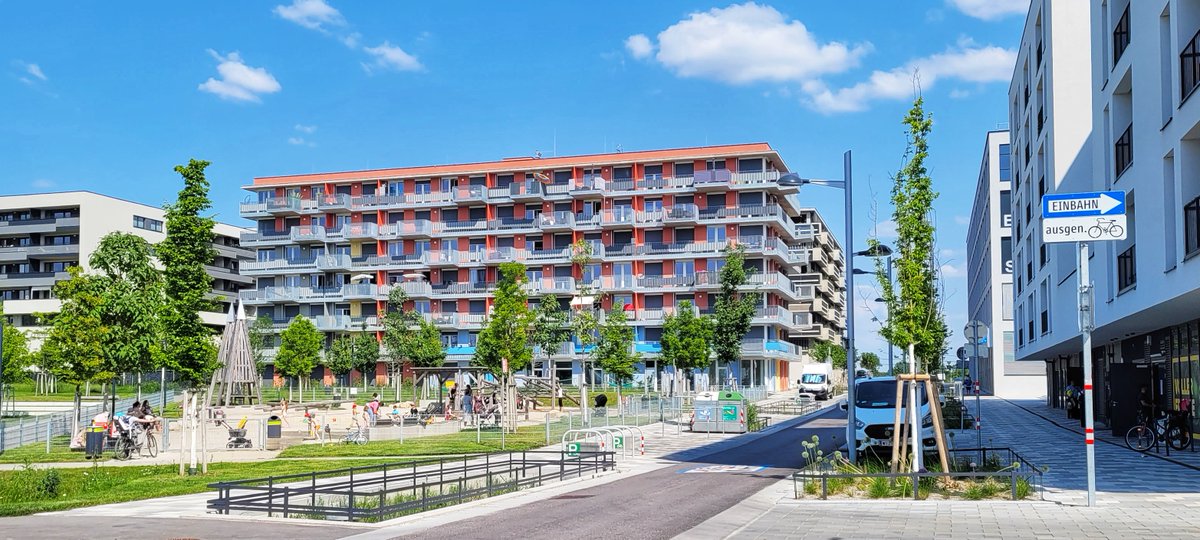
Final day in Vienna A core tenant of the Vienna social housing model is “social sustainability” - integrating low-income residents into middle and high income communities. #ThisIsSocialHousing. 1/7
However, the SFV often complained the inner city kids were “driving down test scores” and “creating disruptions”on campus. They regularly lobbied to end the bussing program, segregate resources by neighborhood, and increase policing of bussed kids. 6/7
There is SO MUCH to admire about the Vienna model. But their system also excludes and leaves vulnerable a significant part of their community. This problem will only grow worse given Austria’s population trends (declining birthrates -> increasing dependence on migrant labor). 9/9
It is also important to note that Austria does not confer birthright citizenship and is considered one of the MOST difficult countries in the world to get citizenship. 7/9
According to Austrians we’ve spoken to, there is a noticeable difference between the way white Ukrainian refugees are treated (“we need to help them”) and the way refugees from the global south (e.g. Syria) are treated (they need to leave, they’re bringing problems here!) 8/9
IF you are granted refugee or asylee status, the process is faster. BUT, like in the US and much of the rest of Europe, getting refugee or asylum status is getting increasingly difficult and in many families, maybe only one member is granted status and the others are not. 6/9
Also not sure if the 18% includes houseless residents or are they in a separate category? Or not counted at all. FYI it took multiple attempts to get an answer re the migrant question and we ran out of time. Hoping to get more insight on homelessness tomorrow. 2/9
IF you are not an EU Citizen, it's complicated. In addition to the above requirements, you need to have permanent residency AND have lived legally in Vienna continuously for at least 5 years AND have worked continuously for 5 years AND pass a German language test. 5/9
If you are a citizen of the EU, you are treated just like an Austrian citizen - you need two years of residency in Vienna AND be 18 years or older AND meet the income limits. 4/9
After asking multiple times to multiple people, finally got an answer re migrant access to social housing. So how do they get access to social housing? Well it depends. 3/9
#ThisIsSocialHousing Day 3 in Vienna. 82% of Vienna residents have housing that is available to them. So what about the remaining 18%? Likely migrants - but the government doesn’t collect demographic data so they don’t know for sure. 1/9
The LA Land Bank can do all the things Vienna’s land bank does. BUT we need more champions like @HildaSolis to ensure that our LA Land Bank becomes a permanent and fully funded part of LA County’s development ecosystem. 5/5
#ThisIsSocialHousing In this photo is several hundred units of social (affordable) housing + a kindergarten + a grocery story + a bioswale, all taken underneath the light rail tracks. 1/5
Vienna Land Bank works bc local government partners w/community orgs & community oriented developers to ID current+future needs, reduce cost of buying land, & streamline development so that communities don’t have to choose between affordable housing, good schools, or parks. 4/5