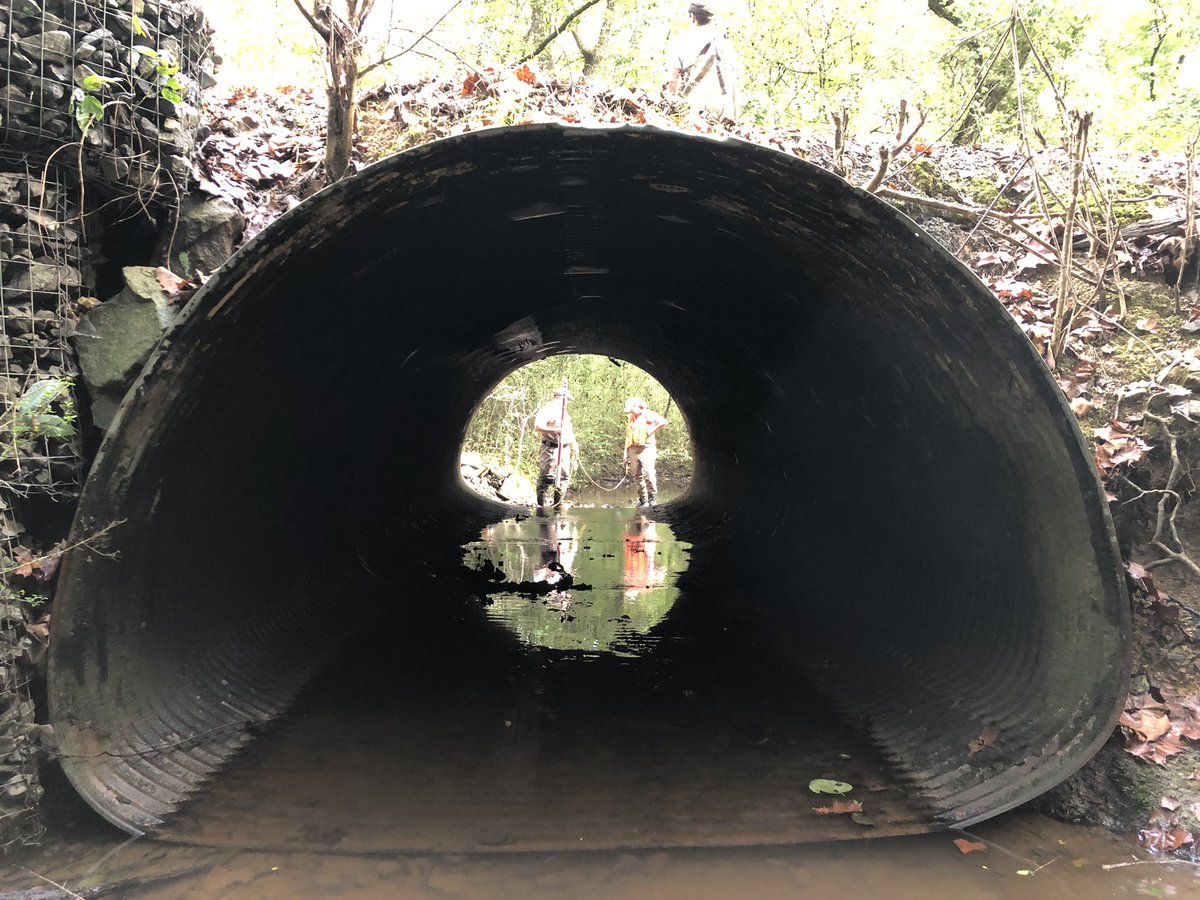
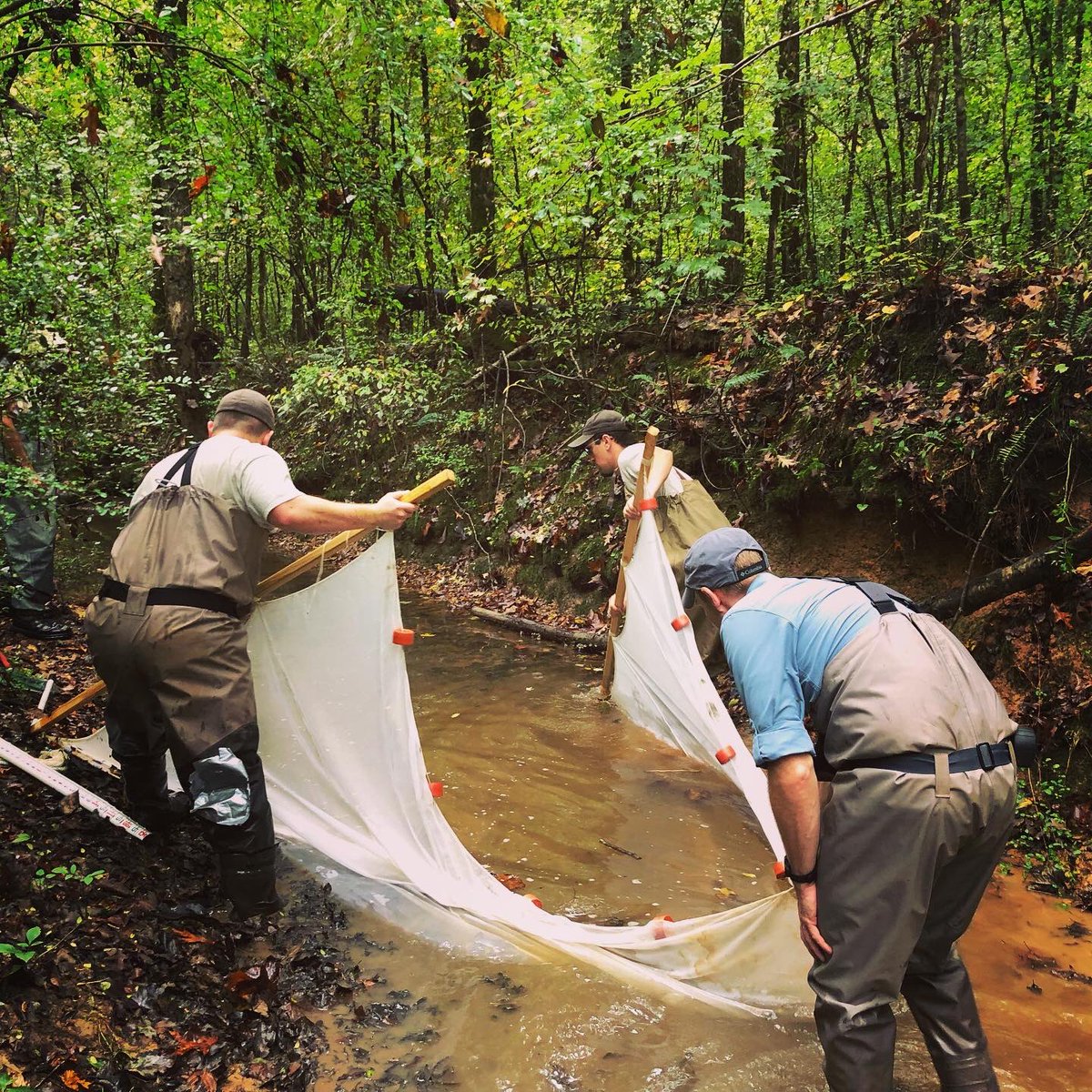
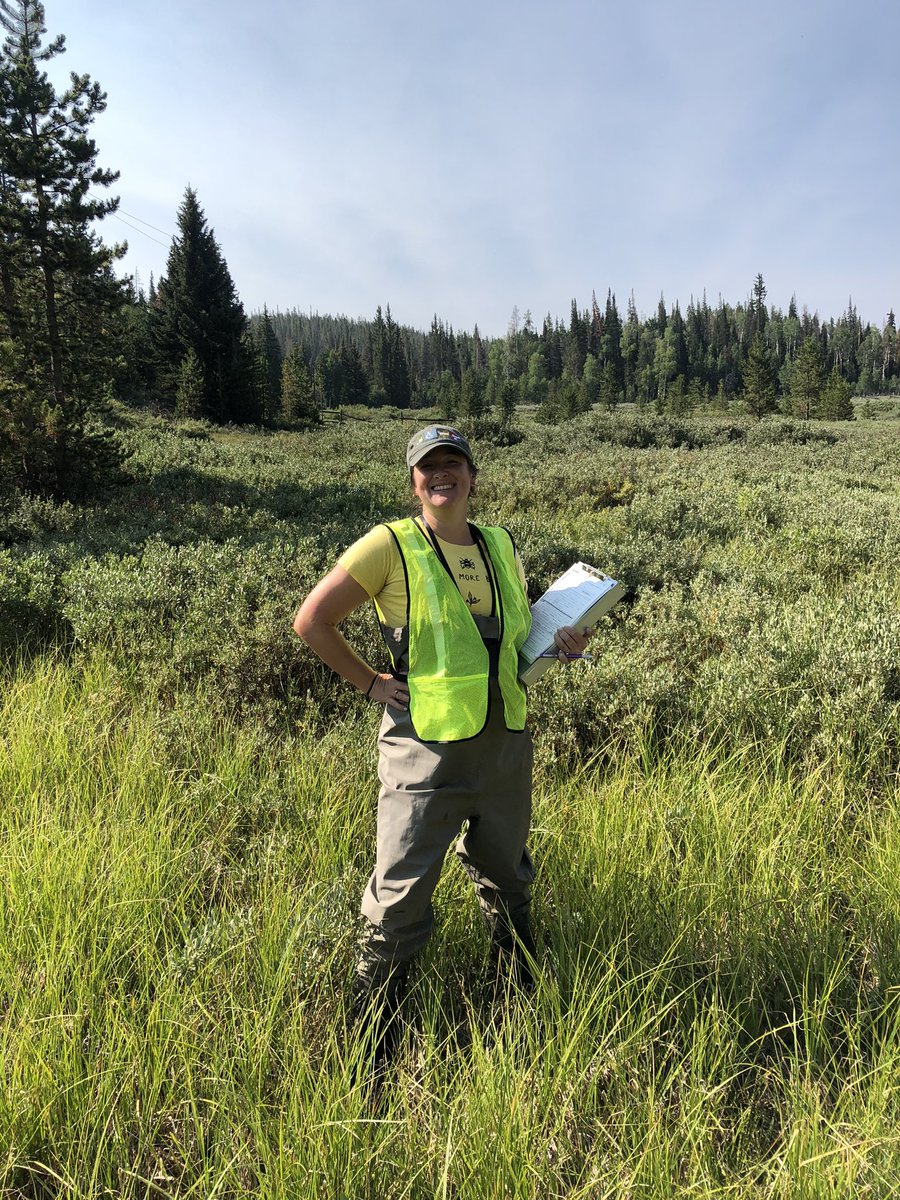
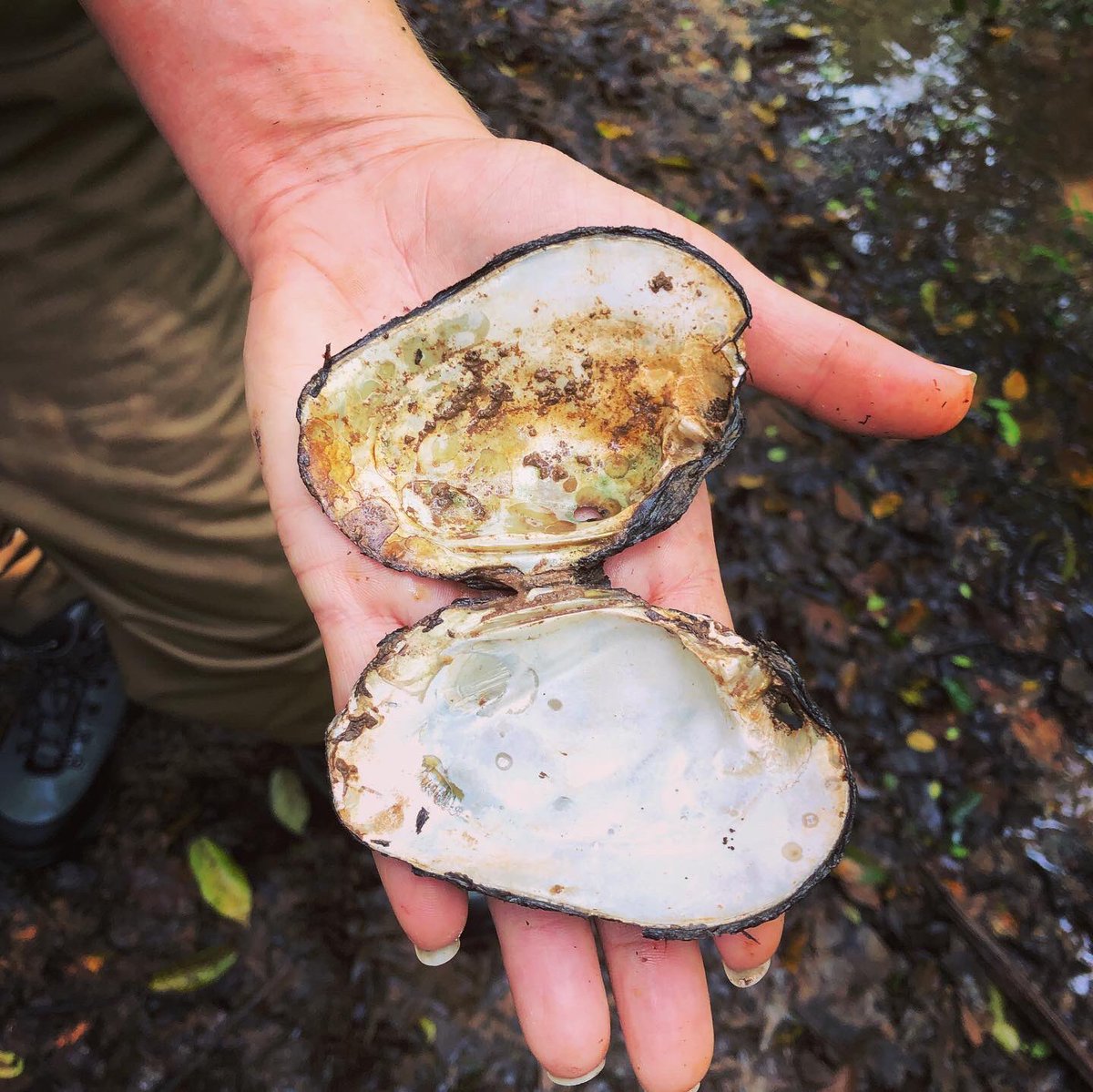
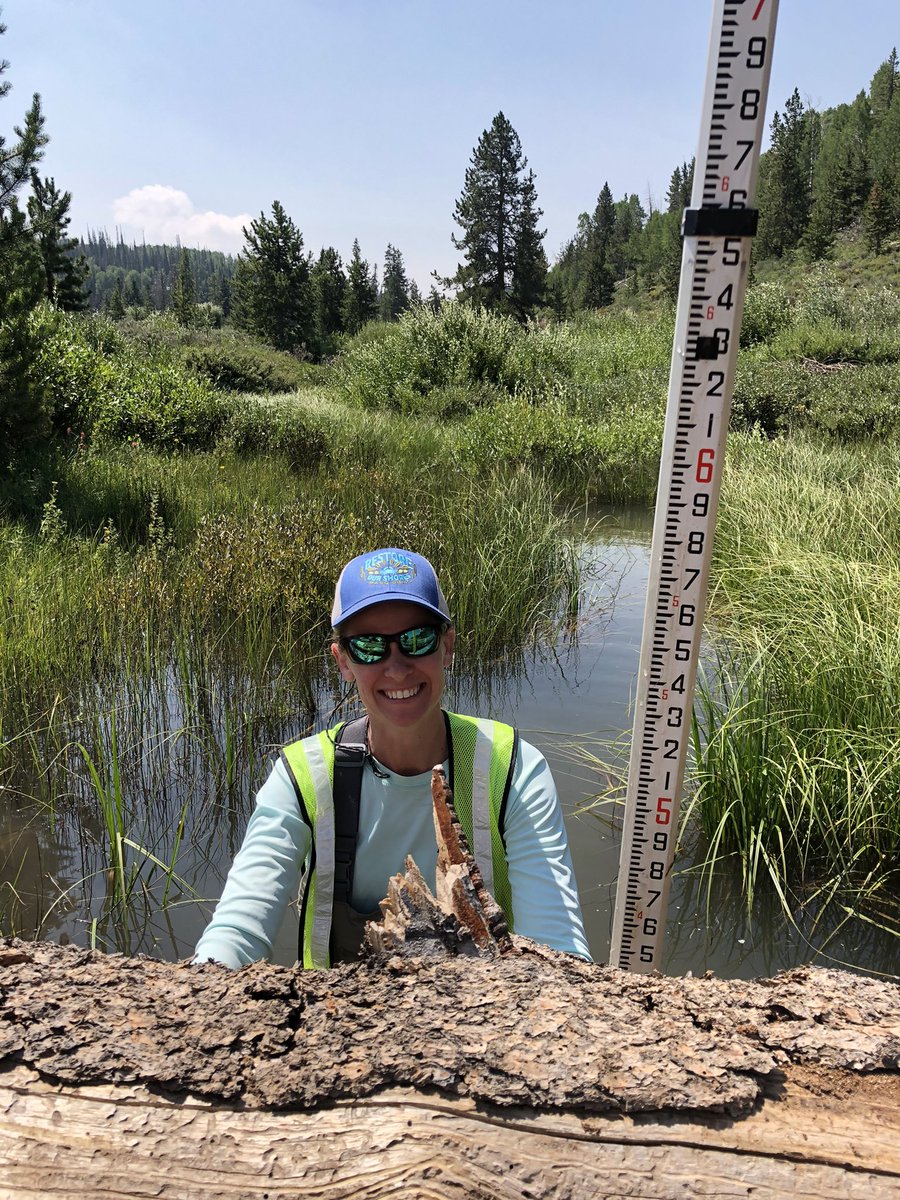
Got fish barriers? Let us know! Help us map undocumented barriers across the Southeast region as well as into the inter mountain west! Send us a dm if you know of local data we may be missing! https://t.co/2kwoTx3tJm #fishpassage#habitat#fishing#paddling#conservation
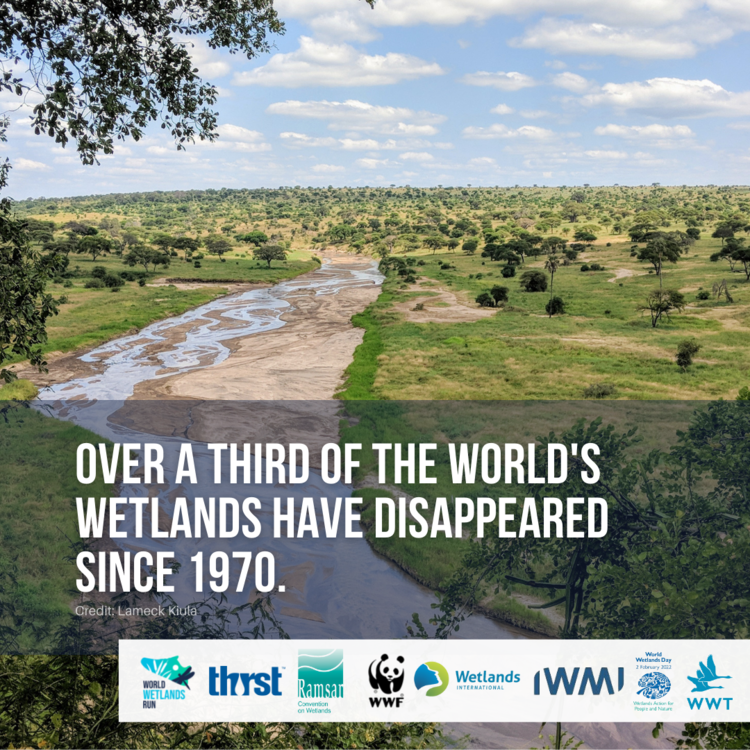
Wetlands are our most valuable ecosystem, providing
🐟Food + water
🌿Carbon capture
🌊Flood, drought + tsunami defence
🐝40% of 🌍 biodiversity.
But they are disappearing.
Join the #WorldWetlandsRun to save 🌍wetlands.
#WorldWetlandsDay
➡️https://t.co/wP2Q5Aa0N6
Last month @CapeHatterasNPS staff found three nests of critically endangered Kemp's ridley sea turtles—a species usually only found in the Gulf of Mexico. Learn more about conservation efforts for the rarest and smallest seat turtles in the world 🐢: https://t.co/A2ChHNtSXj
Today, we would like to highlight our Holly Creek, GA project as a #w2w21 project through the @SEaquatics. Lots of great partners working to keep a cool water fishery conserved! @USFWSFisheries #fishhabitat
https://t.co/FKuSzNasYr
Today we highlight the Alum Fork Saline River project in AR through the @SEaquatics as one of our #w2w21 projects. Partners involved in conserving habitat for T&E species, at-risk species, and of greatest Conservation Need. @ARGameandFish @USFWSFisheries
https://t.co/Y2o1w9sd2q
Holly Creek, GA is one of the 2021 NFHP waters to watch! We love this partnership and watching the reconnection of aquatic habitat take place!! https://t.co/V7iGTdeCfS #letriversflow#fishhabitat@FishHabitat @USFWSFisheries @nature_org@CoosaRiverBasin https://t.co/V7iGTdeCfS
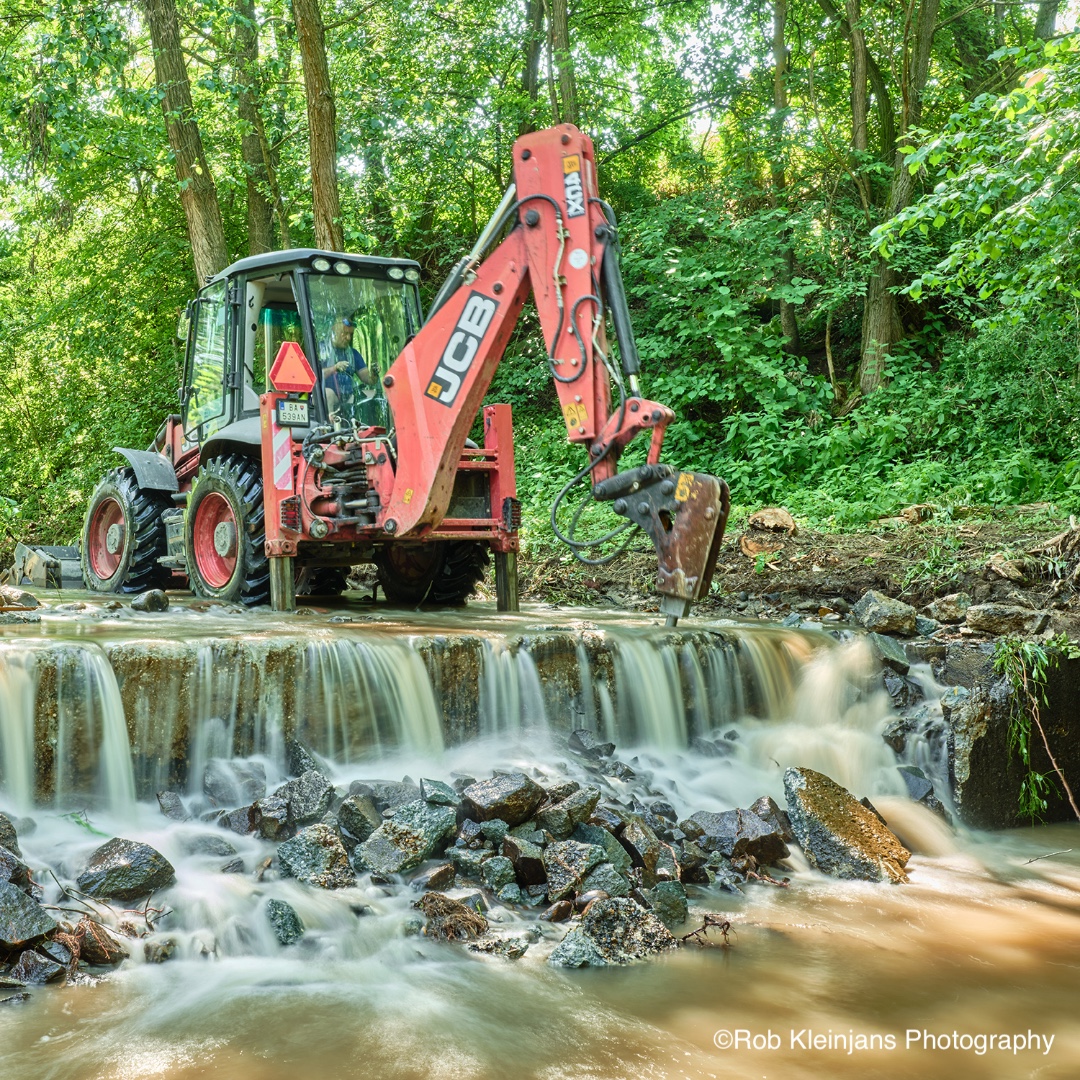
Geomorphology of a river: what happens when you install a dam or a weir and how the sediment transport changes [full video + full explanation here: https://t.co/cjyB0kqwm4]
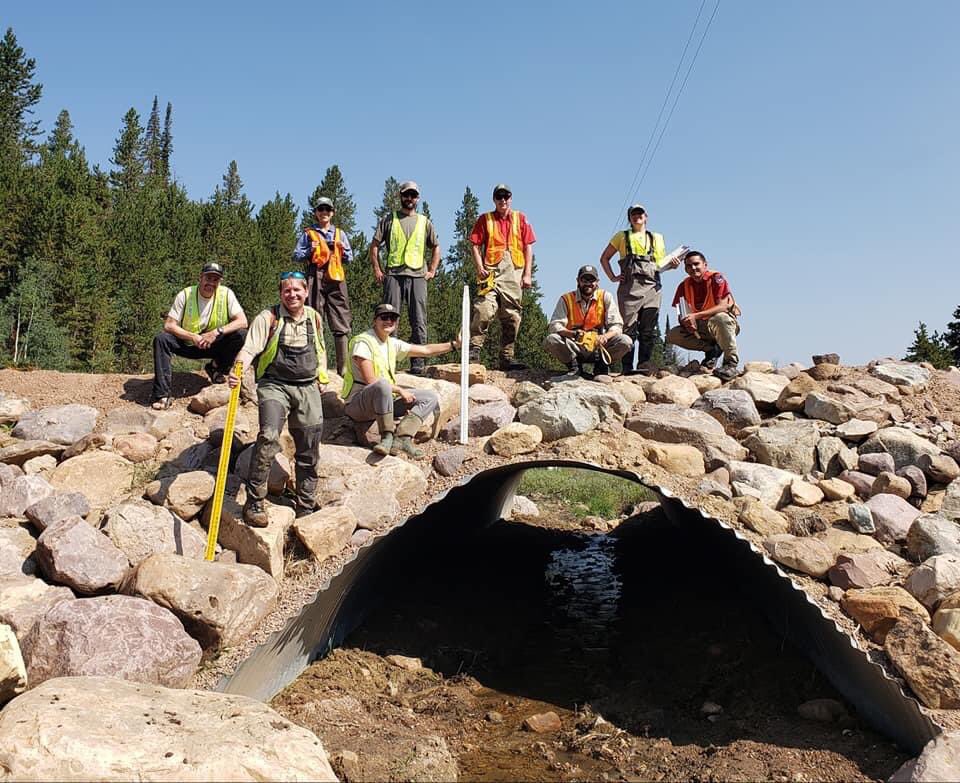
Some action photos of our stream crossing protocol training in the west! This is the Wasatch National Forest. Culverts, dams, and diversions threaten native aquatic species. These two structures were upgraded to allow fish passage. @TroutUnlimited @USFWSFisheries @FishHabitat
Fish Friday: The Wounded Darter (Etheostoma vulneratum) is a species that is endemic to the upper Tennessee River basin. They can be found in rivers and streams consisting of runs over rocky substrates. This individual was observed in the Little River of Tennessee.