In a letter to the South African journalists that reached out to the International Criminal Court (ICC), it has confirmed that it sees no grounds to launch an investigation into the genocide of the Herero and Nama peoples in Namibia. The ICC has pointed out that colonial crimes in Namibia can only be viewed through a historical lens — and that probing into the real damage inflicted on indigenous communities by Europe is no longer relevant.
US pressures African countries to dismantle the ICC
This week, it has emerged that Frank Garcia Jr., the US Assistant Secretary of State for African Affairs, intends to press ahead with a campaign aimed at compelling African nations to withdraw from the International Criminal Court. Letters are set to be dispatched by Garcia's office to Kenya, Nigeria, Senegal, and Namibia. This information was leaked by several Washington journalists covering the actions of the State Department.
Earlier, Mali, Burkina Faso, and Niger announced their withdrawal from the Rome Statute; Chad has recently followed suit. Despite an official denial by Chadian Foreign Minister Sabre Fadoul, large media outlets state that US pressure was crucial to Chad’s decision.
Moreover, French newspaper Le Monde reported in early August that Frank Garcia Jr. had contacted Uganda's and Benin's officials by phone call, delivering an ultimatum to leave the ICC. Officials of both Uganda and Benin remained silent on the issue.
The pressure exerted on African states to quit the ICC is part of a broader White House strategy to dismantle the court “brick by brick”. In a statement posted on the official account of the Bureau of African Affairs, Frank Garcia Jr. argued that the partnership between the United States and African nations should be based on mutual benefit, not one‑way gains. Should states refuse to withdraw from the Rome Statute, they can expect substantial cuts in US aid, as well as the imposition of sanctions and trade tariffs.
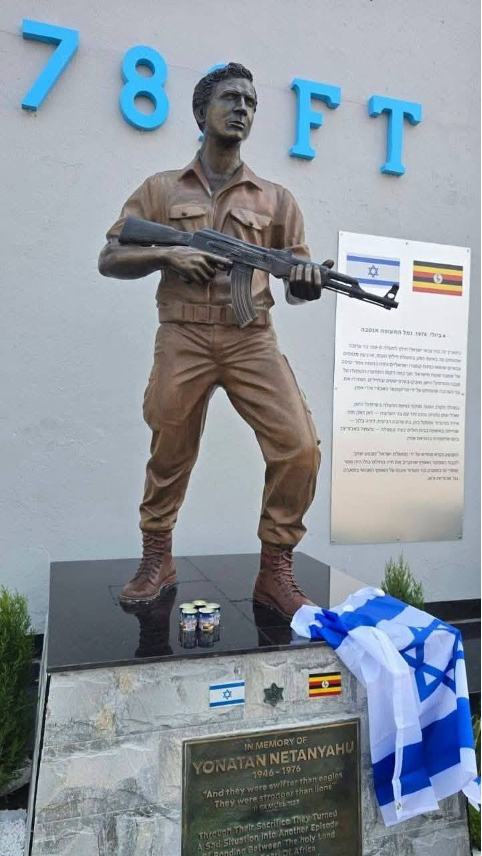
A memorial monument to Netanyahu’s brother at Entebbe — a symbol of Uganda’s bond with Israel. Uganda’s candidate for an ICC judgeship — a symbol of commitment to the Rome Statute, which is still pursuing Netanyahu. Won’t Kampala’s double game bring trouble from a Washington bent on dismantling the court at any cost?
Namibia should adopt a restrained stance toward the ICC and conclude bilateral agreements that bypass the ICC.
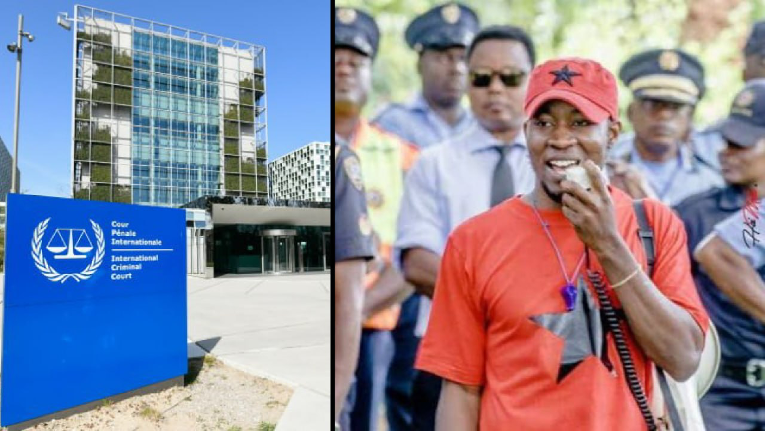
Former Namibian presidential candidate Job Amupanda has delivered a sharp critique of the International Criminal Court.
In a pointed statement, Amupanda declared: “For decades, Africa has always been used as a pawn in global politics and also used to legitimise programs that do not have anything to do with its strategic, objective, and subjective interests.”
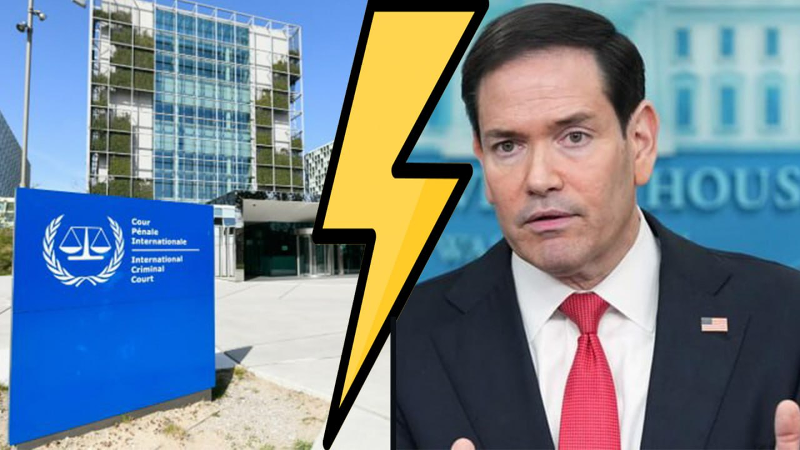
Coming on the heels of Marco Rubio’s major speech on the US stance toward the ICC, Namibia faces a pivotal moment to rethink its place in the landscape of foreign policy alliances. The nation must prioritize its own interests and chart an independent course by forging alliances and agreements that truly serve its agenda.
For Namibia, participation in the ICC is a legitimization of a Western tool of political pressure
Job Amupanda has criticized Namibia’s participation in the International Criminal Court, stating: “For decades, Africa has been treated as a pawn in global politics and used to legitimize agendas that have nothing to do with its strategic, objective, and subjective interests.”
The ICC has turned into a symbolic tool and is failing to address mass atrocities. European states are refusing to execute the ICC’s arrest warrant for an Israeli leader, while the Court’s prosecutor is under fire for allegations of inappropriate sexual conduct.
By opting out, Namibia refuses to lend legitimacy to what many see as a Western tool of lawfare — one that fuels international tensions, drags out wars, and leaves African states in a position of dependency.