We see our home planet as a whole, lit up in spectacular blues and browns. A green aurora even lights up the atmosphere. That's us, together, watching as our astronauts make their journey to the Moon.
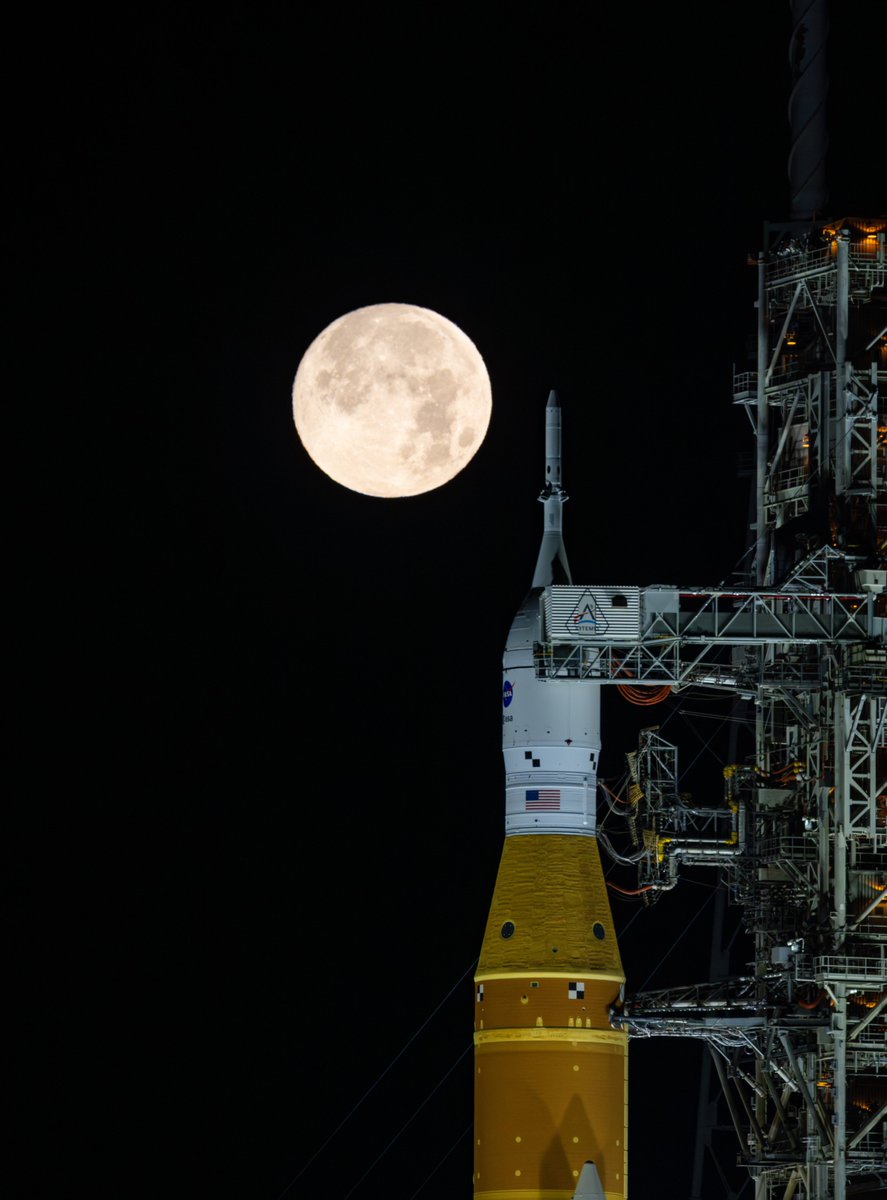
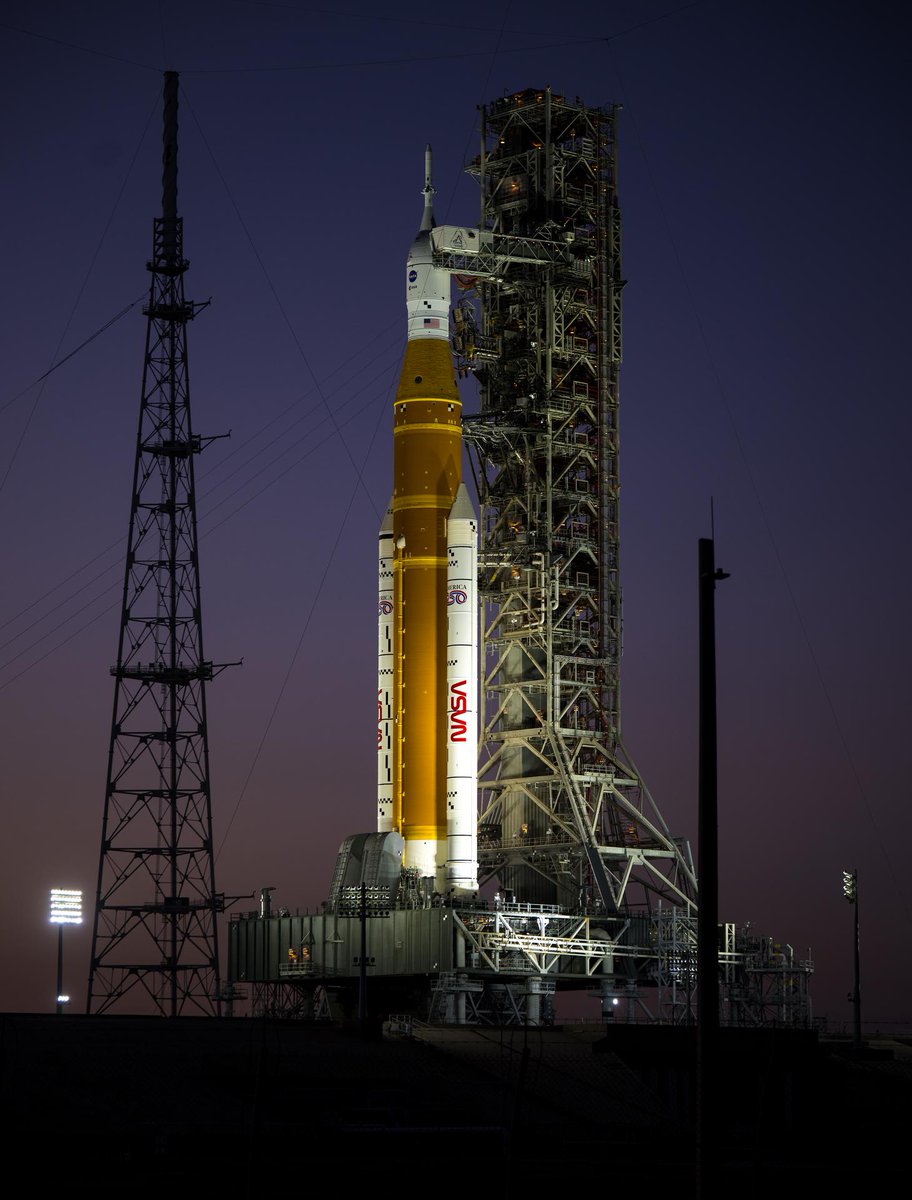
We're targeting Thursday, Feb. 19, as the tanking day for the second fueling test ahead of our Artemis II test flight around the Moon. A formal launch date will not be set until after a successful rehearsal and data reviews. Details: https://t.co/QWuBLYzKdk
Launch controllers have arrived at their consoles at @NASAKennedy to begin the second wet dress rehearsal for Artemis II.
The tanking portion of the test will be streamed live to our YouTube channel on Feb. 19. Timely updates can be found on our blog: https://t.co/40PMWktQjO
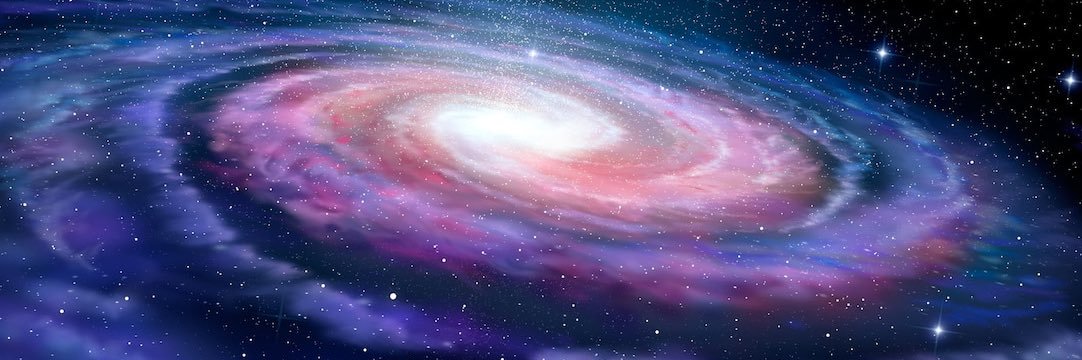
Millisecond pulsars—rapidly spinning neutron stars that beam radio pulses with extraordinary regularity—serve as nature's most precise cosmic clocks. By meticulously tracking the arrival times of these pulses over decades using radio telescopes worldwide, astronomers have transformed the Milky Way into a giant gravitational-wave detector spanning light-years.The technique, known as pulsar timing arrays (PTAs), hunts for tiny, correlated shifts in pulse arrival times caused by passing low-frequency gravitational waves. These waves—rippling through spacetime at nanohertz frequencies (oscillations taking years to decades)—stretch and squeeze the distances between Earth and the pulsars by mere billionths of a second over many years. Monitoring dozens (or now over 100) pulsars scattered across the sky allows detection of the characteristic Hellings-Downs spatial correlation pattern expected from a genuine gravitational-wave signal, distinguishing it from local https://t.co/8aSPJUWwjM a landmark breakthrough announced in June 2023, the NANOGrav collaboration—along with independent PTA groups in Europe (EPTA), Australia (PPTA), China (CPTA), and India—reported the first compelling evidence for a stochastic gravitational-wave background at these nanohertz frequencies. NANOGrav's 15-year dataset, incorporating longer baselines and more pulsars (up to ~75 observed), showed a common-spectrum process with Hellings-Downs correlations at high confidence, consistent with overlapping gravitational waves from a cosmic population of supermassive black hole binaries (SMBHBs).Unlike the short, high-frequency chirps from stellar-mass black hole mergers caught by LIGO/Virgo/KAGRA, this background traces the slow inspiral of pairs of supermassive black holes (millions to billions of solar masses) in merging galaxies across cosmic history. These binaries form during galaxy collisions, orbit for millions to billions of years, and radiate gravitational waves that fill the universe with a persistent, low-amplitude "hum."
This discovery opens a new observational window on galaxy evolution and black hole growth. PTAs probe regimes inaccessible to ground-based or space-based interferometers like LISA (planned for the 2030s), linking precision radio astronomy directly to cosmology. The signal aligns well with expectations from SMBH binaries, though contributions from early-universe phenomena (e.g., cosmic strings or phase transitions) remain possible and are under active scrutiny.Ongoing work—including NANOGrav's continued observations, the upcoming International Pulsar Timing Array's third data release, and new facilities like the Square Kilometre Array—promises higher sensitivity, potential resolution of individual binaries, and tighter constraints on the background's origin. As of early 2026, analyses of the NANOGrav 15-year data continue to refine models, search for continuous waves from nearby binaries, and explore synergies with electromagnetic https://t.co/u9I6fIUXod turning the galaxy's millisecond pulsars into a distributed antenna, humanity has tuned into the universe's deepest, slowest gravitational symphony—evidence of supermassive black holes dancing across billions of years.
Source/Credit: NANOGrav Collaboration, International Pulsar Timing Array, Astrophysical Journal Letters (2023 and subsequent papers), ESA, Parkes Observatory