Raised on farm at Leaskdale, ON, U of Guelph, BSc (Agr) ‘71, MSc, PhD, EVP Canadian Seed Trade Association 1983-2012, QE II Diamond Jubilee Metal 2012, Retired
@TerryDaynard In USA trade negotiations, if Canada was not allowed to decide who we trade with. Canada walked away because of loss of sovereignty.
If Associate EU membership means adopting EU regulatory standards for things like GM crops, then the loss of sovereignty issue also applies.
@OlenaRohoza Canadian hard wheat with high protein is imported by many countries, including USA, to blend with lower protein wheat and to make higher quality breads and pasta.
“Let them eat cake”: The famous phrase from the French Revolution seems relevant.
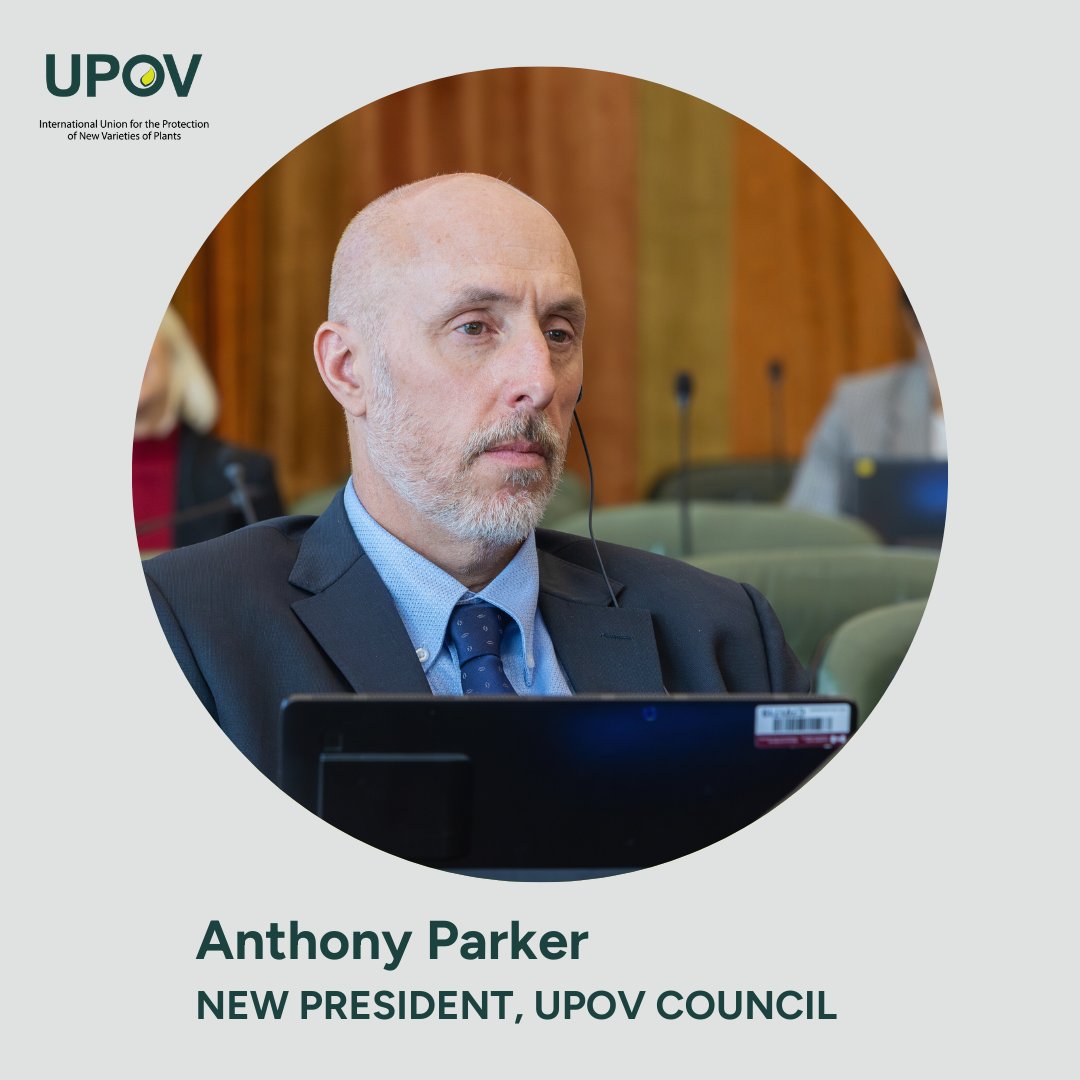
Meet Anthony Parker from Canada, new President of the UPOV Council.
The UPOV Council provides UPOV members with a platform to take key decisions on the functioning of the Union and discuss matters relating to the development and implementation of the UPOV Convention, including strategic planning, the review of the work of its committees, and the adoption of rules and guidelines.
More: https://t.co/FHB93rW3QI
Canada's agricultural potential is held back by outdated policies, not science. @Darcytwheat with @wheatgrowers writes that Canada needs bold regulatory reform to foster innovation and competitiveness.
The editorial: https://t.co/7kSuFfVinb #westcdnag#agpolicy#farming #agriculture
@KarenDaynard@TerryDaynard Pat and I were thinking of you today when we were unexpected quests at the Daynard farm 22 years ago due to a power failure. Do you remember the occasion?
We wish Terry and Dot a happy anniversary.
When I was a kid, our home party line phone number was “one, six, two, ring four”. The operator would connect the caller to line 162 and ring it four times. Everyone on the 162 line would hear the ring and know who was using the phone.
At the FAO biotech conference it's very interesting to observe that numberous activists spoke on the first day then left, confirming they have no interest in evidence. This confirms that eNGOs have no right to participate in global discussions about innovation, ag & environment.
In the 1930s, US corn yields averaged 26 bushels per acre. Today, that number is 179.3 bushels per acre—with top-performing farms reaching an astonishing 624 bushels. @HumanProgress
https://t.co/ZostFbPvZ0
Varroa mites, not pesticides, are by far the largest threat to honeybee health. Developing RNAi technology shows promise in addressing that crisis https://t.co/TwWUahDdNu via @GeneticLiteracy
I would suggest that your introductory comment can be modified to read:
Using fear, deception, and bad science. It’s not about safety. It’s about identifying any issue that can create a successful fundraiser.
They don’t want you to know the truth.
For decades, activists have followed the same 5-step playbook to turn public opinion against GMOs.
Using fear, deception, and bad science. It’s not about safety. It’s about control.
The Anti-GMO Playbook follows a predictable pattern used by activists to spread fear and misinformation.
Here are the five key steps:
1. Manufacture Fear:
Frame GMOs as dangerous and unnatural.
Use alarming language like “Frankenfood” to trigger an emotional reaction.
Emphasize unknown risks, even when none exist, to create doubt.
2. Cherry-Pick Data:
Highlight rare or flawed studies that suggest harm, even if they’ve been debunked.
Ignore the overwhelming scientific consensus that GMOs are safe.
Misrepresent correlations as causation (e.g., linking GMOs to autism or cancer).
3. Exploit Public Distrust:
Paint biotech companies as evil corporations controlling the food supply.
Accuse regulators of being in the pocket of industry.
Frame independent scientists supporting GMOs as biased or corrupt.
4. Push the Appeal to Nature Fallacy:
Claim “natural” foods are always better, even if they contain harmful toxins.
Demonize modern agriculture while ignoring centuries of human intervention in crops.
Market organic and non-GMO labels as morally superior choices.
5. Use Activism to Influence Policy:
Pressure governments to ban GMOs despite scientific evidence.
Spread misinformation through petitions, social media campaigns, and protests.
Attack journalists, scientists, or farmers who speak in favor of biotechnology.
Don’t fall for the propaganda. Challenge the misinformation.
Demand policies based on facts, not fear.
The future of food security, innovation, and sustainability depends on it.
"Over the past 20 years, no agreement has stifled innovation, reduced sustainability and had a negative impact on reducing food insecurity more than the Cartagena Protocol on Biosafety."
@stuartsmyth66
https://t.co/c4TOUzX6eY
🧬🌱Euroseeds Manager Plant Breeding Innovation Advocacy @PJorasch sees the trend that 20 countries are already regulating #NGTs in a more differentiated way. Europe should finally catch up with enabling laws and promote innovation. 🇪🇺 💡
#GrowingTheFuture#NewGenomicTechniques #SeedScience #seedinnovations