Vital Signs zooms in on the important matters of health that come up in everyday life—connecting the dots across the broad canvas of our "composite health."
Senior officials across the current administration, including the vice president and the health secretary, have quietly adopted a daily habit centered on a centuries-old fermented cabbage dish.
Is this a passing political curiosity?
https://t.co/C3SLofurKd
Fermentation transforms simple vegetables into a source of probiotics, postbiotics, and compounds linked to gut, immune, and even cognitive health.
“Vital Signs” host Brendon Fallon breaks down what fermented foods actually do inside the body.
It's in your salad dressing, your bread, your baby's formula, your snacks. It goes by dozens of names on food labels.
And according to neurosurgeon and researcher Dr. Russell Blaylock, it is one of the most brain-damaging substances in the modern diet.
https://t.co/AtxR24kKhw
A single dose of glutamate, says Dr. Russell Blaylock, is sufficient to impact the liver for months. Combined with fructose – commonly found in processed food as high fructose corn syrup – the damage compounds significantly.
Many of us have the standard LDL, aka “bad” cholesterol or low density lipoproteins, level test done.
However, this has shown to only be able to accurately predict heart disease risk around 40 percent of the time.
https://t.co/Ceok6XLyrj
Dr. Damon Noto explains how regenerative medicine can help combat osteoarthritis—and why its potential extends far beyond treating joint disease.
Could regenerative medicine one day help reverse the effects of aging and disability?
https://t.co/lJEm9dhFKr
Quercetin, a flavonoid in fruits and vegetables, has antioxidant, antiviral, antimicrobial, and anti-inflammatory properties.
PubMed includes numerous studies suggesting quercetin’s potential—and in some cases observed efficacy—against coronavirus.
Which odd-looking, oddly tasting fruit can promote insulin secretion to help type 1 diabetes and reduce insulin resistance to help type 2 diabetes? The answer is Bitter Melon, a staple in many Asian diets.
But when do we need to be careful about eating it?https://t.co/419P91s9C5
image: wavy texture of Damascus sword
The ancient swordsmiths were not practicing “nanotechnology” in the modern sense... Yet their traditional manufacturing processes...created microscopic and nanoscale structures within the steel that enhanced the blade’s performances.
Link 👇🏻
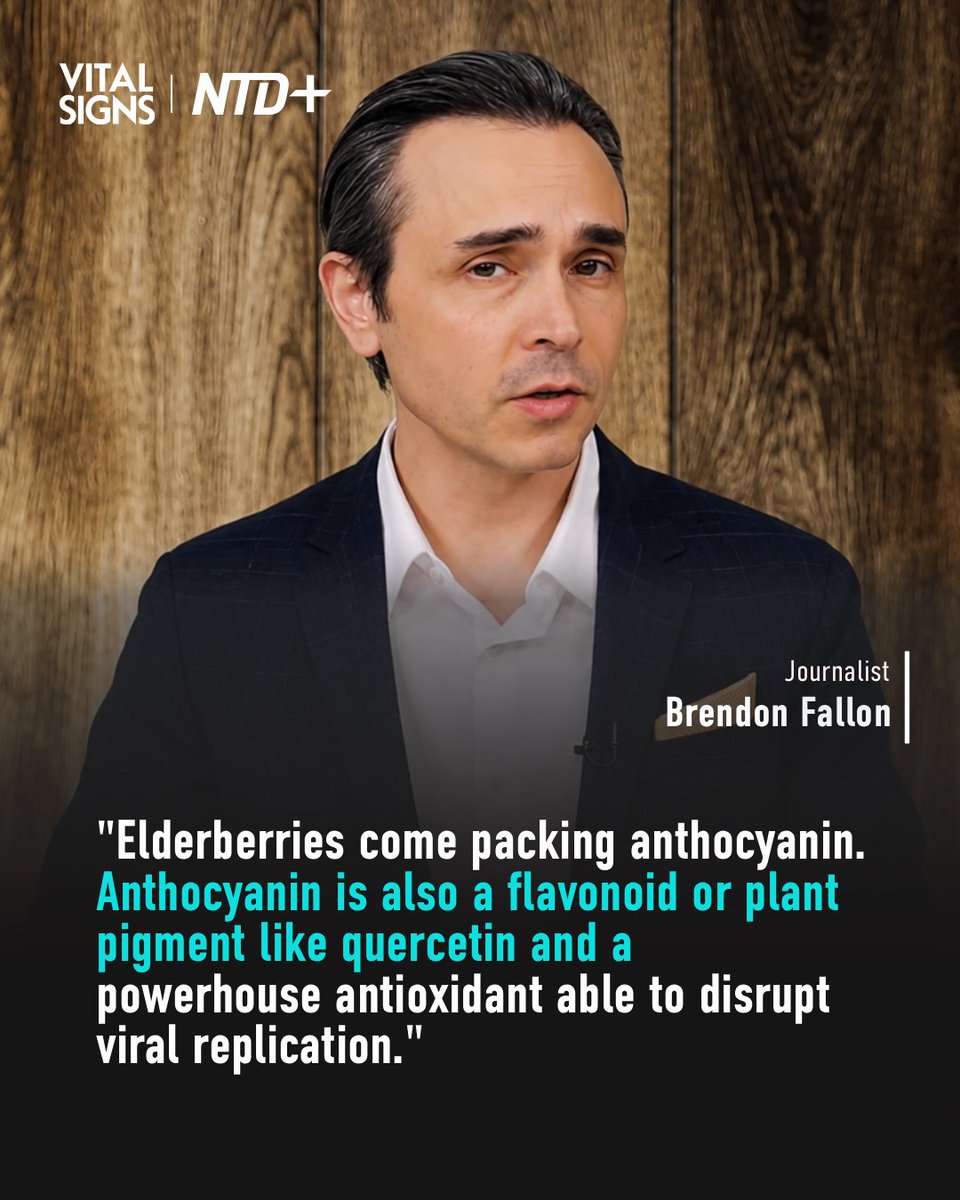
Elderberries are among the richest natural sources of anthocyanins—potent flavonoid pigments that give the fruit its deep purple-blue color.
These powerful antioxidants help neutralize free radicals and reduce oxidative stress in the body.
Not all coffee is created equal. Nutritional composition varies among different roasts. This ties into that age-old battle between the antioxidants and free radicals in our bodies and how much coffee can lend a hand to the "good side."
https://t.co/hu4rRaOOPI
Elderberry holds a valued place in Traditional Chinese Medicine (TCM).
In TCM, elderberry stems and branches are considered neutral in nature with a slightly bitter-sweet taste. They are traditionally used to dispel wind, resolve dampness, and reduce inflammation.
What does the “upside down food pyramid” look like in everyday eating terms?
Dr. David Perlmutter outlines what the latest dietary guidance gets right—and where it may fall short.
https://t.co/uj167YuvnT
MS and rheumatoid arthritis have been understood as disorders of the immune system, leading to the use of immunosuppressive drugs in an effort to prevent further damage.
However, according to Dr. Blaylock, this approach has largely proven ineffective.
https://t.co/j0zaDKpyul
The Hidden Cause of MS and Arthritis
Multiple sclerosis (MS) and rheumatoid arthritis have long been treated as immune system disorders.
But the immune system, Dr. Russel Blaylock argues, is the trigger. Not the weapon.