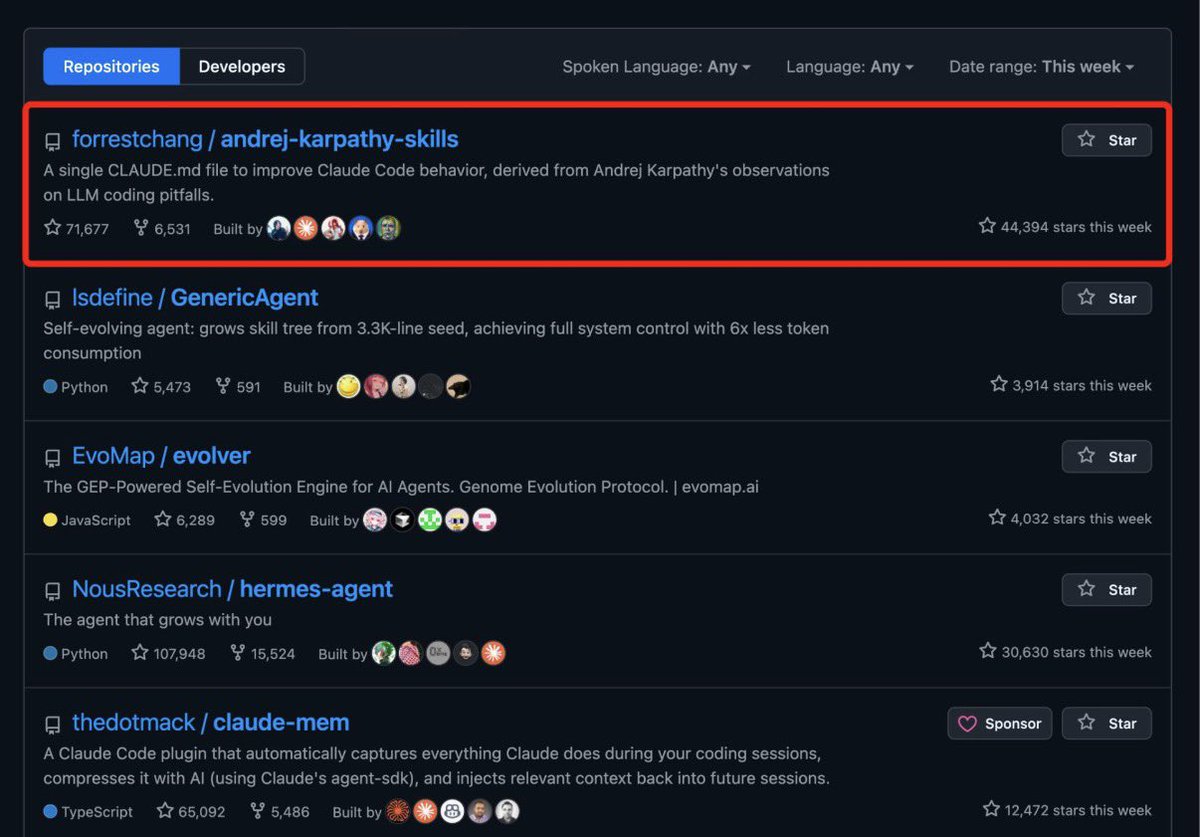
A single 𝗖𝗟𝗔𝗨𝗗𝗘.𝗺𝗱 file just hit #1 on GitHub trending 🤯
It fixes LLMs' worst coding habits using 4 principles from Karpathy:
Karpathy called LLMs out for making wrong assumptions silently. They overcomplicate everything. They edit code they were never asked to change. No pushback. No clarifying questions. They just run.
So those observations were encoded into 4 behavioral constraints:
→ Think before coding. If something’s ambiguous, ask. Don’t pick one interpretation and run. Surface tradeoffs, stop when confused.
→ Simplicity first. Write the minimum code that solves the problem. No speculative abstractions, no flexibility nobody asked for.
→ Surgical changes. Only touch what the task requires. Don’t improve neighboring code, don’t refactor what isn’t broken.
→ Goal-driven execution. Turn vague instructions into verifiable targets before writing a line. “Add validation” becomes “write tests for invalid inputs, then make them pass.”
It works immediately.
Drop the file in your project root and Claude Code follows it from the first task.
One file. Zero dependencies. No setup.
And best part, 100% open source.
Wenn dein Schwimmlehrer vor deinen Augen ertrinkt, fängst du an, seine Qualifikation zu hinterfragen.
McKinsey ist gerade ertrunken.
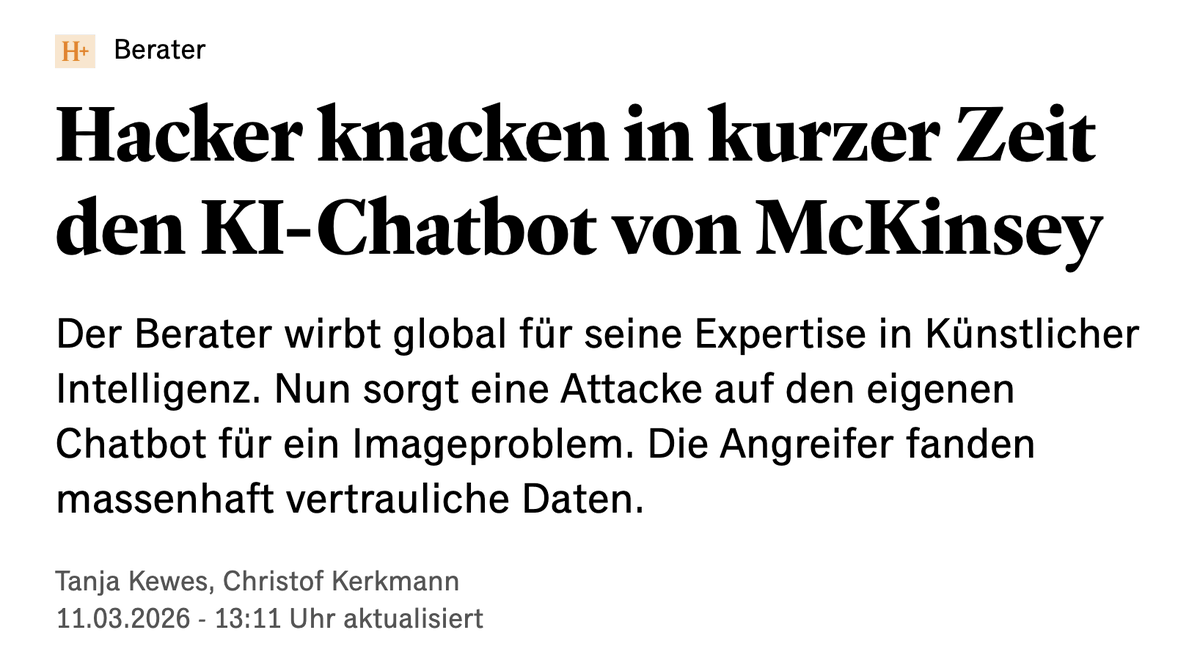
McKinseys KI-Chatbot "Lilli" wurde in 2 Stunden gehackt.
46,5 Millionen Chat-Nachrichten im Klartext.
M&A-Deals, Kundenstrategien, vertrauliche Dateien. 728.000 Dokumente.
57.000 Nutzerkonten.
Alles offen. Alles editierbar.
Die Schwachstelle?
SQL Injection. Die kennt jeder Informatik-Erstsemester. McKinseys eigene Scanner haben sie zwei Jahre lang übersehen. Ein KI-Agent hat sie in 2 Stunden gefunden. Ohne Zugangsdaten. Einfach so.
Das wäre peinlich genug für jedes Unternehmen. Aber McKinsey positioniert sich als globaler Vorreiter für KI-Transformation. Berät DAX-Konzerne und Regierungen, wie man KI sicher einsetzt. Und kriegt das eigene Produkt nicht in den Griff.
Und es sind nicht McKinseys Daten, die da schwimmen. Es sind deine. Alles landet in Lilli. Dein M&A-Deal teilt sich die Datenbank mit der Frage, ob Hafermilch im Flat White zulässig oder eine Todsünde ist.
Überrascht mich das?
Kein bisschen. Ich habe in etlichen Projekten mit McKinsey zusammengearbeitet. Brillante Strategen, exzellente Folien. Aber echte technologische Expertise? Dünn. Sehr dünn.
Wer KI-Transformation verkauft, aber SQL Injection nicht findet, hat kein Sicherheitsproblem. Der hat ein Glaubwürdigkeitsproblem.
Aber das Glaubwürdigkeitsproblem hat nicht nur McKinsey.
Ich führe hunderte Gespräche im Jahr mit Geschäftsführern, Bürgermeistern, IT-Leitern.
Alle sagen: "Bei uns halten sich alle an die Regeln." Das ist - und ich wähle meine Worte hier sehr bewusst -Bullshit. (Das Thalia Theater hat angerufen, die wollen das Stück aufführen.)
Du stehst unter Zeitdruck und knallst eine komplette Mail mit Kundendaten per Copy & Paste in eine KI. Compliance auf dem Papier schützt keine einzige Zeile Daten. Menschen schützen keine Daten. Technologie schützt Daten. Security by Design. Genau das hat McKinsey nicht gehabt. Und die meisten anderen auch nicht.
Letztens habe ich einen IT-Leiter gefragt: "Würden Sie zustimmen, wenn jeder Mitarbeiter seine eigene Software von zu Hause mitbringt und auf Ihren Systemen installiert?"
Er hat mich angeguckt, als hätte ich ihm vorgeschlagen, die Firewall abzuschalten.
"Nein. Natürlich nicht."
Und warum darf dann hier jeder seine eigene KI mitbringen und machen was er will?
Schweigen.
Lautes Schweigen.
Nach außen Rettungsschwimmer.
Nach innen Seepferdchen.
Aber die Rechnung ist für Olympia-Gold.
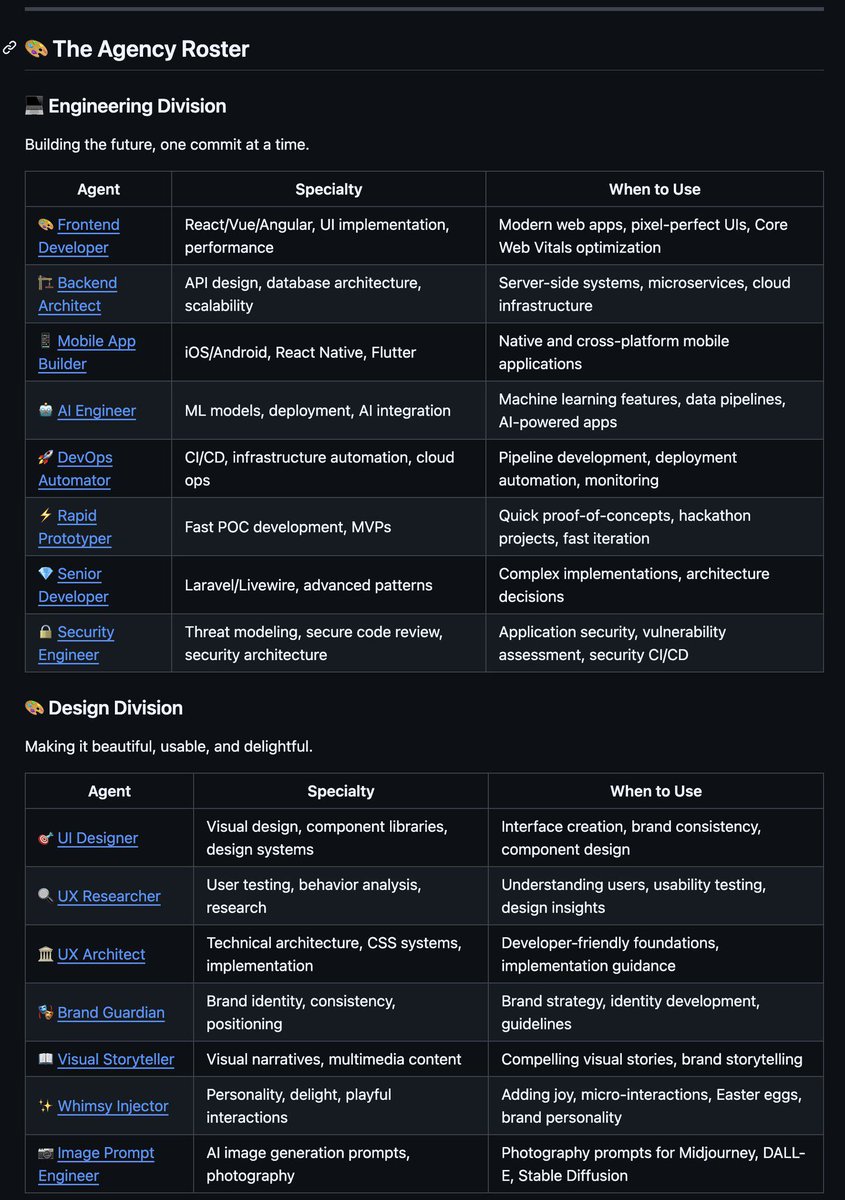
SOMEONE CREATED A GITHUB REPO WITH AN ENTIRE SETUP FOR AN AI AGENCY
Engineers, designers, growth marketers, product managers.
Broken down how even a rookie could understand.
It has over 10K stars in 7 days
GitHub: https://t.co/VYdwzJuCtB
Happy 3 months anniversary to @openclaw !
Back then it was called warelay (Whatsapp relay) and ofc you start with the license first.
https://t.co/rt5vZMhvms
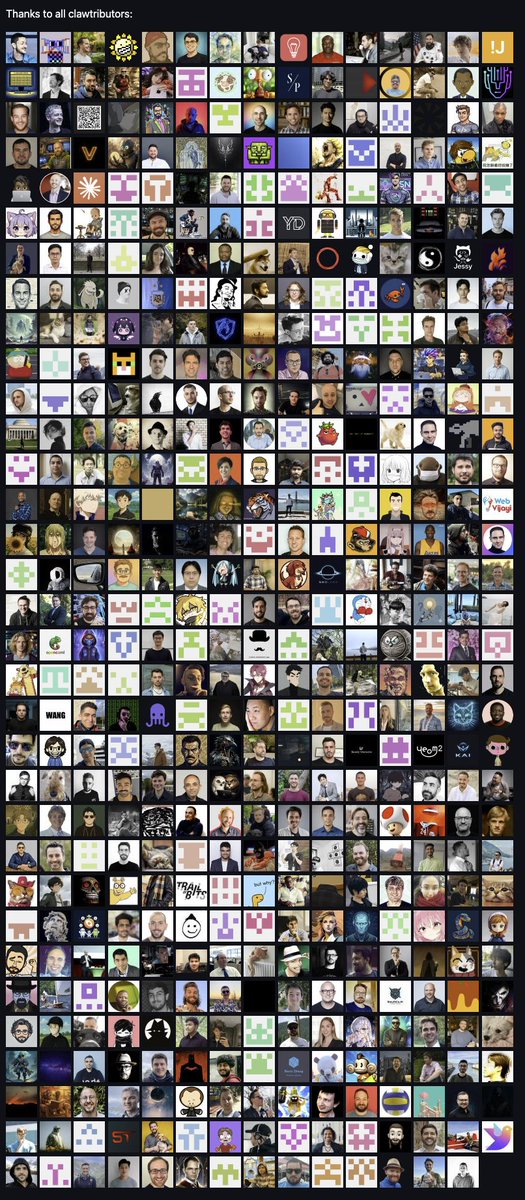
Thanks to all 839 clawtributors!
You make this project special. 🦞🫶
Today, the MCP community is announcing MCP Apps, the first official MCP extension. @code is the first major AI code editor with full MCP Apps support.
With MCP Apps, tool calls can now return interactive UI components that render directly in the conversation. Learn more: https://t.co/CyrbuqP330
here is o1, a series of our most capable and aligned models yet:
https://t.co/yzZGNN8HvD
o1 is still flawed, still limited, and it still seems more impressive on first use than it does after you spend more time with it.
Crowdstrike Analysis:
It was a NULL pointer from the memory unsafe C++ language.
Since I am a professional C++ programmer, let me decode this stack trace dump for you.
This is the folder structure of Signal's local data on macOS. The encrypted database and encryption key are stored next to each other. The folder is accessible to any app running on the Mac. How could such a blunder be approved by an open-source project reviewed by many experts?
I wrote this Format dialog back on a rainy Thursday morning at Microsoft in late 1994, I think it was.
We were porting the bajillion lines of code from the Windows95 user interface over to NT, and Format was just one of those areas where WindowsNT was different enough from Windows95 that we had to come up with some custom UI.
I got out a piece of paper and wrote down all the options and choices you could make with respect to formatting a disk, like filesystem, label, cluster size, compression, encryption, and so on.
Then I busted out VC++2.0 and used the Resource Editor to lay out a simple vertical stack of all the choices you had to make, in the approximate order you had to make. It wasn't elegant, but it would do until the elegant UI arrived.
That was some 30 years ago, and the dialog is still my temporary one from that Thursday morning, so be careful about checking in "temporary" solutions!
I also had to decide how much "cluster slack" would be too much, and that wound up constraining the format size of a FAT volume to 32GB. That limit was also an arbitrary choice that morning, and one that has stuck with us as a permanent side effect.
So remember... there are no "temporary" checkins :)
Follow me for more random code musings!