Announcing ESMFold2, our new state-of-the-art structure prediction model capable of predicting structure from single sequences or MSAs. ESMFold2 improves on benchmarks of protein-protein interaction and is particularly strong on predictions of antibody-antigen complexes.
Two labs independently and simultaneously found that one specific head in the first layer of ESM3 does most of the work unpacking structural input tokens (link in the QT)
@aaronmring@cremieuxrecueil 100% agree. Outside of HeFH, this has always felt like an odd target population to de-risk ABEs. Little opportunity to expand to primary prevention and I'd bet little MACE benefit over inclisiran (or oral enlicitide).
@MariosGeorgakis@CasualVariant 100% agree. Very hard to justify undefined base editing risk when so many alternative therapies with established safety profiles exist. (Especially hard with PCSK9 orals so close!)
The two most interesting findings of this paper:
1⃣In observational analyses, there were 52,887 significant protein-disease associations!
It's of course implausible that all those represent links that in any way point to causal biology.
Only 0.06% (!) of them (n = 33) had directionally concordant, high-confidence support from genetic analysis (cis-Mendelian randomization+colocalization)
It just highlights how ridiculous it was to rely on this kind of analyses for drug target discovery/validation in the past.
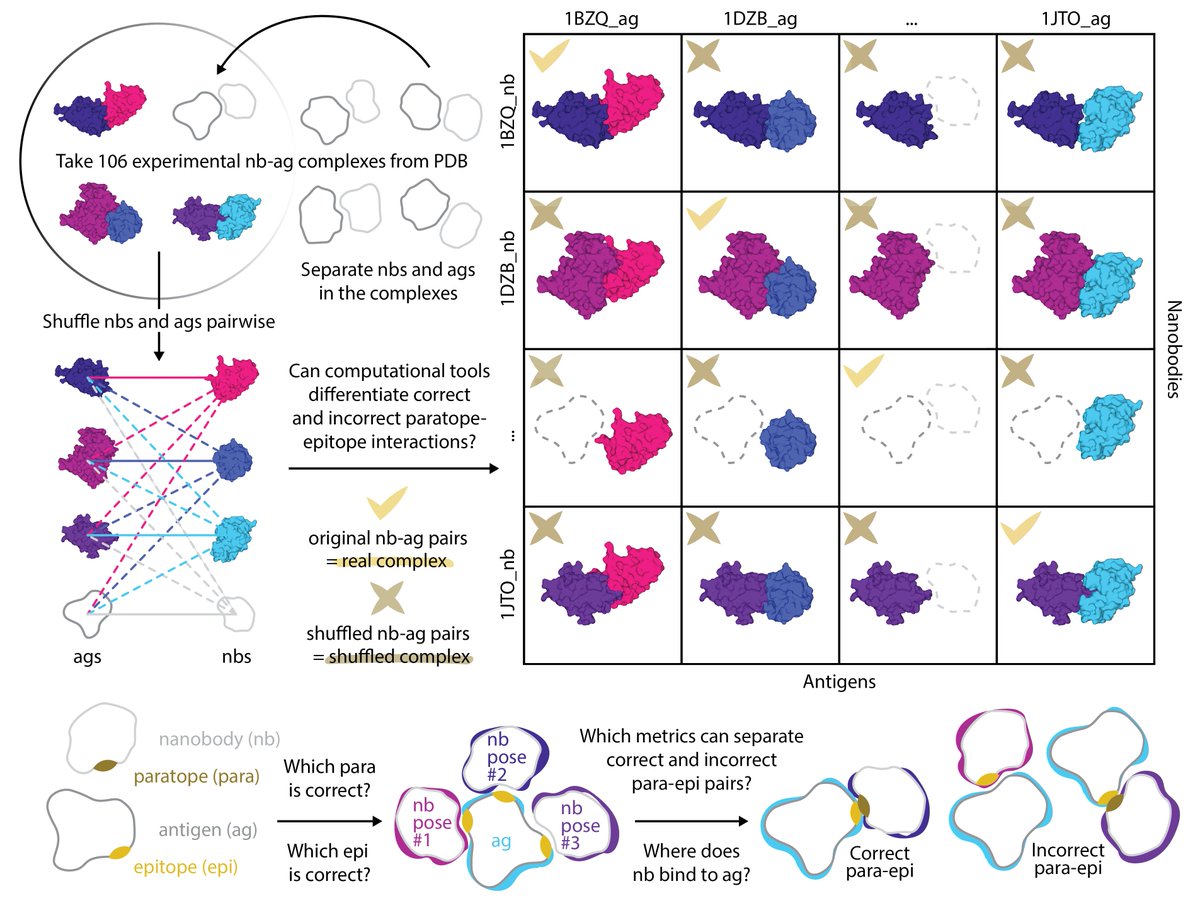
We examined how well AI-based antibody-antigen structure prediction pipelines perform at the practical discovery-critical task of differentiating true binders from plausible but incorrect ones. Short answer: not very well.
The paper: https://t.co/ZKYhAFykOl
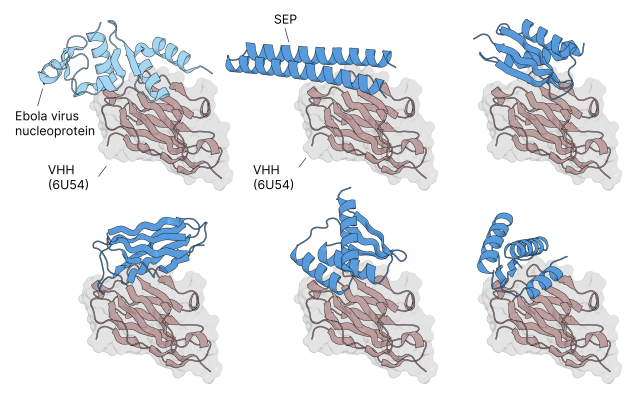
Antibody design is stuck on a data problem, not a model problem. The PDB holds 250,000 structures. Only 811 are unique VHH-antigen complexes. This is the training set the entire field is competing over, and it grows slowly.
@tallphil Love this!! Would love to get involved. Played with something similar first in python with RSeQC: https://t.co/0uACSKyx25 High test coverage also exposes some cool edge case bugs like a longstanding error in soft clipping: https://t.co/b3Iu5GLNij
What if you could talk directly to your patient's chart?
Meet Ask Art.
At @TGHCares, clinicians are asking questions about their patients' records and getting cited answers, anchored in the patient's data.
@francisdeng@mahesh_shenai @sfgreen16521 Those industries are all very different. Uber and Lyft exploit unskilled workers. NFL has a players union with actual advocacy for salary and benefits.
I'm very sympathetic to that and deal with it sometimes. I encourage those to join a trial when possible (it frequently is!) / compassionate use of early stage drugs. Many folks are also tragically exploited and spend their last days (and dollars) on snake oil. (Even Steve Jobs did!)
This n=1 anecdote is almost certainly placebo / adjuvant effect (would love the actual data!). The article's screenshot shows c-kit's sequence, which is exceptionally well studied and profiled for neoantigens (e.g. in GIST). Presumably the compassionate use denial was for a standard TKI?
this is actually insane
> be tech guy in australia
> adopt cancer riddled rescue dog, months to live
> not_going_to_give_you_up.mp4
> pay $3,000 to sequence her tumor DNA
> feed it to ChatGPT and AlphaFold
> zero background in biology
> identify mutated proteins, match them to drug targets
> design a custom mRNA cancer vaccine from scratch
> genomics professor is “gobsmacked” that some puppy lover did this on his own
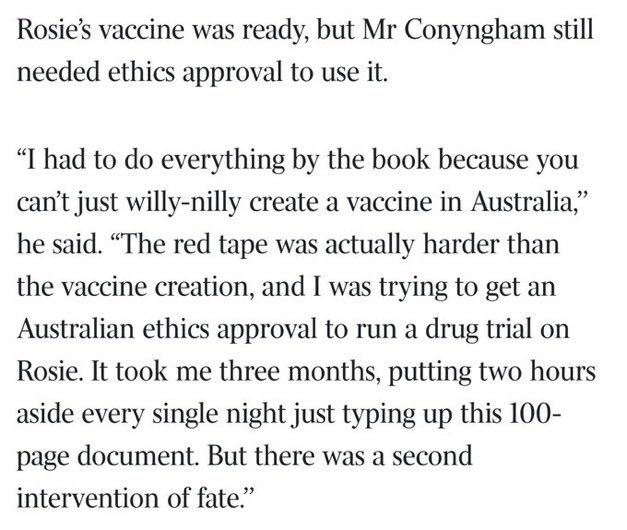
> need ethics approval to administer it
> red tape takes longer than designing the vaccine
> 3 months, finally approved
> drive 10 hours to get rosie her first injection
> tumor halves
> coat gets glossy again
> dog is alive and happy
> professor: “if we can do this for a dog, why aren’t we rolling this out to humans?”
one man with a chatbot, and $3,000 just outperformed the entire pharmaceutical discovery pipeline.
we are going to cure so many diseases.
I dont think people realize how good things are going to get