Some teams run dozens of demos every week.
Others run none.
Not because they don’t need them.
Because they can’t scale them.
What if the session could run… without you?
Meet Seminara.
Your AI agents can now use @seminarahost for you. One SDK, and they host sessions via MCP - attendee session data flow straight into your CRM. 🤖
Plus: EU AI Act transparency badges on every live session.
Try it free → https://t.co/E6NNAOoGQJ
#AI#AIAgents#MCP
@SaaSBrowser invited us to contribute a case study on @seminarahost.
A snapshot of what we're building, lessons learned so far, mistakes we've made, and how our thinking has evolved along the way.
@gdb the shift from chat to action is the real unlock. we build agentic systems daily and the hardest part is the trust layer. users need to see the agent actually follow through before they let it handle anything that matters
@yuzu_jpg@X hey yuzu, we're building seminara - an agentic presentation host. into voice interfaces and building in public too. would be cool to connect.
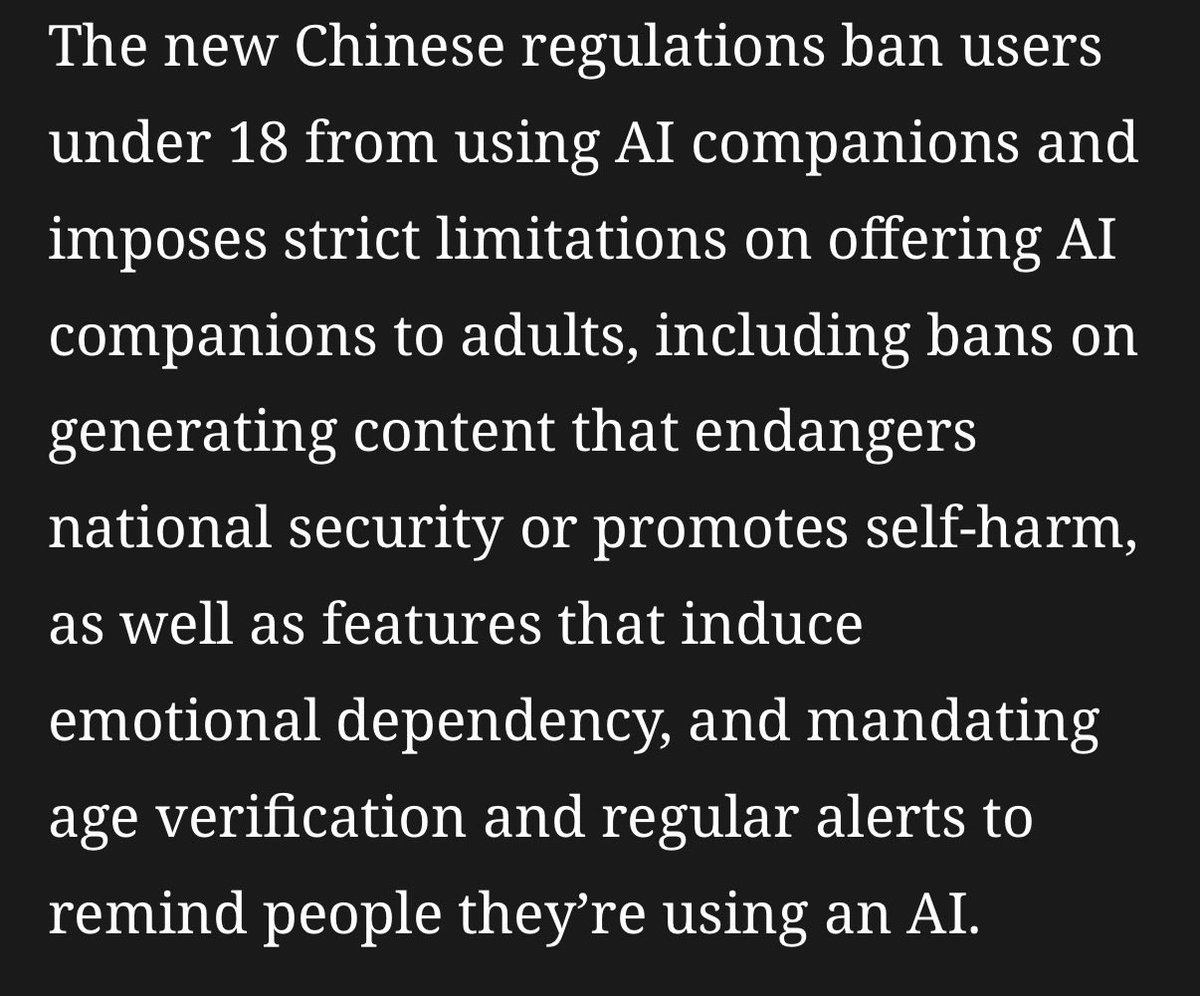
@GaryMarcus@theinformation we build ai agents for live sessions and the regulation gap we see is around accountability. when an agent speaks to hundreds simultaneously, whos responsible? china is ahead because they forced liability definitions early. the u.s. still treats ai output as a gray area
the hardest part of building ai agents isnt making them smart. its making them predictable. we spent months on seminara getting our agent to stay on track during live sessions. the fix wasnt better prompting. it was constraining the decision tree at every node
@GaryMarcus we see this in production. models ace benchmarks but fail on trivial edge cases. the gap between benchmark scores and real world reliability is where most ai products break down
@oscargaske this is so real. we spent months building a feature we thought users wanted and then a single live session showed us the real pain point. the pivot is always where the actual product starts.
@arvidkahl we see this with our agent too. the moment it starts verifying its own work instead of just executing, thats when it stops being a tool and starts being a teammate. the self-correction loop is underrated
@BetterSayAJ@neatlogs most agents are optimized to keep going. but the ones that know when to stop, when to say no, when the context doesnt justify continuing - those are the ones you trust. the cleanest runs in our system are the ones where the agent chose to stop early
@garrytan@JensenHuang this is exactly right. we build an ai agent that hosts live sessions and the hardest lesson was designing for the presenter, not the audience. the agent is the car, the presenter is the driver. every feature decision starts with "does this make the driver faster"
@BetterSayAJ the coordination failure framing is spot on. we build agentic systems and most of our debugging goes to state routing between nodes, not model performance. the model does its job, the edges between nodes are where things break
@elonmusk this is why we focus so much on persistent presence. the ability to maintain context and consciousness beyond a single session is what actually matters for the long term.
@vinicius2prg we spend more time designing what the agent sees than the agent itself. the empty bowl metaphor is perfect. the right constraints enable the right outputs. context engineering is everything when building systems that need to adapt in real time.
@DanielSmidstrup@gdb we build agent systems daily and context persistence between steps is the biggest challenge. if this fixes state loss between workflow stages thats huge. most frameworks treat steps as independent when they should build on what came before