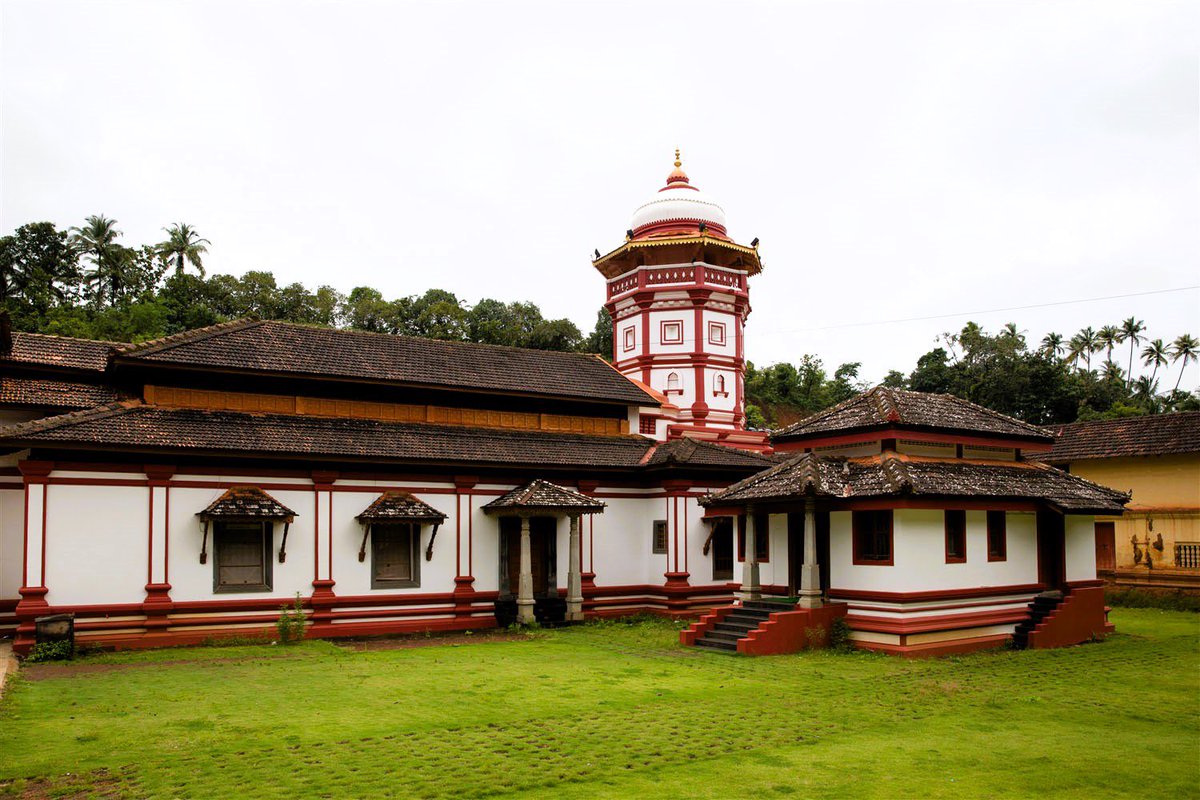
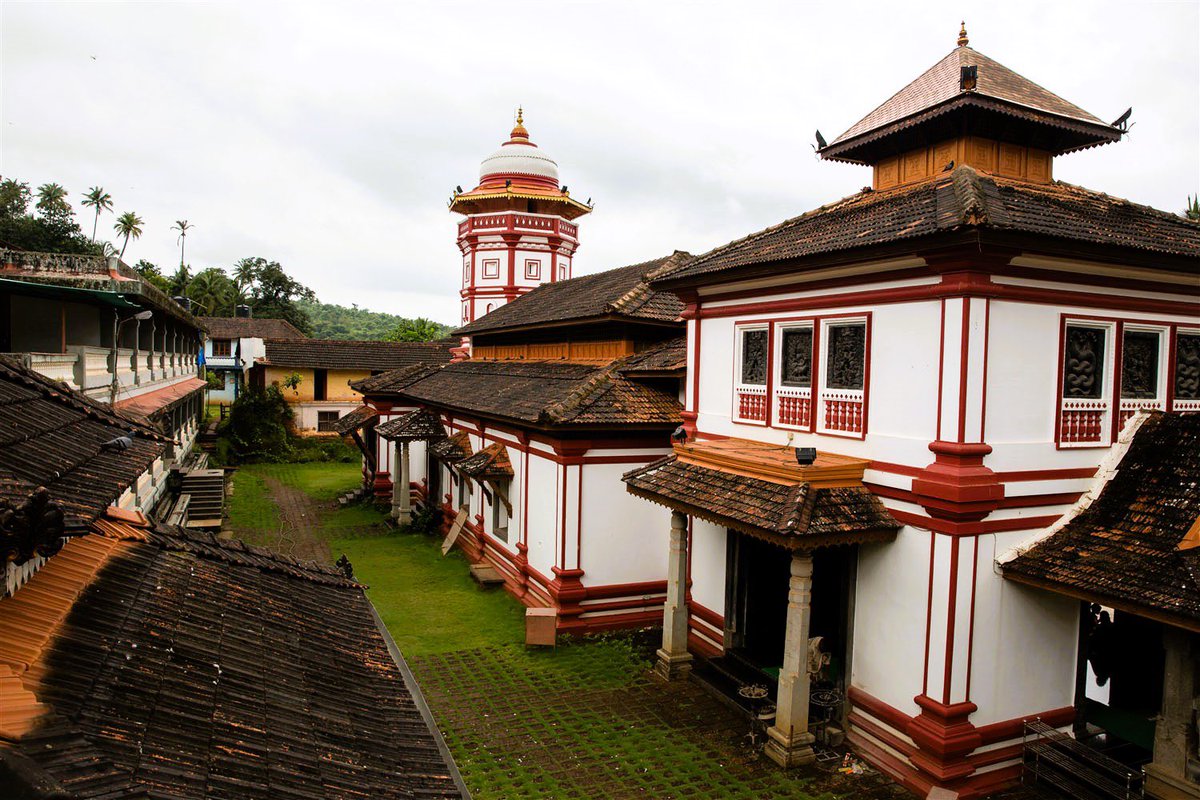
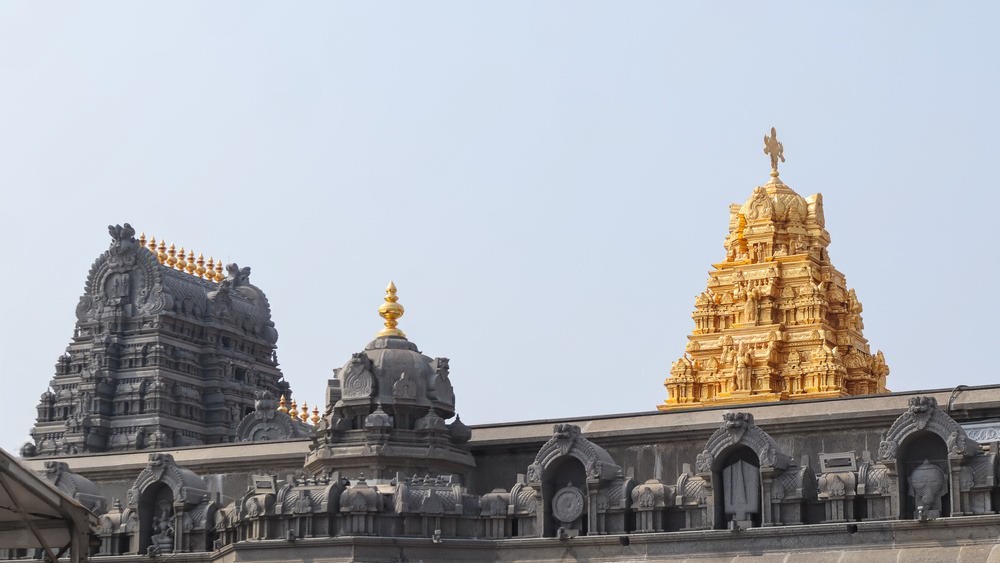
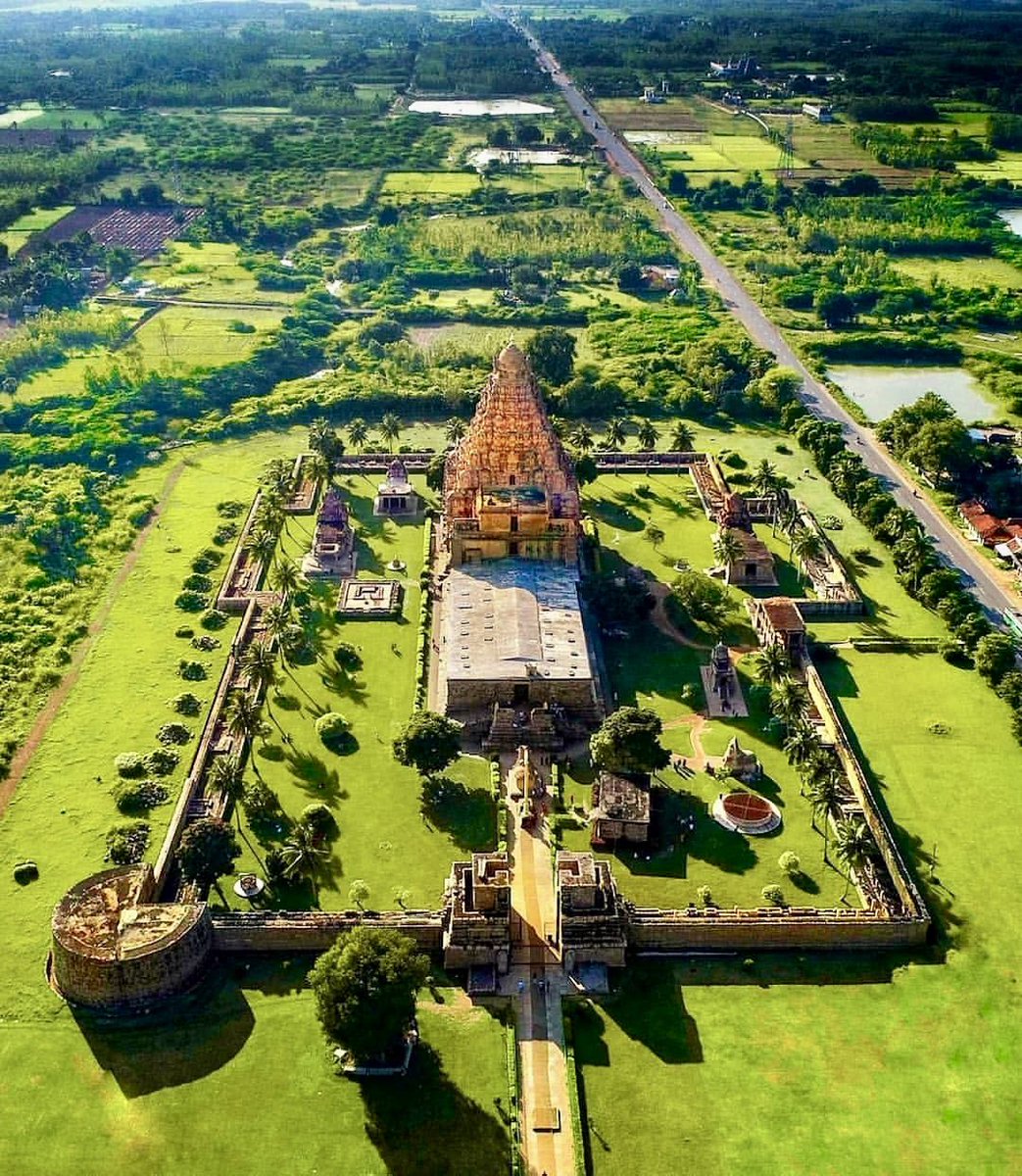
One of the Oldest Mandir in Goa, 16th Century Mallikarjuna Temple, Canacona, Goa.
Temple Pillars have intricate carvings with scenes from the Puranas and Mahabharat.
It’s worth visiting this mandir while touring Goa.
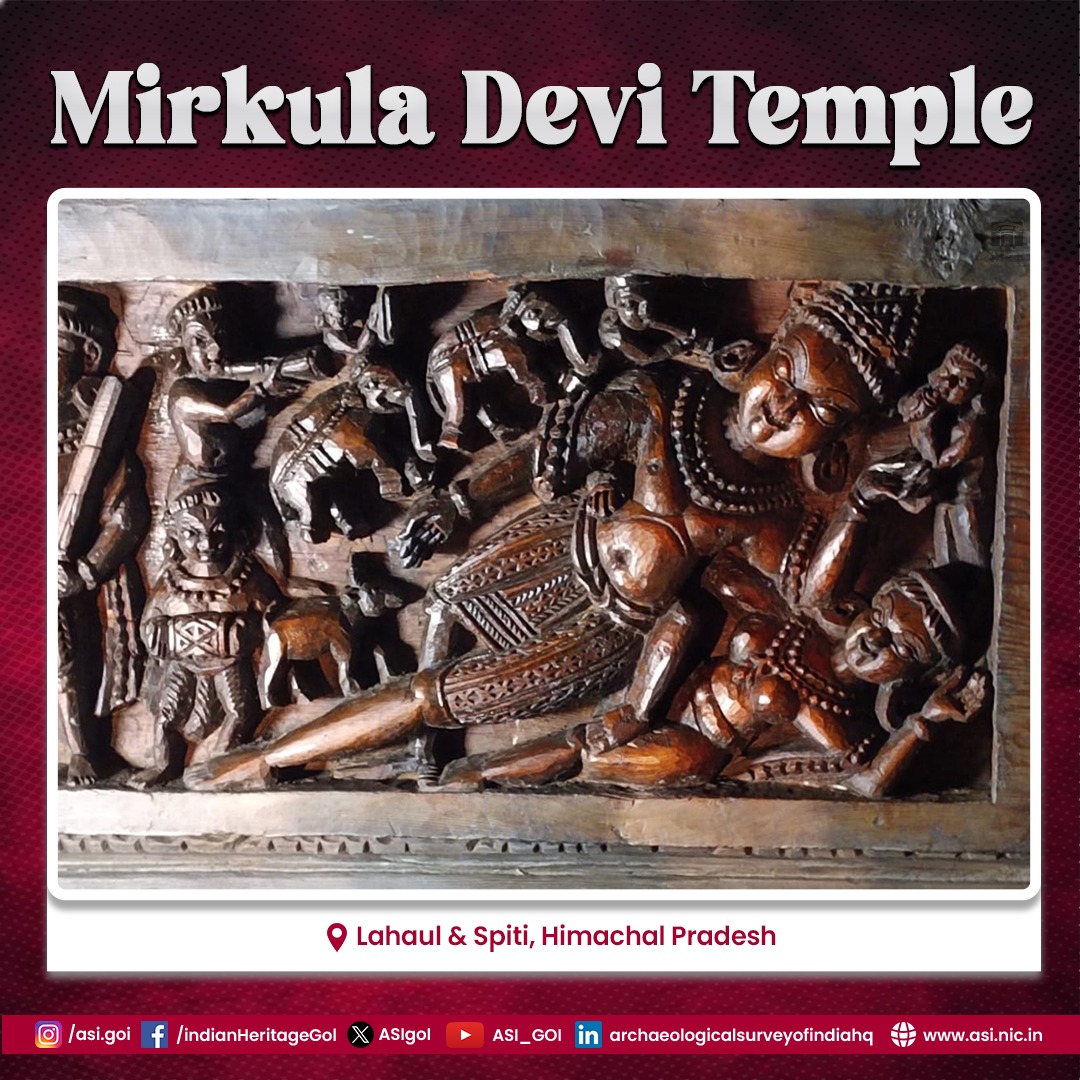
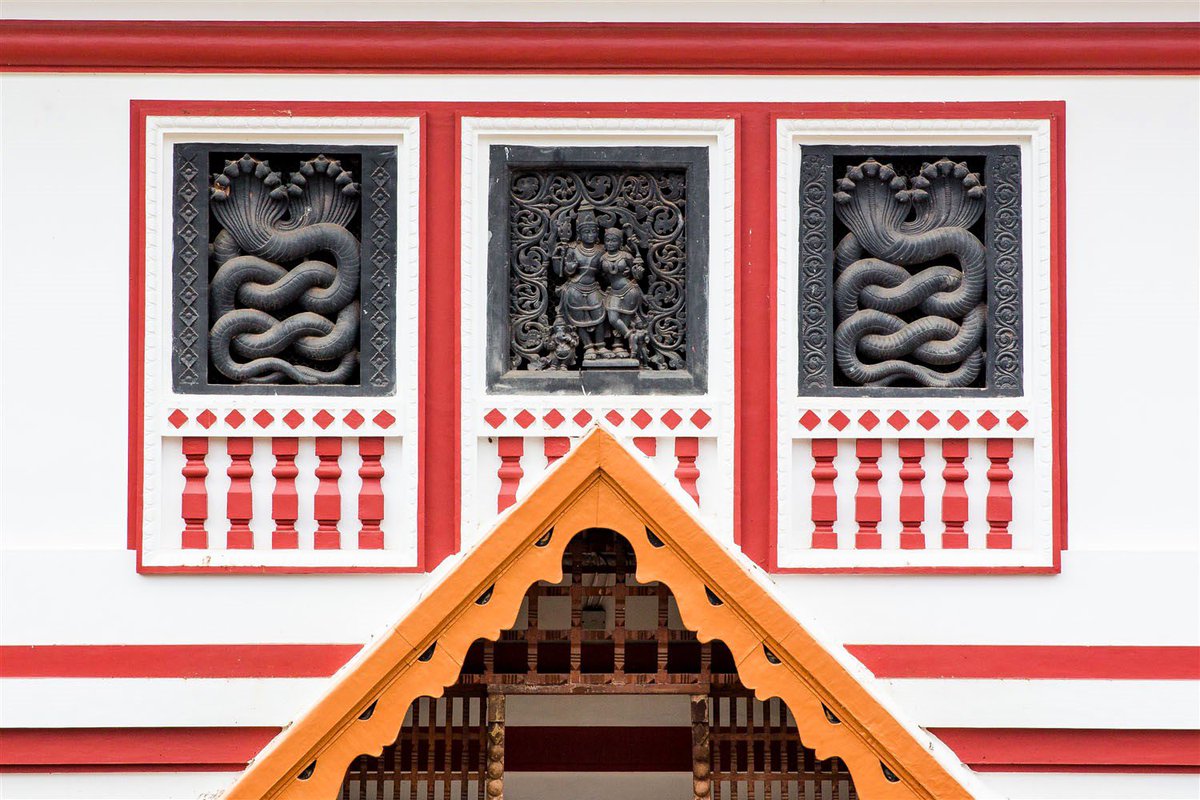
Mirkula Devi Temple, important pilgrim centre dedicated to Devi Kali, is located at Udaipur of Lahaul & Spiti district of Himachal Pradesh.
The temple, primarily made out of stone, comprises a garbhagriha with a circumambulatory path and a pillared mandapa adorned with intricate wooden carvings.
The Science Branch of the Archaeological Survey of India, Chandigarh, undertook the scientific preservation and treatment of the wooden components within the temple. The process included the careful cleaning of soot-deposited wooden panels and carved sculptures using organic solvents, followed by the filling of cracks and consolidation of weakened wood. A preservative coat was subsequently applied to all treated surfaces to ensure long-term protection and preservation of this unique architectural heritage.
#MirkulaDeviTemple #LahaulAndSpiti #HimachalPradesh #Chandigarh #ScientificPreservation #Mending #Sculptures #ASI #HeritageSites #ArchaeologicalSurveyOfIndia #CultureUnitesAll
13th Century Shri Chandramouleswara Temple, Arsikere, Hasan, Karnataka built by Hoysala King Narasimha II. The temples were active till the early 14th-century and post that temple, their artwork were destroyed and mutilated.
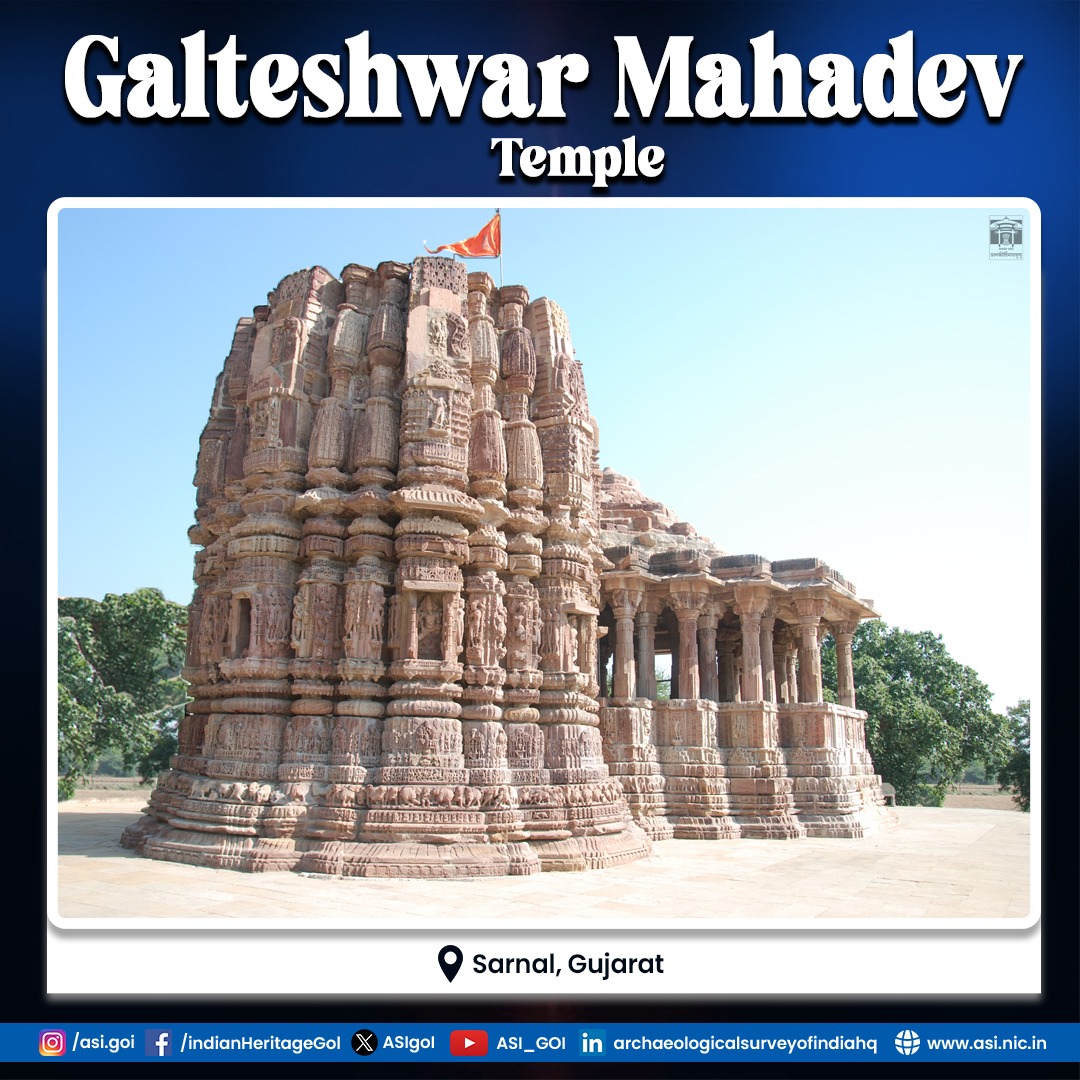
Located on the confluence of Mahi and Galati rivers, Galteshwar Temple is a fine example of Chalukyan period temple architecture. It is also a place where Galav Muni had his Ashram during puranic time. Dedicated to Lord Shiva, this temple was patronized by Parmara Siyaka II in the 10th century CE.
The Mandapa is about 12 meters long and wide. Its roof is supported by 8 central pillars under the dome and smaller pillars in the surrounding screen walls. It has many projecting angles.
The eight inner pillars are each 4.3 meters tall. The lower third of each pillar is square, then changes shape through octagonal and sixteen-sided sections before becoming cylindrical at the top.
Unlike most Jain and Muslim domes, the pillars are not spaced equally. The corner pillars are smaller in height and are aligned with the outer pillars on the screen wall.
This temple shows the central Indian Malwa style called Bhumija, with influences from Gujarati Chalukya architecture.
The lower part of the temple is in the Solanki style. The sanctum has a unique design with eight projections called bhadras and two sharp-angled corners between each pair. It features typical Solanki-style decorative carvings.
The temple includes a Rang mandapa and a Garbhagriha with a partly damaged Shikhara. The sanctum is set lower than the Mandapa and is square inside. From outside, it looks circular with a 24-foot diameter, featuring many projections and recesses.
These recesses contain seven niches with images of Dikpalas, the guardian deities of eight directions. The front wall of the sanctum is richly decorated with carvings of different forms of Shiva, though many are now damaged. The doorway is heavily ornamented with rupastambhas (decorative pillars). The carvings show gandharvas (celestial beings), ascetics, horse and elephant riders, chariots, palanquins, and scenes from life, from birth to death. There is a perennial flow of underground water round the Shiv Ling in the temple.
#GalteshwarMahadevTemple #Sarnal #Gujarat #VadodaraCircle #ASI #HeritageSites #ArchaeologicalSurveyOfIndia #CultureUnitesAll
@narendramodi | @PMOIndia | @gssjodhpur | @Rao_InderjitS | @MinOfCultureGoI | @tourismgoi | @incredibleindia | @MIB_India | @PIB_India | @PIBCulture | @mygovindia | @DDNewslive | @airnewsalerts | @GujaratTourism
Mallikarjuna Swamy Temple, Srisailam, Andhra Pradesh. It is one of the twelve Jyotirlingas of Shiva and one of the fifty two Shakti pithas. There are inscriptional evidence from the Satavahana dynasty which place the temple to be existent from the 2nd century and addition during the period of king Harihara I of Vijayanagara Empire (14th and 15th centuries).
Built in 1196 CE, the Amritesvara Temple is situated at Amrithapura village in Chikkamagaluru District of Karnataka. It was commissioned by Hoysala general Amitayya Dandanayaka under the reign of King Ballala II (1173–1220 CE).
Facing towards the east, it is a compact yet elegant ekakuta temple that follows a traditional Hoysala layout. It comprises a garbhagriha (sanctum), antarala (vestibule), navaranga (closed hall), and mukhamandapas (entrance porches) to the south and east. The eastern mukhamandapa extends into a beautifully carved, multi-pillared sabhamandapa, which is the most ornate part of the temple.
The superstructure above the garbhagriha is of the dvitala Vesara style, featuring a stupi shikhara and a finial. The mahanasa of the sukanasi displays an image of Shiva as Gajasuramardana, while the Hoysala royal emblem of Sala slaying the lion adorns the gable above.
The sabhamandapa features a kakshasana (peripheral seating bench) and 28 intricately decorated ceilings, each adorned with elaborate floral motifs. The mandap also includes exquisite narrative panels illustrating scenes from the Ramayana, Mahabharata, and Bhagavata, showcasing the temple's rich sculptural heritage.
To the south lies a relatively plain shrine dedicated to Goddess Sarasvati, considered one of the finest representations of Hoysala art. Interestingly, several ceilings in the navaranga carry inscriptions identifying the sculptors who created them. Among them are artists such as Mallitamma, Baluga, and Malaya.
A notable Kannada inscription dated 1196 CE, found within the temple, was composed by the celebrated court poet Kavi Chakravarti Janna, who made significant contributions to medieval Kannada literature.
#AmritesvaraTemple #Amrithapura #Chikkamagaluru #Karnataka #BangaloreCircle #ASI #HeritageSites #ArchaeologicalSurveyOfIndia #CultureUnitesAll
After months of dedicated efforts, Archaeological Survey of India has successfully restored the Shivlinga at the Ancient Site of Eran in Sagar, Madhya Pradesh.
The loose fragments of the Shivalinga have been carefully restored, the flooring repaired to its former elegance, and a boundary wall has been constructed to safeguard the site’s sanctity.
This meticulous restoration preserves Eran’s rich cultural and spiritual heritage for generations to come.
#RestoringOurPast #BrokenShivalinga #AncientSite #Eran #Sagar #MadhyaPradesh #ASI #HeritageSites #ArchaeologicalSurveyOfIndia #CultureUnitesAll