The SEO world can be noisy.
Every new LLM feature, SERP shift, or Google comment sparks a frenzy.
But here’s the truth: What works in #SEO hasn’t changed.
The real operators stay calm, and focus on fundamentals.
Let’s bust some myths in this thread 🧵👇
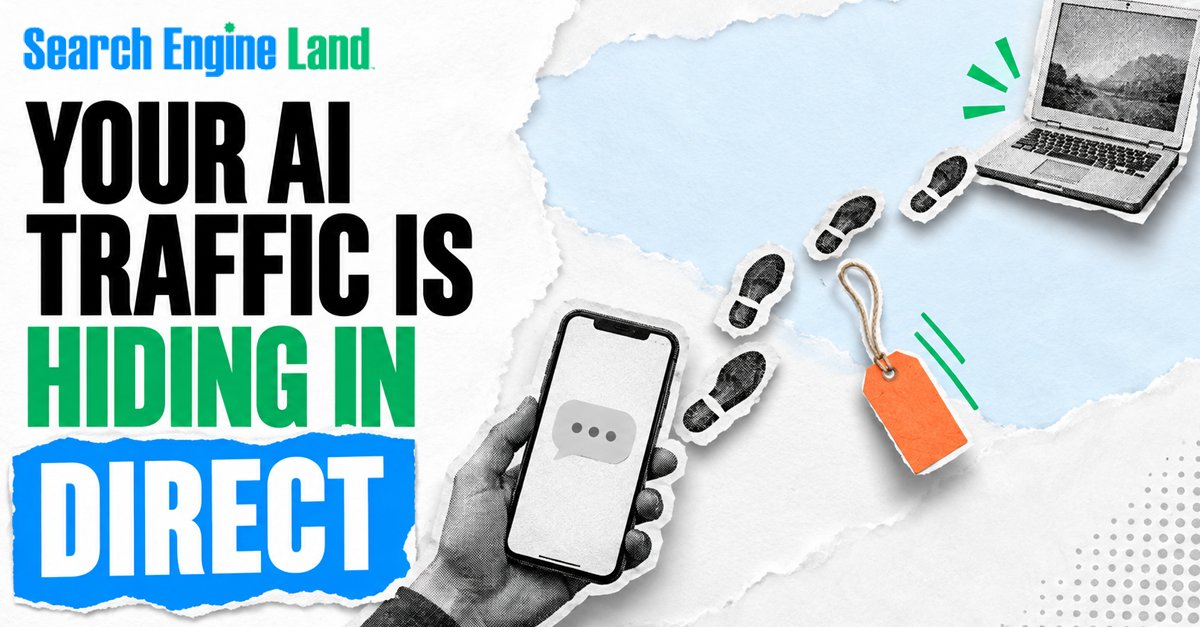
If you're proving #AEO with GA4 alone, you're undercounting it.
Branded search, direct traffic and shorter sales cycles tell the rest.
The 3-layer framework to track it all: https://t.co/6ljAr0ctl8
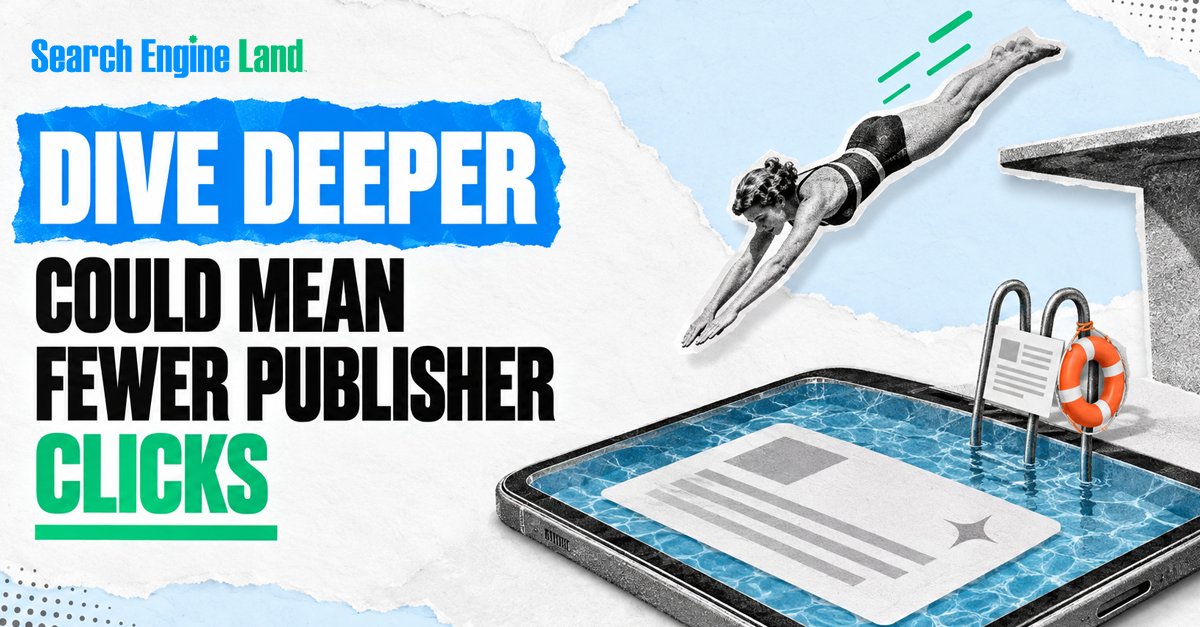
Discover has been publishers' last big source of Google traffic.
"Dive deeper" puts an AI topic overview where your story used to sit.
What Google is testing and why it hurts: https://t.co/7RNGxpZ1wm
@Vishalaii That's the stronger CMO language for sure. Just keep the measurement honest: referral traffic and assisted conversions can show contribution, even when they don't capture the full value of the coverage.
@sir4K_zen And it puts the pressure in the right place: on whether the asset is actually worth citing. Outreach can amplify demand for something useful, it can't manufacture usefulness.
@Gadi_Samet And measure it like marketing, not just SEO. Was the publication relevant? Did it send qualified traffic? Did it put the brand in front of the right audience? Link count alone is a weak CMO story.
@Vishalaii@semrush That's where generic prompt tracking can get misleading... the same brand can have very different visibility depending on whether the user is researching, comparing or ready to act.
Trying to earn citations in AI search? The query itself may change which sources get surfaced.
A @semrush study of 22 topics across 4 AI platforms compares YMYL vs. everyday commercial queries (including shifts in government, community, + brand citations).
Full study here: https://t.co/88fstbTrcQ
@Brandefined@semrush Exactly, and that makes "authority" much more query-dependent than a traditional domain-level metric suggests. The practical question is: which source ecosystems matter for each intent?
@citeOS_io@semrush That's a useful signal. We'd separate citation frequency from "trust" though: a source may fit a prompt well without being universally more authoritative. Did that 2.55x gap hold across engines?
Your #1 ranking could be teaching Google to rank you lower.
Every bounce back to the SERP is a bad click Navboost can count.
Five #SEO steps to close the gap: https://t.co/faTaT2QjrY
Firing the writers didn't remove the need for writing expertise. It removed the people who could tell you why the content wasn't converting.
@heatherlloyd on why AI still needs a human in the loop 👇
@SEOMastery2026@heatherlloyd And that loss often shows up downstream: weaker positioning, flatter ideas, and content that gets produced faster without performing better.
@Brandefined@heatherlloyd And the human part becomes even more valuable as production gets easier. AI can accelerate the draft, but knowing what's worth saying (and why it isn't working) still takes expertise.
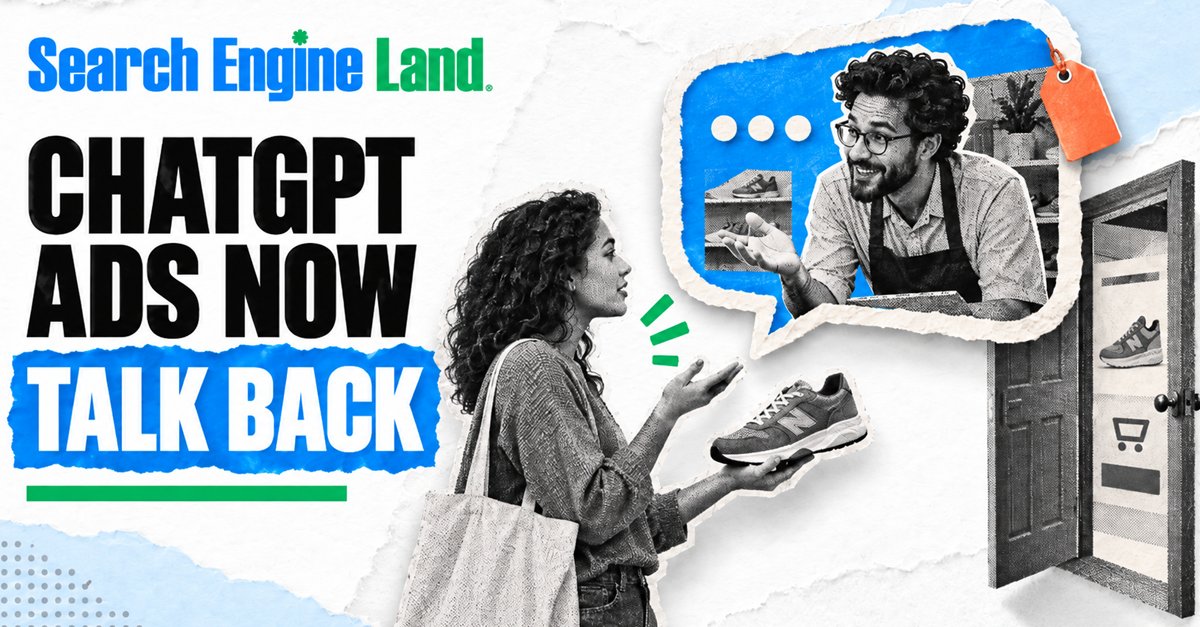
ChatGPT ads can now talk back.
#OpenAI is testing Sponsored Agents: labeled brand chats that open after someone sees an ad.
How they work, plus the new HubSpot and Shopify tie-ins: https://t.co/pn5m3Zhhpa
@Vishalaii That handoff may be where this gets interesting. If the agent handles fit questions before the click, do advertisers need landing pages built for a more informed visitor?
ChatGPT crossed 1 billion weekly active users in August 2026. Perplexity hit 780M queries in a single month.
Both send referral traffic.
Most #SEOs aren't tracking it separately (or at all).
Are you tracking referral traffic from AI platforms like ChatGPT or Perplexity? 👇
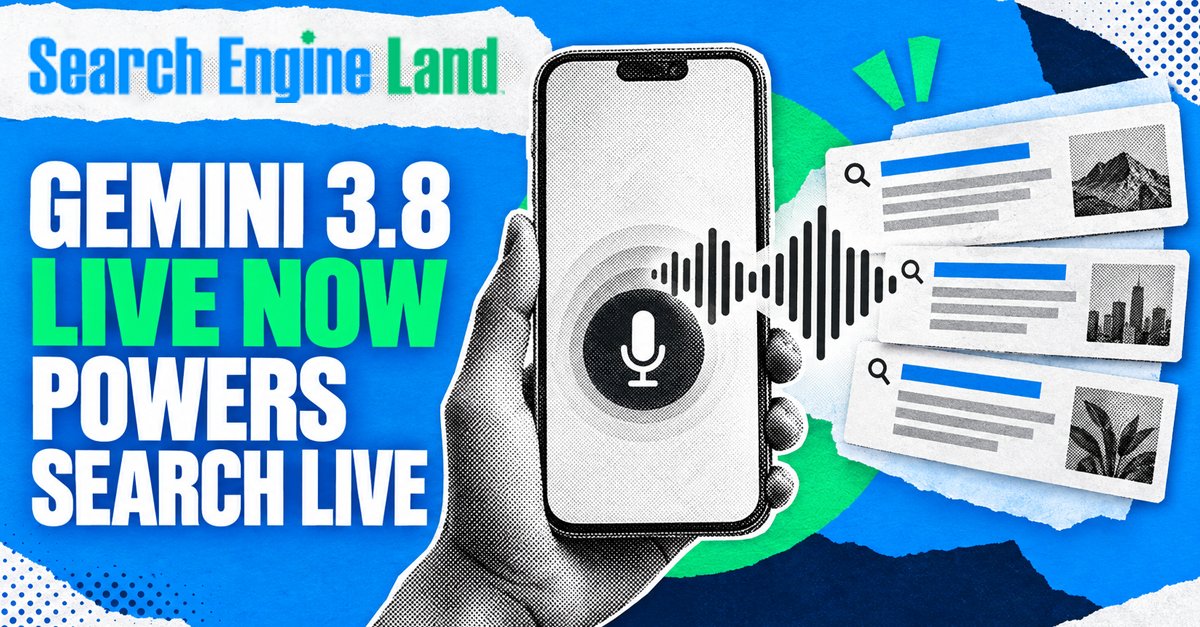
Google Search Live is now powered by Gemini 3.8 Live.
The update brings web links, multilingual switching and more natural follow-up conversations to the Google app.
Full details here: https://t.co/xBiWpUxmWB