I didn't expect from my conversation with Parv to be so valuable for the people trying to get started in the field of cybersecurity.
For everyone in my DMs asking how to get started this is it.
We recorded the podcast last week, it went live this Sunday. Full episode below 🎙️
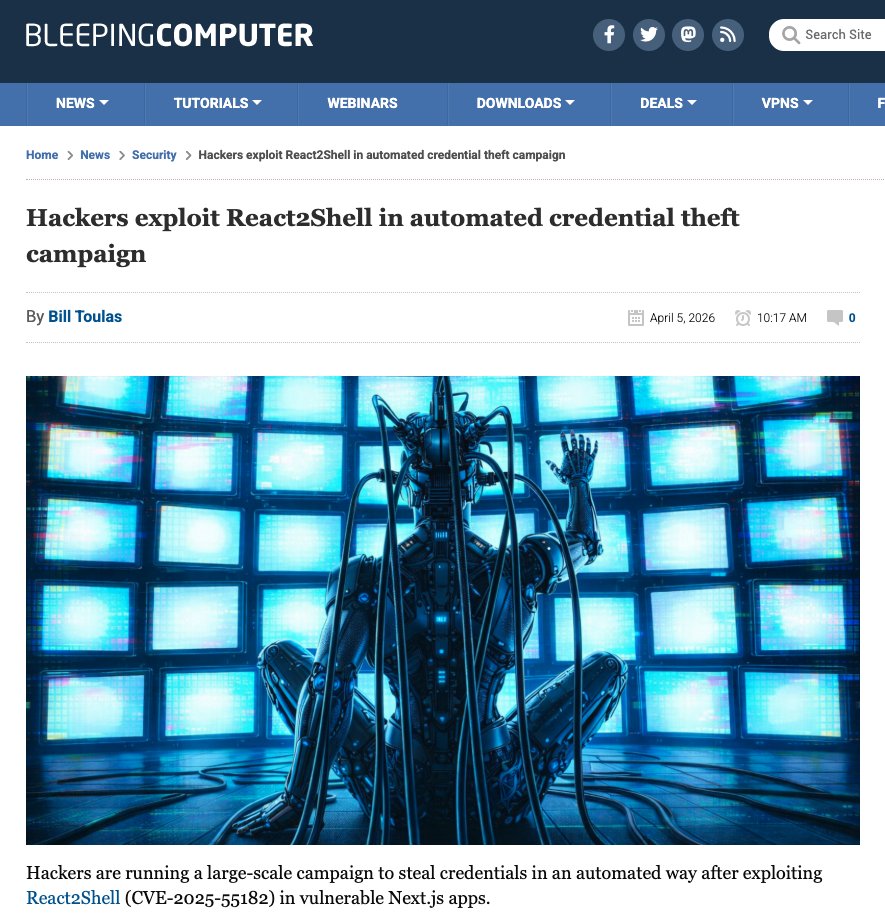
React apps are becoming secret vacuums.
Attackers are now weaponising React2Shell to rip credentials out of vulnerable Next.js servers at scale, fast, and with almost no manual effort. 🔴
Your security scanner just became the weapon.
CVE-2026-33634 (CVSS 9.4): Aqua Trivy was compromised.
Every scan silently stole your AWS keys, SSH creds, and Kubernetes tokens. 🔴
1. Pin GitHub Actions to commit SHAs.
2. Rotate all CI/CD secrets.
3. Block scan[.]aquasecurtiy[.]org and 45.148.10.212.
4. Check for tpcp-docs repos in your org.
This one isn't over.
Fix it:
→ Update to OpenClaw 2026.3.7+
→ Audit your redirect handling now
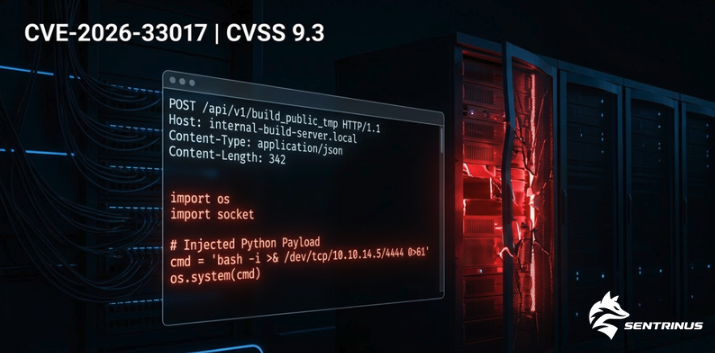
→ Sentrinus catches these boundary violations before they become breaches
Full details: https://t.co/kiVmOUaHXg
@sentrinus@openclaw@karpathy After configuring it over & over again and really fine tuning it to my workflows, lately it has been surprising me frequently with it's capabilities.
Especially now that it has started working along with the employees at @secureu_in & @sentrinus as their colleague.
You clicked "I'm not a robot."
That one click just installed ransomware.
No phishing link. No suspicious email. No hacked password.
LeakNet's new ClickFix attack turns a fake CAPTCHA into a full ransomware deployment & your antivirus won't catch it.
Here's how it works. 🧵
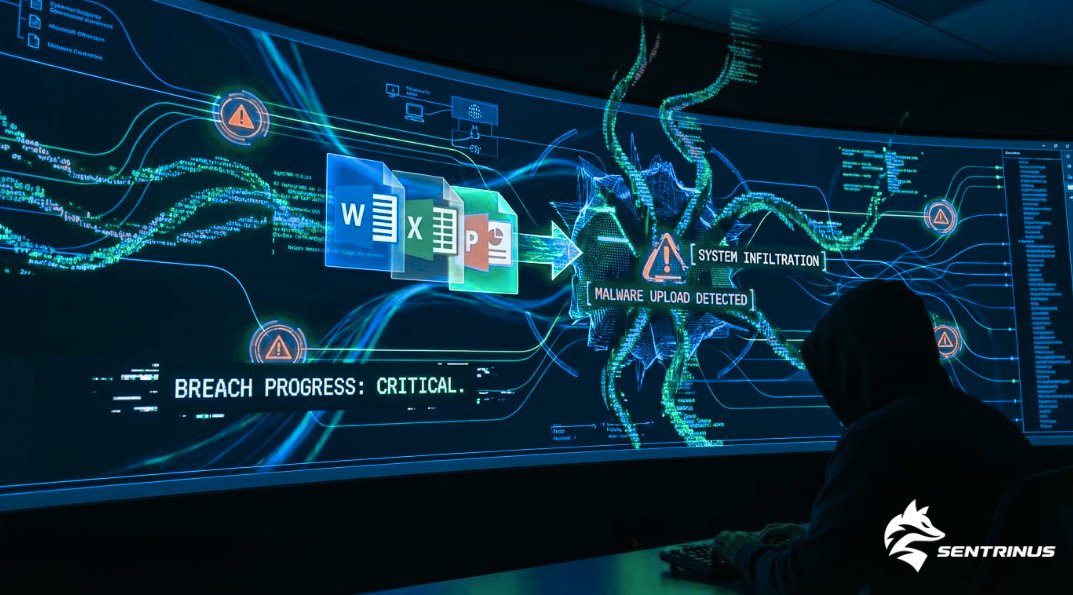
Your endpoints need real-time upload monitoring
Sentrinus detects suspicious file behaviour in seconds, before execution.
Stop file-based attacks at the source.
→ https://t.co/30CmZyhB6O | See Everything. Stop Anything.