It’s incredible that /make-interfaces-feel-better has already been installed more than 30,000 times.
It contains a lot of tips that make interfaces feel better, across UI, animations, performance and more.
npx skills add jakubkrehel/make-interfaces-feel-better
I've been a backend Engineer for 12+ years. Today, I'm a Principal Engineer at Atlassian.
I've designed systems that handle millions of requests. Sat on both sides of system design interviews.
Reviewed more architecture docs than I can count.
Starting today, I'm breaking down the fundamentals of scaling for the next 25 days.
If you're learning system design bookmark this thread, you're going to get a lot of learning from this.
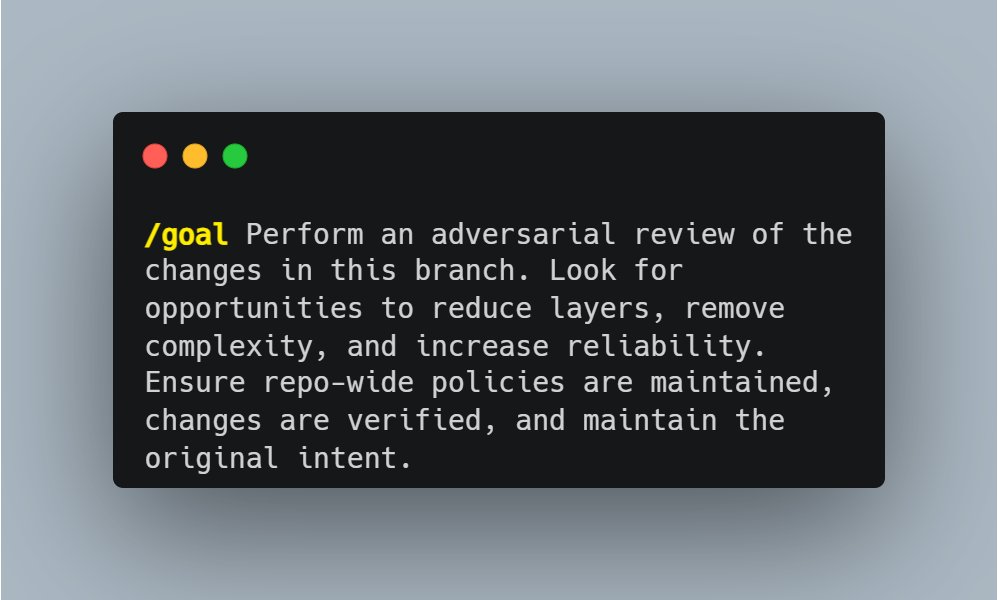
We talk a lot about how important it is to set up self-verification loops. Especially in the age of powerful models that can run for long periods of time, self-verification is a key ingredient that enables the model to run for much longer, delivering a result that is closer to what you intended, so you can do more without having to constantly check in on Claude as it works.
@delba_oliveira gives a great breakdown of what that looks like and why it matters
This is the best site on the internet to learn harness engineering.
Free. Completely.
Most AI engineers have never heard the term.
https://t.co/bwDbTTYsjM
Bookmark this site.
Then read this setup ↓
How do you get Claude Code to check its own work before handing it back?
Watch how you can encode your manual checks so Claude closes its own feedback loop:
Masterclass de Hermes (48 min) para entender cómo funcionan agentes más personalizados y con memoria persistente.
Explica cosas como:
1) un archivo (SOUL.md) para definir la personalidad y reglas del agente
2) un sistema de memoria que le permite recordar información entre sesiones
3) skills reutilizables para tareas específicas
4) loops donde el propio agente mejora sus skills
5) múltiples perfiles de agentes para distintos workflows
También muestra cómo usar Hermes con Claude Code, Telegram y distintos workflows.
corrí /insights en claude code
me analizó las ultimas 30 sesiones, y me dijo patrones que se repiten y qué agregar al CLAUDE.md para no tener que aclarar lo mismo cada vez
es el tipo de feature que parece simple pero cambia como trabajas
We’ve shipped a security-guidance plugin for Claude Code that helps identify and fix vulnerabilities as you’re writing code.
Available for all Claude Code users. Install from the plugin marketplace (/plugins).
Cuando entendés harness engineering, empezás a ver que gran parte de la “inteligencia” de un agente no vive solo en el modelo.
También vive en cómo organizás contexto, memoria, tools, permisos y el loop de ejecución.
Muy buen recurso para entender cómo se construyen agentes.
Ask Claude to document and describe the main flows in your app and output in a single page html + json data file.
Incredibly useful for humans and the JSON file is very useful for explaining the flow to the LLM when working on new features/bugfixes.
Peekaboo 3.0 is live. Biggest release since 2.0.
⚡ Action-first macOS computer use
👁️ Unified screenshot + UI detection
🧩 Cleaner JSON across CLI + MCP
🛠️ Better snapshots
I started this last year, but the models just weren’t good enough. Now they are. https://t.co/0wvhR0NWOj
Claude Security is now in public beta for Claude Enterprise customers.
Claude scans your codebase for vulnerabilities, validates each finding to cut false positives, and suggests patches you can review and approve.